IA Today is your source for the latest in pluralism, interfaith, and bridgebuilding.

Articles

Stories centering leaders and communities committed to cooperation across difference.

Quick Takes

Short, insightful commentary on the challenges facing Americans today.

Media Coverage & Recommendations

The latest media coverage and recommended readings about pluralism, interfaith, and bridgebuilding.

Videos

Get inspired by leaders and communities cooperating across differences. Watch events featuring our staff and network.

PluribUS 250 commemorates the Semiquincentennial by honoring Americans working across difference for the common good.

Podcast Episodes

Powerful audio stories highlighting religious diversity.

Join us today!

Let’s build an interfaith America, where people of all beliefs work together for the common good.

Keep Up with Us on Socials

8.3K Followers

Interfaith America

We activate leaders to build an interfaith America.
@interfaithamerica on TikTok

"The speech felt like healing. The beard felt like a reminder that healing is not linear."Twenty-five years after 9/11, Ali Khaleel found himself making a decision he thought he had left behind years ago: shaving his beard before a flight.In this personal reflection, Ali explores what it means to live as a Muslim American in the decades after 9/11, the anxiety that still surfaces, and the ongoing work of unlearning the belief that you don't fully belong.Read the full story at the link in bio.
A Jain. A Jew. An Episcopal priest.Their careers look very different, but they share a common belief: studying religion prepared them to navigate a complex world.From corporate strategy to fundraising to ministry, religious literacy, critical thinking, and relationship-building continue to shape their work every day.Three traditions. Three careers. One shared conviction: understanding what people believe, value, and hold sacred is an essential human skill.Read the full story at the link in bio.
"What gives life meaning?"Campus leaders across the country are hearing that question from students every day.In our latest IA Today article, religious, spiritual, secular, and interfaith life professionals share what they're learning from today's generation and how colleges can support students as they explore purpose, belonging, service, and identity.Swipe through five insights from leaders at the University of Michigan, American University, USC, and Vassar College.Read the full story at the link in bio.
"No one is expected to remain in a situation that is unsafe or demeaning."That's an important principle behind Interfaith America's approach to pluralism.Engaging across differences should never require tolerating harm. Pluralism is an invitation, and every person has the agency to decide when and how to engage.At the same time, we often overestimate how different others are from us. Sometimes taking a closer look at our assumptions can create opportunities for understanding, connection, and cooperation.This is one of many questions explored in our new Frequently Asked Questions About Pluralism resource.Learn more through the link in our bio.
The memories are here!Photos from the 2026 Interfaith Leadership Summit are available now on our Facebook page.From plenary conversations and training sessions to new friendships and unforgettable moments, take a look back at a weekend spent building a road forward together.Find your photos, tag your friends, and relive the Summit.#ilsummit26
Pluralism does not ask people to abandon their deepest convictions.One of the most common asked questions we hear is whether people can fully hold their religious, philosophical, or moral commitments while engaging across differences.Our frequently asked questions resource explores this question and others that surface in pluralistic communities.Learn more through the link in our bio.
Justin Vaughn reflects on why pluralism needs more than dialogue. It needs spaces where people can return, reconnect, and develop familiarity over time.Whether it's a campus program, a book club, a bowling league, or a neighborhood gathering, recurring opportunities to meet can help transform strangers into neighbors and make difficult conversations easier to navigate.Read the full story through the link in bio.
Tomorrow's Student Affairs leaders will shape how campuses navigate difference, foster belonging, and build communities where people can thrive.The Higher Education and Student Affairs (HESA) Faculty Pluralism Fellowship supports faculty who are preparing the next generation of practitioners. Fellows will engage with pluralism-focused scholarship, collaborate with peers from across the country, and redesign graduate courses that equip future Student Affairs professionals to lead across religious, political, ideological, and cultural differences.Apply by October 15, 2026.Learn more and apply through the link in our bio.
MONDAY MOMENT: “We are fellow citizens who need each other.”This week's Monday Moment comes from Dallin H. Oaks, President of The Church of Jesus Christ of Latter-day Saints.In a pluralistic society, unity doesn't require agreement. It requires a commitment to sharing a common life with people whose experiences, beliefs, and values may differ from our own.Pluralism begins with a simple recognition: we need one another.#MondayMoment #Pluralism #InterfaithAmerica
"Questions, concerns, or even resistance are a normal and healthy part of building pluralism."That idea is at the heart of our new FAQ resource.When people wrestle with difficult questions, they're engaging in the work of pluralism. Leaders can help by listening carefully, asking sincere questions, and making space for different experiences.Explore the resource through the link in bio.
Every meaningful conversation about pluralism begins with questions.Our new Frequently Asked Questions About Pluralism resource explores topics like respect, cooperation, disagreement, religious diversity, and the challenges of building relationships across differences.Questions are a healthy part of the process. This resource helps leaders navigate them with curiosity and confidence.Learn more at the link in bio.#Pluralism #InterfaithAmerica #RespectRelateCooperate
Join the Interfaith America team as a Senior Executive Assistant and play a key role in supporting the leaders advancing our mission nationwide.This role is a trusted partner to Interfaith America's senior leadership, helping manage priorities, coordinate key initiatives, and support the relationships that advance our mission.If you are highly organized, proactive, and excel at managing multiple priorities while supporting senior leaders, we would love to hear from you.Apply through the link in bio.
Twenty-five years after 9/11, Muslims in America are more visible in public life, politics, media, and culture. Yet visibility is not the same as belonging.Todd Green argues that while some forms of post-9/11 discrimination have receded, Islamophobia has not disappeared. It has adapted, continuing to shape political rhetoric, public policy, and the experiences of Muslim communities across the country.As America reflects on the legacy of 9/11, this piece challenges us to consider what it means to build a society that replaces suspicion with curiosity and sees religious diversity as a civic strength.Read the full article at the link in our bio.
Communities across the country are already bridging differences to meet real needs. The Building Interfaith America Emerging Leaders Grants are designed to help turn those efforts into lasting impact.Grantees will receive funding, coaching, convenings, storytelling support, and access to a community of leaders working across lines of difference to strengthen their communities.This year, we're especially interested in hearing from leaders in healthcare, K-12 education, business, and rural communities. If you're bringing people together to address challenges and create opportunities, we encourage you to apply.Applications close October 2, 2026.Apply now at the link in our bio.

Only a third of Americans say most people can be trusted.At the same time, loneliness, distrust, and division continue to shape how we relate to one another. But disagreement itself isn't the problem. A diverse democracy was built to survive disagreement.The deeper challenge is that too many of us have become strangers.In a new column for Religion News Service, Simran Jeet Singh and Mary Ellen Giess reflect on what it takes to rebuild trust, practice peacemaking, and create a more neighborly America.Read "America: Don't Be a Stranger."

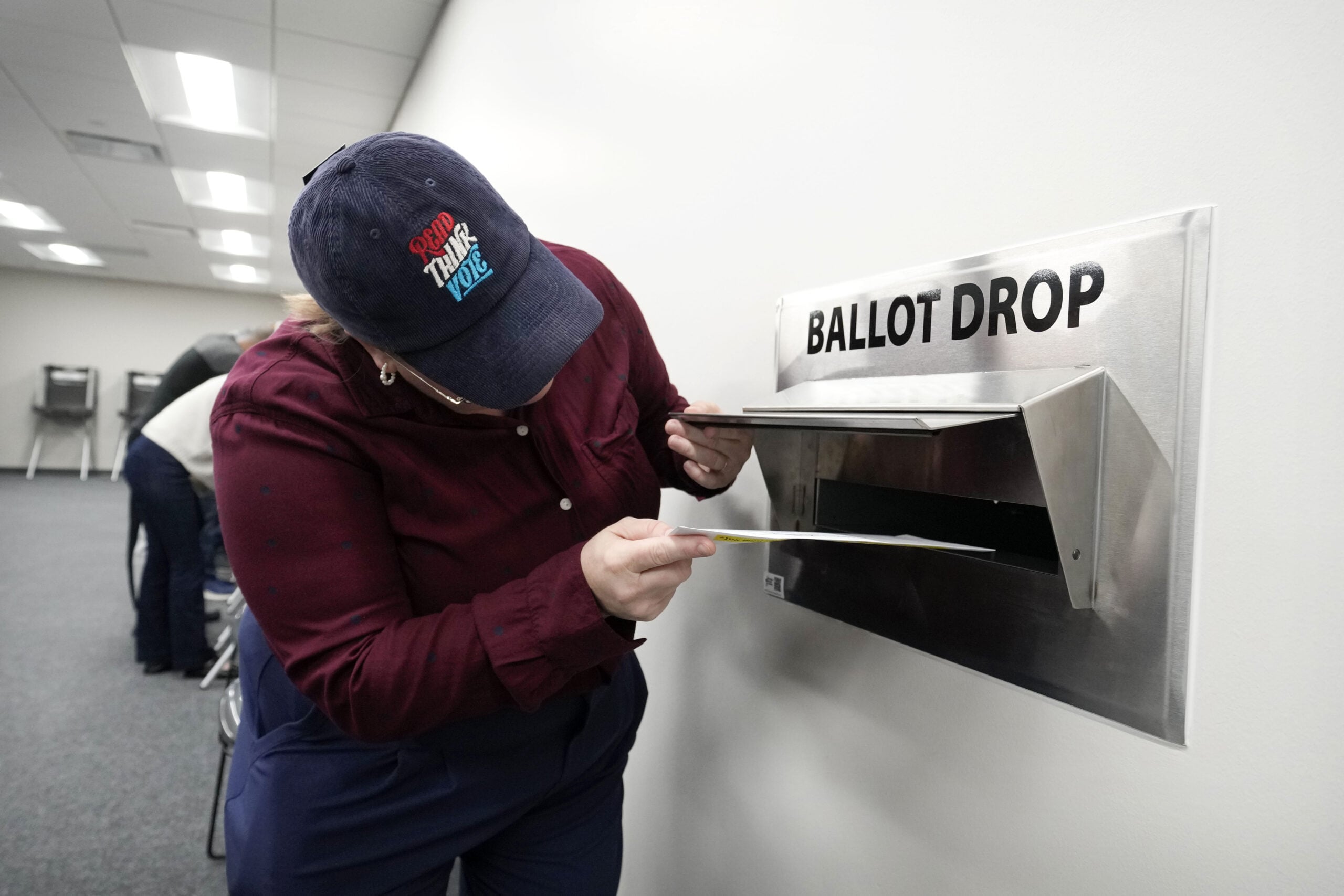
As Americans prepare for this November's elections, many are questioning whether the process will be free and fair. In a new opinion piece for The Fulcrum, Scott Rasmussen shares why faith communities can be a powerful force for building trust, reducing division, and helping neighbors engage elections with confidence.Through conversations across differences, local civic engagement, and a commitment to the common good, faith communities can help strengthen both democracy and pluralism.Read the article: https://thefulcrum.us/elections/faith-communities-restore-trust-americas-electionsHow have relationships in your community helped build trust across differences?

4

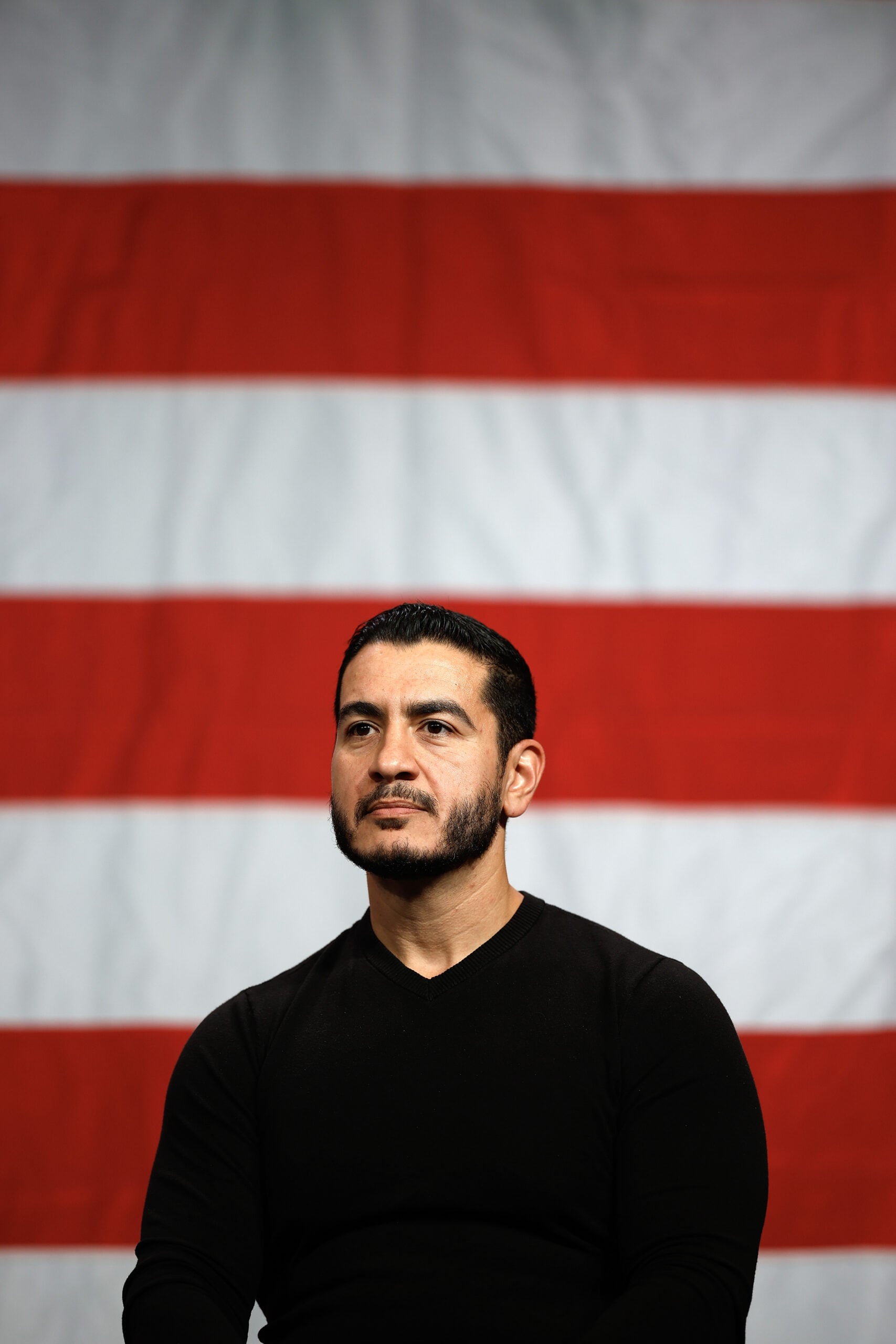
Twenty-five years after 9/11, some experiences still linger beneath the surface.In a new reflection, Ali Khaleel shares memories of watching family members be singled out at airports after 9/11, the confidence he spent years building as a Muslim American, and the surprising moment when old fears resurfaced before a September 11 flight.His story is an honest look at identity, belonging, and the reality that healing rarely follows a straight line.Read "25 Years Later, I'm Still Shaving for the Airport" here:

Three friends met for dinner near their alma mater and left asking a bigger question: How do we measure the value of a field of study?For Shradha Jain, Hayley Segall, and Shannon Smith Page, the answer is clear.Religious studies helped them develop the skills to build relationships across differences, communicate with empathy, think critically, and lead in complex environments. Today, those skills shape their work in corporate strategy, nonprofit development, and parish ministry.Three traditions. Three careers. One shared conviction: understanding what people believe, value, and hold sacred is an essential human skill.Read their reflections:

10

Can Reading Make Us Better Neighbors?This fall, Weave: The Social Fabric Project at the Aspen Institute and Interfaith America are inviting people across the country to participate in Weave’s first ever BIG READ, a shared experience centered on David Brooks’ book, “How to Know a Person: The Art of Seeing Others Deeply and Being Deeply Seen.”Learn more about ways you can participate at weavers.org/bigread/.

2

College students are asking some of life's biggest questions: What gives life meaning? Where do I belong? How can I make a difference?In a new IA Today article, campus religious, spiritual, secular, and interfaith leaders share what they're seeing among today's students and how colleges can better support young adults as they search for purpose, build community, serve others, and navigate a complex world.From creating spaces for reflection to fostering service opportunities and meaningful conversations across differences, these campus leaders offer insights that can benefit all of us.Read more:

6

No one is expected to remain in a situation that is unsafe or demeaning.One of the most common questions about pluralism is whether it asks people to expose themselves to harm by engaging with those whose views feel disrespectful or dehumanizing.The answer is no.Pluralism is an invitation. Every person has the agency to decide when and how to engage across differences. While it's important to acknowledge real risks, it's also worth remembering that we often make assumptions about what others believe or how extreme their views may be.Sometimes curiosity reveals opportunities for connection, understanding, and cooperation that we didn't expect.Explore this question and others in our new Frequently Asked Questions About Pluralism resource: https://www.interfaithamerica.org/resources/frequently-asked-questions-about-pluralism/

4

Interfaith America is proud to partner with the State University of New York (SUNY), the nation's largest public university system, to launch a new pluralism initiative spanning 10 campuses across New York. Over the next 18 months, senior leaders from participating institutions will develop and implement campus-specific strategies that foster mutual respect, build meaningful relationships across differences, and advance shared goals.Each campus will receive support and funding to strengthen pluralism through leadership, curriculum and scholarship, capacity building, and co-curricular engagement.Partnering Campus: Participating CampusesBinghamton University Buffalo State University Stony Brook University SUNY Brockport SUNY Cortland SUNY New Paltz SUNY Oneonta SUNY Plattsburgh SUNY Purchase SUNY Rockland Community CollegeRead more about the initiative:

7

interfaith america

Work With Us

Interested in writing about bridgebuilding, interfaith, or pluralism? Reach out to us to pitch a story.

Contact Us

Contact us to discuss storytelling opportunities or learn more about our work.

Allie Vroegop & Rachel Crowe

Interfaith America

Related Pages