
America’s trust crisis is becoming a cooperation crisis, and CEOs are now on the front line.
Who’s Talking?
JPMorgan Chase Chairman and CEO Jamie Dimon is right: CEOs have a duty to lead in this moment. Employers remain among the few institutions people still trust.
The Axios CEO call to action is right on trust, moral leadership and long-term responsibility. The next layer is cooperation across difference because trust alone is not enough.
Why It Matters
When people no longer know how to work across different beliefs, identities, politics, cultures and worldviews, companies pay the price. Teams fracture. Managers freeze. Innovation slows. Conflict escalates. Talent disengages. Trust erodes.
This is why pluralism is becoming a CEO issue.
Enter Pluralism
Pluralism is the practical capacity to respect difference, build relationships across difference, and cooperate on shared goals. What it’s not:
- It is not agreement.
- It is not performative unity.
- It is not politics at work.
But it is an enterprise capability – and it can be taught, measured and operationalized.
The Business Imperative
Companies already see the value of this approach. Organizations such as American Airlines and Accenture have invested in practices that help people from different backgrounds and perspectives work effectively together around shared goals.
The specifics vary, but the principle is the same: cooperation across difference is not a soft skill. It is a business imperative.
How It Works
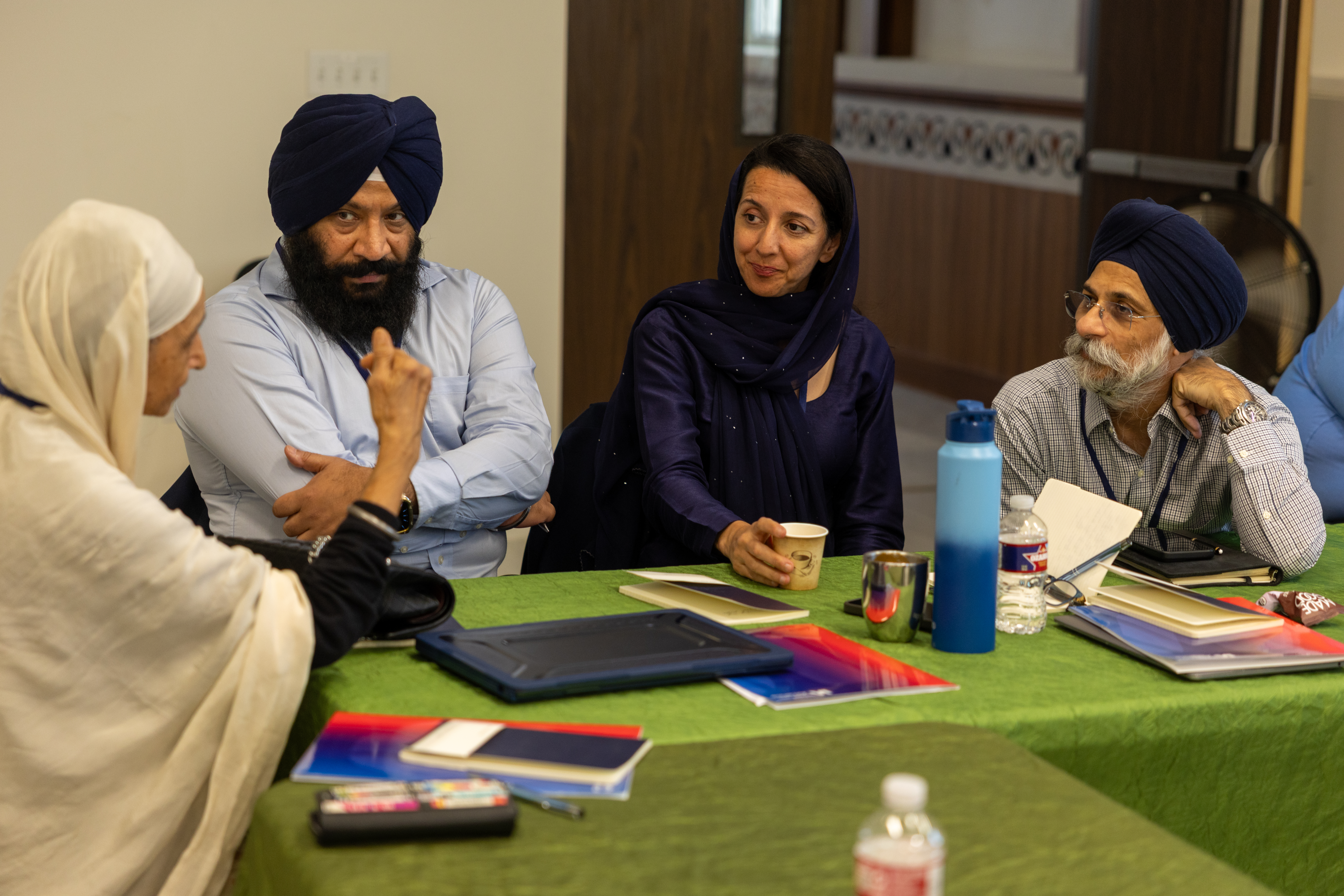
For roughly 25 years, Interfaith America and its partners have built practical methods for leadership across difference — first in colleges and universities, and increasingly across corporations, civic organizations, and communities.
What We Have Learned
- CEOs do not need another statement. They need systems that help people work together when the outside world is divided.
- That means equipping managers to navigate identity, disagreement, and disruption by leaning into shared values.
- It means building clear norms, fair processes, religious and belief inclusion, bridge-building practices and metrics that show whether trust is actually increasing.
The Bottom Line
The CEO mandate is not to become America’s pastor, politician, or professor. It is to build the conditions where people who disagree can still deliver together.
The companies that prioritize pluralism now will be better positioned to:
- Strengthen trust
- Unlock collaboration
- Reduce avoidable conflict
- Sustain performance in an increasingly divided world.
Our Take
The question is no longer whether pluralism belongs on the leadership agenda. It is whether organizations can afford to wait.
Dr. Zahra Jamal
Dr. Zahra Jamal, Director of Workplace Strategy, leads consultations and custom curricula on religious inclusion for companies. With a Harvard Ph.D. and 25 years’ experience, she advises governments, Fortune 500s and nonprofits on interfaith relations, social impact and organizational change.