
Every year, leaders from Fortune 500 companies gather at the Religious Freedom & Business Foundation’s “Dare to Overcome” Conference to explore how faith is good for business.
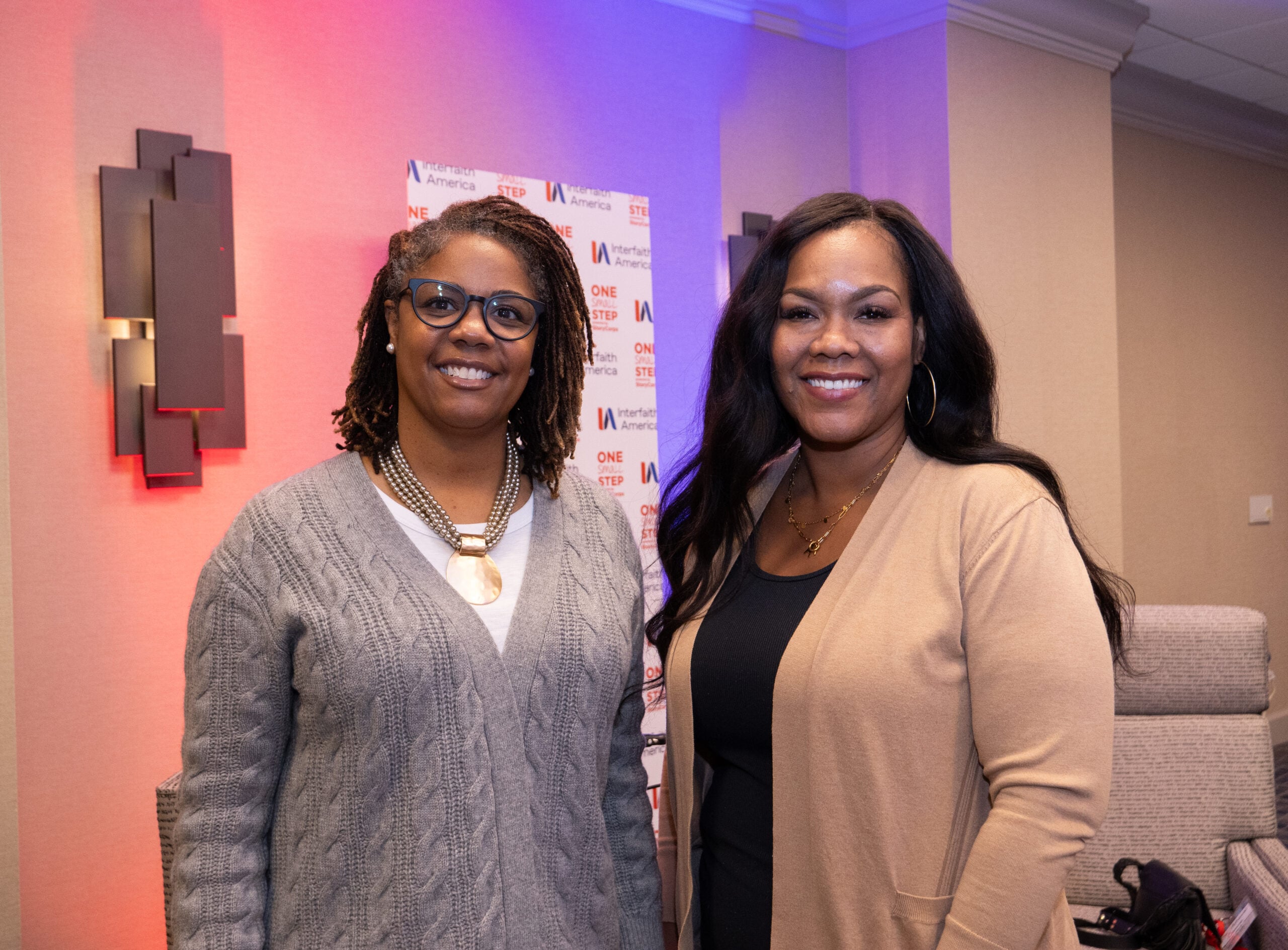
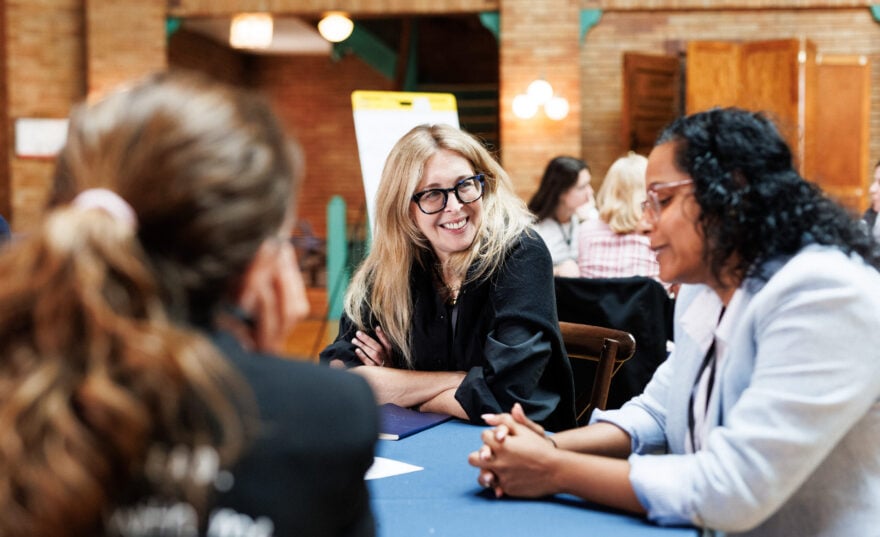
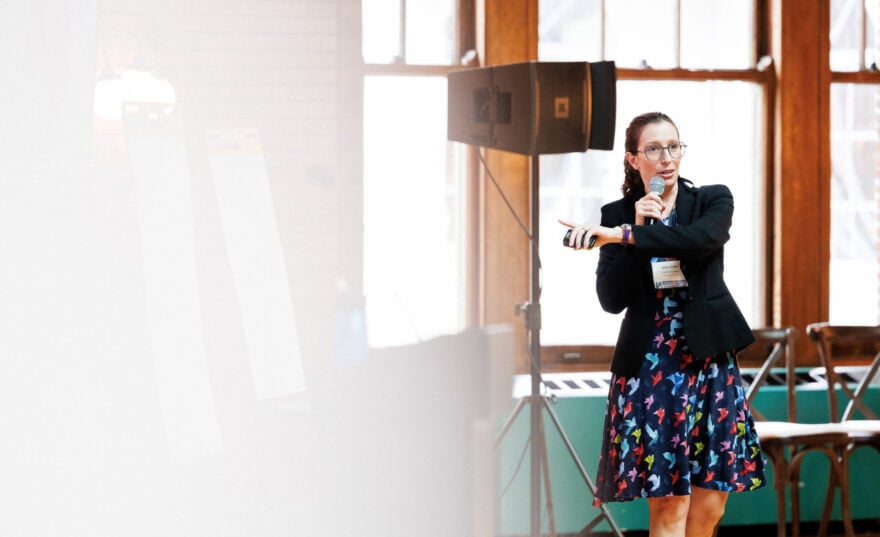
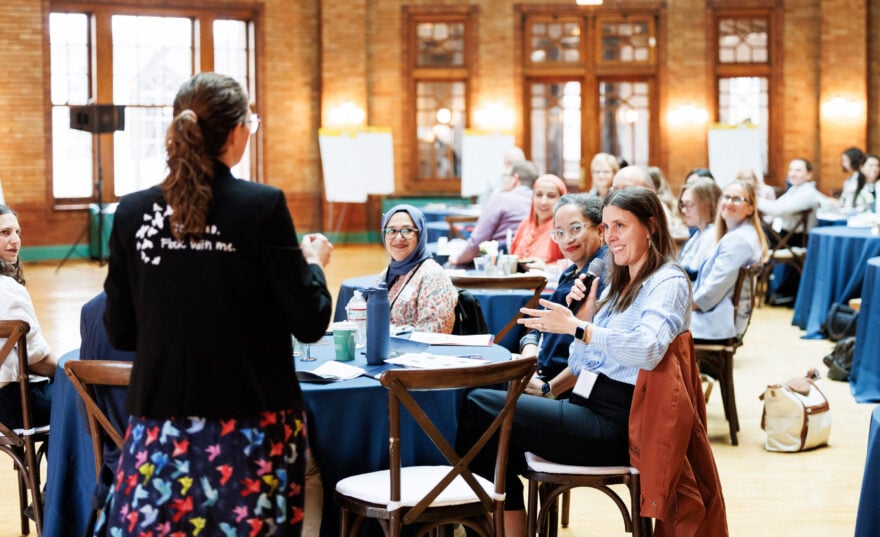
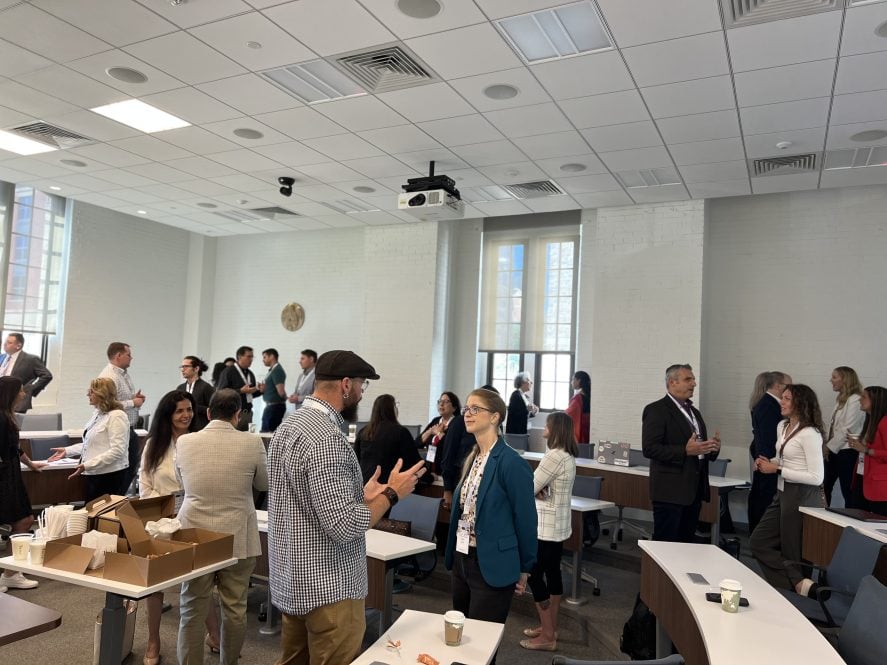
This May, Interfaith America hosted the first ever pre-conference session for leaders of Interfaith Employee Resource Groups (ERGs). Thirty-five participants from a variety of sectors — including retail, tech, pharmaceutical, finance, food service and more — spent the morning mapping their successes and challenges from the past year, testing out promising dialogue models they could bring back to their organizations and building relationships with one another.
Here are the top three successes and top three challenges they identified:
Successes
1. High Impact Events
Many Interfaith ERGs host signature events every year that bring their community together to learn and celebrate. This year, many ERGs hosted shared holiday celebrations across multiple faiths such as a “Season of Light” celebration in December honoring winter holidays, or a combined Easter, Passover, Eid and Holi celebration in the spring. Other high impact events included an interfaith panel titled, “What is Love?” showcasing reflections from diverse ERG members, an interfaith fasting event during Ramadan concluding with a shared Iftar dinner, a volunteer service day focused on combatting hunger, a co-sponsored luncheon with the Veterans ERG, a National Day of Prayer event and an Interfaith Summit showcasing high profile speakers. These events serve to inspire and catalyze existing members and recruit new ones.
2. Innovative Community-Building Encounters
ERG leaders create opportunities for ongoing relationship building encounters for their members. This year, organizations held regular networking and story-sharing events for members, hosted conversation circles for people with diverse views to explore a particular topic and build mutual empathy and worked together to support an international interfaith conference in the United Kingdom. Some organizations piloted new ways to bring their community together including hosting a podcast for members called, “How to Bring Your Faith to Work,” and creating an online platform for “on the spot” connections between members as needed for collaboration and support. Leaders shared that these encounters encouraged members to “feel comfortable being their authentic selves,” as they grow in their connections with one another and that members “don’t have to be religious to be an ally” as they continue to build an inclusive culture where all can belong.
3. Strategic Wins Amidst Challenges
Against the backdrop of global conflict and political divisions, Interfaith ERG leaders continued to expand the impact of their efforts through strategic activities. Leaders cultivated new relationships with executive sponsors, increased the number of events they hosted, expanded their membership, and highlighted how engaging religious diversity at work can strengthen business outcomes. Some examples include concentrating the calendar of ERG events for greater efficiency and impact, focusing ERG member meetings on team development and religious literacy, hosting an event at a local art museum to generate interest and increase community partnership, and raising awareness of diverse faith practices related to bereavement and successfully lobbying to include miscarriage and failed adoption as part of bereavement policies. For some ERG leaders, this was a year of rebuilding or launching their Interfaith ERG. They took strategic steps to lay the foundation for deep and meaningful work in the years to come.

Challenges
1. Leadership Fatigue
Interfaith ERGs rely on the time and talent of their volunteer leaders to create meaningful opportunities for connection and learning. Leaders mentioned the struggle to keep up with the demands of their ERG leadership role while fulfilling their business role; the pressure to prove the value of the ERG by hosting more activities; and the desire to cultivate a deeper bench of leaders and executive sponsors in order to prevent burn-out, bring in new ideas, and sustain the group into the future.
2. DEI Roll-Back
This year brought a new set of challenges related to the Trump administration’s executive orders seeking to end Diversity, Equity and Inclusion (DEI) programs in the public and private sector. Most Interfaith ERGs are supported by the DEI function at their organizations and when we met in May, there were live questions about how the executive orders might impact their ongoing interfaith work. Leaders were anxious about the uncertain climate yet committed to the cause. Many remarked that inviting people from all backgrounds to come together across lines of difference is exactly the work that is needed today.
3. Violence in the Middle East
The ongoing violence in the Middle East continued to impact the work of Interfaith ERGs over the past year. Some leaders grieved family members who were killed. Others shared that strong opinions and perspectives across their group members easily turned into arguments, and they found it difficult to maintain space for productive engagement when the conflict continued to escalate. For some, their members from different identities and loyalties felt an urgency to do something in response to the conflict and leaders had to discern how to move forward. One organization hosted an event to come together in memory of all who had died as a way to create space for shared grief. Another organization convened a conversation among colleagues with different perspectives with the goal of increasing empathy and understanding rather than changing minds. All leaders focused on caring for their diverse community members through this challenging time.
Interfaith ERGs play a critical role in building a culture of religious inclusion and collaboration at work. By bringing people together across diverse religious and non-religious traditions for common cause and shared learning, Interfaith ERG leaders model the kind of cooperation and understanding necessary for a thriving and productive workplace.
Megan Hughes Johnson is the Senior Director of Corporate Strategy at Interfaith America.