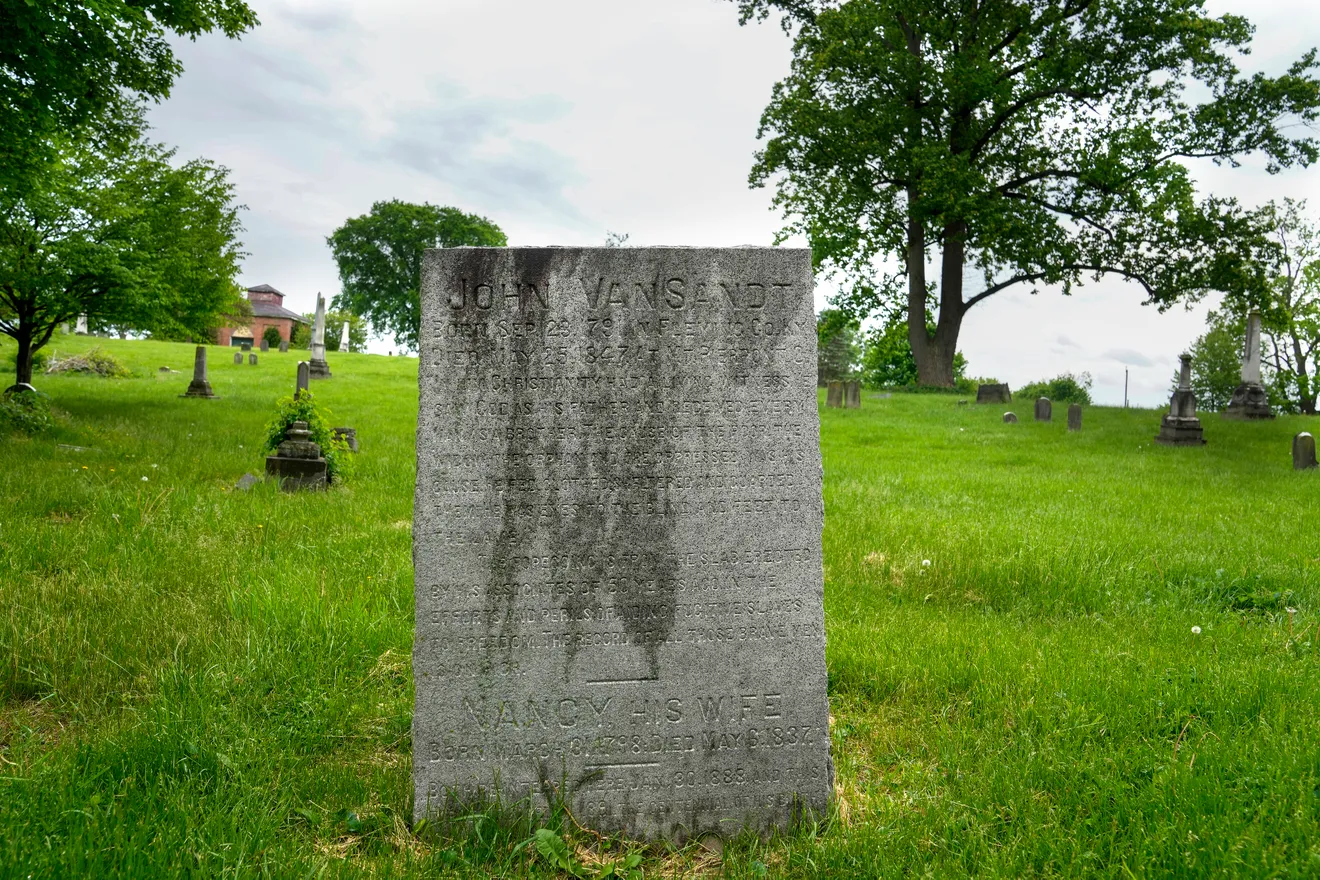
John Van Zandt was born in Fleming County, Ky., in 1791. He was a prosperous slaveholder until he had an “awakening of conscience,” freed the enslaved people he owned, and moved across the Ohio River to Glendale, Ohio, to join the abolitionist movement.
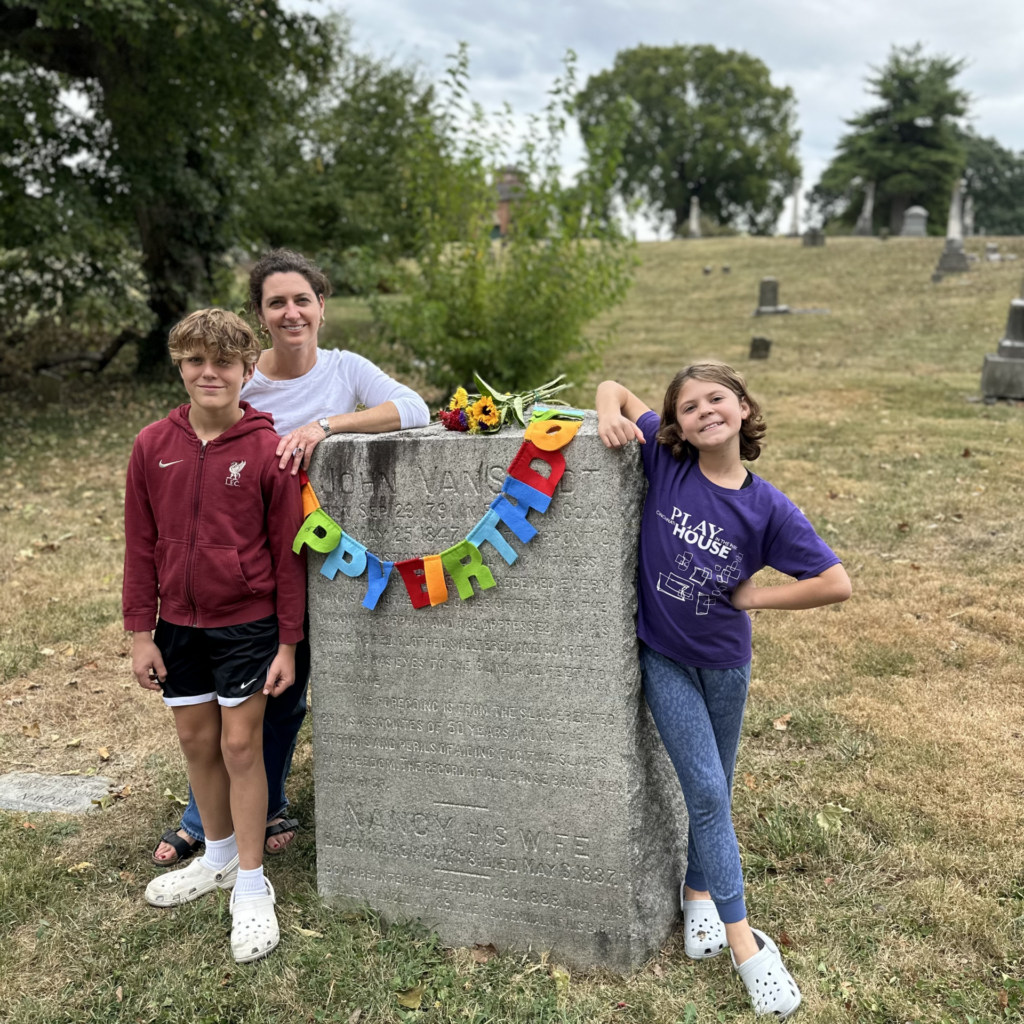
He was also my great-great-great-great grandfather.
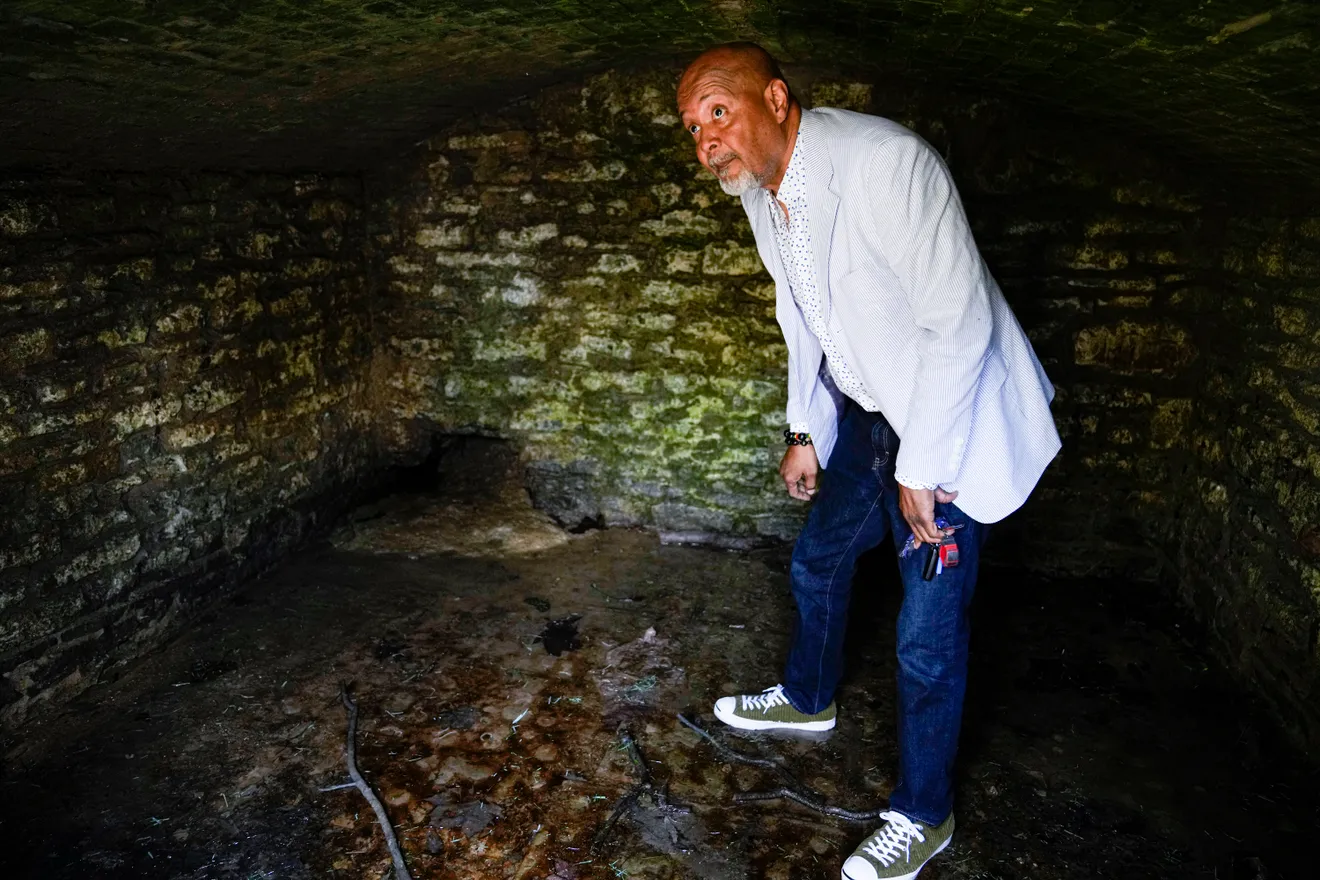
Van Zandt became a significant conductor on the Underground Railroad from his expansive property overlooking what was then a tributary of the Ohio River. Freedom seekers who successfully crossed the river from the slave state of Kentucky to the free state of Ohio would find shelter in the basement of his home; he is understood to have helped hundreds on their way north.
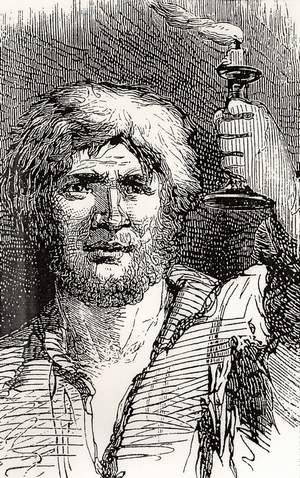
On April 22, 1842, Van Zandt was caught by his neighbors while transporting nine freedom seekers in the false bottom of his wagon. While eight of the individuals were immediately found and returned to their owners in Kentucky; one escaped. The owner of the man who escaped sued Van Zandt for property loss. The case was tried in the U.S. Supreme Court, Jones v. Van Zandt, 46 U.S. 215 (1847), where Van Zandt was defended by future Chief Justice Salmon P. Chase, who used the case to challenge the constitutionality of slavery. Van Zandt lost unanimously as the Court upheld the Fugitive Slave Act of 1793 and affirmed the federal protection of slavery.
His case led to the creation of an even more punitive Fugitive Slave Act of 1850 with increased punishment for individuals in free states who aided escaped enslaved people. But, his case also laid the foundation for future arguments about the incompatibility of slavery with the U.S. Constitution and eventually for the equal citizenship protections of the14th Amendment.
Harriet Beecher Stowe, likely a close confidante and ally in the abolitionist movement in Cincinnati, paid tribute to John Van Zandt a few years later in her seminal anti-slavery novel “Uncle Tom’s Cabin” through the character named John Van Trompe.
Van Zandt paid the ultimate price for doing what was right. He was excommunicated from his church for what the congregation called “immoral and un-Christian conduct”; the legal struggle cost him his land, his livelihood, and his family — his 11 children were sent to live with relatives — and he died in prison later that same year.
John Van Zandt is my pluralism hero because he did the right thing even though it cost him everything.
“It is a simple duty of every man, and certainly of every Christian, to extend a helping hand to the down-trodden and oppressed, no matter whether of the house of Ham or Japhet.” – John Van Zandt
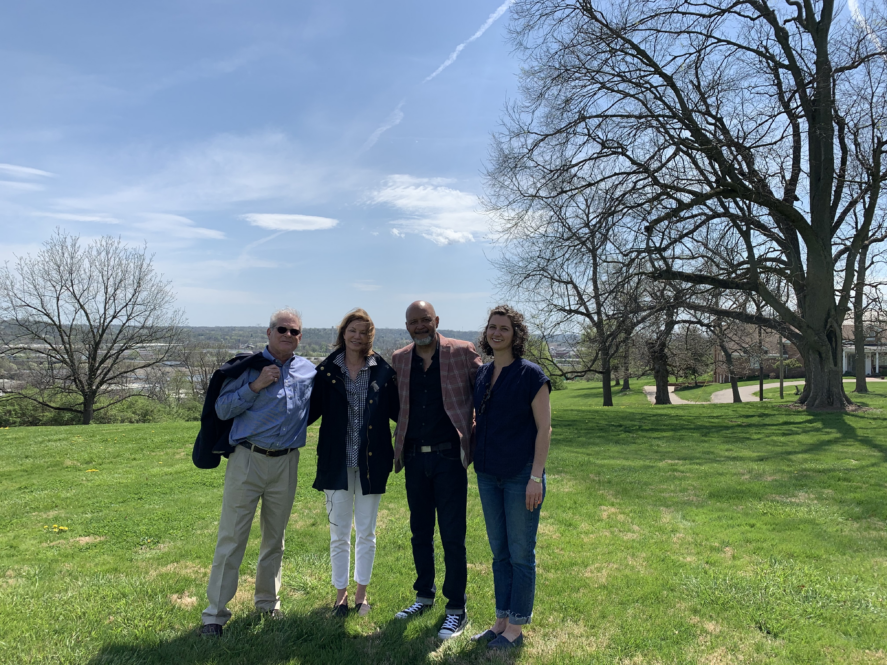
I first heard the name John Van Zandt when I was a child growing up in California. I knew from a young age that my mother’s family was from Roachdale, Ind., and I even visited the graves of several generations of my mother’s family buried in Roachdale Cemetery with headstones dating to the mid-1800s.
When George Floyd was murdered in Minneapolis in 2020, his death sparked a national conversation about the longstanding evil of racism in our country. My church had recently joined an initiative called Becoming Beloved Community and we were in the early stages of our racial justice journey. In one of our sessions, a memory came back to me about an ancestor in my family tree who was part of the Underground Railroad. I searched for information about him for several months and hit dead-ends until I met Bill Parrish, the Executive Director of the Eckstein Cultural Arts Center in Glendale, Ohio, who had written a book about the “underground community” in Glendale. Bill generously took me under his wing and introduced me to my ancestor. I now live in Cincinnati and was surprised to learn I was only a few miles from Van Zandt’s former home.
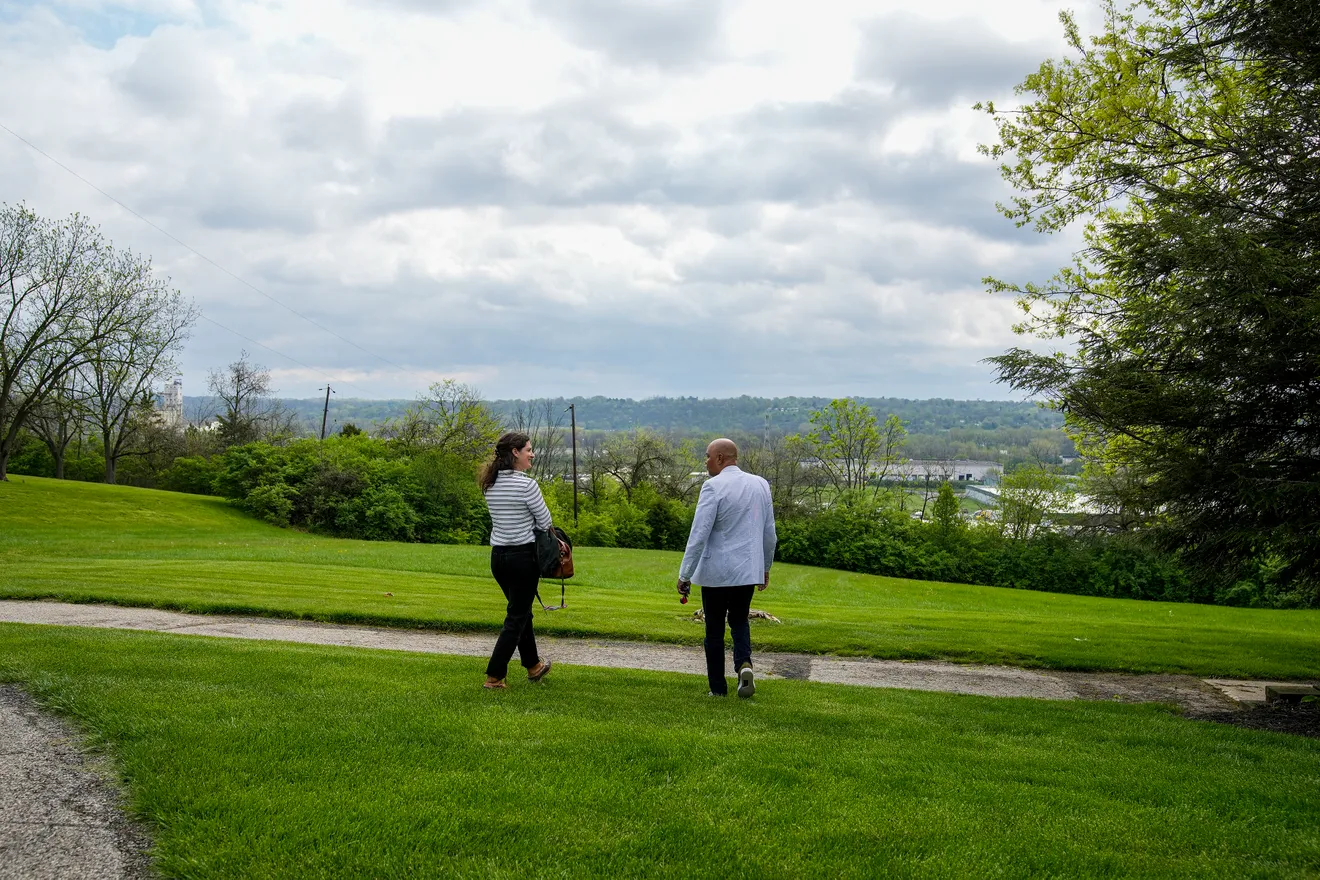
I remember the first time Bill took my parents and me to visit John Van Zandt’s property. As I stood on the hillside looking out over the Ohio River Valley, I took off my shoes and dug my toes in the dirt. I thought about the many freedom seekers who passed through the tunnels directly under my feet on their way north and imagined the moments of relief and terror they must have experienced. It felt like sacred ground.
His deep Christian faith and moral conviction inspire me to root into my own and to look for ways to support freedom and belonging wherever they are absent.
I wrestle with John Van Zandt’s sacrifice today. It cost him everything to do what he knew was right. Do I have a sliver of that courage? His deep Christian faith and moral conviction inspire me to root into my own and to look for ways to support freedom and belonging wherever they are absent.
Megan Hughes Johnson
Megan Hughes Johnson, Senior Director of Corporate Strategy, lead the team in expanding Interfaith America’s presence in the corporate sector and cultivating IA’s business leader network.