The U.S. Department of Defense has reduced its list of officially recognized religious affiliations from over 200 to 30 — and has drawn controversial lines on who belongs under the definition of “Christian.”
Who’s Talking?
Religion News Service reports that the Department of Defense is updating its religious definitions, including slashing the list of recognized religious groups from 200 down to 30. The change gets rid of pagan, deist, and other spiritual traditions. Announced May 20 via a memo from Undersecretary of Defense Anthony J. Tata and slated to take effect within 60 days, the change was not public until military.com reported on it June 4.
Utah Senators Mike Lee and John Curtis, both Republicans, questioned why the Church of Jesus Christ of the Ladder-day Saints (LDS) was initially not included as a Christian denomination.
Curtis posted on social media: “Latter-day Saints are among the most patriotic, service-oriented individuals in our country. They are also unequivocally Christian — just look at who is in the name of the Church.”
After their complaints reached the Pentagon, the revised how it labeled “Christian” denominations and eliminated the category of “Christian-other.”
Why It Matters
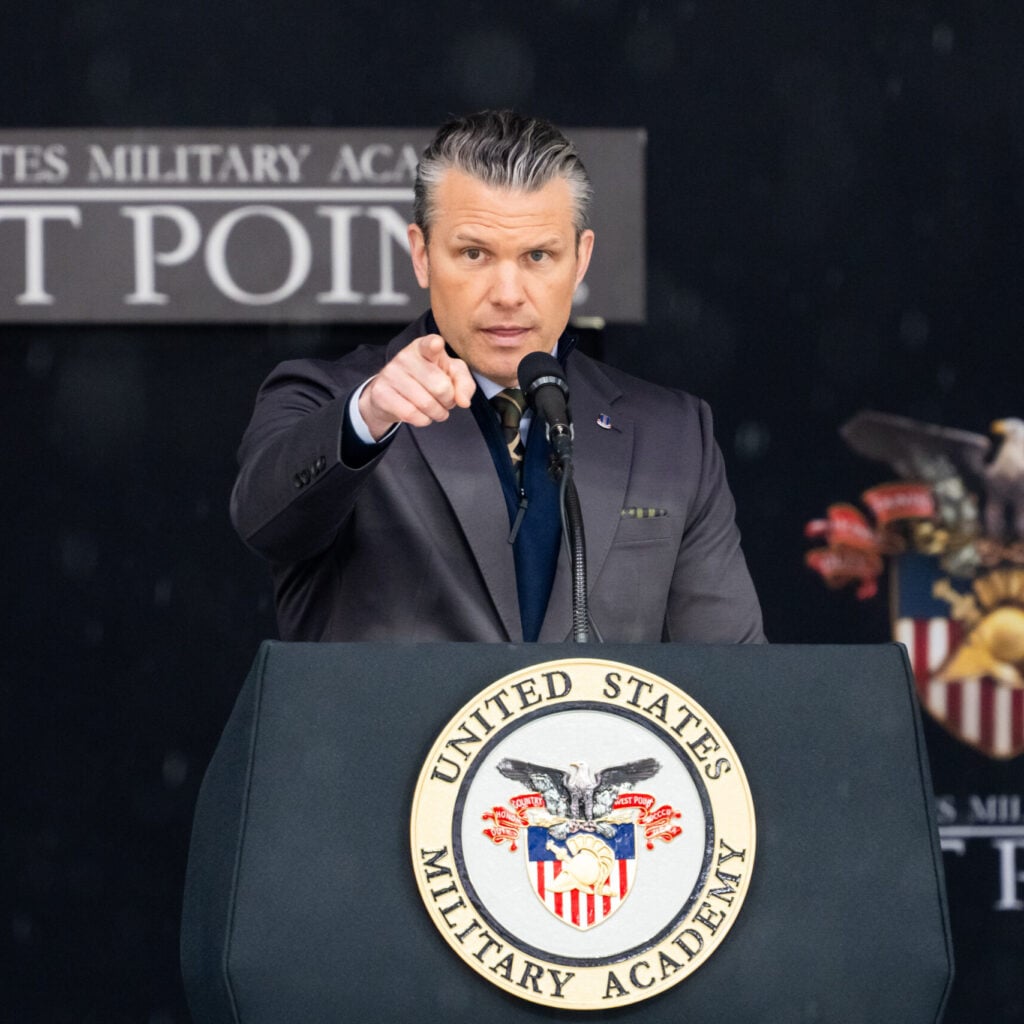
The Defense Department has been changing military protocol in ways that emphasize Christianity and downplays the contributions of other faith traditions in the military. This includes a new approach to prayer services at the Pentagon, updating the chaplaincy program, and Secretary of Defense Pete Hegseth’s own rhetoric of using Christian scripture as a justification for the war in Iran. For good measure, he also compared journalists to Pharisees.
In an interfaith, pluralistic country, prioritizing one interpretation of a religious faith above others — and attempting to define the parameters of such a faith — can undermine the service of non-Christians in the military and stoke divisions among denominations that self-identify as Christians.

A Pluralistic Approach is Needed
Religious pluralism is needed as the Defense Department considers its next steps. Rather than lead with a single religious tradition or an ideological project, the Department should honor the service of Americans from all religious backgrounds. The Department should also be careful about drawing denominational lines in a way that could cause controversy and division among service members and the broader public. Policy focused on religion should respect diverse identities.
Our Take
Controversies such as this are the logical conclusion of an approach to religion and policy that seeks to promote a narrow range of religious interests at the expense of others. The Department’s narrowing of the list of religions excludes Deists and other religious groups who have contributed to making of America since its founding. In Arlington National Cemetery, there are over 80 symbols engraved in the headstones of fallen men and women who gave what Abraham Lincoln called “the last, full measure of devotion” for their country.
Now is not the time to pit the faith of Americans against each other or to draw lines of exclusion among our armed forces. More than ever, we need to unite around our common purpose and shared commitment to our founding ideals. Actions such as this tear away at the spirit of E Pluribus Unum that is necessary as we prepare for the 250th anniversary of our founding.