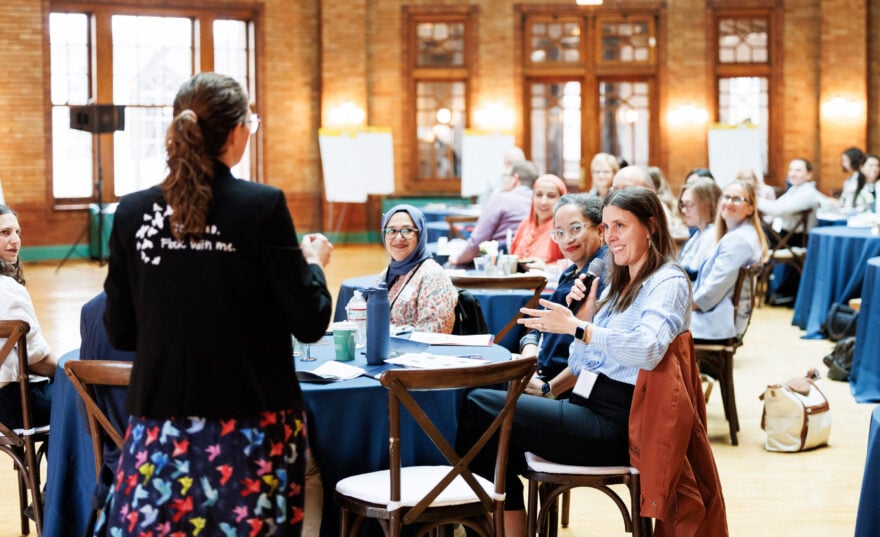
“We want you to connect with someone you don’t know,” Loggins Merrill told volunteers gathered at Inglewood Park in Salt Lake City earlier this spring. “Find someone, start a conversation, talk to someone that’s different than you, make a new friend.”
At a national moment shaped more by online discourse than neighborhood conversation, something as simple as a Saturday morning park cleanup can deepen our civic bonds.
The “Find Your Roots” Community Service Day offered neighborhood history lessons, genealogy, and park restoration projects, but the day’s biggest success was making neighbors of strangers.
Organized through intentional partnership across faith and civic groups, the service day was a collaboration between Merrill, a bishop in the Church of Jesus Christ of Latter-day Saints; two neighboring LDS wards; the Salt Lake City Public Parks Department; and the Emerald Hills Institute, a Salt Lake-based non-profit devoted to building inclusive community.
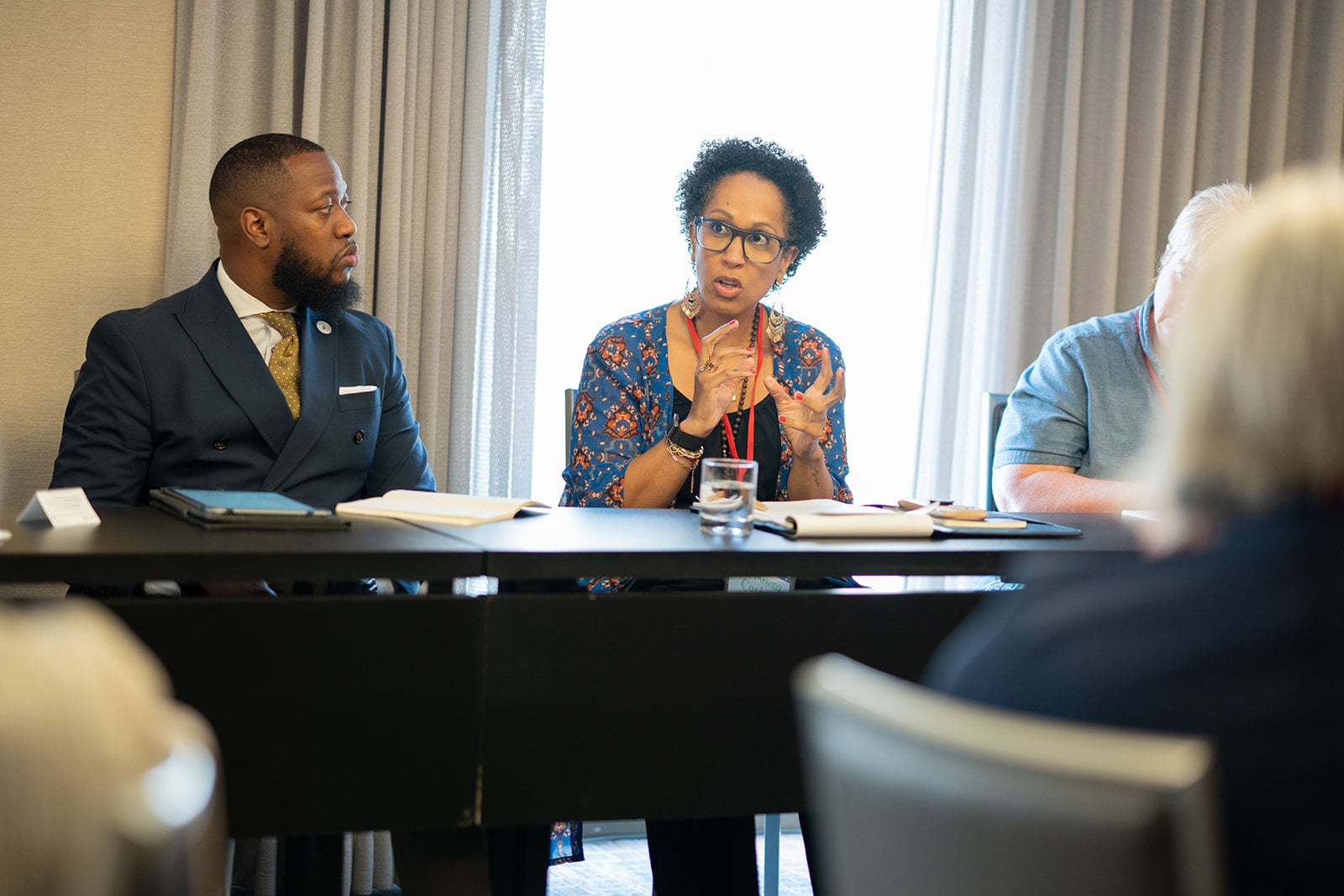
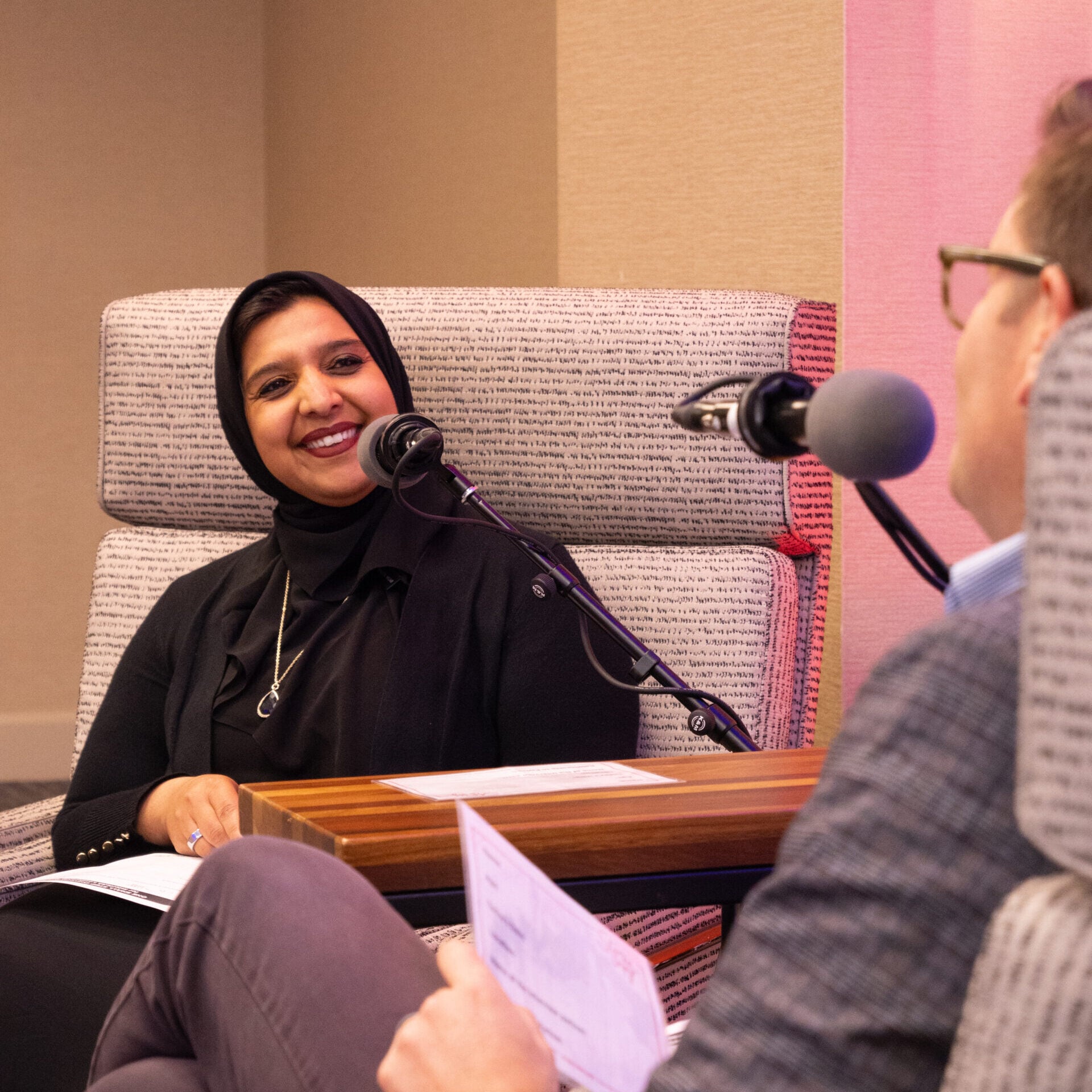
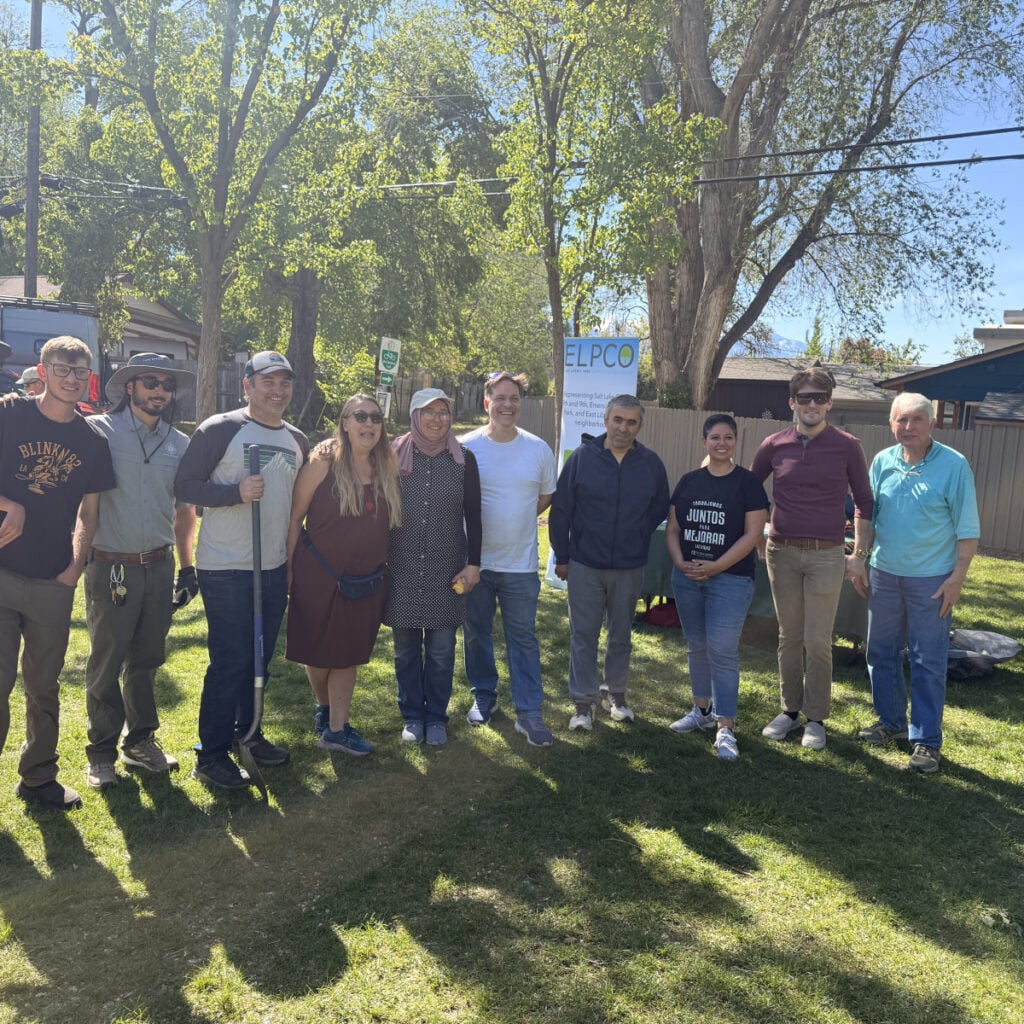
“Our differences are opportunities for connection,” said Emerald Hill’s chairwoman Zeynep Kariparduç a Muslim interfaith leader who coordinates the organization’s community engagement programs. She and Merrill met at a 2025 Interfaith America-hosted roundtable focused on pluralism and religious liberty.
“We quickly bonded over our shared dedication to building bridges between communities. Since then, we have been searching for a meaningful way to collaborate,” she said.
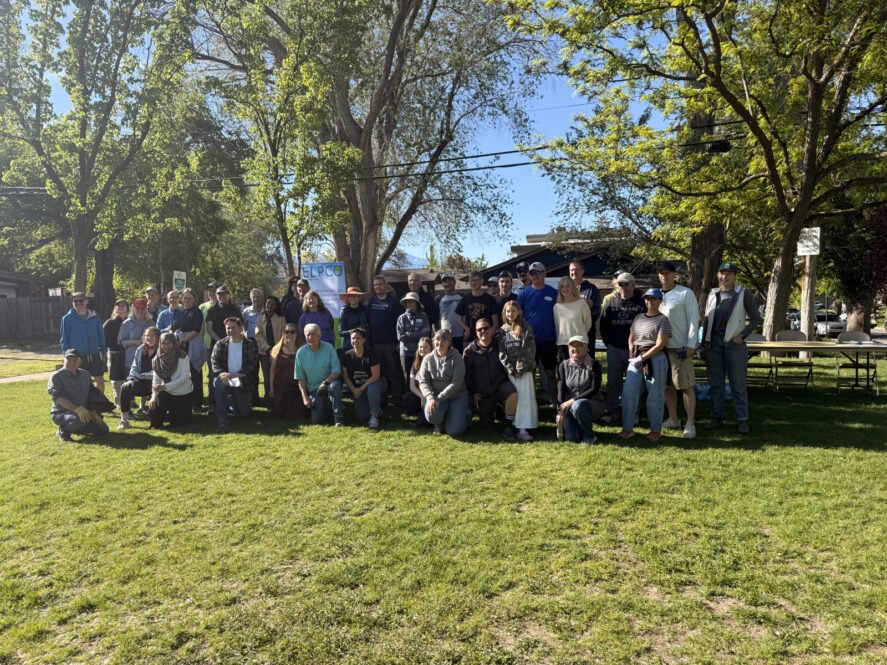
Their idea for collaboration evolved into a neighborhood-wide service project that drew more than 60 volunteers, including several elected officials, a young family eager to join after noticing the crowd during a morning walk, and a young adult on a mission to “go out and do some good,” who all pitched in to mulch, weed, and dig tree wells.
The Salt Lake City gathering is a testament to the shared value of service. Kariparduç’s faith tradition compels her to serve her neighbor and inspires her organization to “see service not as an optional act of charity, but as a fundamental duty.”
Service to others is a big part of Merrill’s identity as well, and it’s central to his professional role as director of UServeUtah. He reflected on the benefits of experiential learning in building understanding across lines of difference:
“Through a shared experience, we have things that stick with us longer and deeper, and so as we serve together, it opens up opportunities for conversations.”
“Through a shared experience, we have things that stick with us longer and deeper, and so as we serve together, it opens up opportunities for conversations. It’s an equalizer […] and it opens up this opportunity to see other people and get to know them.”
Local efforts to reflect on the past and build for the future are significant this year, as America marks its semiquincentennial anniversary.
In partnership with the East Liberty Park Community Organization and FamilySearch, an LDS-sponsored genealogical society in Utah, the service event was also a space to share in the history of place and explore family ancestry — a measure that individuals and communities across the country are taking to connect their own stories to the nation’s 250-year history.
“Exploring family stories reveals a universal truth,” Kariparduç said. “Most families, regardless of their faith or background, moved here seeking the same things: safety, opportunity, and a place to grow. As we saw during the Community Service Day, understanding the history of a place naturally leads to a desire to care for it.”
The neighborhood hopes to build on the momentum generated by this project for upcoming neighborhood events, which will include an interfaith America’s Potluck gathering on July 5 and a festival later this fall.
Events like this shape Merrill’s outlook for the future.
“When I look more locally, there are a lot of good things going on, and there are a lot of good people,” he said. “There’s people out there that love each other, and there’s people that are going above and beyond, trying to help you out, and trying to be nice and kind […] I look closer, and that often gives me a lot of hope.”