In recent years, we have seen rising violence, loneliness , and polarization continue to harm both institutions and communities. In response, Interfaith America, YMCA of the USA, Catholic Charities, and Habitat for Humanity International decided to act, and the Team Up Project began.
In 2023, Team Up set out with a bold and timely mission: bring 10,000 people together across differences through shared service and shared purpose — and keep growing from there.
By equipping local organizations with tools, support, and funds, Team Up has not only met but surpassed this goal. We help communities build trust and connection across difference through service and elevate examples of people working side by side across lines of difference, using storytelling and shared learning to show what’s possible when communities collaborate.
Today, Team Up is not a rigid, one-size-fits-all model. It is a national framework and tested set of approaches that communities shape to fit their context. Today, we have clearer guidance, stronger tools, and a growing body of evidence for what turns meetings into relationships, and relationships into community-level change.
What has Team Up accomplished?
- Awarded grants to 38 local sites, resulting in 49 bridgebuilding projects that served nearly 4,200 individuals
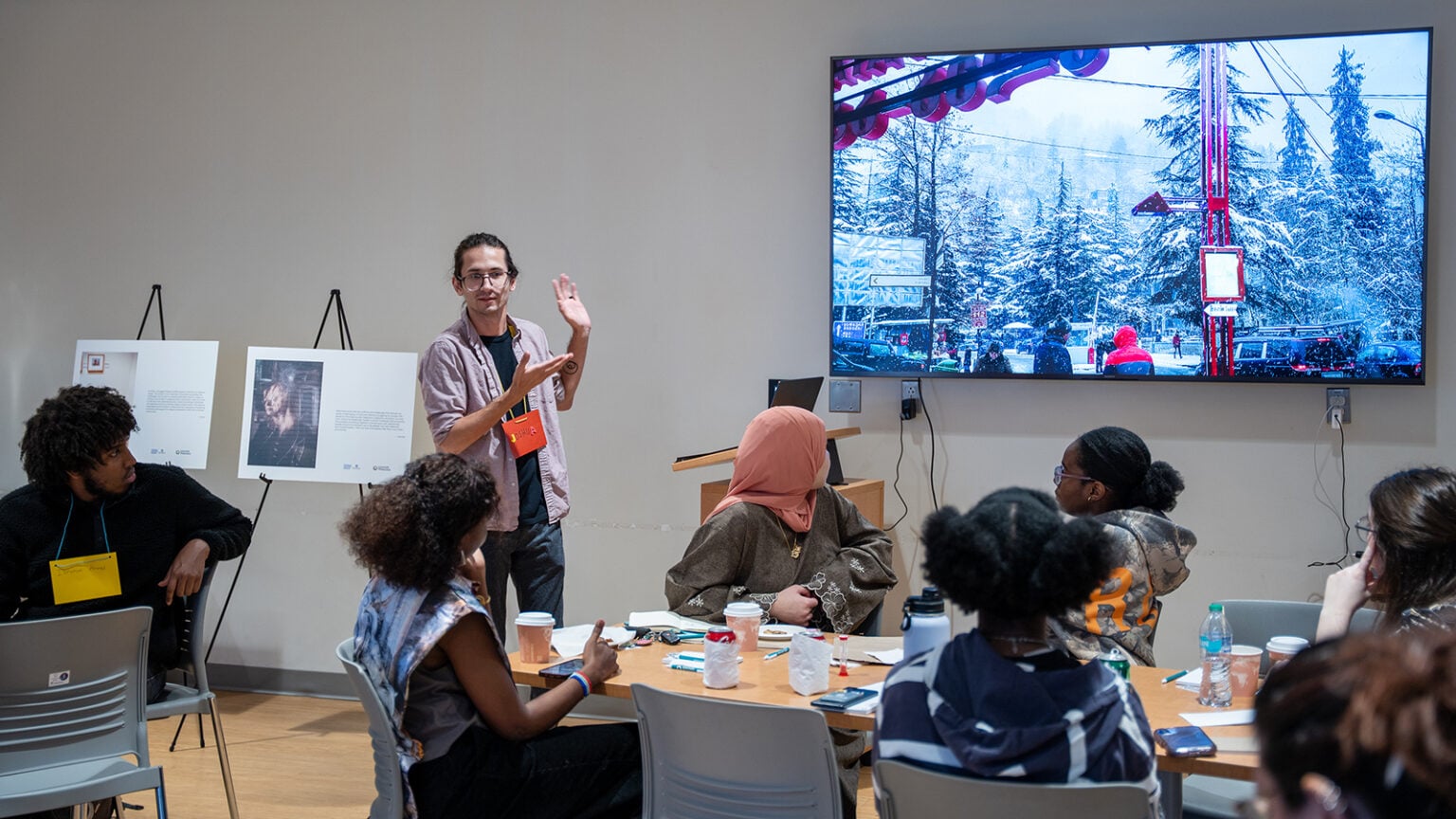
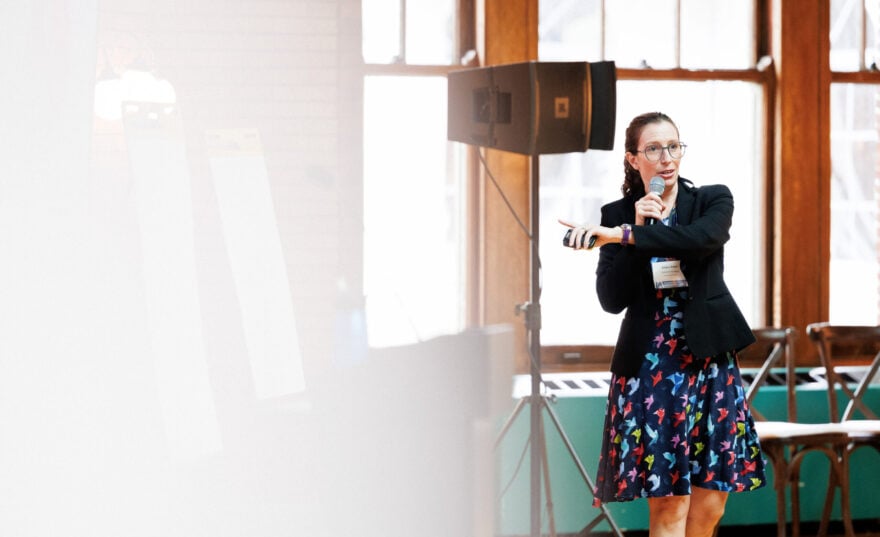
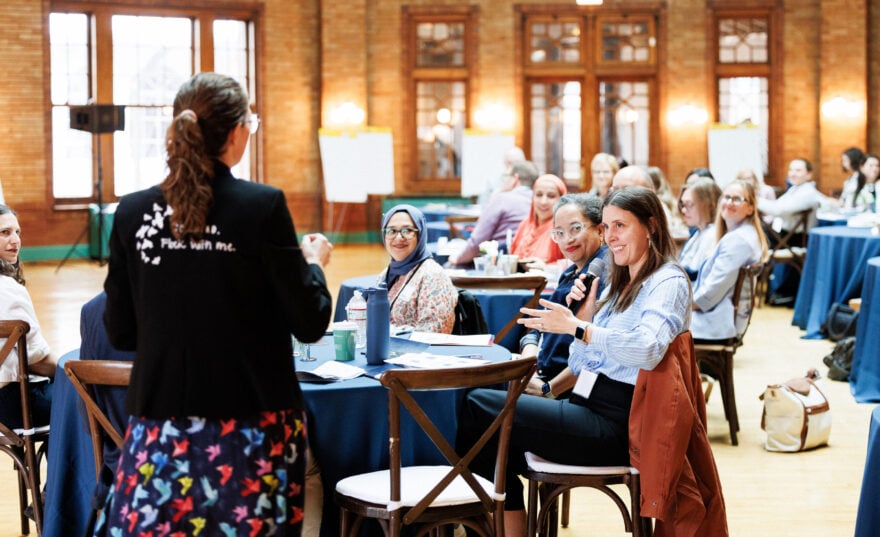
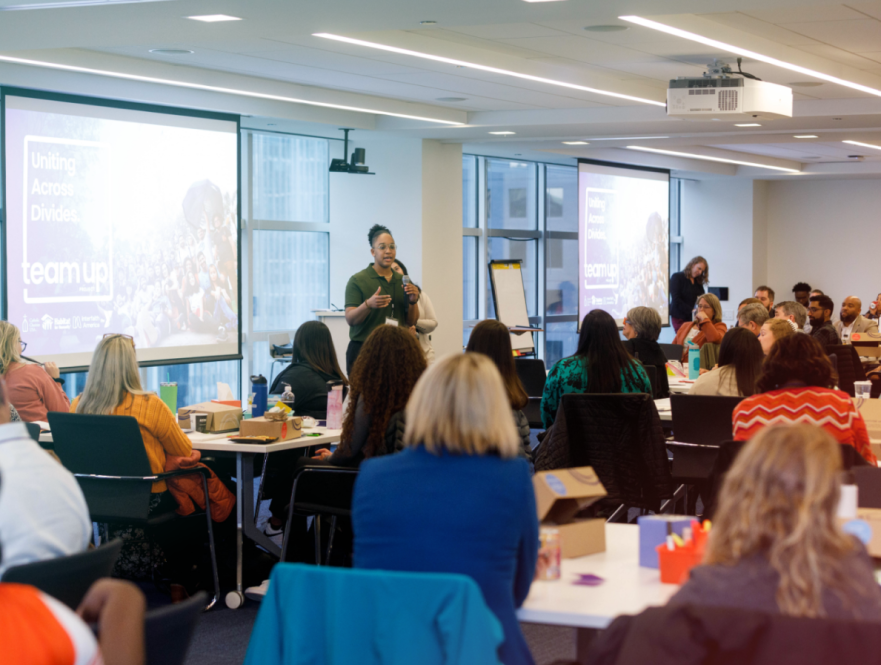
- Convened all grantees in Chicago for a relationships and skill-building summit
- Provided capacity building services to over 170 local organizations
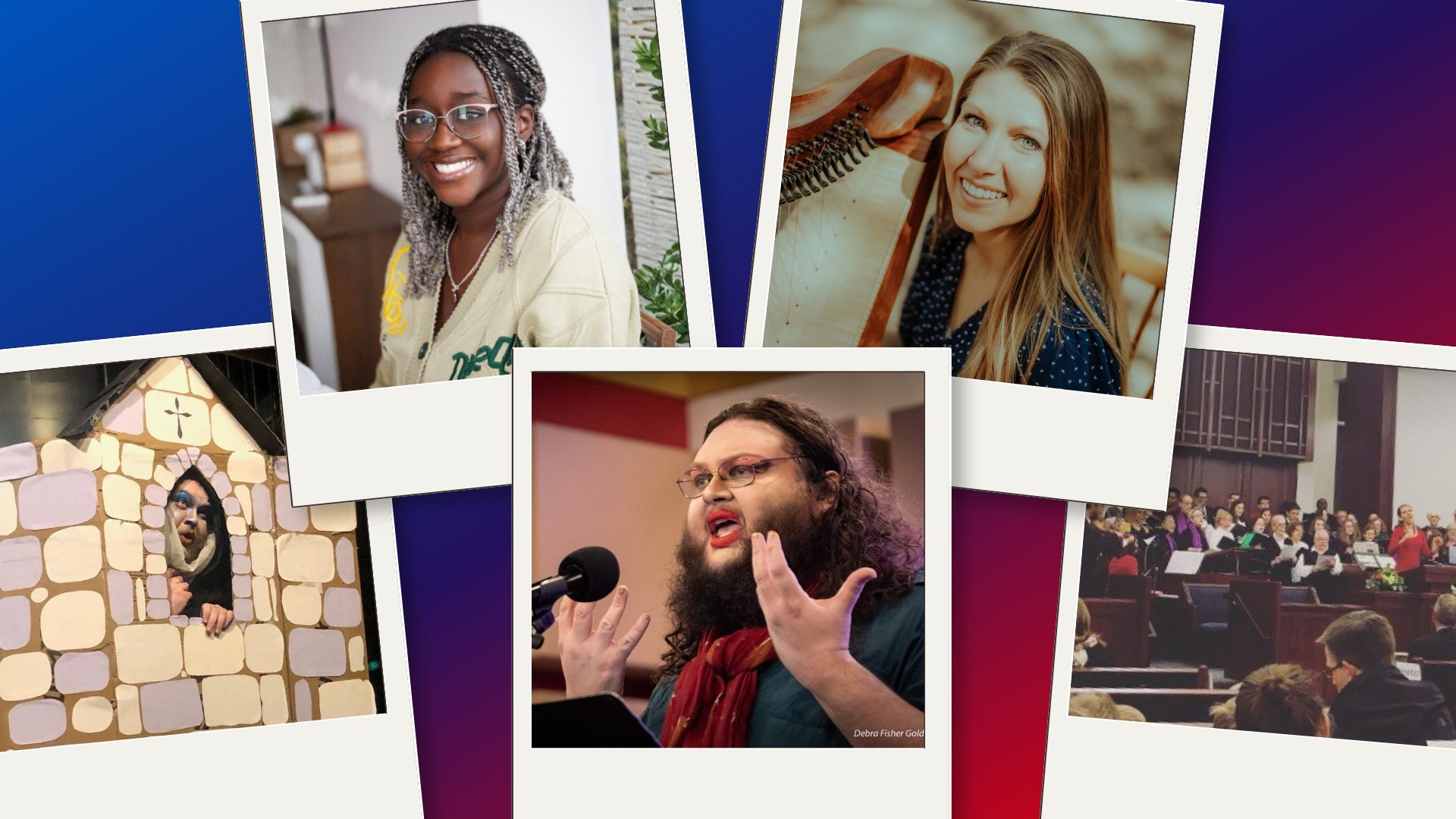
- Produced a national storytelling campaign, “Best of America,” that highlighted the stories of six Team Up projects from Greenville, S.C. to Santa Fe, N.M.
- Partnered with Ad Council on campaigns that generated more than 4 million pageviews and more than $12 million in donated ad media
- Worked as a team of four large, national organizations to gain clarity and embed bridgebuilding across our institutions
- Surpassed our goal of training 10,000 volunteers
What were the ingredients for success?
In Team Up’s first year, we tested pilot programs that brought communities together across divides to work on shared service projects, listening closely as communities added their own elements: hands‑on projects, small‑group conversations, and culturally-grounded practices that made everyone feel welcome at the table.
In Team Up’s second year, we built upon this momentum and expanded the network: We learned that bridgebuilding works best when treated not as one-size-fits-all but as a set of key principles: local organizers who are trusted and empowered, service as the entry point, structured reflection to deepen understanding, and repeated collaboration and interactions. If there’s one big takeaway from our second cohort of Team Up grantees, it’s this: research‑backed bridgebuilding strategies scale best when treated as design principles, not prescriptions.
Think of successful bridgebuilding not as a finicky loaf of sourdough, requiring specific ingredients and temperature, but as a warm pot of soup — seasoned to individual preference and adaptable based on what veggies are in season. And like any good soup, a strong base is necessary. Sites that anchored their work in a few core elements — and adapted them to local context — saw the strongest results.
Here are the elements that consistently worked:

1. Using service as the entry point
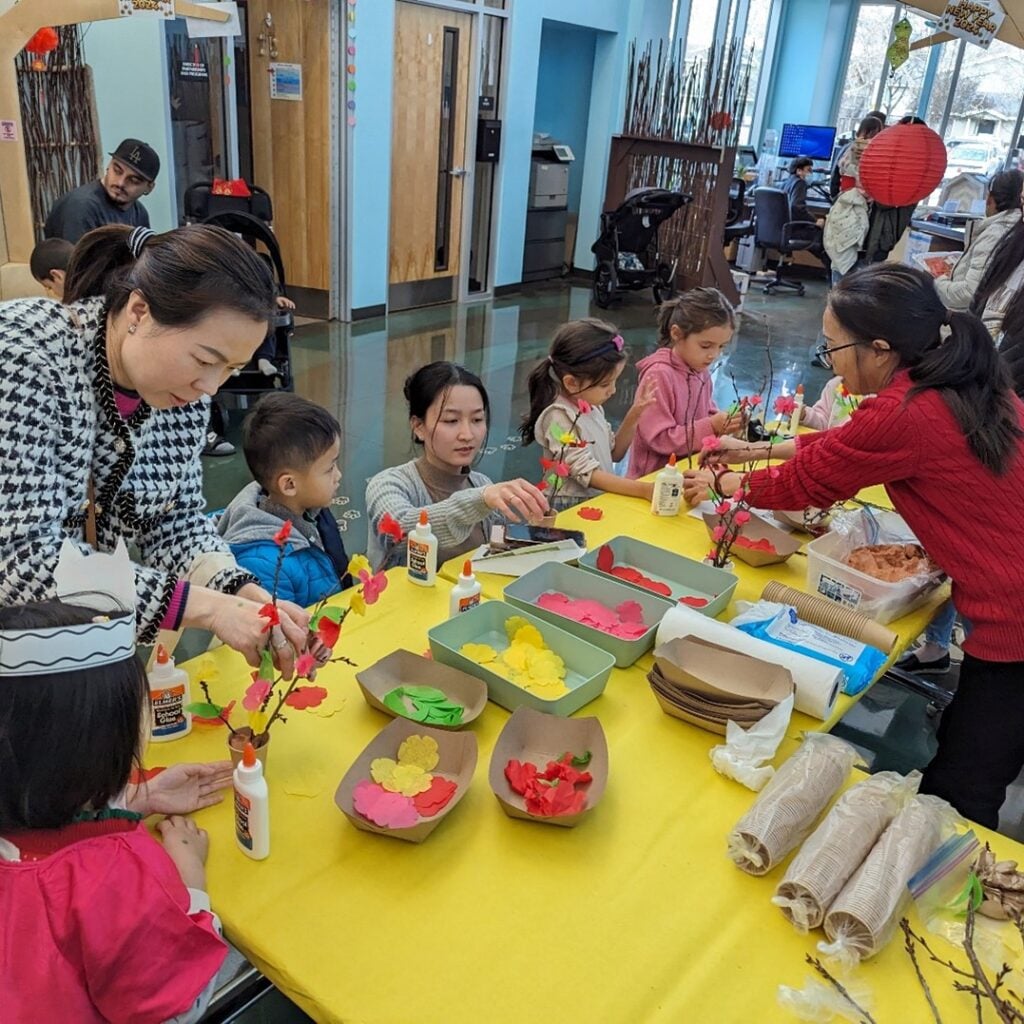
Hands‑on projects — building homes, gardening, neighborhood clean‑ups, cooking, tech trainings — created a natural way for people to connect. Doing something together changed the social dynamic before the conversation even began — it makes participation feel natural and engaging, creating a strong foundation for rebuilding trust and community building.
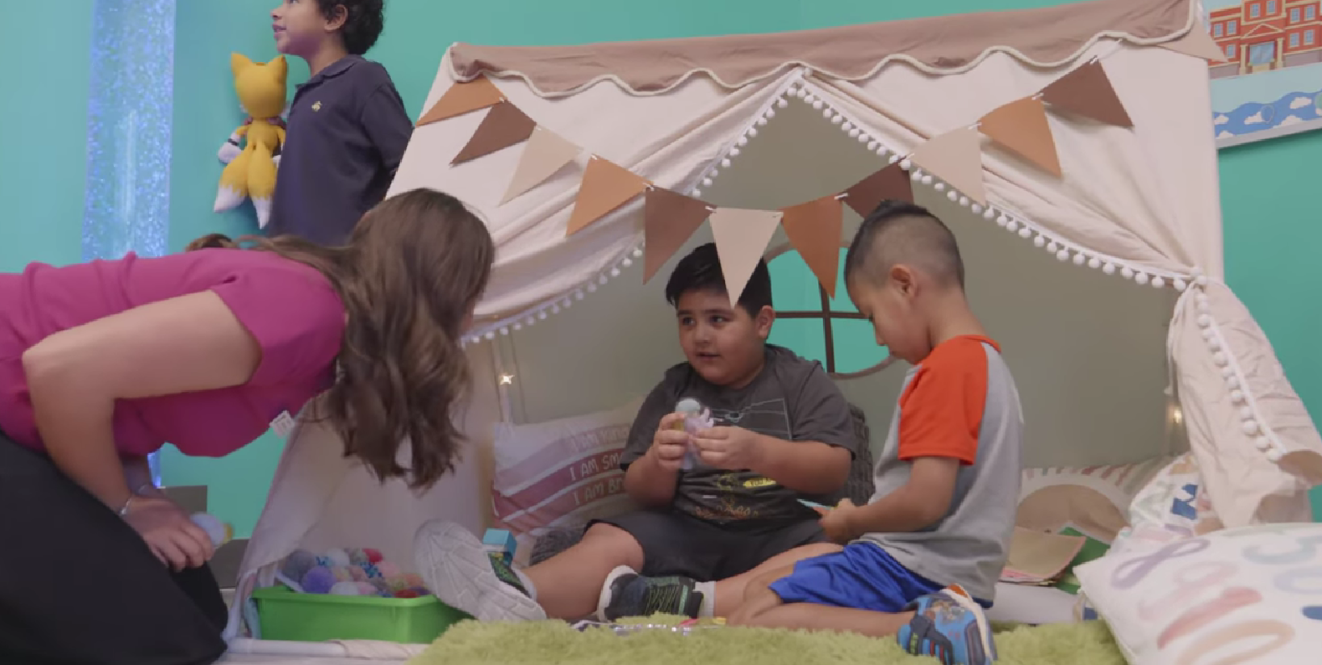
2. Accessibility and Inclusion is the Foundation (Not an Add‑On)
Accessibility showed up as the condition that makes bridgebuilding possible. That meant:
- Translating materials to ensure language access
- Hosting programs at neutral, welcoming and culturally appropriate venues. Catholic Charities Brooklyn & Queens focused their intergenerational project at a non-religious, neutral community garden that teens and older adults could all access.
- Ensuring participants with a variety of ability levels are able to participate fully. The YMCA in San Antonio updated their childhood learning centers to be more accessible.
- Meaningful representation (e.g., LGBTQ+ voices at the table) to avoid symbolic participation. Habitat in Chapel Hill, N.C. built sustained and meaningful relationships with the local LGBTQ+ community, A Rainbow Coalition, to plan a home build.

3. Partnership is Co‑Ownership
The strongest projects treated partners as co‑owners — not just supporters. We saw four roles, in particular, create momentum:
- Design partners to shape content and approaches from the start. The Juneteenth Home Build in Greenville, S.C. was designed by a dedicated Juneteenth Committee who met regularly.
- Reach partners (schools, senior centers, local conferences or associations) to expand participation and knowledge
- Credibility partners (local advocates, faith leaders) to build trust and spread the word. Uniting Against Food Insecurity in Omaha, Neb. relied on a deep partnership with faith communities at the local Tri-Faith Initiative.
- Resource partners (local businesses, staffing) to make the work possible. A summer camp in Albuquerque, N.M. partnered with a Church of the Latter-day Saints for both physical space and volunteers.

4. Skilled Facilitation + Reflection and Storytelling
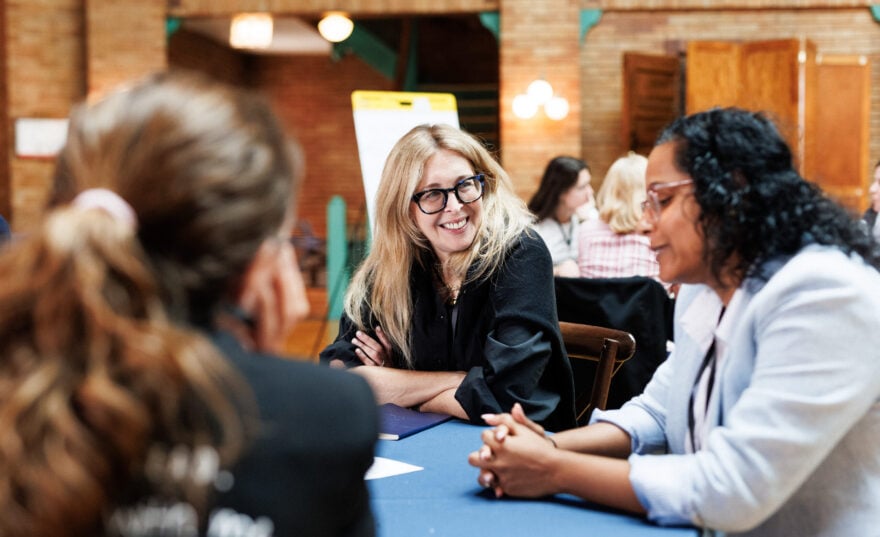
Facilitated dialogue gave people the tools to listen, share, and learn without escalating conflict. Reflection and storytelling deepened understanding and helped participants internalize what they were learning. Teams that built plans to prevent people from staying in comfort zones were the most successful. Small‑group mixing, cross‑table assignments, and rotating roles helped participants meet new people meaningfully. For example, an interfaith home build in Rockville, Ill. used discussion prompts and a prayer walk to provide opportunities for participants to meaningfully connect before and after their home build.

5. Equip the People Who Make the Work Possible
Bridgebuilding succeeded when the people delivering it felt prepared, supported, and confident. The most effective Team Up projects weren’t just well-designed — they were well‑facilitated. And strong facilitation doesn’t happen by accident. We learned that frontline staff and volunteers need dedicated training and tools — like facilitation prompts, checklists, or sample agendas — to feel grounded and fully present with participants.
One survey respondent said, “Volunteers gained a deeper connection to the community and a stronger sense of purpose by contributing directly to the [Team Up Project’s] success. Community members felt more engaged and included through their involvement, helping to build lasting relationships that extend beyond the event.”
Team Up works in red states and blue states, in big cities and small towns, with faith communities and secular partners. That’s because much of the model is adjustable. While we found the above steps key to creating a strong base, the work is most successful when it addresses specific needs and desires in your community. This means you can change the format, timeline, scale, partners, logistics, and much more according to your specific needs.

What is Next?
As Team Up grows from a promising initiative into a durable national movement, our path forward is shaped by all we have learned. Bridgebuilding is possible anywhere, but it thrives when the conditions are right. Today, we understand what many of those conditions are.
With clearer guidance, more refined tools, and our growing body of evidence, future cohorts will be able to start stronger and scale faster — without losing the local authenticity that makes the work powerful.
Our next chapter strengthens the social infrastructure that makes bridgebuilding possible, while sharing what we’re learning through stories, data, and partnerships.
If the last two years have shown us anything, it’s that people are ready for this.
People want to connect. They want to contribute. And when given the structure, support, and invitation, they show up. Already we see that 84% of grantees integrated bridgebuilding into programs that previously didn’t include it and 97% plan to continue their projects beyond Year 2, as‑is or with modifications. Numbers like that don’t happen by accident.
Team Up’s future is bright because it’s rooted in something enduring: the truth that we’re better together. The meal we’ve been cooking and the soup we’ve been stirring — carefully, patiently, with many hands — has come to a simmer. It’s warm, ready, and waiting for all of us.
And we can’t wait to see what we cook up next year.
Abbie Haug is Program Manager of National Bridgebuilding Initiatives at Interfaith America.