American voters gave Democrats control of both the House and the Senate, and much of higher education is reading the returns as a reprieve and a rebuke of the previous administrations actions. Public policy expert and scholar Shaun Harper has called on the incoming majority to make saving the Education Department an urgent priority and committee leaders expect to subpoena Secretary Linda McMahon and review how the department’s programs were scattered across the departments of Labor, Treasury, Health and Human Services, and Interior.
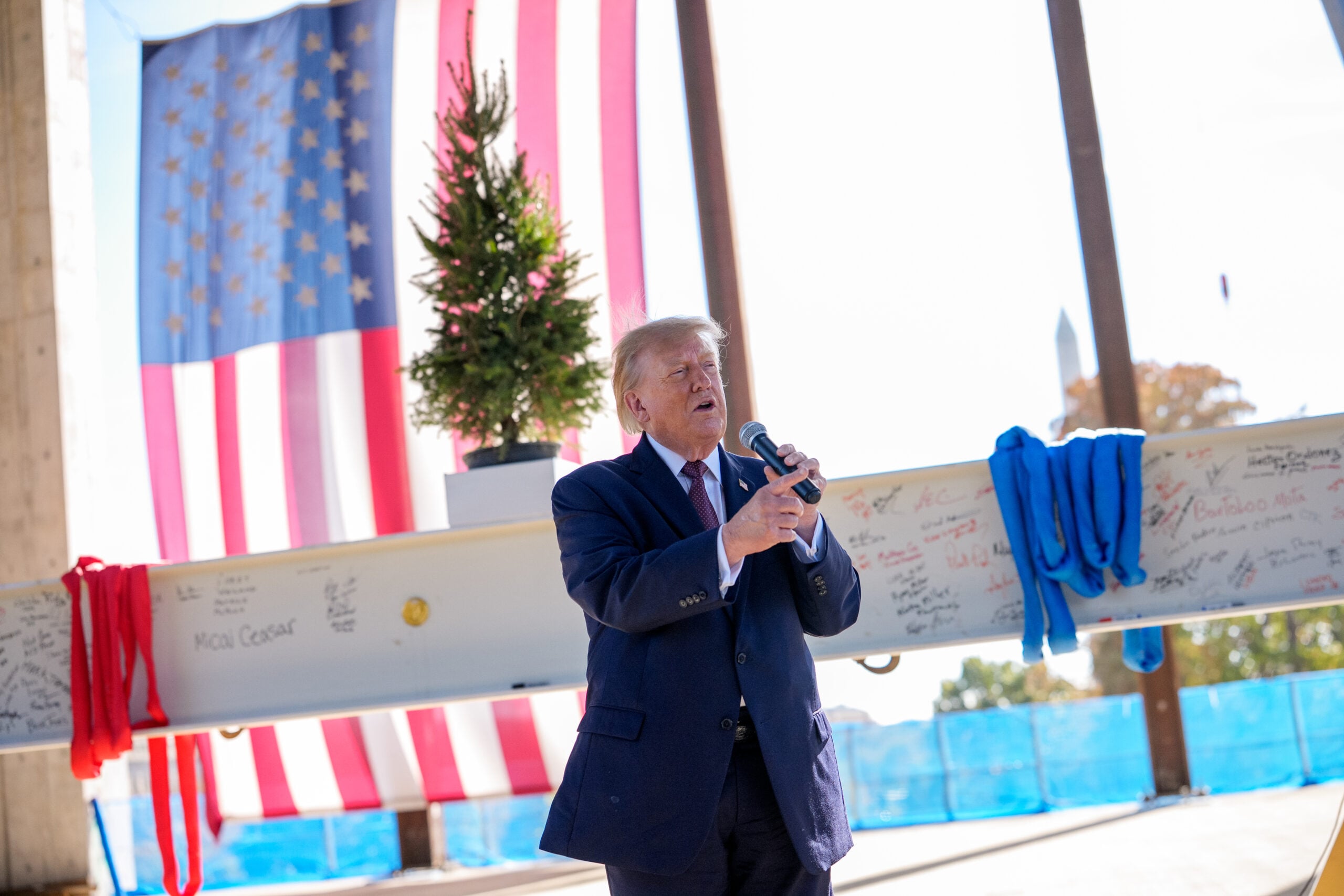
But one item on McMahon’s campus agenda still carries a due date before the new class of legislators will be sworn in. In August, McMahon issued an open National Call to Action asking every higher ed institution to post a statement on its website before the end of 2026 answering seven sets of questions on topics ranging from admissions to foreign influence. The third set asks how each institution will encourage “intellectual pluralism in all its academic units,” and it frames that question around a worry that disciplines “skew toward one side of the ideological spectrum,” with follow-ups on faculty hiring and research.
How is the federal government defining “pluralism,” and are they the ones best situated to shape that question for colleges and universities?
And that’s the key question: how is the federal government defining “pluralism,” and are they the ones best situated to shape that question for colleges and universities?
The letter is officially voluntary and does not name consequence for declining, but few campus presidents are reading it that way. The department’s deputy chief of staff even acknowledged that funding conversations would naturally weigh an institution’s commitment to these changes. Legal experts have told colleges that the greatest risk of silence is losing research dollars, while also warning that an answer the administration sees as misaligned could bring cuts or further investigations. Caught between them, most institutions have stayed quiet. The election results may make that quiet easier to keep. With subpoenas coming, many presidents may conclude that a question from a weakened administration can be left to expire.
I am not writing to tell anyone whether to submit an answer by December. That is each board’s call, and the funding questions — which the election did nothing to resolve — make it a hard one. The election was a reminder of how quickly power in Washington changes hands, and the new majority will bring its own ideas about what campuses should value, just as the current administration has. But when a word like pluralism gets attached to one side’s agenda, it becomes easy for that side’s allies to treat it as a loyalty test and for its critics to treat it as contaminated. In either case, the word can end up meaning whatever Washington says it means. A commitment adopted when one party controls Washington and abandoned when the other takes over is not really a commitment, and students can tell the difference.
Pluralism is… a practice that happens between people, and it asks them to respect one another’s deepest commitments, to relate across the lines those commitments draw, and to cooperate on work none of them could do alone.
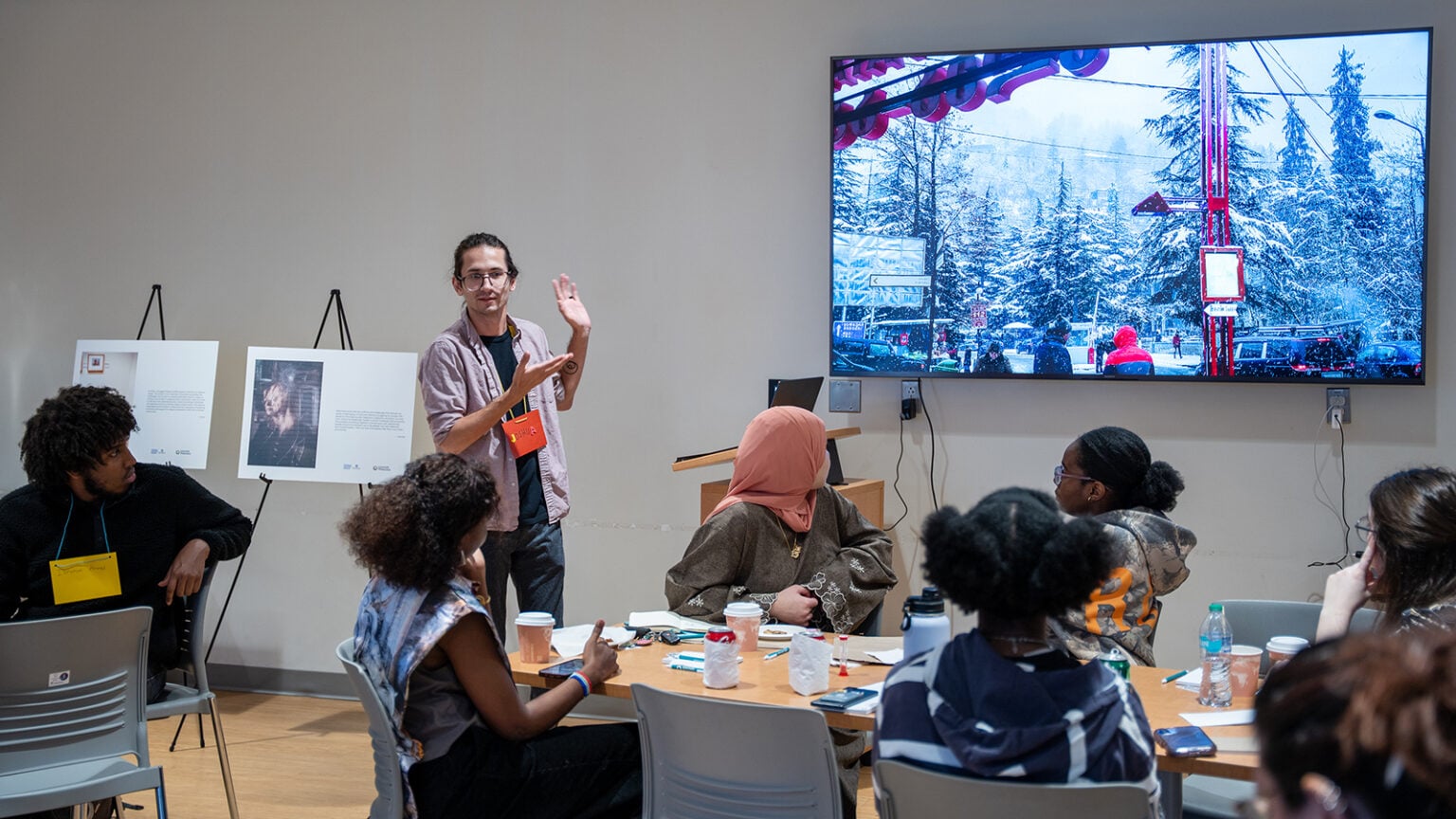
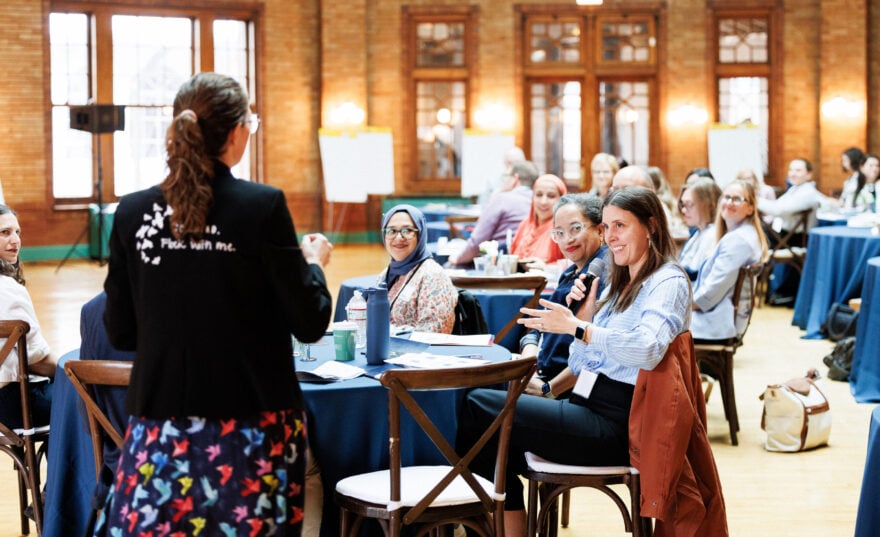
Pluralism is not just a distribution of viewpoints on a faculty roster. It’s a practice that happens between people, and it asks them to respect one another’s deepest commitments, to relate across the lines those commitments draw, and to cooperate on work none of them could do alone. It looks like an evangelical student and a secular student who end up co-leading a service project; a Muslim student association working out prayer space with a Catholic campus ministry office; or a progressive and a conservative in a seminar discovering they share a worry about the local town each had assumed was theirs alone. Faculty viewpoint diversity matters, but it is one ingredient of many. Religious and moral difference, which the letter never mentions, is often where students learn the most about living alongside people they cannot simply argue into agreement.
My own faith tradition has a name for why this work belongs to campuses. Catholic social teaching calls it “subsidiarity,” which holds that decisions belong with the community closest to them and that larger bodies exist to help smaller ones and not to destroy or absorb them. By that measure, the colleges themselves, and not any administration or congressional majority, are the right place to decide what pluralism asks of them.
On closer reading, the letter itself leaves room for this. McMahon writes that there is “no single template for academic excellence” and says she hopes to see institutions of many types, each with its own mission, issue their own declarations of purpose. Perhaps campuses could take her at her word on that point without accepting her account of the problem.
What I hope is that campuses keep saying, in their own words and in the places most meaningful to them, what pluralism means where they are — and I hope they do so whether or not anyone in Washington is reading.
What I hope is that campuses keep saying, in their own words and in the places most meaningful to them, what pluralism means where they are — and I hope they do so whether or not anyone in Washington is reading. A Catholic university might explain how its mission compels it to invite students of every faith and none into honest conversation about the common good. A public university might describe how it structures disagreement in residence halls and classrooms so that students practice living alongside neighbors they did not choose, just as they will in the future. A community college, whose classrooms often hold the full range of their region in a single room, might describe how a veteran, a recent immigrant, and a parent returning to school after twenty years learn to work through hard questions together. Any of these accounts would outlast a statement written to please whoever holds power this year AND serve to inspire the faculty staff and students reading them.
The election changed who will be asking the questions in January, but it did not change the fact that pluralism, if it is going to mean anything on our campuses, has to be something we define and practice ourselves.
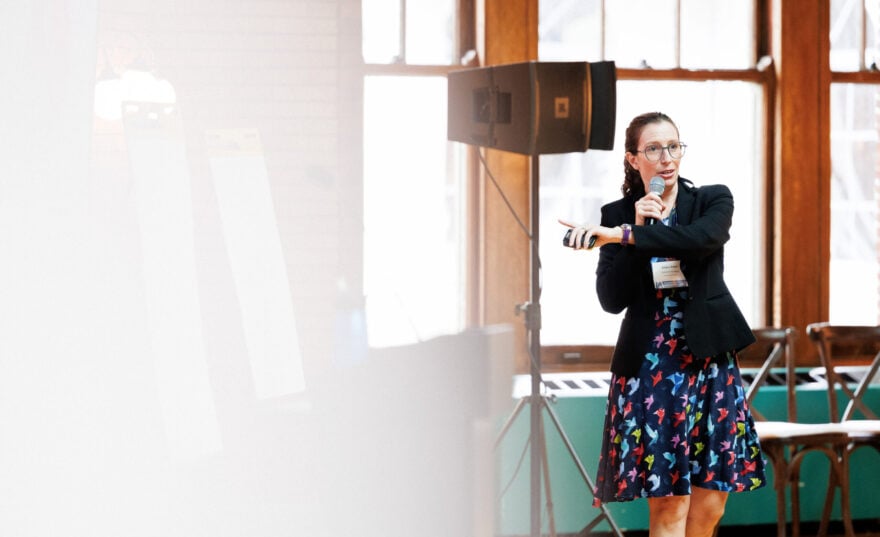
Susan Haarman
Susan Haarman is Director of Campus Partnerships at Interfaith America.