What is the role of art in a pluralistic society?
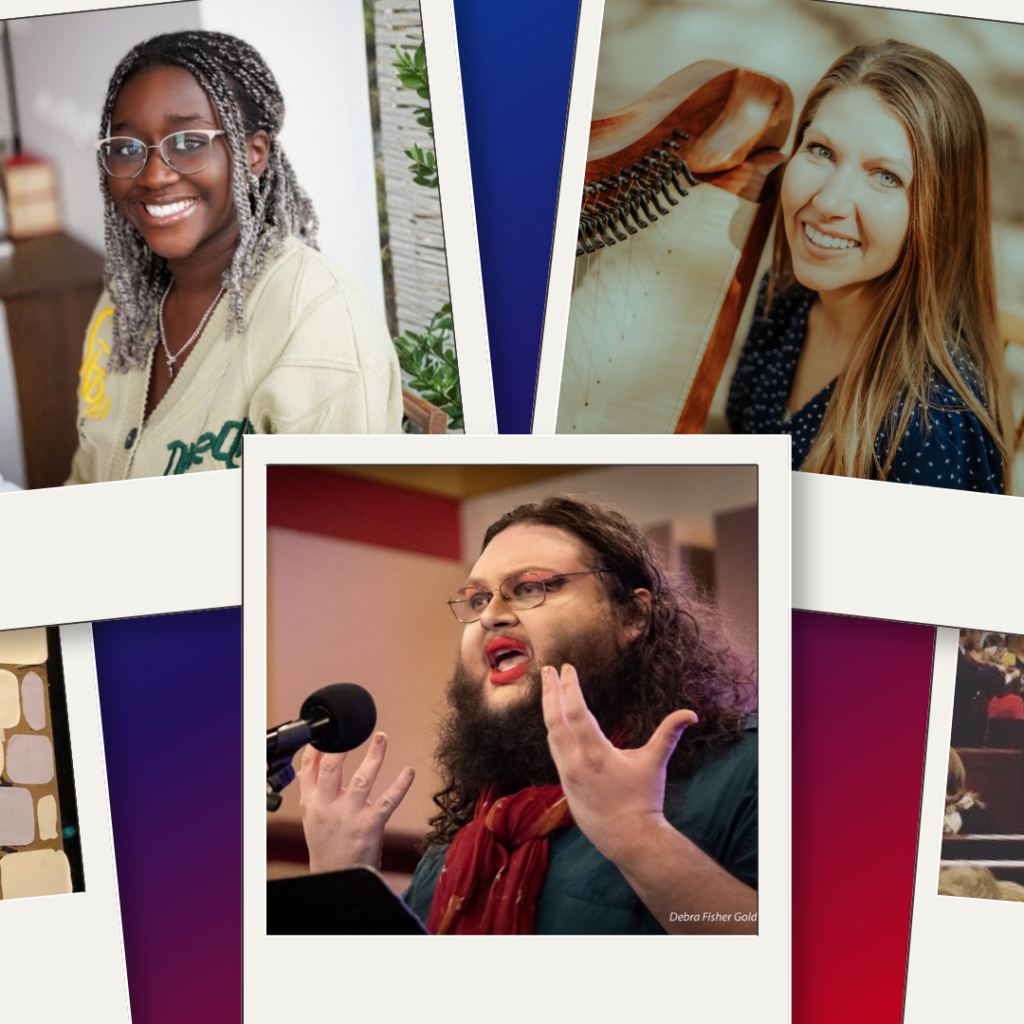
Interfaith America connected with three members of the Emerging Leaders Network, each of whom approaches interfaith cooperation through a different artistic medium. They reflected on how their faith traditions and engagement with other traditions shape their creative work, and how art can foster understanding, curiosity, and connection across lines of difference.
The Artist’s Life
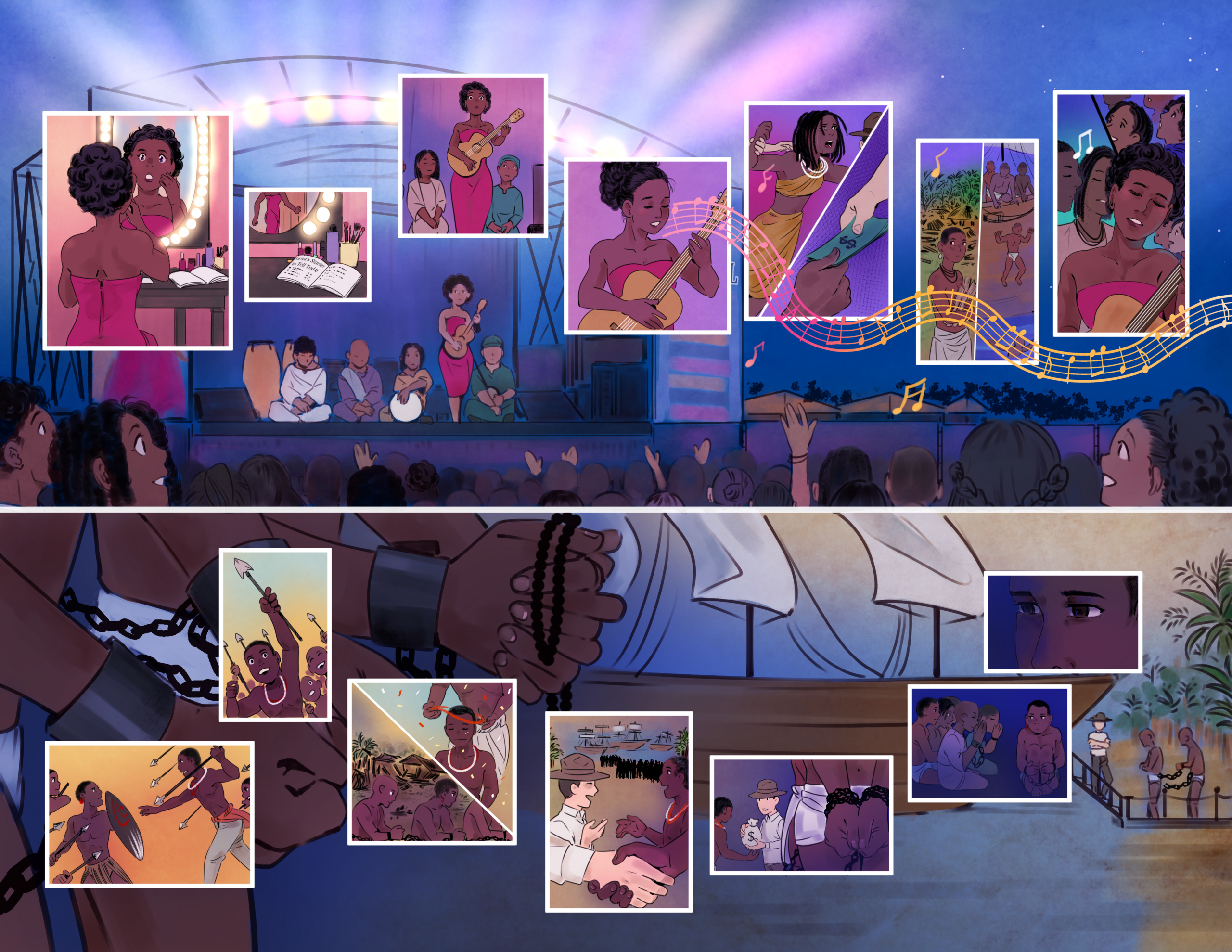
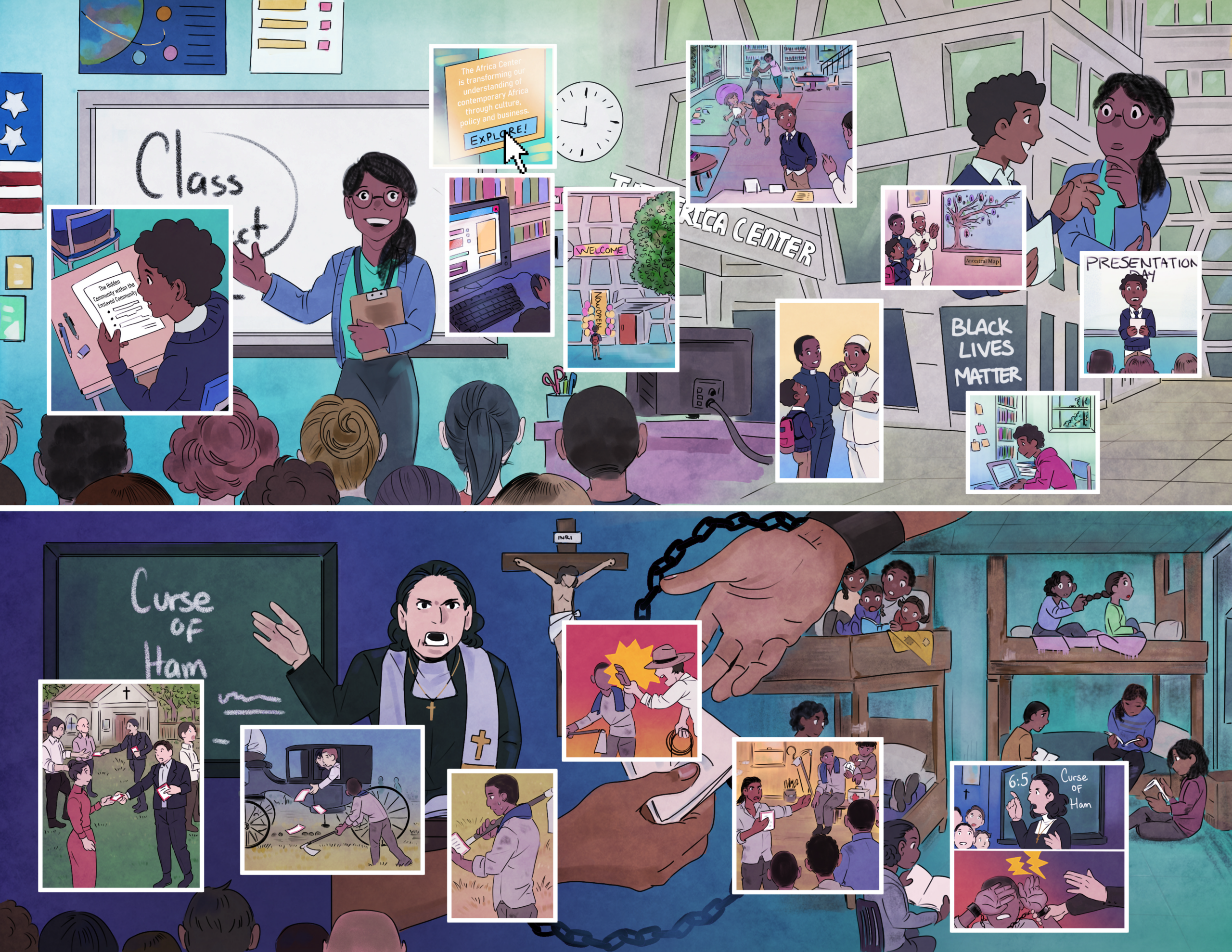
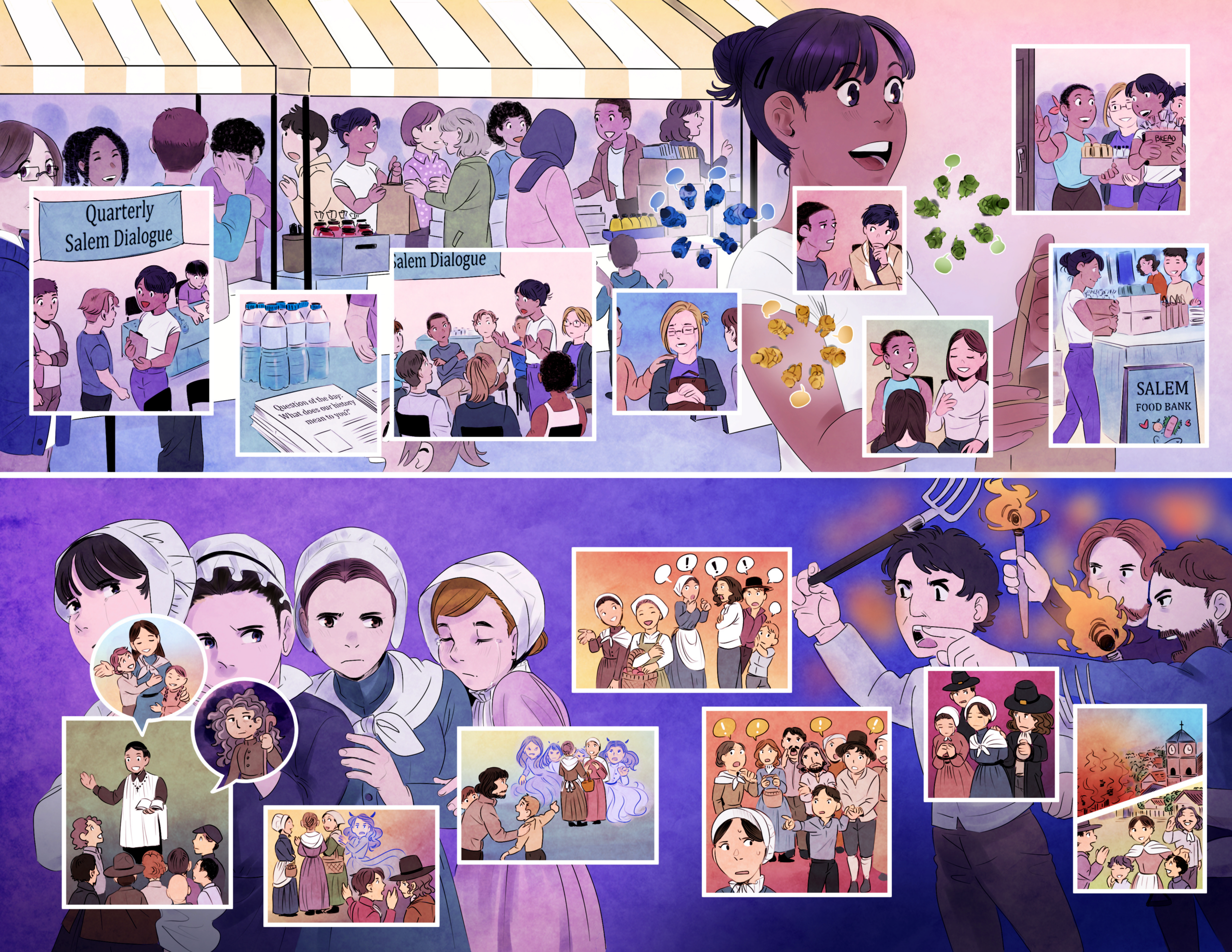
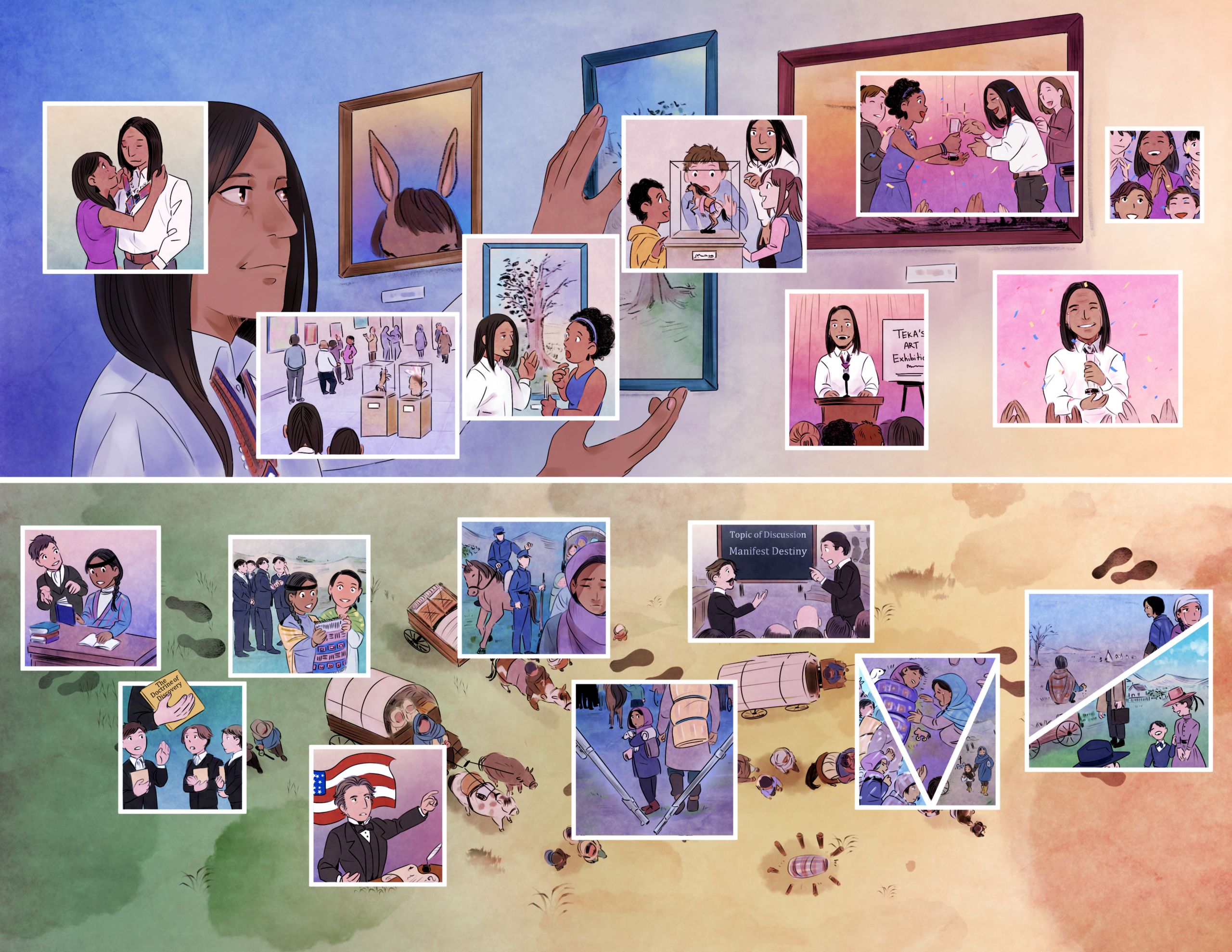
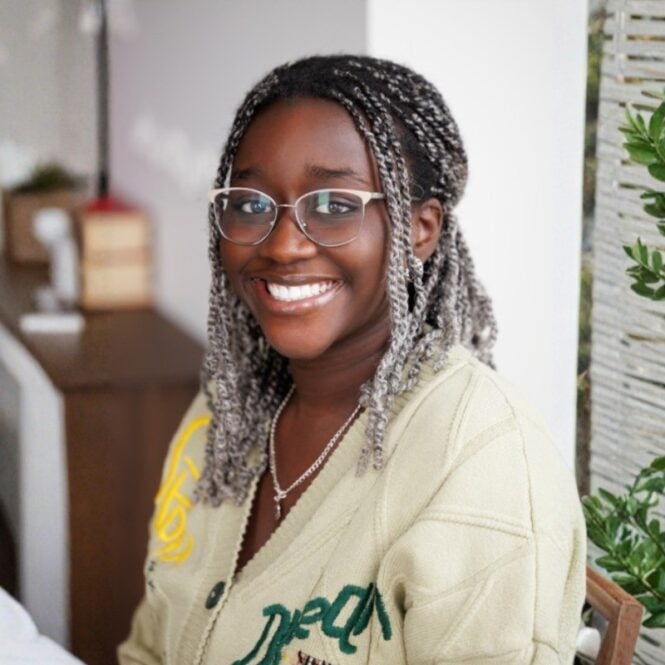
Rose Sall, an Interfaith Innovation Fellow and creator of the storytelling project, The Spirits in Me, has been involved in interfaith work since she was eighteen. Her work depicts historical religious conflicts through wordless comics, exploring the ways that spirituality and identity are impacted by generational trauma and history.
“I’ve learned that relationship doesn’t require sameness,” said Sall, reflecting on her own interfaith experiences and how the medium of illustration allows for different interpretations. “Art is the way I try to practice that. It gives people a form of their own to bring into the room.”
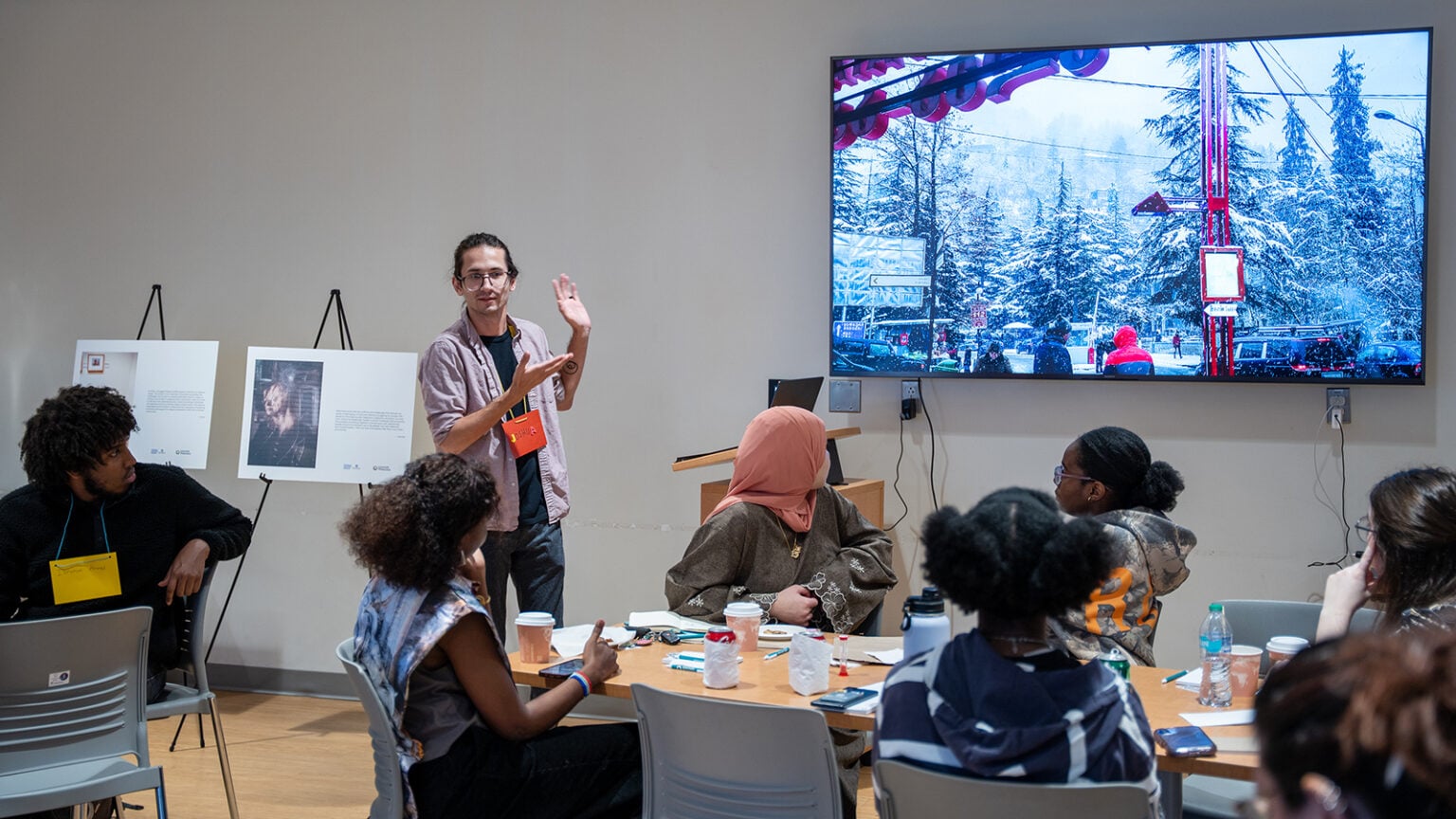
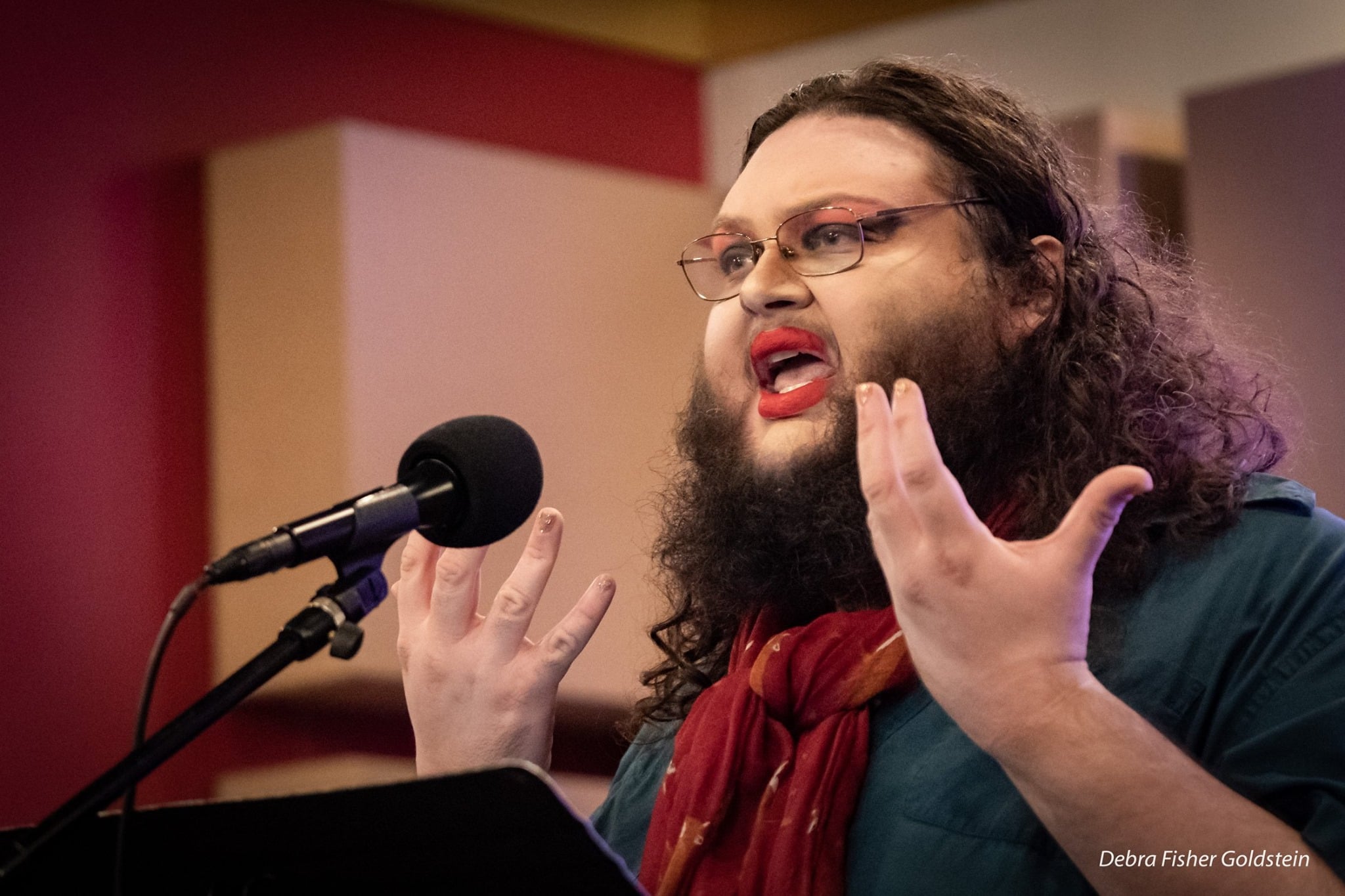
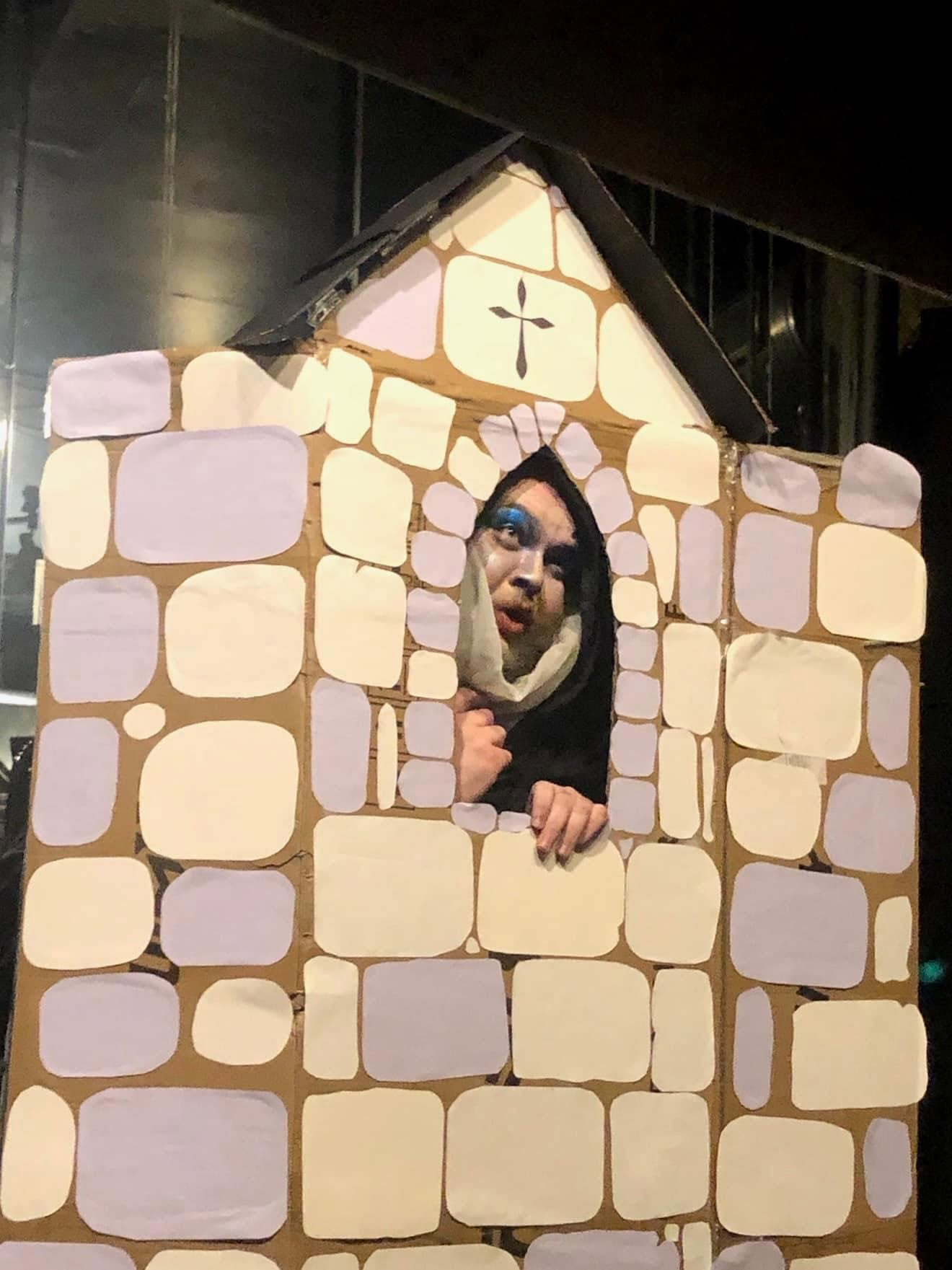
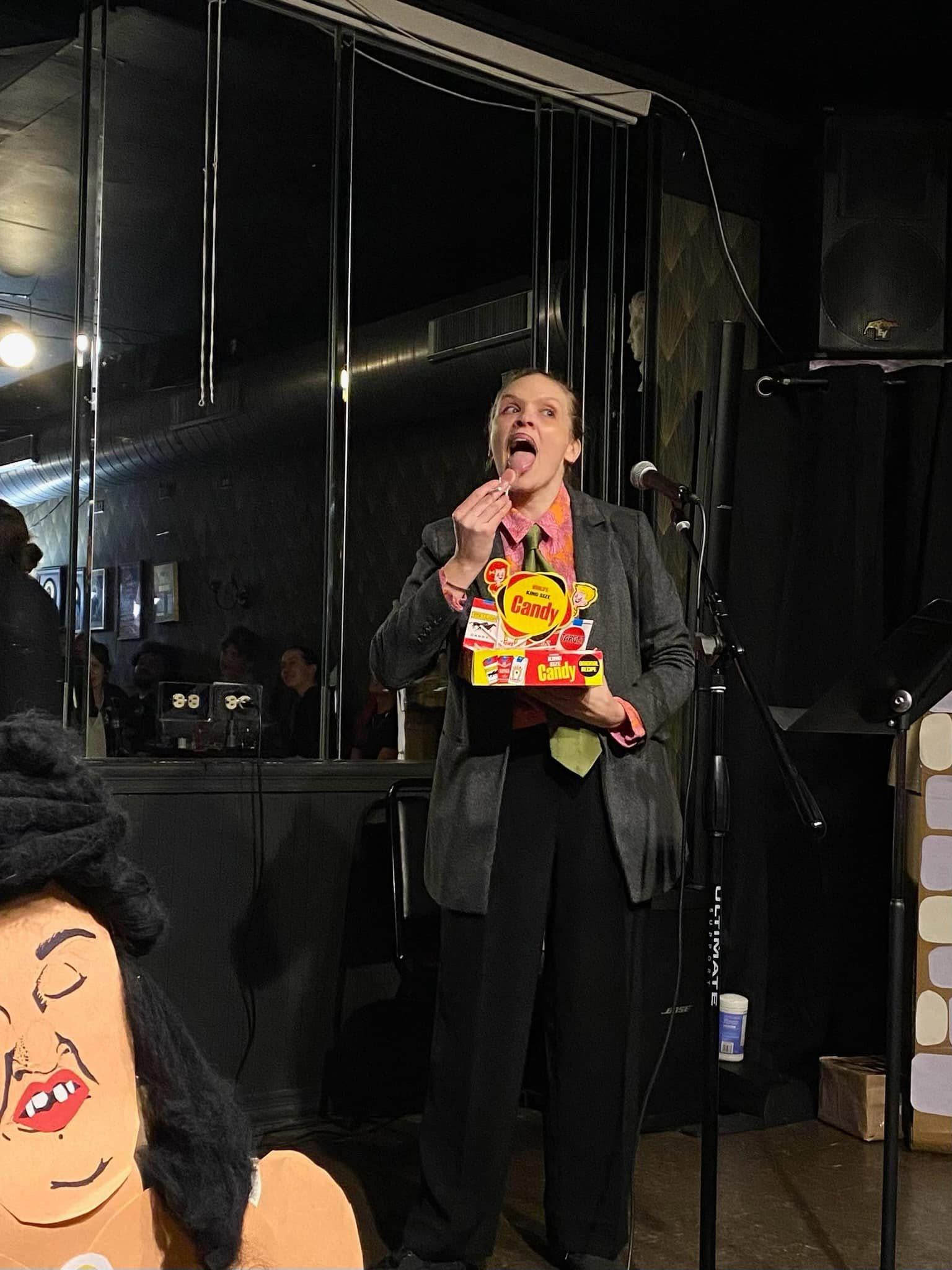
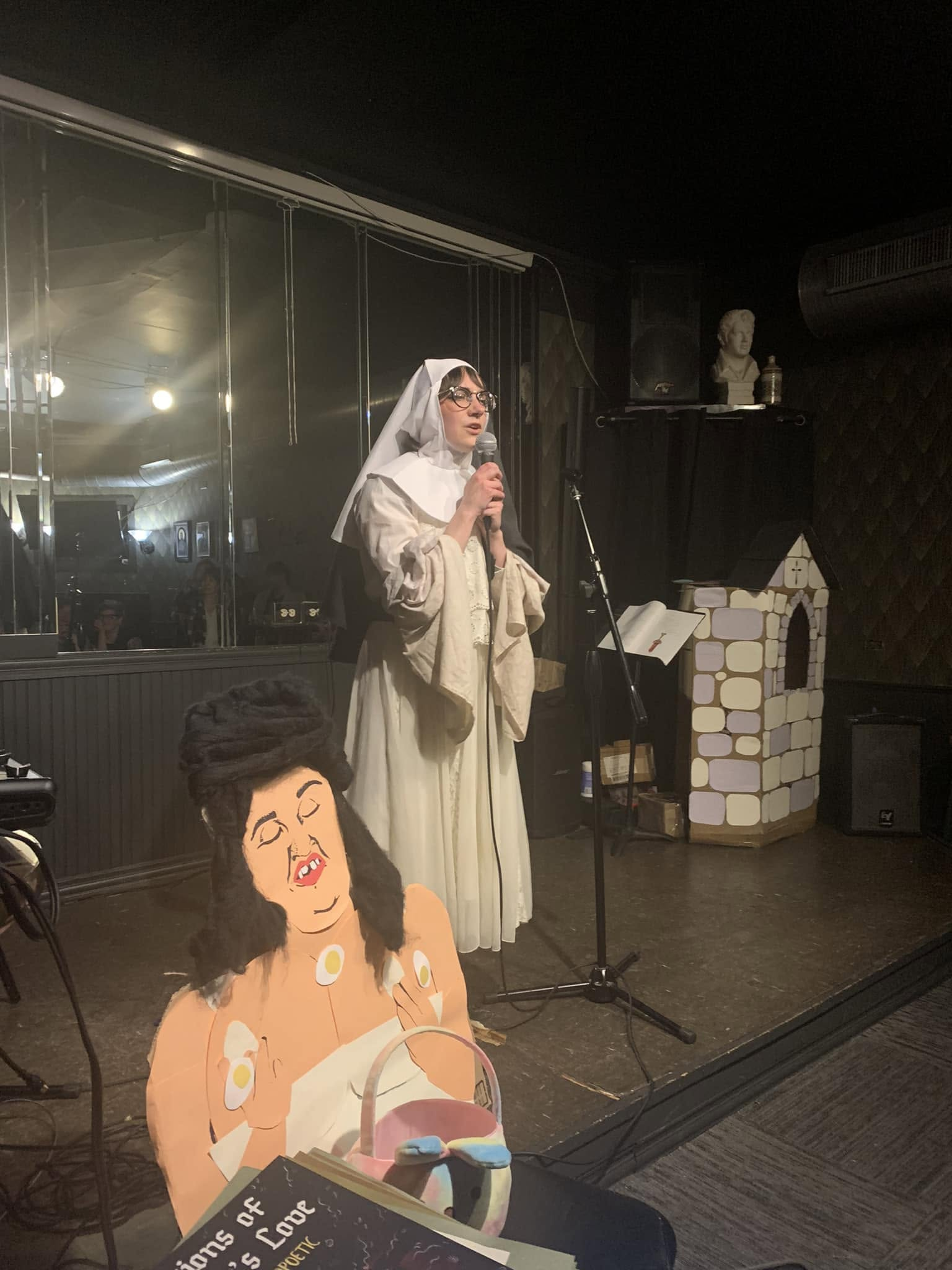
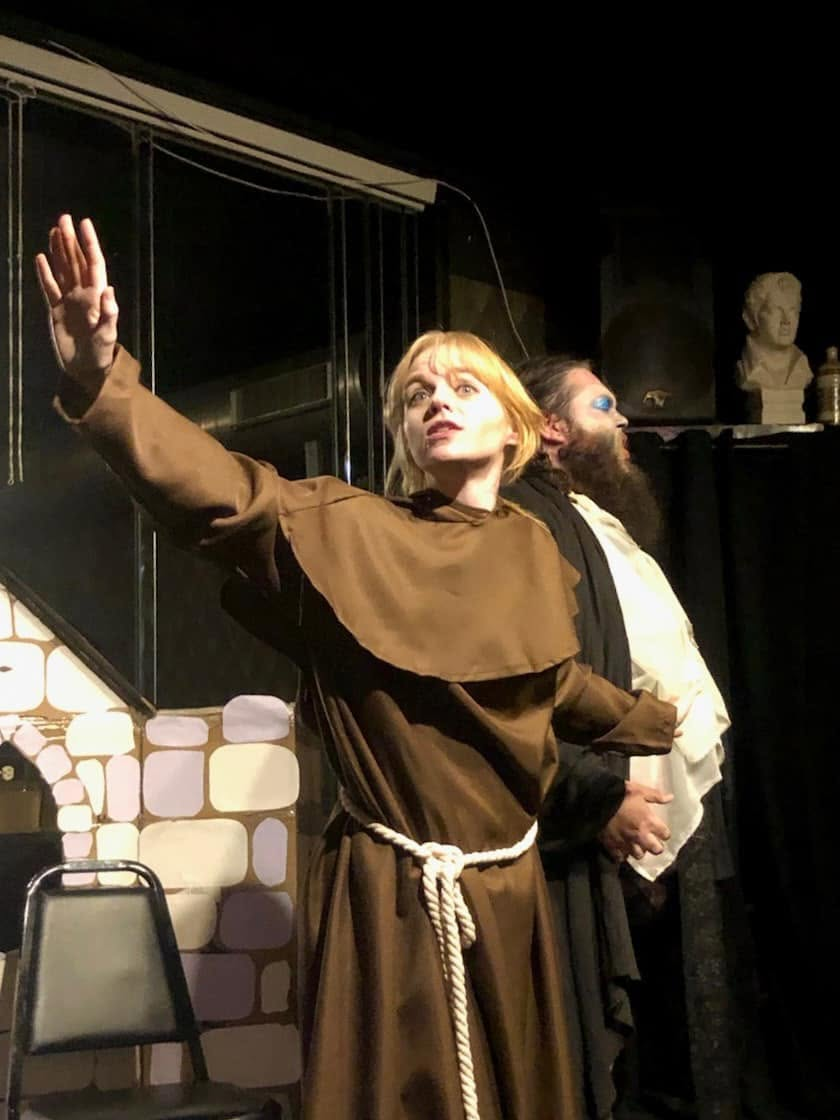
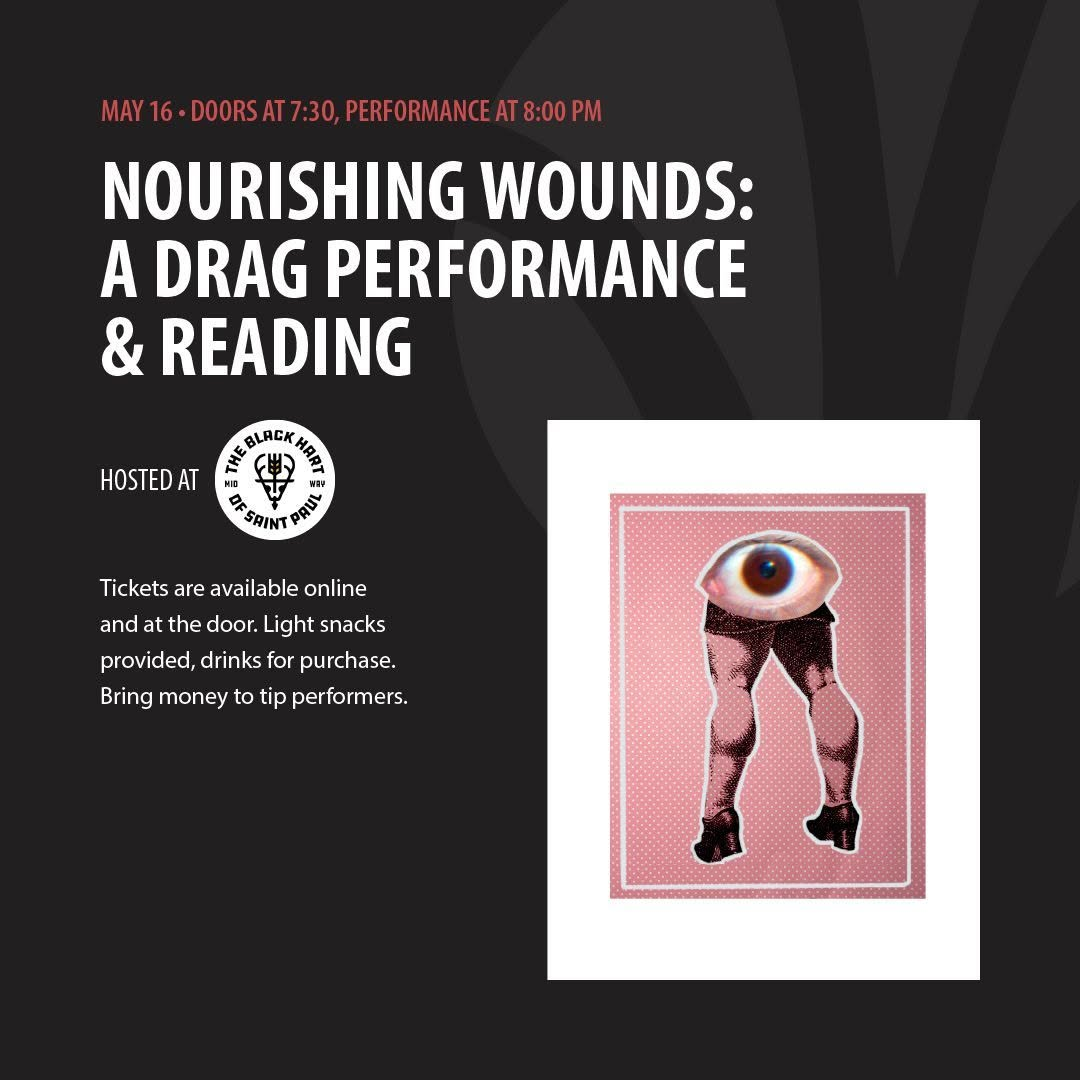
For Max Yeshaye Brumberg-Kraus, also an Interfaith Innovation Fellow, “art is a full-bodied experience.” Brumberg-Kraus is an interdisciplinary artist, writer, theo-poet, and facilitator of gender and spirituality workshop series in the Twin Cities.
“We all need ways to process the chaos around us into meaning, into form, into beauty and justice. It accounts for life’s goods and bads, knowns and unknowns,” Brumberg-Kraus told Interfaith America. “As far as I’m concerned, the point of art is to live into the fullness of life, while the point life is to live artfully.”
Drawing from Religious Traditions
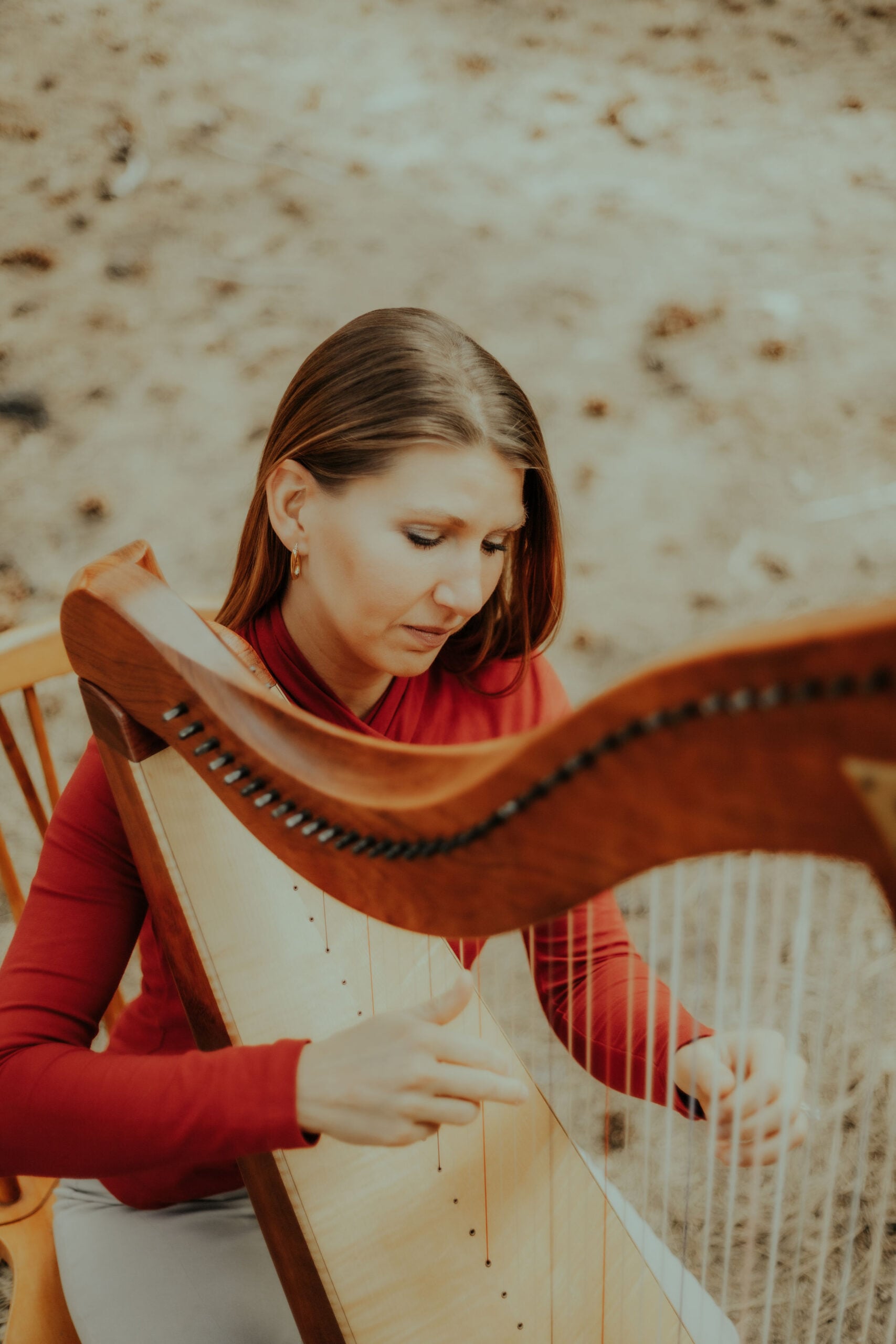
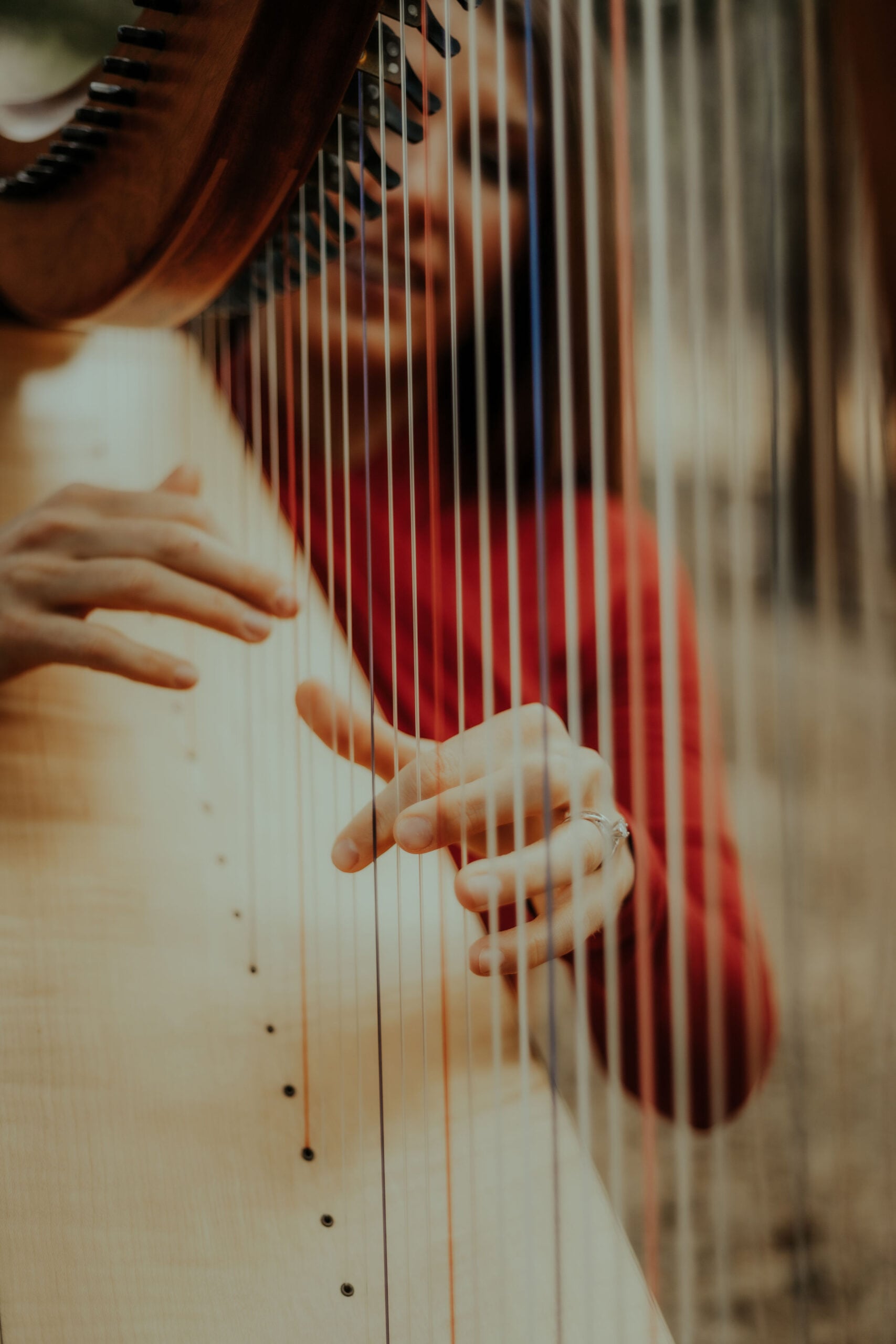
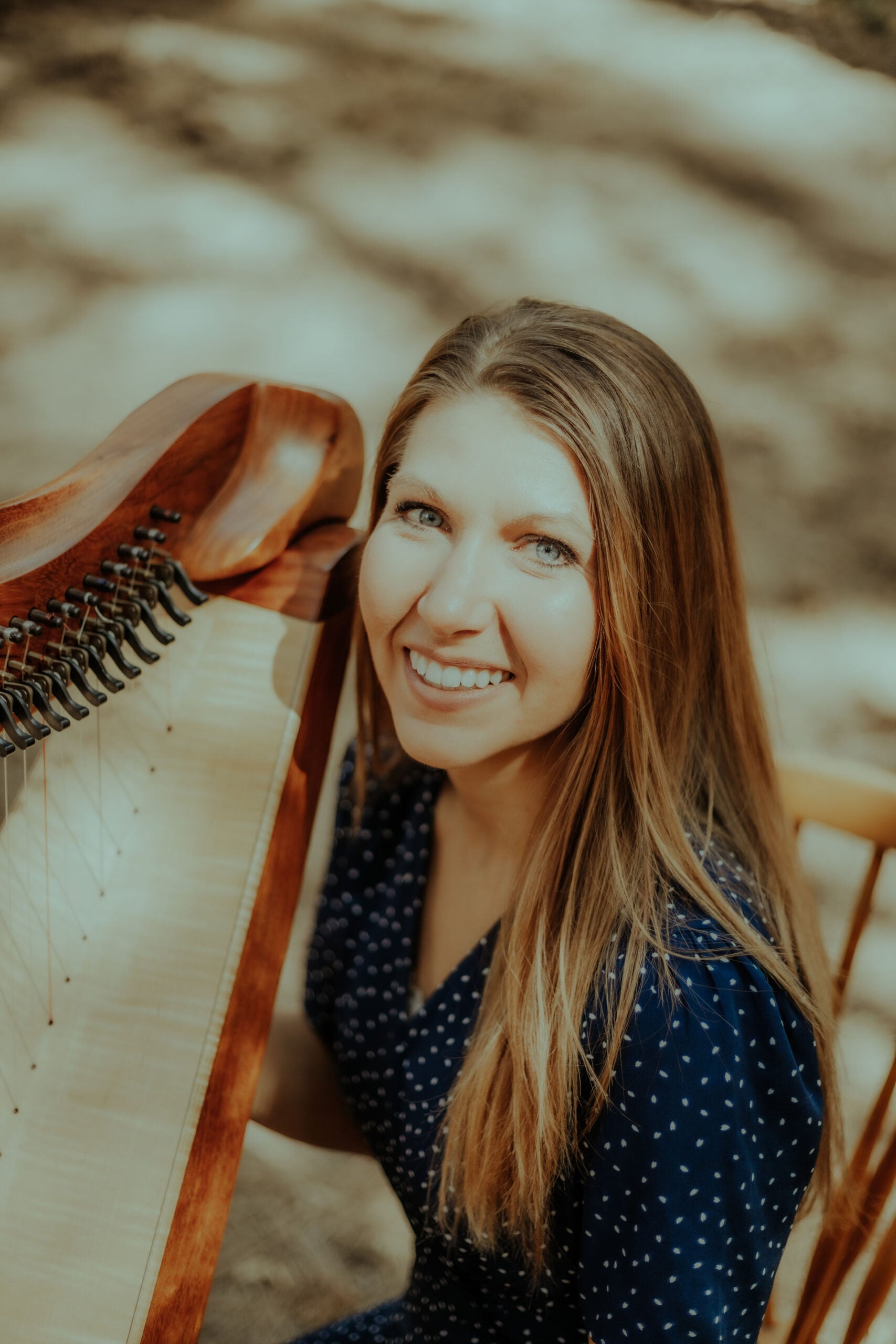
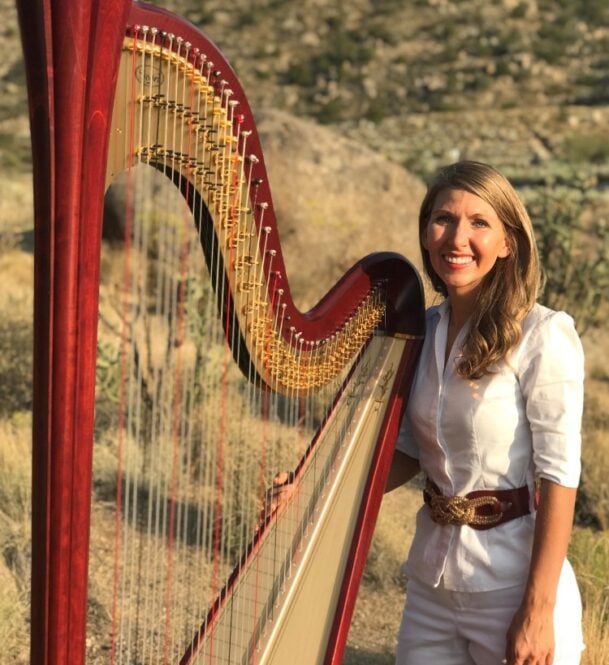
Keryn Wouden, a longtime participant in IA’s Emerging Leaders Network and co-lead of the Arts & Culture Interfaith at Work Cohort, is a member of the Church of Jesus Christ of Latter-day Saints and a harpist.
“Music helps me connect both internally and externally to the world around me. I do feel it is a gift that I’ve been given and have felt throughout my life that my Heavenly Father would like for me to use that gift for the benefit of others,” said Wouden.
Motivated to create by her belief that “we are all inherently creators,” she sees art as a way of making the world a better place. “That is my hope. I want to use my music to make the world better and build connections,” she said.
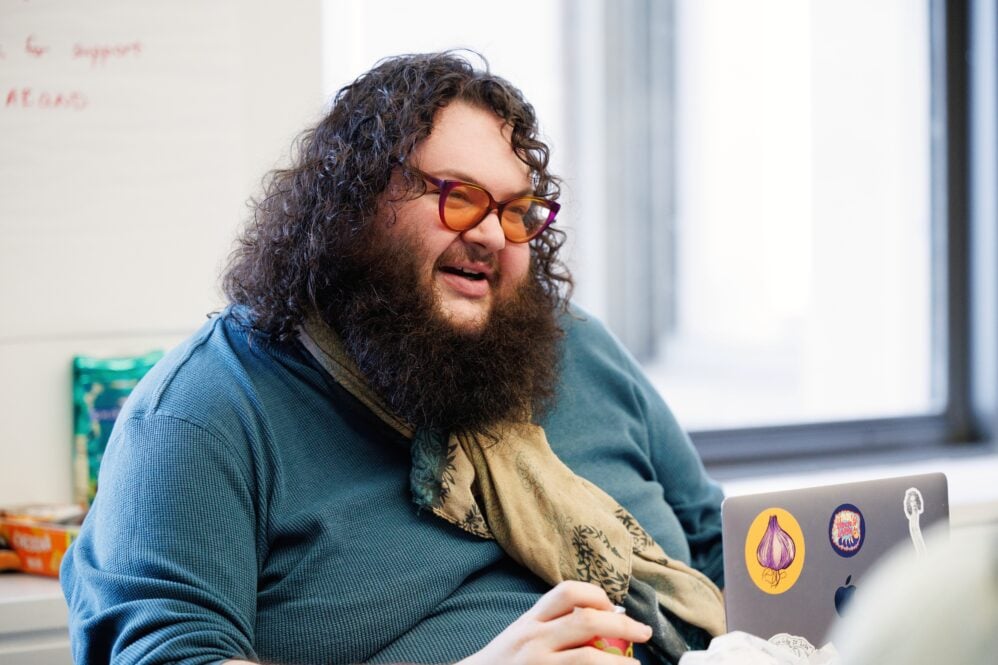
Brumberg-Kraus finds connections between their art and Jewish scriptures. As a graduate of the Theological Seminary of the Twin Cities, they read “the tanakh, the scriptures at the heart of [their] Jewish practice, as a long story about God’s artistic maturation across generations.”
Informed by the Jewish value of responsibility and its creative counterpart in artistic responsiveness to the world around us, Brumberg-Kraus hopes “centering embodied techniques,” helps workshop participants “turn back into a place of curiosity.”
“At a time when gender and sexual variance are so polarized … defanging the anxieties we have around gender and sexuality and replacing them with curiosity is necessary for a healthy, pluralistic society,” they said.
Bridging Difference through Artistic Collaboration
One way art can bridge divides is through the creative process itself. Sall points to her collaboration with artist Pamela Nunez-Trejo on “The Spirits in Me” series as a clear example of bridgebuilding in action.
Working with Nunez-Trejo on six comics, Sall acknowledged the challenges and insights of collaborating with a non-religious illustrator as a religious person and navigating the artistic process without a shared vocabulary, given their familiarity with different storytelling mediums.
“Every question showed me an assumption I didn’t know I was carrying,” Sall said. “The comics only exist because we were willing to keep asking each other what we meant.”
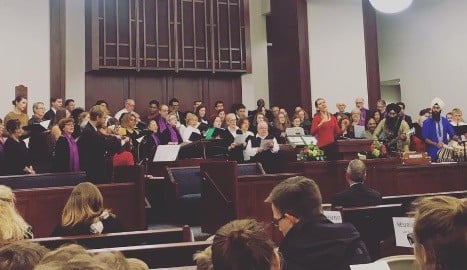
Wouden reflected on her experience organizing an interfaith concert at a chapel dedication in Chicago as an inspiring time her art helped foster connections.
“Six different faiths (Hindu, Sikh, Baptist, Methodist, and Catholic) joined the Latter-day Saints in a 90-minute concert based on the theme of “Light,” she told IA. “After the concert, [people] lingered, talking with one another and showing appreciation for the various expressions of faith shared … It was a beautiful moment of time, and a great example to me of how music can be a powerful unifier, even in the face of a deep difference.”
Rachel Crowe
Rachel Crowe, Staff Writer for IA Today, tells compelling stories about interfaith cooperation across diverse communities and supports our narrative programming. She is a graduate of Gettysburg College where she earned a BA in English with a Writing Concentration and a German Studies minor.