Spending too much time on Facebook — particularly before or after an election — is always a risky venture, but sometimes you see something that stops you in your tracks.
A few days after the midterm elections, a friend I knew a few decades ago from my hometown church posted an image of four U.S. maps. The first was all red, the second was all blue, the third featured an American flag from coast to coast. The fourth was covered in black to mimic the Islamic State.
“Some want this. Others want this. I want this,” it said, referring to the patriotic America. “Not this!,” it screamed, referring to a Muslim take-over of America. I can only surmise it was a not-so-subtle reference to the election of Abdul El-Sayed as America’s first-ever Muslim senator.
This man and I share a Christian faith, and one of Jesus’ teachings I come back to again and again is the parable of the Good Samaritan. When Jesus is asked, “Who is my neighbor?” he chooses as the hero of the story a Samaritan, someone from a religious community with deep divisions and animosity with the Jewish community of Jesus’ time.
We are called to love our neighbors across religious, cultural, and political differences — but especially when those differences challenge us.
I take something really important from that: we are called to love our neighbors across religious, cultural, and political differences — but especially when those differences challenge us.
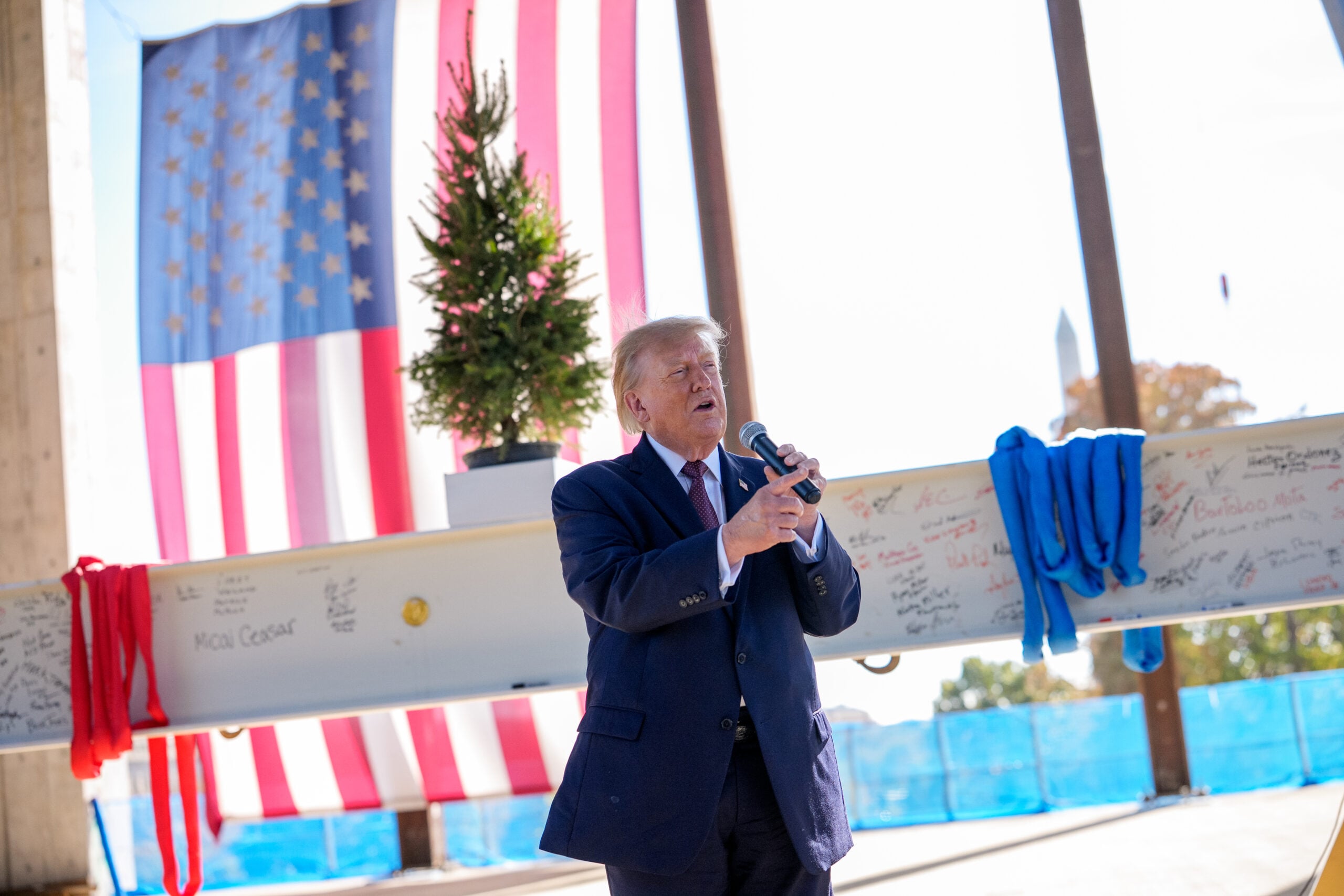
Here’s the thing: it’s really important to distinguish religious extremism from our Muslim neighbors, who are every bit as American as Christians, Jews, Hindus, people of no faith, and everyone else. To me, that American flag in the middle is big enough to represent all of us.
I’m not someone who usually wades into hot-button issues on social media. But this time, I decided to say something. I responded to my friend in the spirit of “calling in”— drawing on the Christian faith we share and explaining why I saw the image differently. I wasn’t trying to win an argument. I wanted to offer another way of seeing our Muslim neighbors, and another way of thinking about what it means to be American.
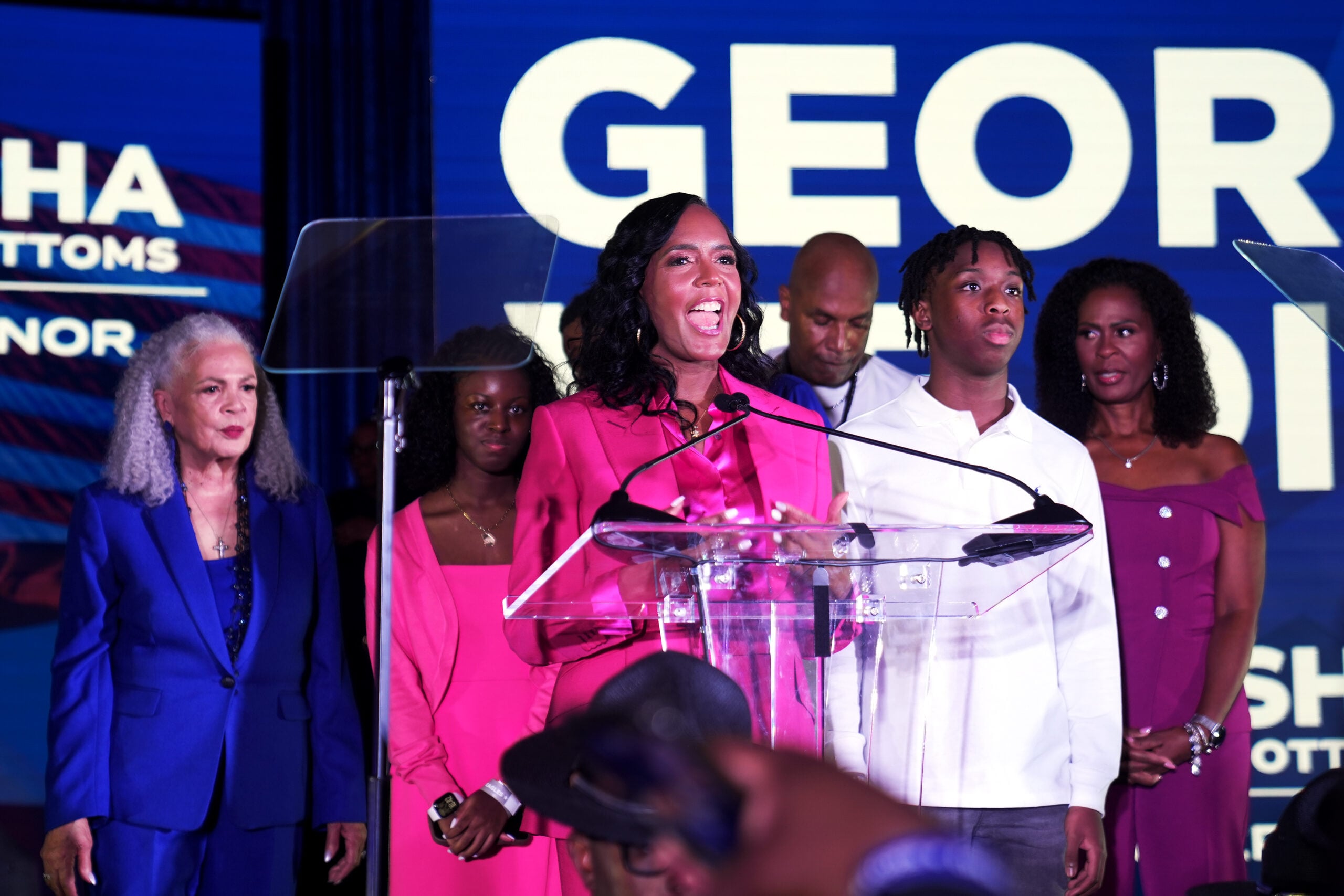
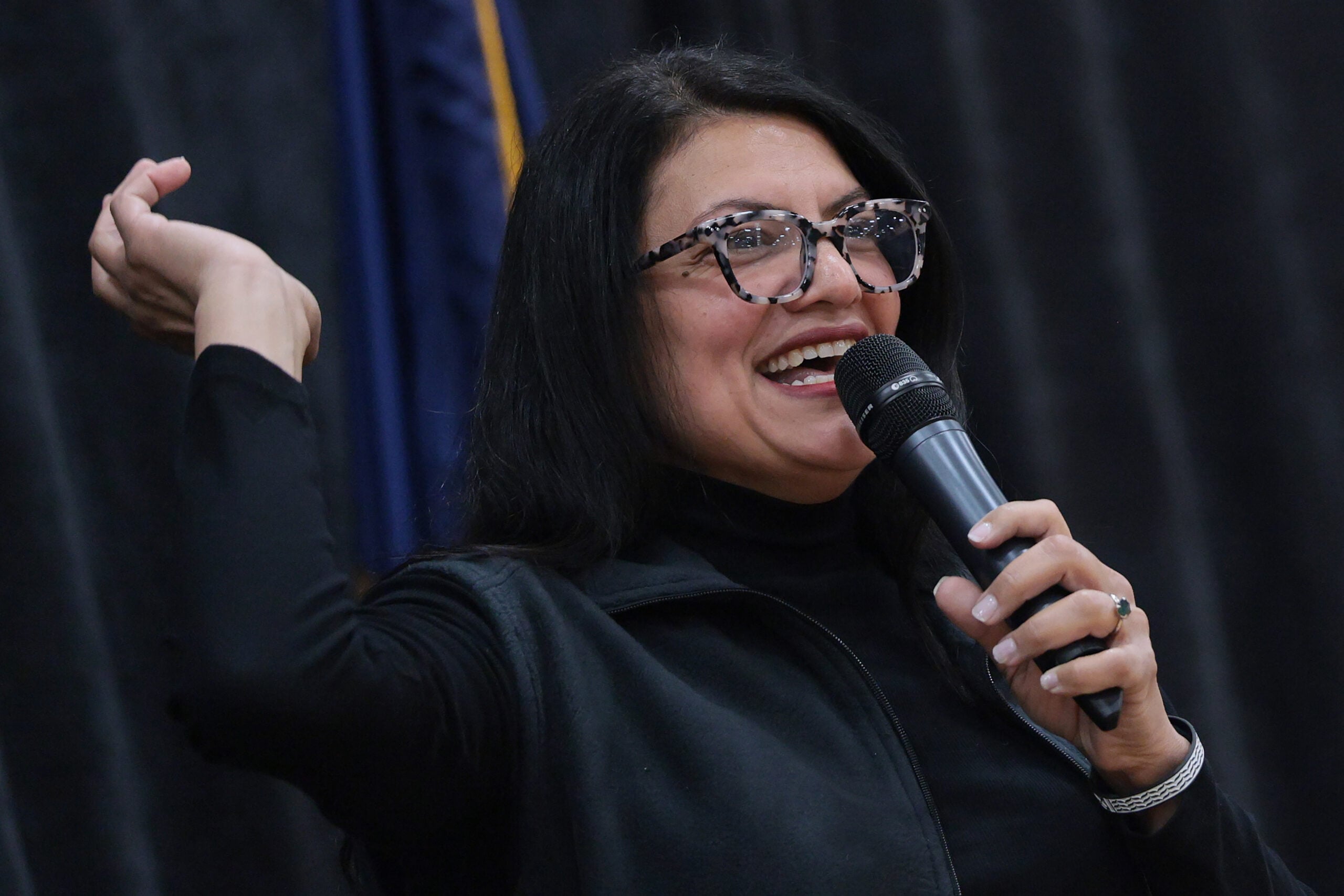
Something similar is true when I look at this past election. I can disagree deeply with someone’s politics and still celebrate the fact that Americans elected one of the most diverse groups of leaders in our history, across party lines. Republican Byron Donalds becoming Florida’s first Black governor is one example. El-Sayed’s win in Michigan is another. I don’t have to agree with either of them about everything to see something hopeful in both of those milestones.
That’s really what I hope for America: not that we all agree, but that we learn to live together, love our neighbors, and recognize that people of different faiths (or no faith), races, and political beliefs are all part of the American story.
The flag is big enough to cover us all.
Amber Hacker
Amber Hacker, MBA, is Managing Director at Interfaith America, where she leads the people, systems, and financial stewardship that power the organization’s nationwide bridgebuilding efforts.