In medical training, some of the most meaningful lessons begin with a simple act: listening closely. For Dr. Lavjay Butani and the team behind UC Davis’s Faith and Health initiative, that spirit of curiosity and care is helping shape a larger conversation about how future physicians can better understand the beliefs, values, hopes, and spiritual questions that patients bring into the exam room.
Dr. Butani is a fellow of Interfaith America’s Faith in Health program, funded by the John Templeton Foundation. The program is designed to promote religious pluralism across the health landscape through curricular and co-curricular learning, research, and robust community partnerships.
Under Dr. Butani’s leadership, the UC Davis’s Faith and Health initiative has become something far more ambitious: a four-year integrated curriculum on faith and spirituality in medicine, recently developed and submitted to the medical school’s curriculum committee. It builds on earlier efforts already present in the program but gives them a new architecture — one that stretches across the full arc of medical education. Instead of a single lecture that students may remember only briefly, the curriculum invites them to return to the subject, each time with more clinical experience, more maturity, and more awareness of what patients may need beyond diagnosis and treatment.

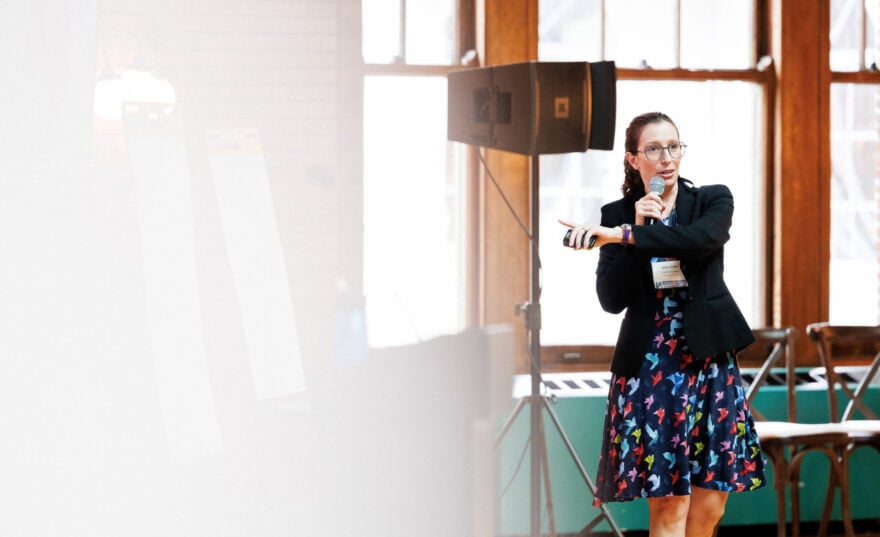
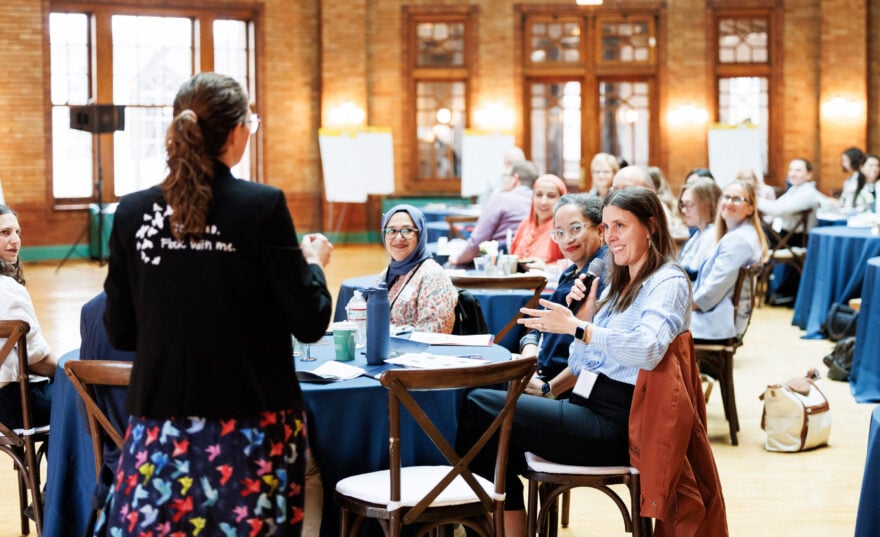
The work has begun to ripple outward. When Dr. Butani presented a workshop at a national pediatric medical education conference — the first session of its kind there on faith and spirituality — the response was stronger than expected. Educators came not out of passing curiosity, but because they seemed to recognize a gap many had long felt: medicine prepares students to ask countless clinical questions yet often leaves them uncertain about how to approach the deepest sources of meaning in a patient’s life. Attendees called it an “outstanding session” and “an important topic.” Others asked for more, including deeper discussion of the potential risks of discussing spirituality with people or communities who have had negative experiences with faith and religion. Through presentations, publications, collaborations, transition courses, clerkship intersessions, and faculty grand rounds, UC Davis is helping give this emerging field both language and legitimacy.
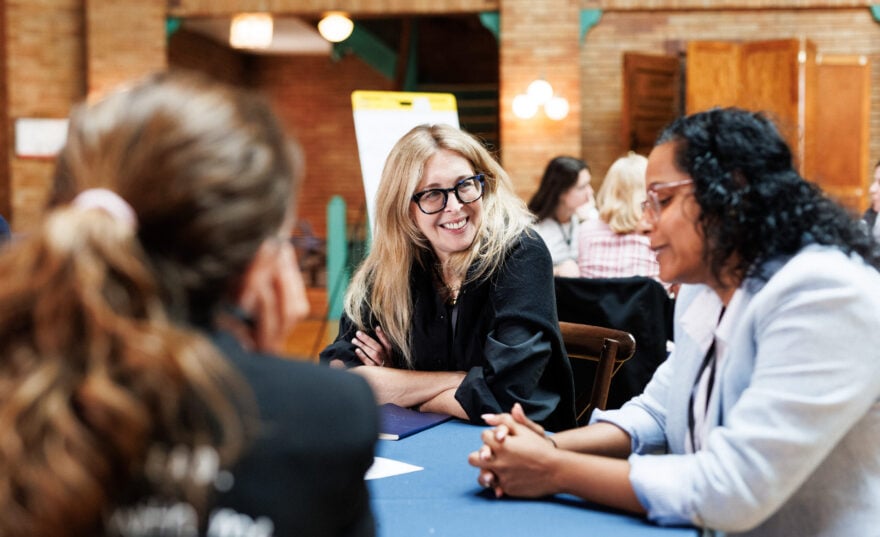
What makes the effort especially powerful is that it does not stay within the walls of the classroom. The team is reaching into the Sacramento community, building relationships with faith leaders whose voices bring lived experience directly into medical education. In workshops, community representatives have shared what it feels like to move through healthcare systems while carrying religious identity, cultural memory, spiritual need, or mistrust shaped by experience.
Students, meanwhile, have leaned in — seeking chaplain shadowing opportunities, connecting through religious student groups, and asking for more ways to understand the whole person before them. One student, after connecting with a spiritual care team member at the hospital, wrote, “I wanted to thank you for facilitating that connection. I took advantage of that opportunity, and it was incredible. I learned so much and had the beautiful experience of praying with patients and their families.”
In this convergence of curriculum, scholarship, community partnership, and student interest, UC Davis is becoming a place where faith and health are not treated as separate worlds, but as realities that often meet at the bedside. The initiative’s promise lies in its patience: a longitudinal, systems-level approach that understands transformation does not happen in one session. It happens over time, in repeated encounters, in difficult conversations, and in the quiet shift from seeing a patient as a case to meeting them as a whole human being.
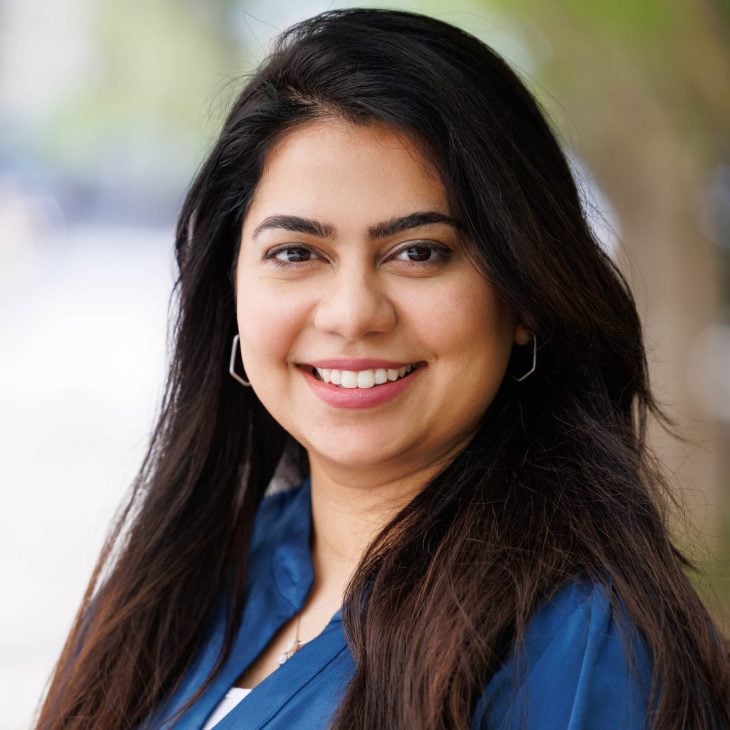
Nazish Rizwan
Nazish Rizwan is a Program Manager supporting the Faith and Health Team and the Director of Academic Initiatives. She earned her master’s degree in Management and HR from the University of Tennessee in 2022 and has prior experience in DEI, community outreach, and conflict resolution.