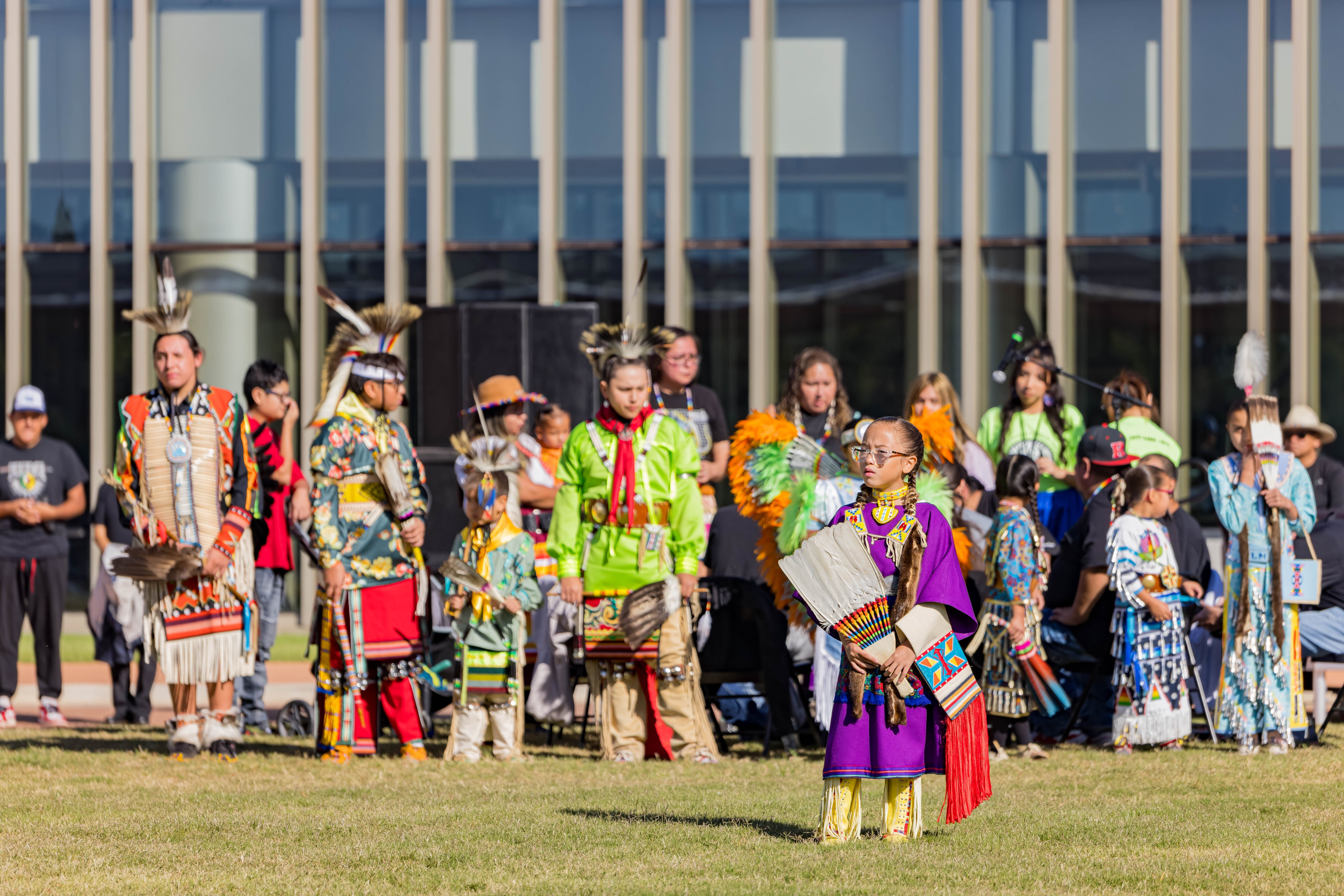

[As medical professionals] you all do interfaith work every day. What I mean by that is you work with people of different religious identities in a cooperative setting — and in a setting in which those religious identities matter.
What does it mean that religious identities matter? It might mean that somebody you’re working with doesn’t eat pork, and that you’re aware of that when you go to lunch. It might mean that a patient you are working with doesn’t eat meat at all because that individual is Hindu, Buddhist, or Jain, and the nutrition advice you give to that person so that he or she gets the right amount of iron, for example, has to make room or accommodate for the fact that they have a religious conviction in which they’re not eating meat.
Interfaith work really is cooperation across religious difference when those religious identities matter.
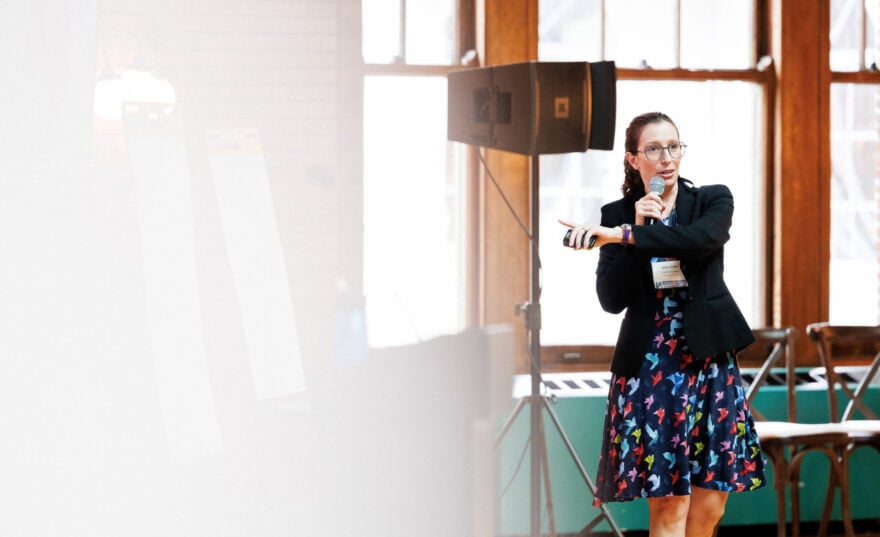
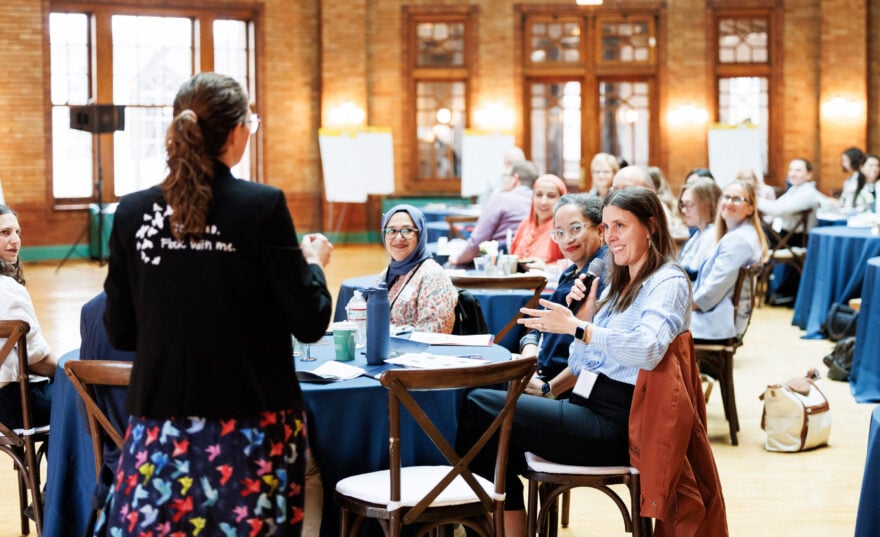
Eboo Patel recently addressed healthcare professionals during the University of Michigan Medical School’s Woll Family Speaker Series. The University of Michigan Medical School received a 2026 Faith & Health Campus Grant from Interfaith America.
Listen to the conversation, What Interfaith America Teaches Healthcare, to hear Eboo’s full remarks.