
Interfaith work and challenges were front and center in 2024: with the war in Gaza; migration and work at the borders; and hijab bans at the Summer 2024 Olympics in Paris, dominating headlines.
With the war and destruction in Gaza passing the one-year mark, student protests calling for ceasefire and divestment reaching a fever point in the spring; decades of interfaith work between Muslim and Jewish groups grew strained. Many worry that the bridges built and allyships nurtured suffered permanent – possibly irreparable – damage.
Some groups and individuals continued to do the hard work of hearing and recognizing each other’s humanity, grievances, and hopes. In other parts of the U.S., and the world, interfaith leaders worked together to call for climate justice, advocate for immigrants and migrants at the southern borders, and support Olympic athletes.
We’ve gathered five of these top stories in our year-end look at how interfaith work manifested in 2024.
1. War in Gaza Strains Interfaith Work
More than a year after the attacks by Hamas on October 7, 2023 – with Amnesty International’s latest report declaring a genocide in Gaza and the International Criminal Court issuing warrants of arrest for Hamas, Commander Mohammed Diab Ibrahim Al-Masri, Israeli Prime Minister Benjamin Netanyahu and former Israeli Ministry of Defense Yoav Gallant – interfaith work and alliances between numerous Arab, Palestinian, Muslim, Jewish, and other groups have been incredibly strained across the U.S. and around the world.
Last spring saw: encampments, anti-genocide protests and calls for divestment across college campuses. As a result, there was tension, frustration, anger, and fear between Jewish and Muslim/Arab/Palestinian student groups. With city department police called into numerous campuses – resulting in arrests, violence, and in some cases, expulsions and suspensions – college protests reached a fever pitch at the end of the 2024 spring semester, bringing about numerous challenges for students and university and college chaplains.
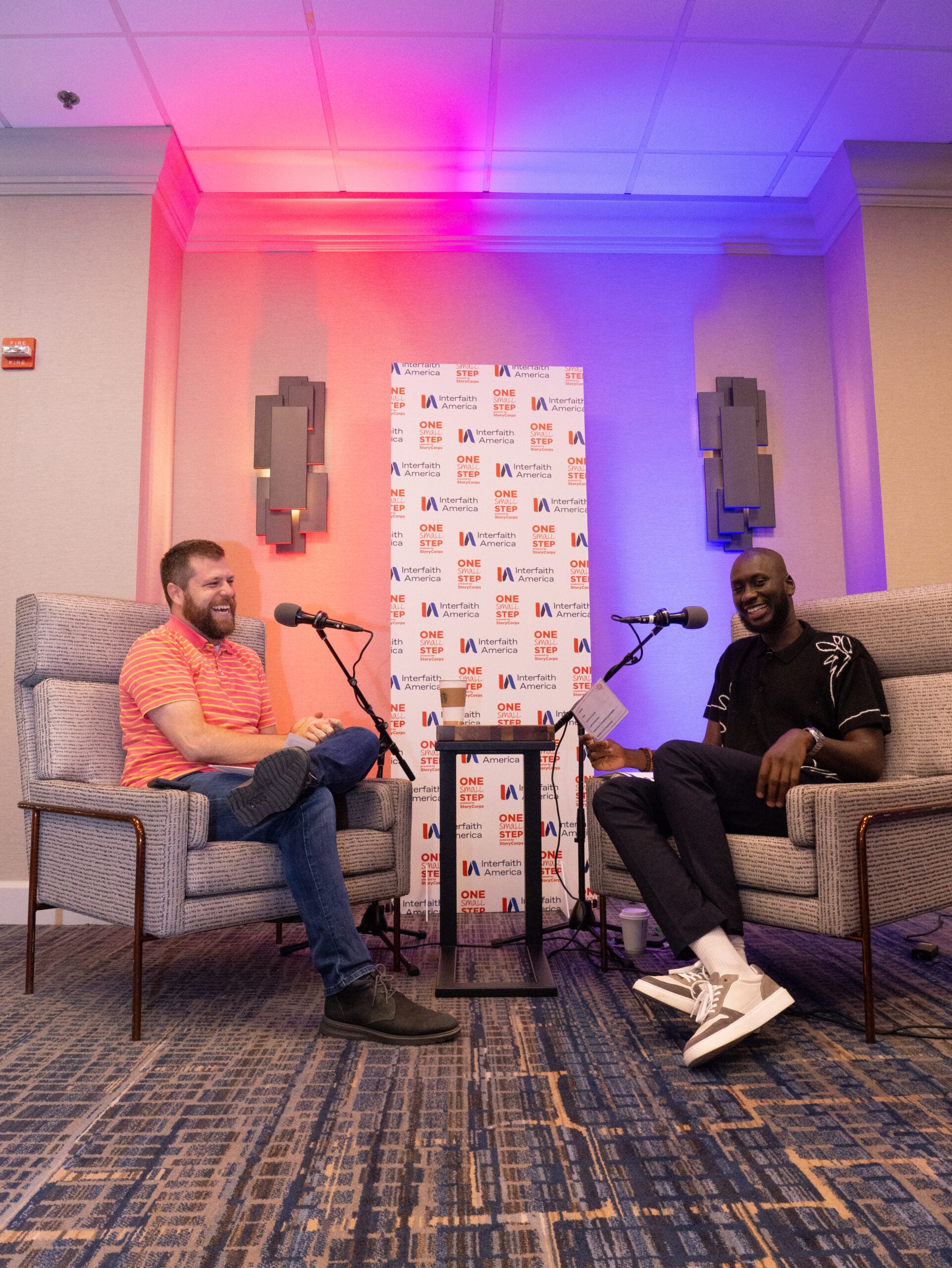
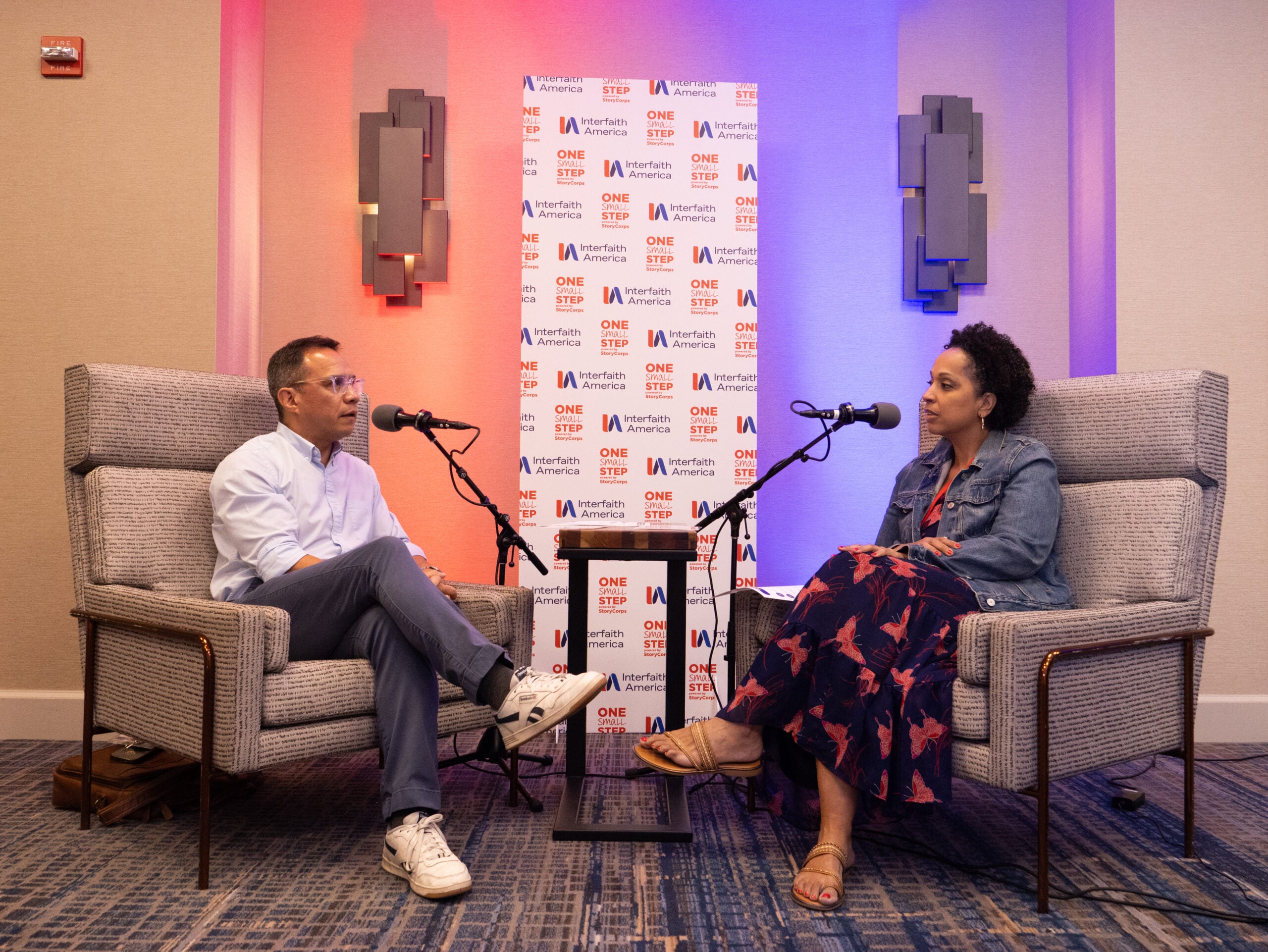
As reported in this article for Interfaith America Magazine, the strain between Jewish and Muslim communities (and beyond) has “challenged the ability of interfaith spaces to function as facilitators for positive dialogue, let alone spaces for solidarity.” IA’s own Rebecca Russo and Jenan Mohajir, however, came together to publish an op-ed about realizing the humanity of each other’s communities and recorded a series of podcasts exploring how they’ve been affected by the war in Israel/Palestine, while remaining friends.
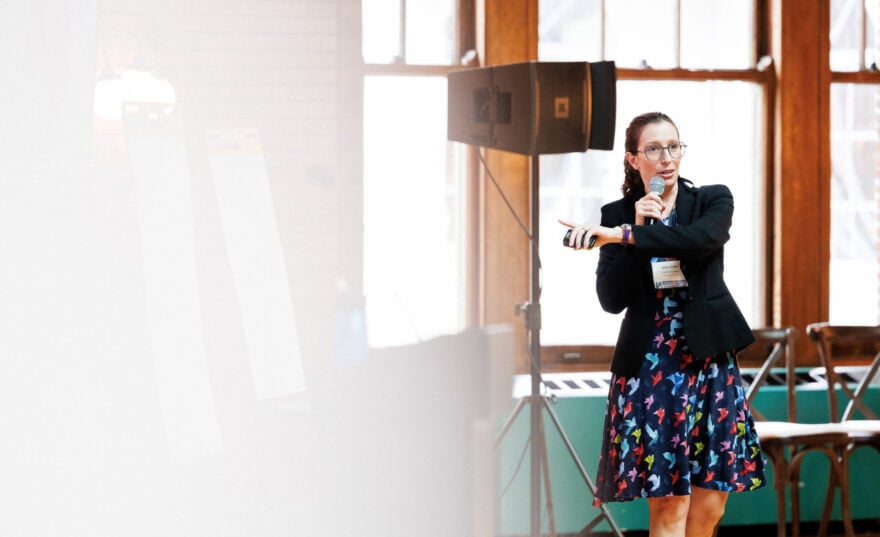
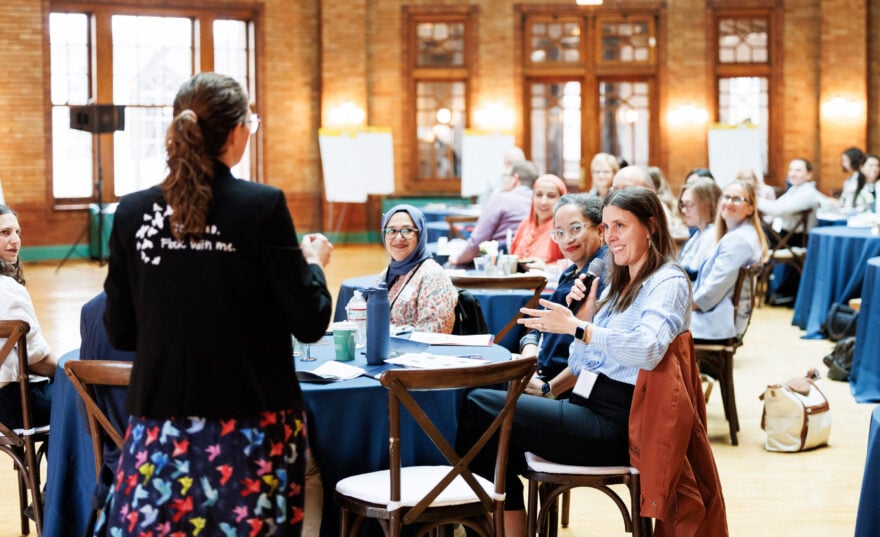
The question remains: Can Jewish and Muslim/Palestinian people still come together for interfaith work? In a session at a symposium honoring the 90th anniversary of Religion News Service, Rabba Rori Picker Niece, senior vice president for community relations at the Jewish Council for Public Affairs, said one of the biggest struggles for Jews involved in interfaith work the past year is to be asked to engage, when they are amid ongoing traumas. Niece said, “For most Jews … they’re sitting with this conflict of how they talk about Israel and the Israeli government and the atrocities of what they’re seeing happening to innocent children in Gaza while also holding the pain and the fear of what it meant to see the Jewish community in Israel. What’s our response supposed to be?”
In the same session, Najeeba Syeed, executive director of Interfaith Institute at Augsburg University, encouraged focusing on a chaplaincy of democracy, where she said, “part of what that means is to listen, and that part of that listening is to hold space for the trauma of whoever is speaking. When I occupy a space of power, it doesn’t mean your community has lost power. That’s part of the chaplaincy of democracy…. and if faith leaders cannot begin to model it … we will only destroy this country.”

2. Interfaith Migration and Work at the Borders
Immigration and the southern United States border is a fiercely examined and contentious topic, especially throughout the past few election seasons. Narratives can often be overlooked around this topic, but there are international and interfaith stories that were happening at every border; particularly the U.S./Mexico border.
Journalist Ken Chitwood examined interfaith work on American borders in his October story for Interfaith America, explored numerous faith organizations and houses of worship serving immigrant communities. He also brought insight to the uptick in migrants crossing southern borders from unexpected countries and backgrounds like: Sikhs from Punjab, Buddhists from China, Christians from Haiti and Muslims from Bangladesh and Afghanistan.
Whereas, the majority of migrants historically came from Mexico, El Salvador, and Guatemala, in 2020 the Migration Policy Institute reported that “12 percent of migrant encounters at the southern border involved migrants from beyond those four countries. In 2023, for the first time ever, more than half of those reaching the U.S./Mexico border originated beyond Mexico and the Northern Triangle countries of Honduras, Guatemala, and El Salvador. The new arrivals are coming from more numerous and varied points of origin,” according to Chitwood’s piece.
And while multifaith immigration is part of the American fabric, the U.S. has struggled with the “otherization” of immigrants, with xenophobic diatribes and false narratives around immigration permeating recent election cycles. Various faith nonprofits and groups, like El Paso Interreligious Sponsoring Organization (EPISO)/Border Interfaith, Sewa (a Hindu-based nonprofit providing refugee welfare services), Islamic Relief USA, and HIAS (a Jewish American organization providing aid and assistance to refugees and migrants) are drawing on faith-based values to serve these communities with care, dignity, and respect.
3. Interfaith Leaders Unite to Demand Climate Justice at COP28
In January of 2024, 28 religious and faith leaders from more than 19 different faith traditions, religions, and denominations signed the Interfaith Declaration on Climate Action Towards COP28, declaring that “our respective faith instills in us a sacred duty to cherish not only our human family but also the fragile ecosystem that cradles us.”
This effort was spearheaded by the Muslim Councils of Elders and in collaboration with the 28th United Nations Climate Change Conference, the United Nations Environment Programme (UNEP), and the UAE Ministry of Tolerance and Coexistence, signatories included Pope Francis and the Grand Imam of Al Azhar.
This group of religious and interfaith leaders committed themselves to be stewards of Earth and uphold environmental action by signing the “Confluence of Conscience: Uniting for Planetary Resurgence,” otherwise known as the Abu Dhabi Interfaith Statement for COP28. According to this article from World Vision, interfaith leaders committed to the statement’s call for “transformative action to keep 1.5 degrees C within reach and serve affected and vulnerable communities.”
Increasingly, as climate change begets massive catastrophic weather events, which disproportionately affect communities and countries that contribute the least to global emissions and climate pollution, faith communities are stepping in to combat food insecurity and environmental crises in disaster zones. As the article stated, “The role of faith and faith communities is emerging as essential not only for their influence and actions they take but also for the hope they bring.”
4. Hijab Bans, Religious Outcries, and Interfaith Chaplaincy Work at the 2024 Summer Olympics
The 2024 Summer Olympics in France was all about the commemorable athletes, their amazing accomplishments, and the inspiring stories of dedication and commitment to their sport. It also faced its own share of controversies and problems, starting with a scene from the Opening Ceremony that elicited criticism from numerous religious groups. An interpretation of “The Last Supper” featuring drag queens was seen by many to be mocking Christianity, although the ceremony’s artistic director and performers denied that the scene was based on the Leonardo da Vinci painting.
France’s hijab ban was also on public display in the games, when it was reported before the Opening Ceremonies that French Olympic sprinter Sounkamba Sylla wouldn’t be permitted to participate because of her hijab.

The last few decades have seen the country’s ongoing targeting of religious visibility, especially when it comes to Muslims and Muslim women and how they dress, all in the name of laïcité, or the constitutional principle of secularism. As the Paris Olympics placed the country squarely in the world’s spotlight, the hijab ban enforced (on the host nation’s Olympics team) just wasn’t a good look on the international stage.
A compromise (Sylla wore a cap instead of her hijab) was reached after consultation with the French Athletics Federation, the French Ministry of Sports, the Paris Olympics organizers, and the French luxury brand Berluti (which made the uniforms for the French team).
Interfaith spiritual support was quietly available by way of a structure at the end of the athlete’s village, with representatives from five major religions: Christianity, Judaism, Islam, Hinduism and Buddhism. Each religion was allotted 538 square feet and strict instructions on how to offer spiritual support within France’s laws that prohibit religion in public spaces. Chaplains were present to council athletes as needed and offer worship information.
5. Protections Slowly Expanded in India for Interfaith and Mixed-Caste Couples
Six years after India’s Supreme Court officially identified honor killing as a serious problem and enacted guidelines, including safe houses, the country is slowly progressing in protections for interfaith and mixed-caste couples.
As Priyadarshini Sen reported in this piece for Religion News Service, marrying across caste and religion can often be life threatening, with “family members of higher caste [seeing] themselves as ritually polluted, and their standing in the religious hierarchies of Hindus as well as their social status can suffer.” India’s National Crime Records Bureau reports that the number of honor killings across India rose from 25 in 2019 to 33 in 2021, with numbers suspected to be higher.
The Supreme Court ordered India’s state governments to set up safe houses in 2018, based on government data on honor killings. However, compliance has been slow, with the Maharashtra government in western India only moving to establish safe houses in December of 2023. Haryana and Punjab in the north have founded their safe houses. Many who work to safeguard interfaith and mixed-caste marriages believe that interfaith work and support helps to temper societal and cultural taboos. Groups like Maharashtra and Harshardha Nirmoolan Samiti (MANS), an anti-superstition organization, worked in 2024 to garner police protection in order to provide safety and help counsel families of mixed-caste and interfaith couples.
Dilshad D. Ali is a freelance editor and journalist, a senior columnist at Interfaith America, and the former Blog and Content Editor of The Haute Take, the media arm of Haute Hijab, and covered all things pertaining to Muslim women. Prior to Haute Hijab, Ms. Ali was the managing editor of Patheos Muslim at Patheos.com and the editor of Altmuslim, a microsite at Patheos, as well as blogging on the intersection of faith, family and autism at The Muslimah Next Door. She has covered Muslims and Islam in America for more than 20 years for a variety of media outlets, including Religion News Service, The Atlantic, The New York Times, Islam-Online.net (before it became About Islam), Newsweek, Azizah Magazine, Illume Magazine, Islamica magazine, Nieman Reports, and Beliefnet. Her other passion is autism advocacy, as her eldest son is profoundly autistic. She serves on the Board of Directors for MUHSEN as well as on the Board of Directors for the Autism Society of Central Virginia (ASCV) and served two terms as a governor-appointee to the Virginia Autism Advisory Council. She was honored the Mission Champion for the ASCV in 2022 and as a White House Champion of Change in 2015 on the 25th anniversary of the Americans with Disabilities Act for her disability writings and advocacy work.