
In 1838, Missouri’s governor issued an executive order declaring that Mormons should be exterminated or driven from the state.
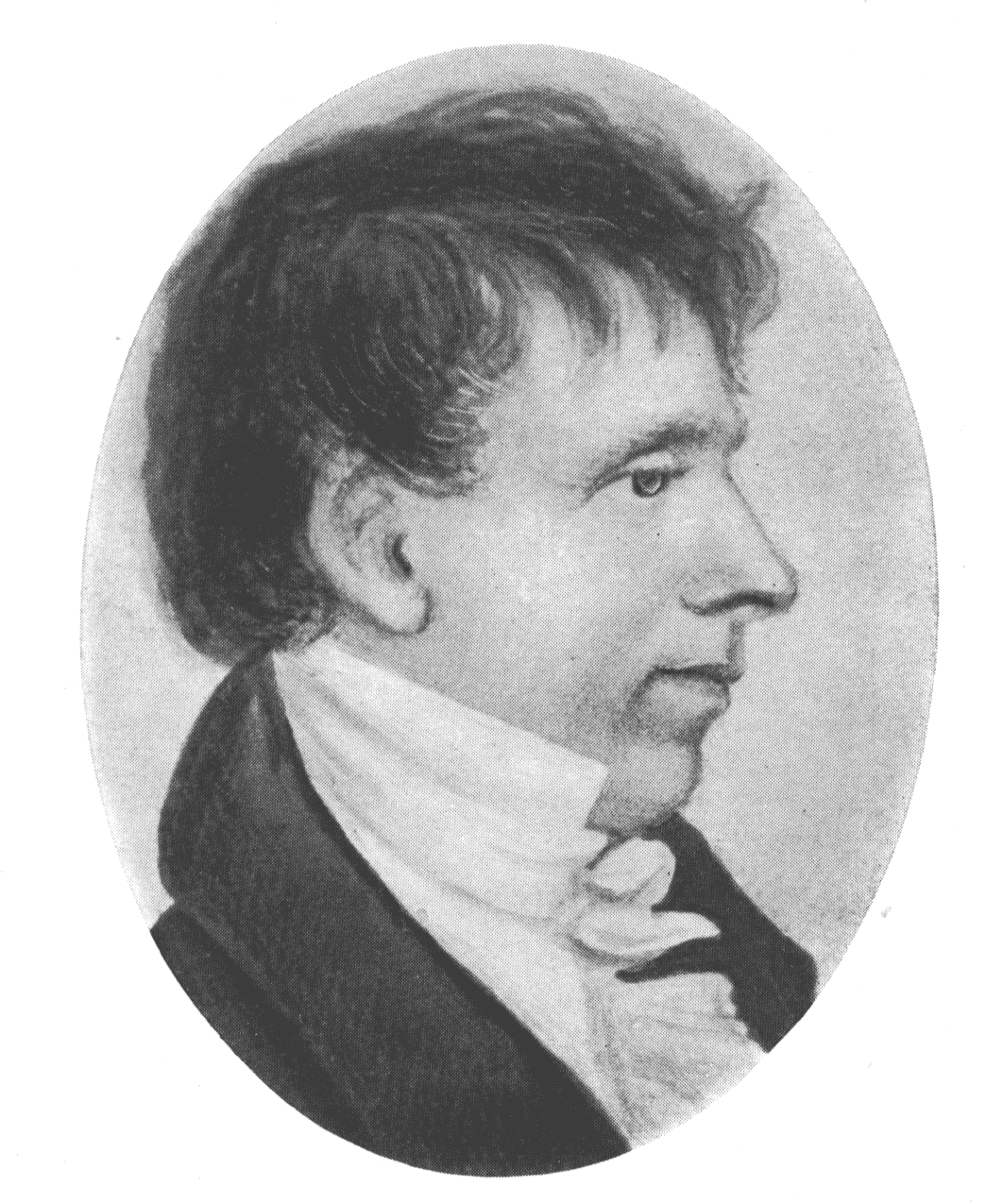
A military tribunal ruled that Joseph Smith, the President of the Church of Jesus Christ of Latter-day Saints (LDS), should be executed. Missouri Militia General Alexander Doniphan, recognizing the court-martial was illegal, refused to carry out the order, calling it “cold-blooded murder.” Doniphan wasn’t LDS but was willing to stand up for the civil liberties of a group whose beliefs he did not share.
Growing up in the LDS Church, this story shaped my understanding of religious liberty as both a right and a responsibility. To me, religious liberty is a shared conviction that every person, of any faith or none, is free to live by their deepest convictions, contribute to public life, and is responsible for protecting that same freedom for others — even, and especially, for those who hold different beliefs.
Some tell a different story about this country, that it belongs to one culture or heritage. That’s not how the founders wrote it, and it’s not how Doniphan acted. But it is a story with real force today.
In just the past year, an elderly Sikh man was attacked near the Sikh Gurdwara of Los Angeles; there were separate vehicle rammings and shootings at an LDS Chapel and the Temple Israel synagogue and school in Michigan; and five people were killed in an attack on the Islamic Center of San Diego.
Almost two centuries later the same question remains — does America have room for people who believe differently?
Almost two centuries later the same question remains — does America have room for people who believe differently?
Many Americans of different faiths, or no faith, are asking that question right now. These concerns are not abstract. In recent Interfaith America roundtables with Jewish and Historically Black Protestant leaders, participants spoke proudly of their communities’ contributions to American civic life but expressed concern about whether those contributions are valued or welcome. When people or communities feel unsafe or excluded, they withdraw from public life, deepening polarization and weakening social cohesion.
The challenge, then, is creating a democracy where people can bring their full identities into public life without fear.
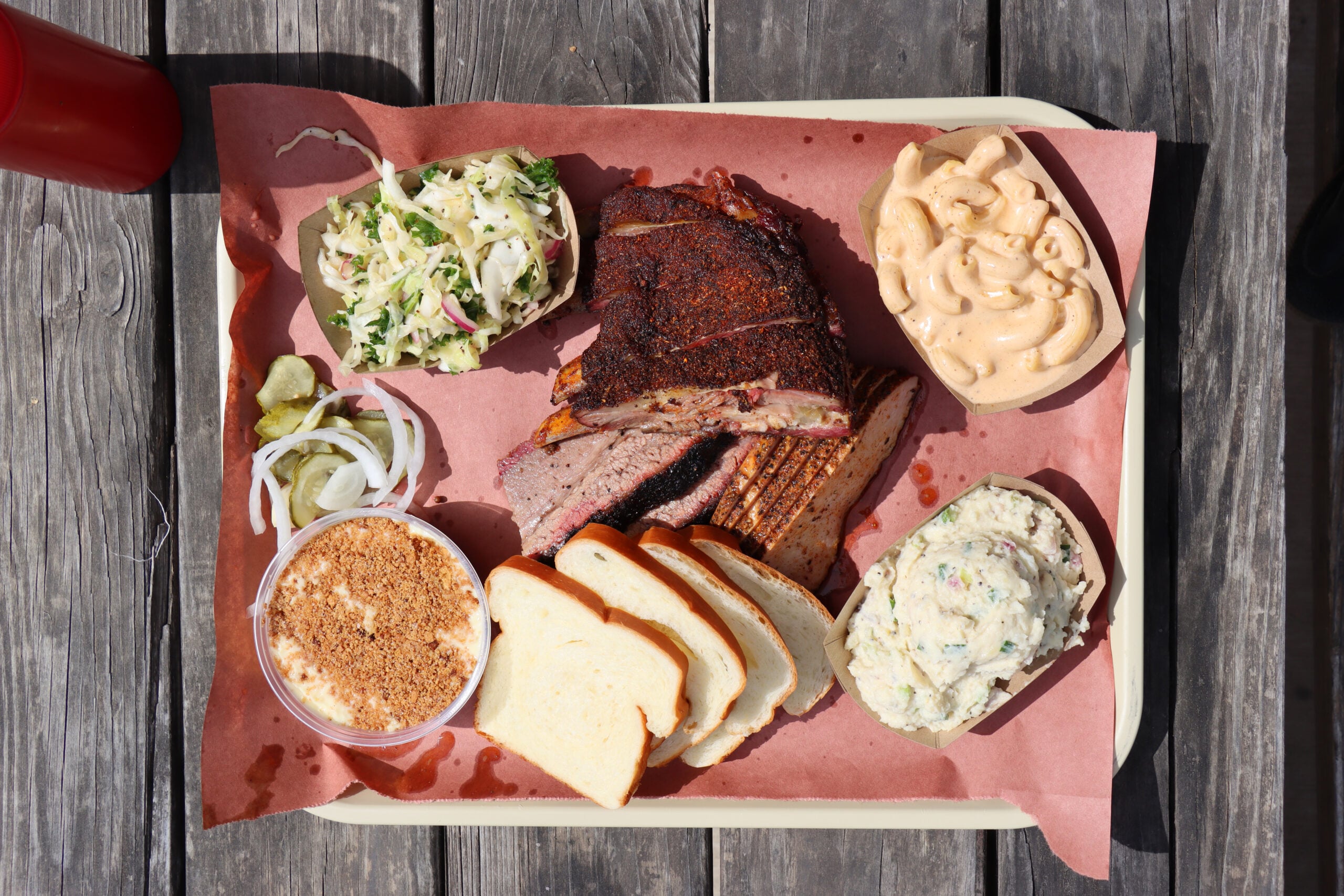
At Interfaith America, we call that vision the Potluck Nation: a society where people of different faiths, backgrounds, and identities bring their best “dish” to a shared table and work together for the common good. In a healthy democracy, everyone has a place at the table.
But a place at the table isn’t sustained by itself. We must create a culture where every person feels free to live by their deepest conviction, contribute to our public life, and takes seriously the responsibility to protect that same right for others–especially those who are different.
The good news is Americans may have more alignment on this issue than we realize. Research from More in Common found that roughly eight in ten Americans, across religious and secular lines, want the country to be a place where people of every belief, or none, feel they belong. That finding challenges narratives that portray American identity as rooted in a single culture or heritage.
But the same research found Americans significantly underestimate the degree to which other groups share that commitment. Data showed that evangelical Christians, Muslims, Catholics, and religious “nones” all support religious pluralism to a higher degree than others believe they do. More in Common calls this the “perception gap,” and it is in that gap that fear and suspicion grow.
Closing that gap starts small: showing up for our neighbor’s tradition, joining a service project, and speaking out against exclusion and violence, especially when it is aimed at a group that is different than ours. A religiously diverse democracy like ours only works if it works for everyone. It does not require anyone to water down or abandon their beliefs. In fact, we strengthen our civic bonds by embracing and living out our own convictions. This helps us to build a common life sturdy enough to hold real differences without asking anyone to disappear.
Who is this country actually for? It isn’t for one culture, deciding who else gets a chair. It’s for everyone willing to hold up both ends of religious liberty: the right to live by your convictions and the responsibility to defend that same right for others. That is how we ensure everyone can take their place at the table.
Scott Rasmussen
Scott Rasmussen is Director of Democracy Initiatives at Interfaith America.