
The next stage of workplace faith is not simply greater expression — it is building cooperation among employees with different religious, spiritual, and secular identities.
Faith at work is moving from isolated employee activity toward organized infrastructure. This month, a major Christian faith-and-work summit launched a global alliance focused on sustained collaboration, leadership development, and workplace engagement.
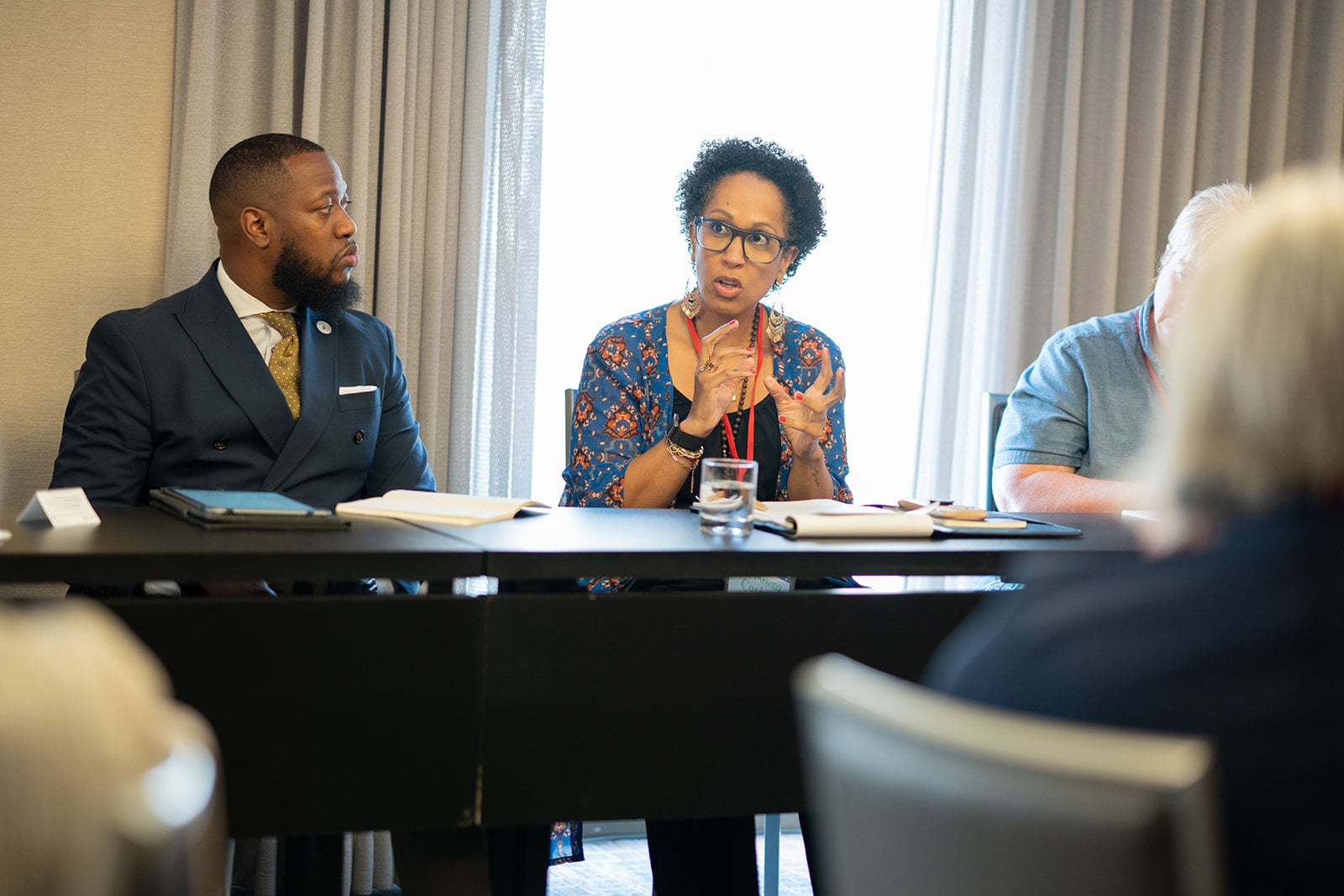
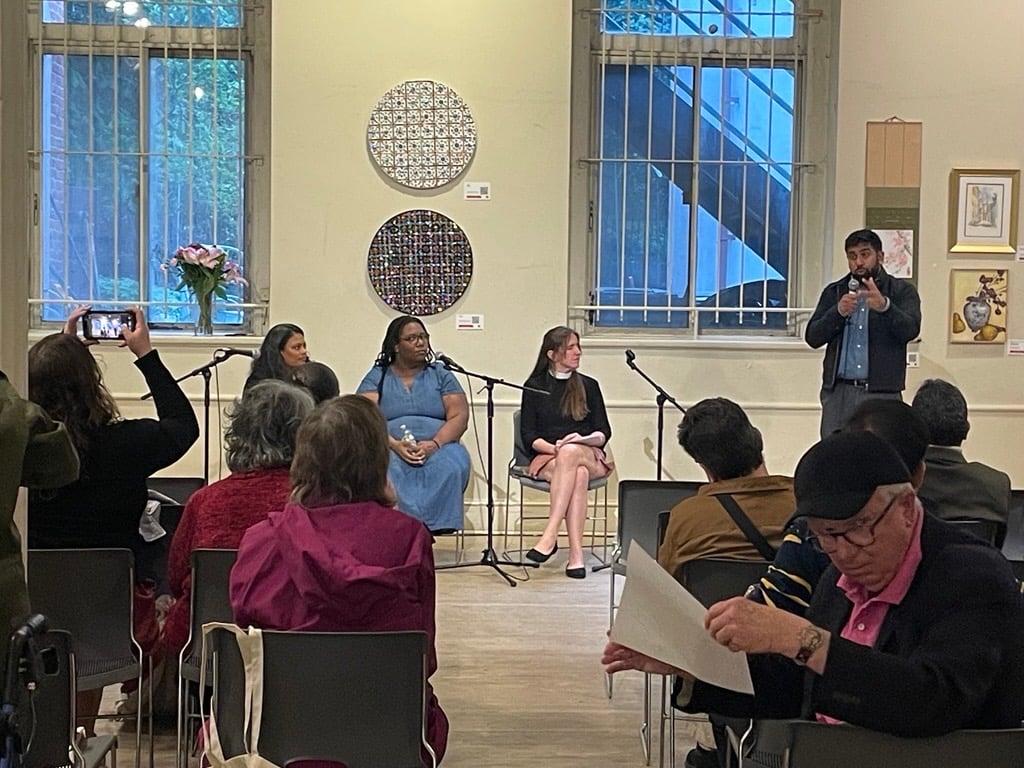
At the same time, Interfaith America reported that corporate Interfaith Employee Resource Groups are expanding membership, collaborating across identity groups, and creating spaces where colleagues can learn, serve, and build relationships across difference.
Together, these developments point to an important leadership question:
As religious expression becomes more visible at work, will organizations merely accommodate separate communities — or build the capacity for those communities to cooperate?
The strongest workplace-faith strategies do both. They create room for people to bring religious, spiritual, and secular identities to work authentically. They also equip employees to engage colleagues whose beliefs, practices, and sources of meaning differ from their own.
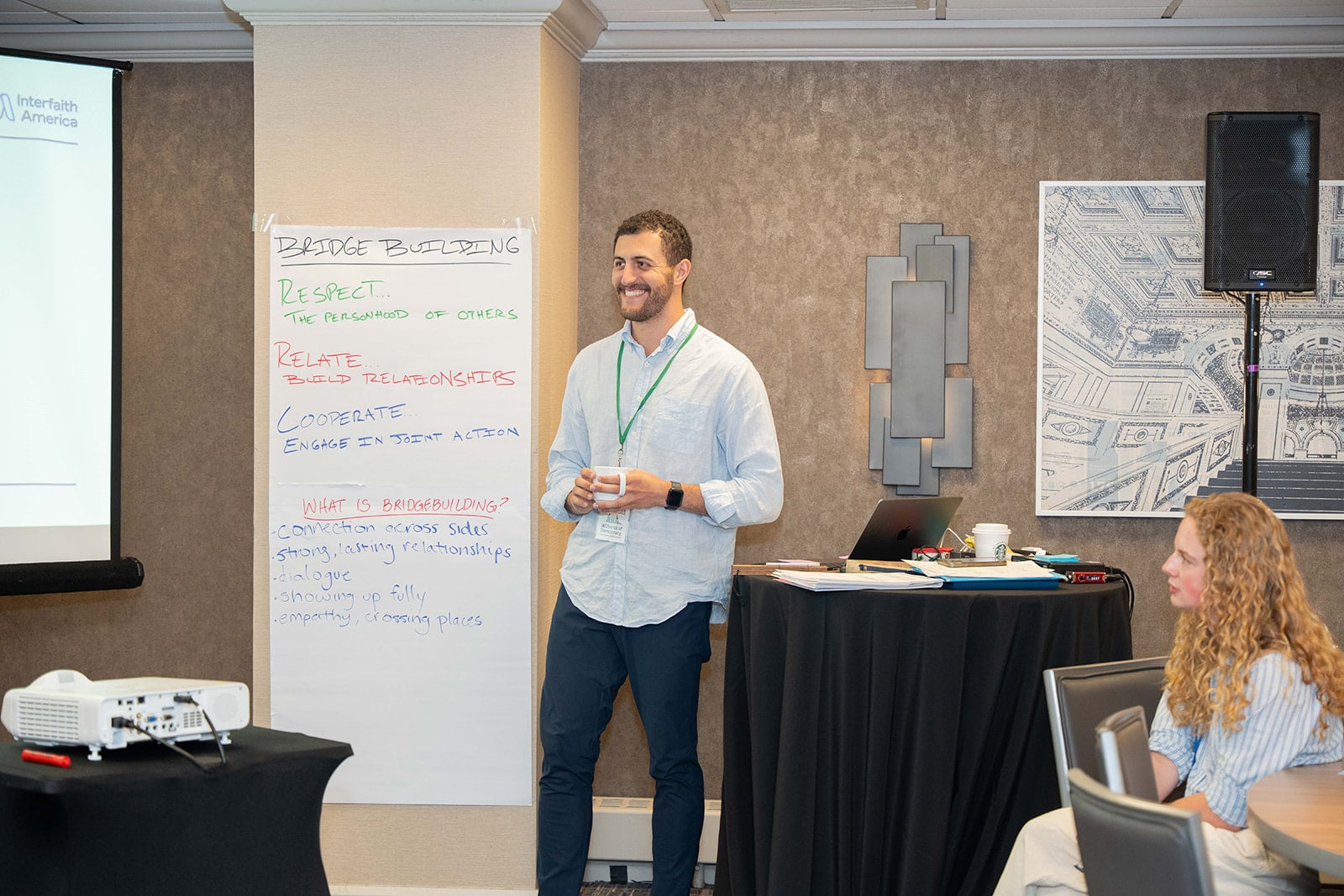
That is where Respect, Relate, Cooperate matters:
Respect identity and conscience.
Relate through curiosity and meaningful encounter.
Cooperate around shared organizational and community goals.
Workplace faith becomes an enterprise asset when authentic expression is paired with the skills to cooperate across deep difference.
Religious diversity is not only an employee-benefit issue. Engaged well, it becomes infrastructure for trust, belonging, resilience, and collaboration across the workforce.
Dr. Zahra Jamal
Dr. Zahra Jamal, Director of Workplace Strategy, leads consultations and custom curricula on religious inclusion for companies. With a Harvard Ph.D. and 25 years’ experience, she advises governments, Fortune 500s and nonprofits on interfaith relations, social impact and organizational change.