(Richmond Times-Dispatch) — Our nation and commonwealth will formally commemorate the 250th anniversary of our founding this July 4th. The anniversary should inspire gratitude and invite candor. Americans have inherited a remarkable constitutional order, but there is no guarantee that the civic habits necessary to sustain it will endure.
Virginia knows this truth well. The commonwealth helped give birth to the American experiment in self-government. Virginia politicians and Virginia ideas helped shape the principles and institutions of our democratic republic, yet the founders understood that constitutional forms alone could not preserve liberty. A strong and enduring republic would depend on citizens and institutions capable of self-restraint, moral seriousness, and a willingness to live with difference under a shared commitment to common law and a common good.
So how are we faring with this great experiment? Not well. Polarization, distrust, loneliness, and social fragmentation have weakened the civic habits that sustain democratic life. Public life today suffers not from a lack of opinions but from a lack of decorum and decency. Too many Americans have forgotten how to disagree without contempt, persuade without demeaning, and cooperate without demanding sameness.
Our democracy requires a better kind of civic character, one that insists on institutions that teach people how to live and work with others whose beliefs, backgrounds, and convictions differ from their own.
Our democracy requires a better kind of civic character, one that insists on institutions that teach people how to live and work with others whose beliefs, backgrounds, and convictions differ from their own. The good news is that across the state, pluralism-practicing institutions perform this needed work.
Pluralism in America rests on a simple yet demanding principle: a society composed of many religious, cultural, ethnic, ideological, and social groups can coexist and thrive within a shared political order while maintaining distinct identities. American pluralism, as conceived by our founding generation, does not require uniformity; rather, it requires participation, dialogue, mutual respect and fidelity to democratic institutions.
Our national motto, E pluribus unum, “out of many, one,” captures this aspiration. Our Madisonian constitutional design, as described in Federalist Nos. 10 and 51, provides the political framework. President Madison recognized that a free society would inevitably contain many factions and interests. His answer to our current condition would not be forced sameness, but a constitutional order capable of balancing diverse voices to safeguard liberty.
Virginian George Washington gave a young republic its moral expression, equally valuable in a pluralistic society. Washington understood that the true practice of pluralism does not represent weak conviction or moral relativism. In 1790, after receiving a letter from Moses Seixas of Newport’s Touro Synagogue seeking assurance of religious liberty for Jews, Washington replied that the new government would “give to bigotry no sanction, to persecution no assistance.” This mission statement remains one of the clearest statements of the American promise, and more than mere toleration. Our promise is equal dignity under law and a civic culture large enough to protect difference and promote unity.
Higher education has a vital role to play in reestablishing pluralism in practice.
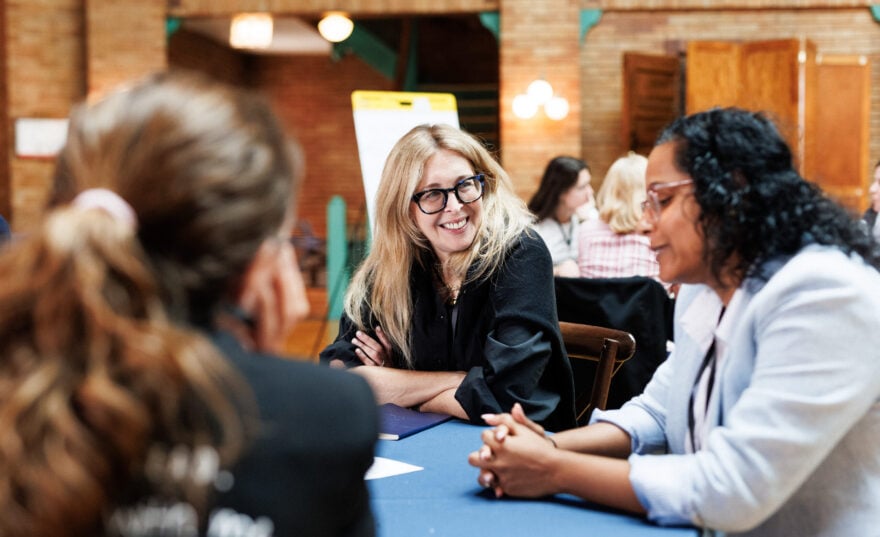
Higher education has a vital role to play in reestablishing pluralism in practice. Virginia’s nonprofit private colleges serve as places of instruction and community where students from diverse backgrounds, faiths, convictions and life experiences learn alongside one another. Pluralism on our campuses is not theoretical because our students experience it every day in classrooms, residence halls, student organizations and athletic teams.
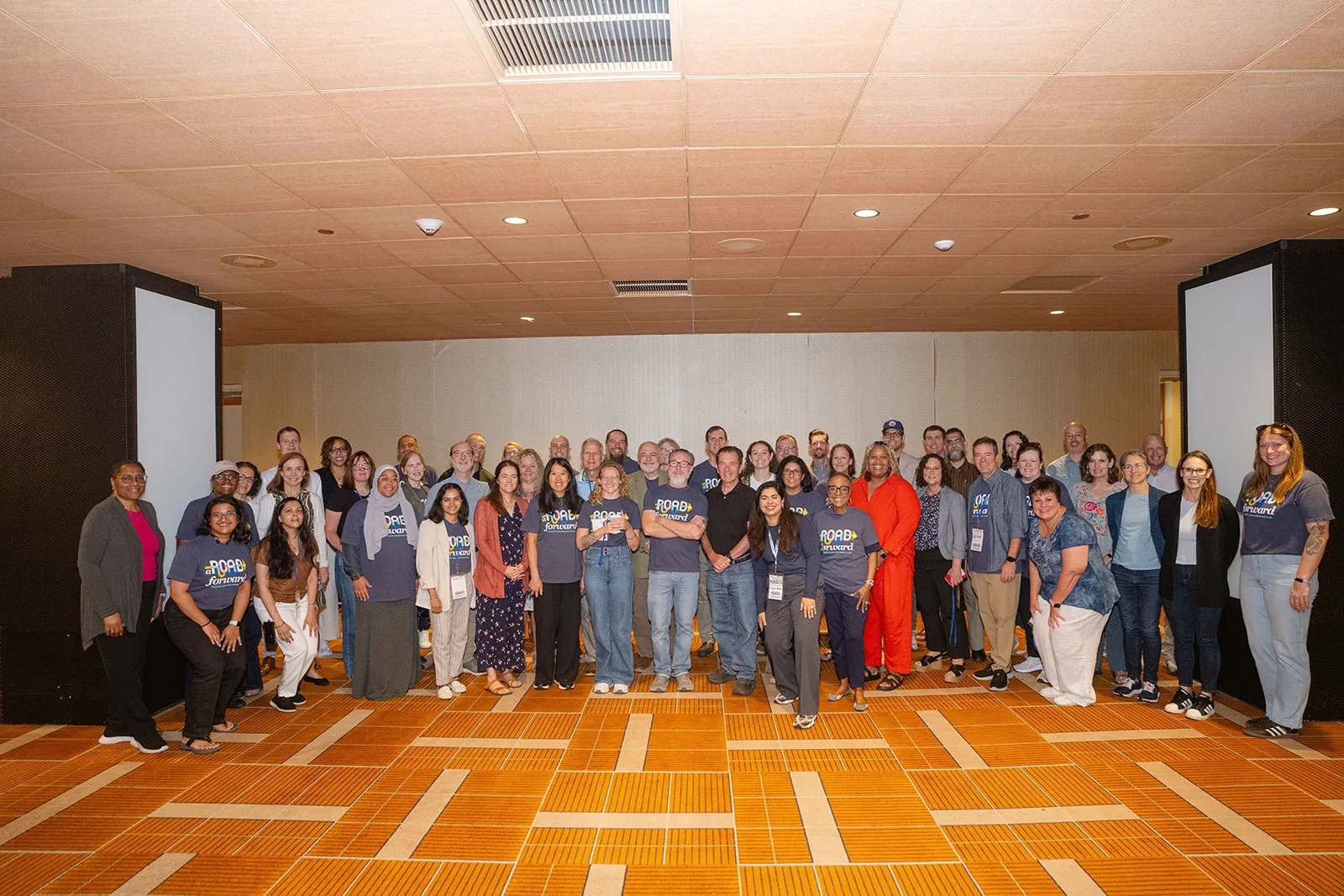
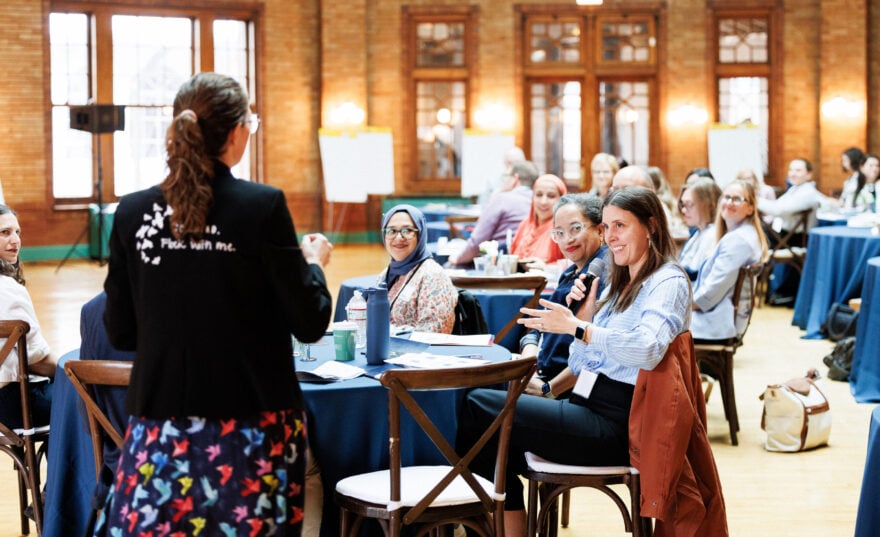
Our Council of Independent Colleges in Virginia, Inc. (CICV), commonly known as Virginia Private Colleges, seeks to meet our societal need through an important partnership with Interfaith America (“IA”) that launched the Advancing Campus Pluralism Cohort in Spring 2025, connecting 10 member institutions to become more intentional spaces for pluralism.
Our cohort matters because strategic partnerships matter. No single campus, nonprofit or civic organization can rebuild democracy’s social infrastructure alone. These strategic partnerships allow institutions to share best practices, build capacity, learn from one another and move from aspiration to implementation. Virginia Private Colleges serves as convener, partner and statewide support structure for this effort. Interfaith America contributes expertise, tools, funding to support implementation, and a tested framework. Participating campuses contribute leadership, creativity and institutional commitment. These initial results are more than any other new program. In fact, we have a network of institutions that intentionally and strategically practice pluralism, working together to strengthen democratic culture.
At Bridgewater College, first-year students participate in “Living in Community,” a peer-led Welcome Week program that uses real-life scenarios to cultivate empathy, communication and understanding, while student leaders receive training in active listening, conflict de-escalation, cultural awareness and bystander intervention.
Roanoke College created an institutional home for pluralism through its new Center for Civic and Religious Pluralism, which provides practical training in nonviolent communication, difficult dialogue, active listening and respectful conversation.
Randolph-Macon College has woven pluralism into its mission to develop both mind and character through its new Bridgeworks initiative, which builds faculty, staff and student capacity around a shared framework grounded in the principle of “Respect, Relate, Cooperate.”
Our college cohort proves that colleges help shape habits of mind and habits of conduct, and teach students to listen before reacting, to reason before condemning, and to understand that principled disagreement is not a threat to democratic life, but rather necessary.
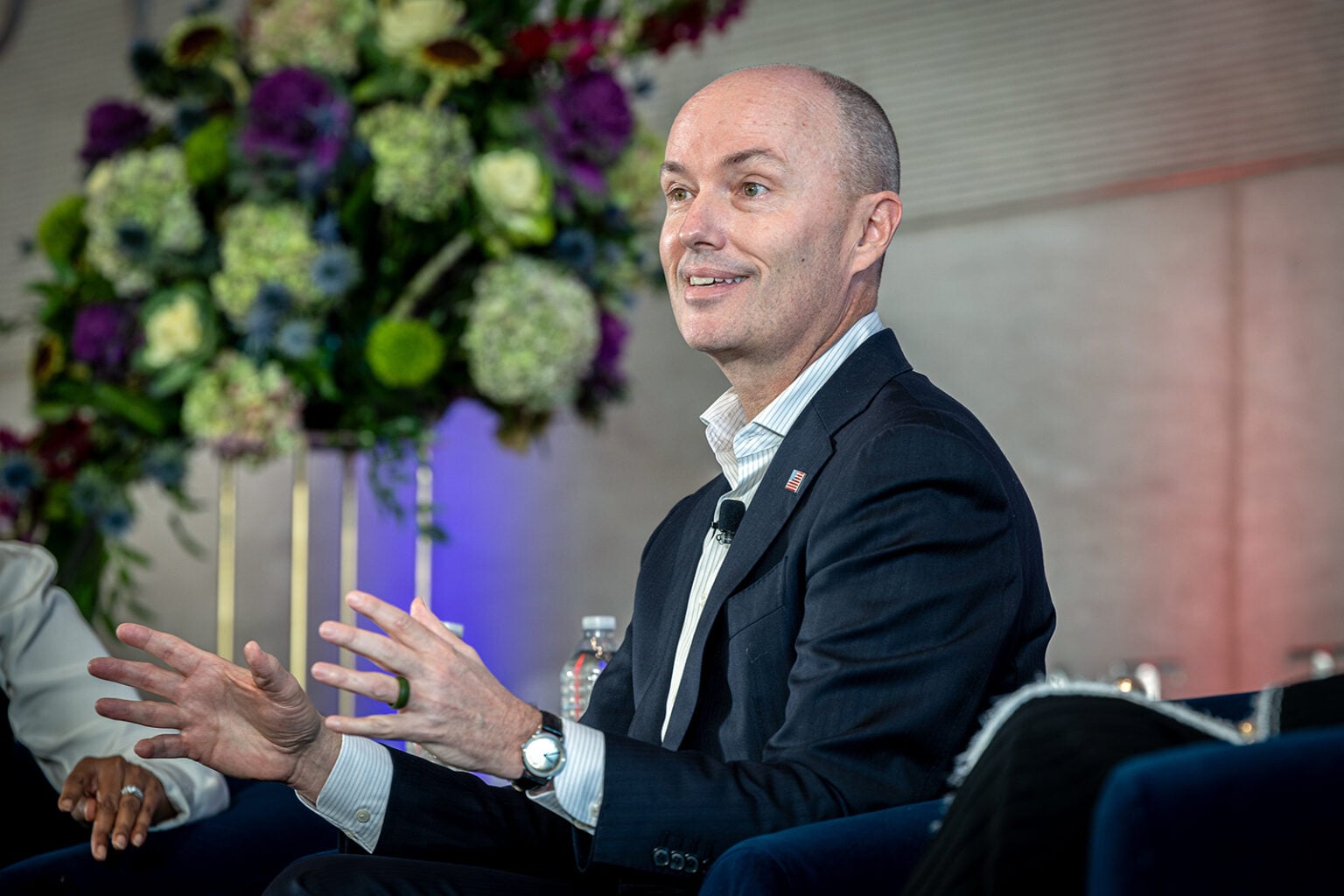
Virginia’s 250th should prompt more than parades, fireworks and other remembrances. The semiquincentennial should prompt renewal and investment in institutions that practice pluralism like ours. Institutions must also cultivate grace in disagreement, honor in conduct, and a spirit of peacemaking equal to the responsibilities of democratic life. As Interfaith America founder Eboo Patel said last month at Randolph-Macon College, pluralism is the work of community building in which people “respect, relate, cooperate.” Virginia would do well to take this charge seriously. If social infrastructure is built one relationship, one practice and one institution at a time, then pluralism-practicing colleges will help rebuild the kind of democratic future Virginia needs.
This commentary was originally published in the Richmond Times-Dispatch on May 31, 2026 and is reposted here by its author, Christopher K. Peace.
A former 14-year state legislator, Christopher K. Peace is now president of the Council of Independent Colleges in Virginia, Inc., which represents 29 nonprofit private colleges and universities.