
I had arrived in Minneapolis, Minn., last summer to attend an event celebrating the success of our Team Up Project at the University Y, on the University of Minnesota’s campus, when I stepped into my hotel’s elevator and encountered three teen girls. They were giggling, chatting, and clearly excited about something. When they asked what I was doing in town, I simply replied, “work,” but when I asked them the same question in return—their smiles lit up as they eagerly explained that they were here for college orientation.
These three were on the cusp of a new adventure: picking classes, exploring campus, and imagining all that was possible for their futures. Their energy and excitement were palpable, a reminder of how thrilling—and sometimes intimidating—the journey into college can be.
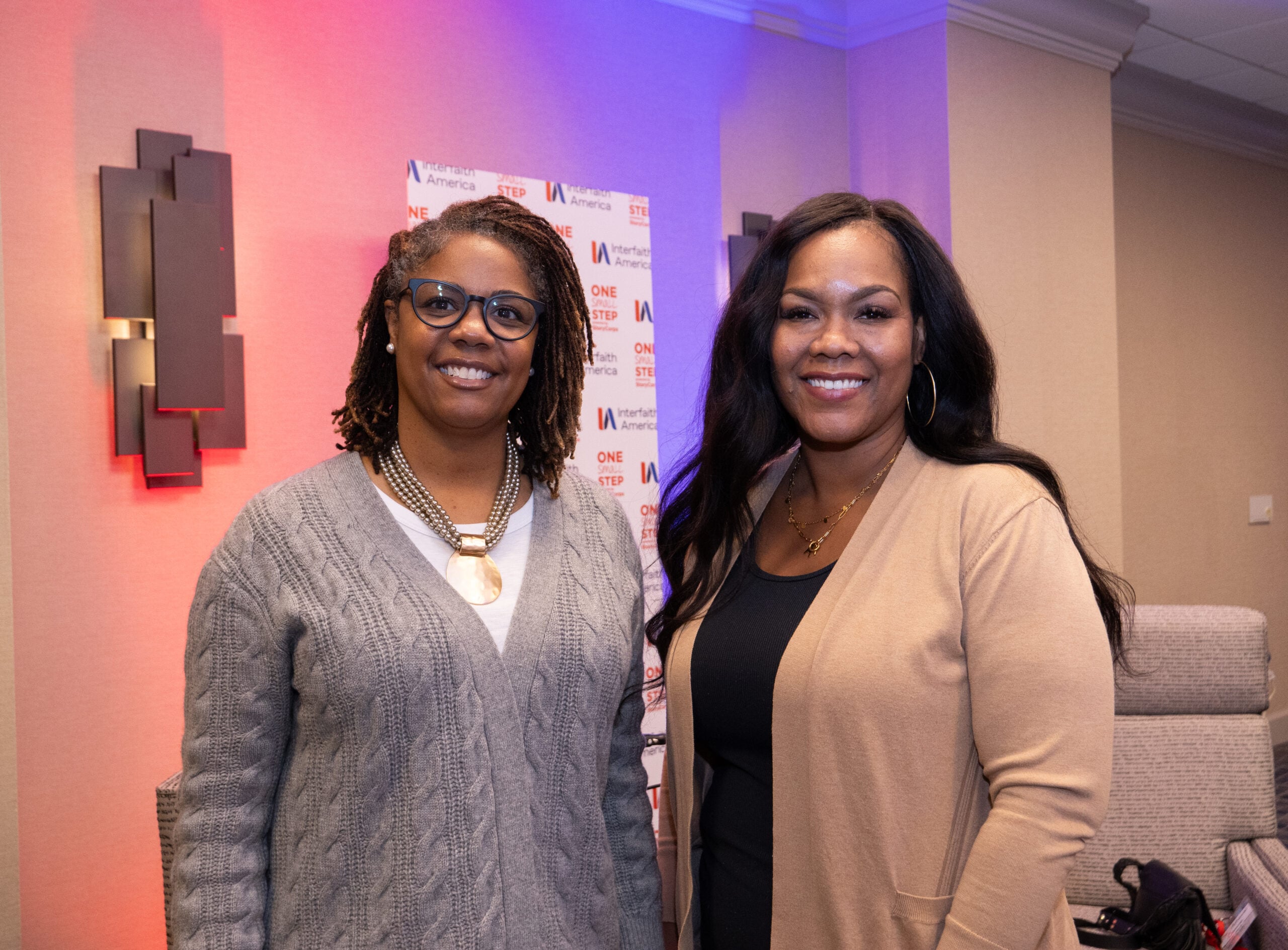
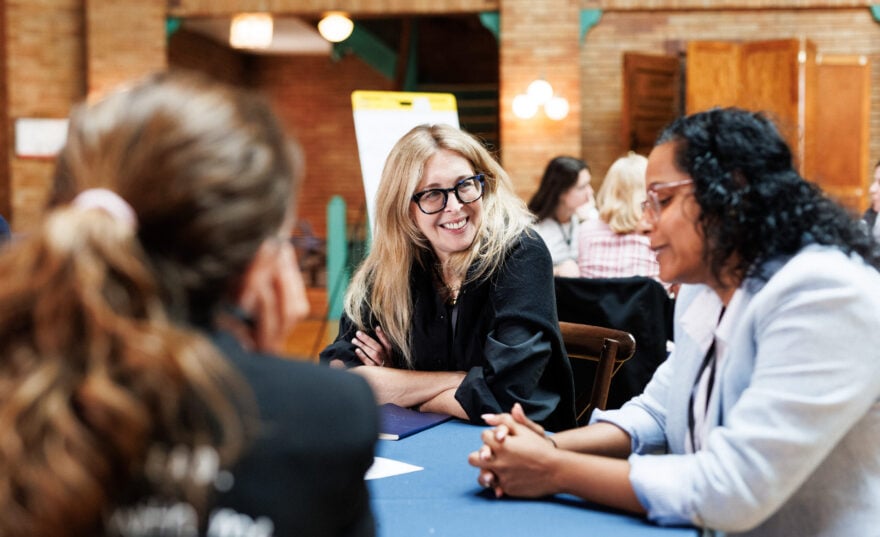
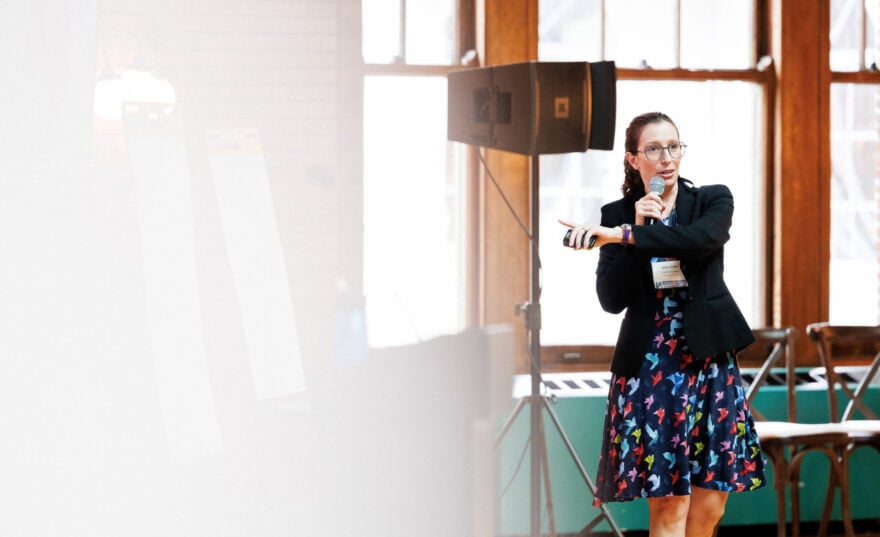
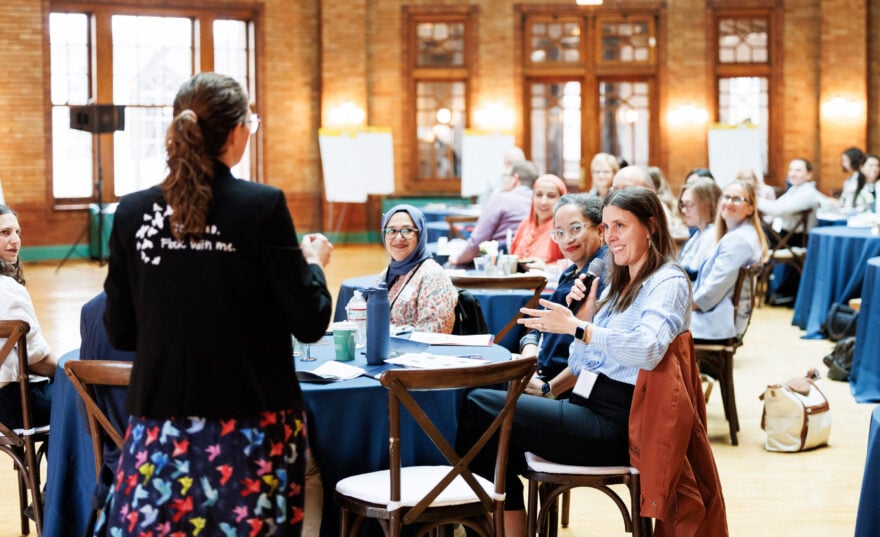
The next day, I was at the University Y office building for the “ALOHA! Team Up Project” final presentation, where I heard from three inspiring undergraduate students—Sharon Kimaiga, Colleen Hopkins, and Amran Yusuf. These student leaders spent their school year mentoring dozens of young people, many first-generation citizens and/or from low-income households, navigating their way through their academics and college admissions. And then, last spring, a unique opportunity emerged.
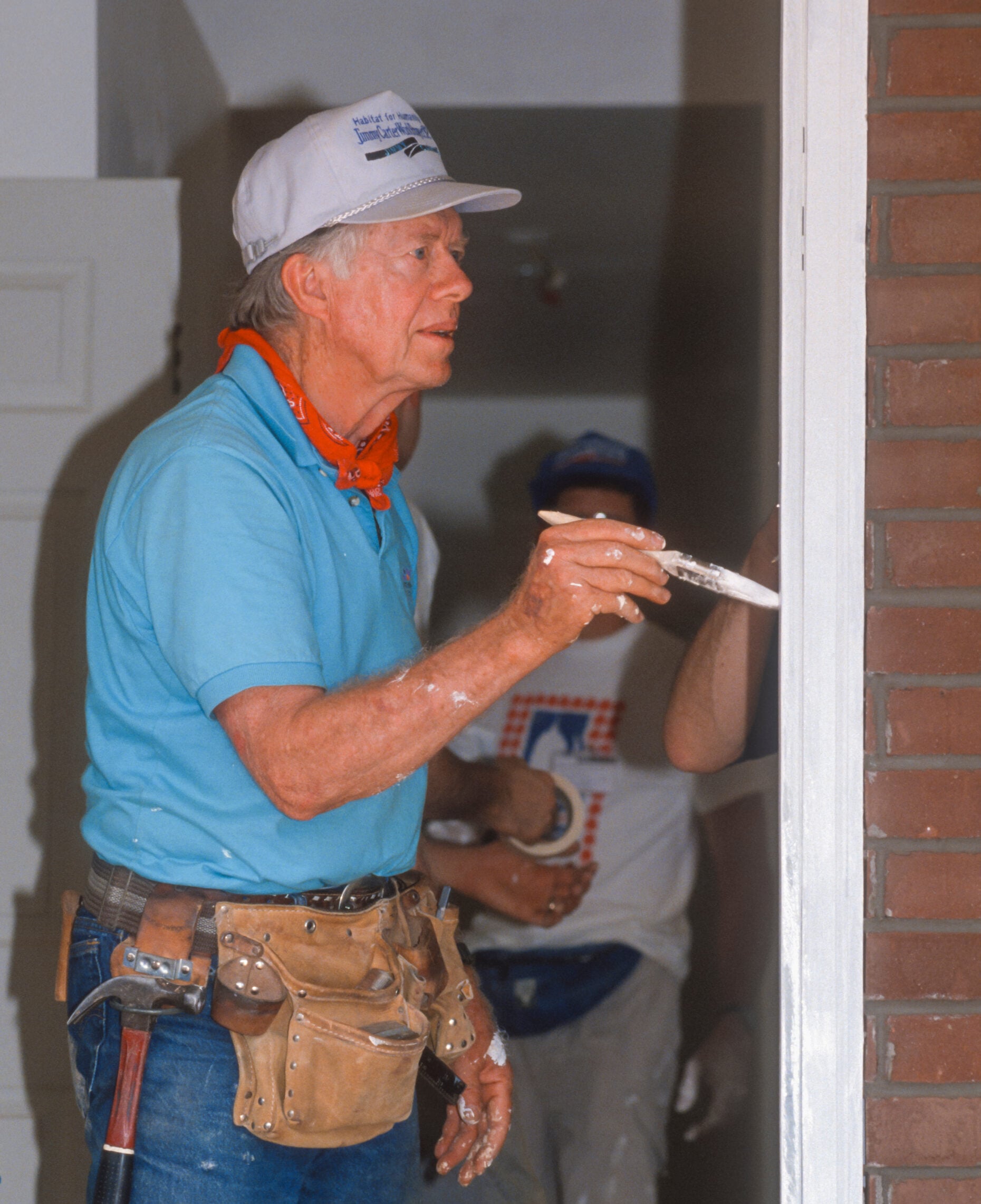
Through a partnership between the University Y at the University of MN at Twin Cities and the Atherton Y at the University of Hawai‘i at Mānoa, students from their respective colleges can seek out learning on a new campus. With the help of the Team Up Project — a national partnership between Interfaith America, Catholic Charities USA, Habitat for Humanity International, and YMCA of the USA, which champions bridgebuilding through service and supports communities in building connection across meaningful lines of difference — Sharon, Colleen, Amran, and two staff members were able to participate in a week-long immersion experience on O’ahu, learning from the Atherton Y College Camp team while experiencing cross-cultural mentorship firsthand.
In their new role, the three student leaders build relationships with the youth by providing 1:1 and small group support as well as leading their groups in educational learning activities. The camp provided opportunities for the youth and college mentors to visit several campuses as well as host guest speakers focusing on college and careers. And behind the scenes, Sharon, Colleen, and Amran spent countless summer hours preparing for this experience—researching, building a logic model, and interviewing youth leaders. Their goal? To take their learnings and design a summer camp for the University Y and Minnesota youth.
During the “ALOHA! Team Up Project” presentation, Sharon, Colleen, and Amran shared stories from this trip about battling bugs, conquering fears on ropes courses, and discovering how much they saw of themselves in the students they were mentoring despite their many “on the surface” differences. Through all their interactions, Sharon, Colleen, and Amran showed the youth they interacted with that college wasn’t just possible—it was something these students deserved and could thrive in.
Most importantly, they built authentic connections—bridging differences and fostering a sense of belonging. By centering their efforts on mentorship and college readiness and access, these student leaders discovered common ground and formed relationships that extended far beyond the classroom.
The reflections they offered provide lessons for all of us on bridgebuilding:
Amran shared that she “never felt like a stranger” despite being in a brand new place within a brand new culture. By learning how indigenous Hawaiian practices and values connected with her own, she was able to step into the community with confidence. Sharon described connecting with kids from vastly different backgrounds as though they “were [my] kid sisters.” And Colleen articulated how important the act of simply showing up can be to a young person.
These insights, paired with the understanding that many bridges already exist and simply need to be illuminated, remind us that bridgebuilding isn’t a distant goal—it’s something we can start today, right where we are.
Listening to their stories, I couldn’t help but reflect on my own experiences. Growing up in North Dakota with two foster sisters from Bosnia and Herzegovina, I learned early to navigate differences in language, culture, and faith. My mom worked for many years in college admissions, helping countless immigrant students and first-generation college-goers apply to school and celebrate their successes, and my brother, a rural high school music teacher, reminds me every day how meaningful it is to support students’ distinct passions and identities.
Sharon, Colleen, and Amran’s work embodies the principles I’ve seen make the greatest impact: respect for others, relating across differences, and cooperating to create access to opportunities. These actions are the bedrock of Team Up’s bridgebuilding practices, and these student leaders are living proof that small acts of mentorship can ripple outward, opening doors and building understanding.
They represent the very best of America.
As I left their presentation, I thought back to those three girls in the elevator, their faces glowing with excitement for the journey ahead. I thought of my own college years, where I encountered new ideas, cultures, and opportunities. And I thought of the student mentors at University Y, building bridges so that students from all backgrounds could step into their futures with confidence, joy, and a sense of belonging.
Bridgebuilding happens in moments both large and small—and its impact lasts far beyond a single summer, a single campus, or even a single conversation. It often starts in a simple interaction, like a meeting in a hotel elevator, or in a shared activity, like mentoring a student through their first steps toward college.