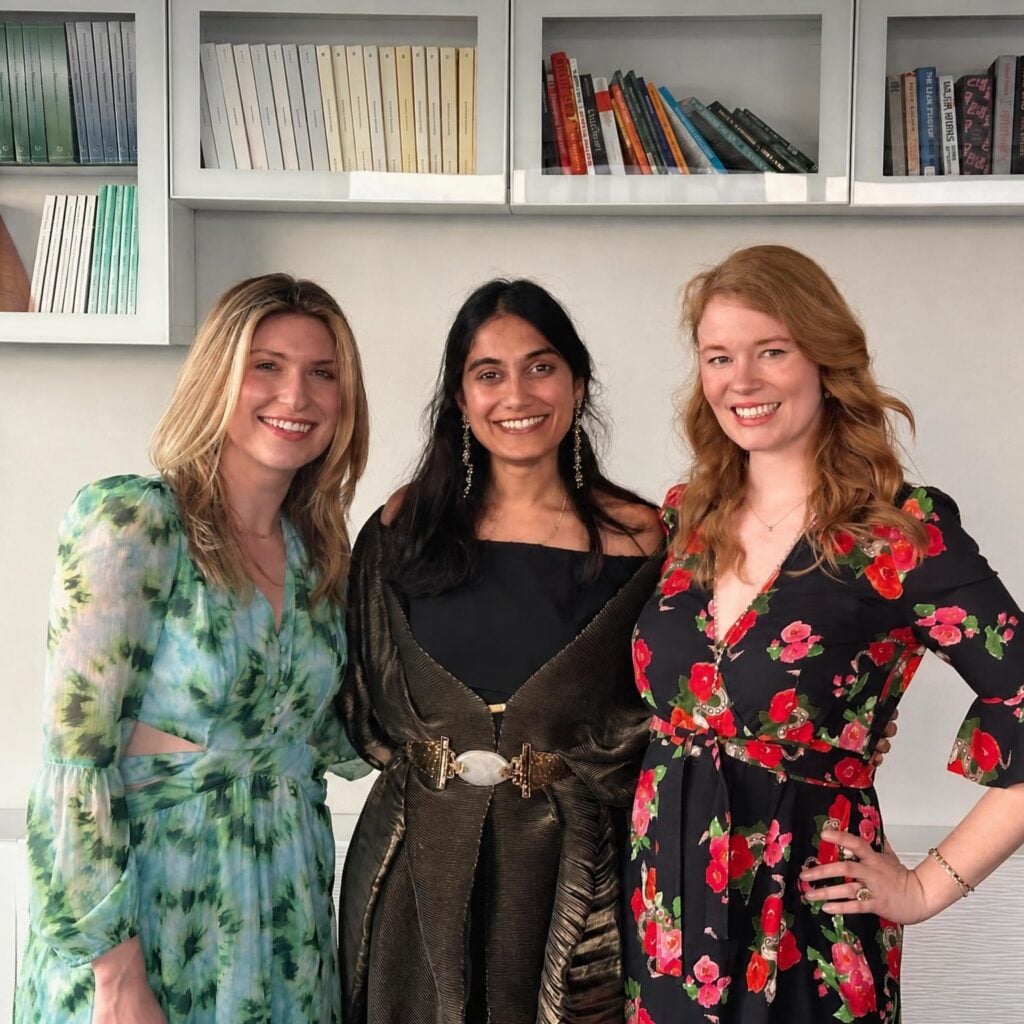
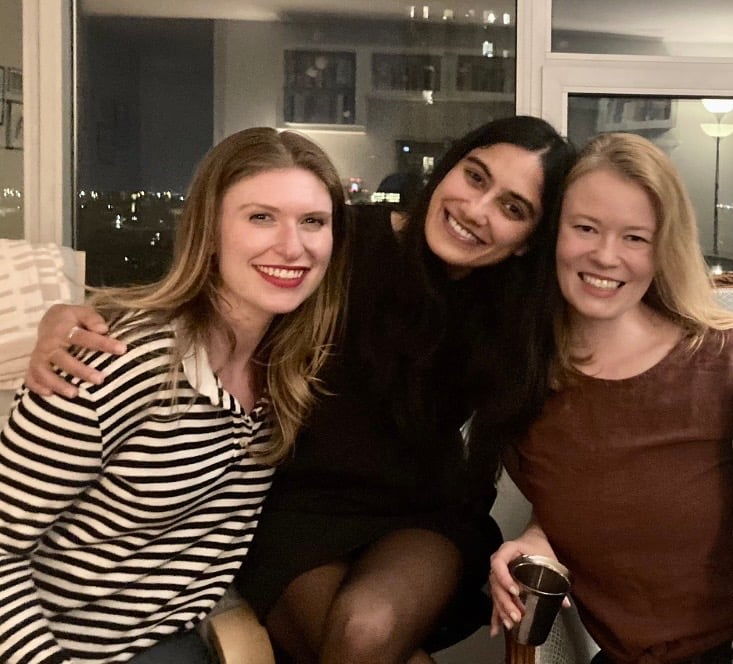
Over dinner just blocks from our alma mater, University of Chicago Divinity School, three old friends found ourselves talking about the state of the country, community connection, and the role faith plays in public life. We left nourished by the conversation and unsettled by a larger question: How do we measure the value of a field of study? For us, the value of religious studies is clear, even as recent federal earnings assessments and proposed funding changes suggest otherwise.
Now more than ever, our country needs graduates who can build relationships across identities, interpret differences with care, and put knowledge into practice. Religious studies forms exactly these capacities. It cultivates religious literacy, critical thinking, communication skills, empathy, and moral imagination: qualities essential for effective leadership, civic engagement, and thriving communities.
For each of us, these skills became a foundation for meaningful, effective careers.
Shradha Jain
Manager, Corporate Strategy, CDW
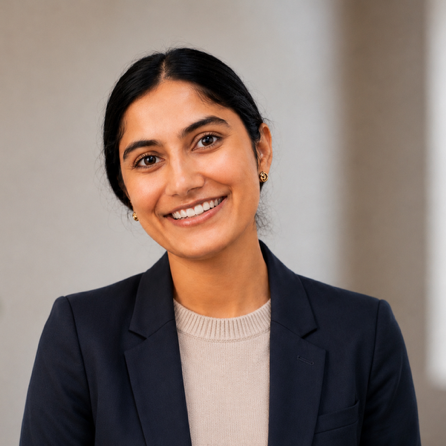
As a Jain, I pursued religious studies to explore my tradition beyond its most recognizable practices, including vegetarianism and fasting. I was interested in learning more about Jainism including its monastic rules, theories around exchanging gifts, and karmic structures. In the process, I became a translator, finding connections across seemingly distant worlds.
In graduate school, I encountered Jonathan Z. Smith’s account of how early European travelers first defined “religion”: Christians, Jews, Mohammedans, and “Idolatry”. The framework revealed more about its creators than those it classified, yet it shaped scholarship for centuries.
I think about these categories often in my work as a corporate strategy consultant. I help companies classify technologies and markets to guide investments. Yet reality rarely fits neatly into a box. A smartwatch can be hardware, software, and a service all at once. Data can inform decisions but not define absolute boundaries.
Religious studies taught me that categories are never neutral; someone always draws the line. It taught me to question inherited divisions, attend to the people within them, and seek deeper understanding. Whether classifying communities or emerging technologies, the challenge is the same: creating useful categories without mistaking them for reality. My education taught me to approach that task with humility, knowing that those we classify are always more complex than the boxes we place them in.
Hayley Segall
Advancement Coordinator, Interfaith America

When I was a student, people often assumed I wanted to be a rabbi. When I would explain that I studied South Asian traditions, I was frequently met with the same curiosity: Why study a tradition that’s not yours?
As the granddaughter of a Holocaust survivor, I grew up seeking to better understand our responsibility to one another as humans. Studying South Asian traditions transformed that impulse into practice. It deepened my hope in humanity’s potential and sharpened my understanding of what is at stake when we turn away from one another. It also taught me that realizing that potential requires engaging the nuanced mosaic of histories, communities, experiences, and identities that shape each of us. I see the impact of this education every day.
In my work on the Advancement team at Interfaith America, I rely on effective communication, storytelling, relationship-building, and collaboration to authentically engage donors, foundations, and stakeholders. The writing, analytical thinking, religious literacy, and intellectual empathy I gained through my education are skills I use daily to help enable our organization to build bridges across differences for the common good.
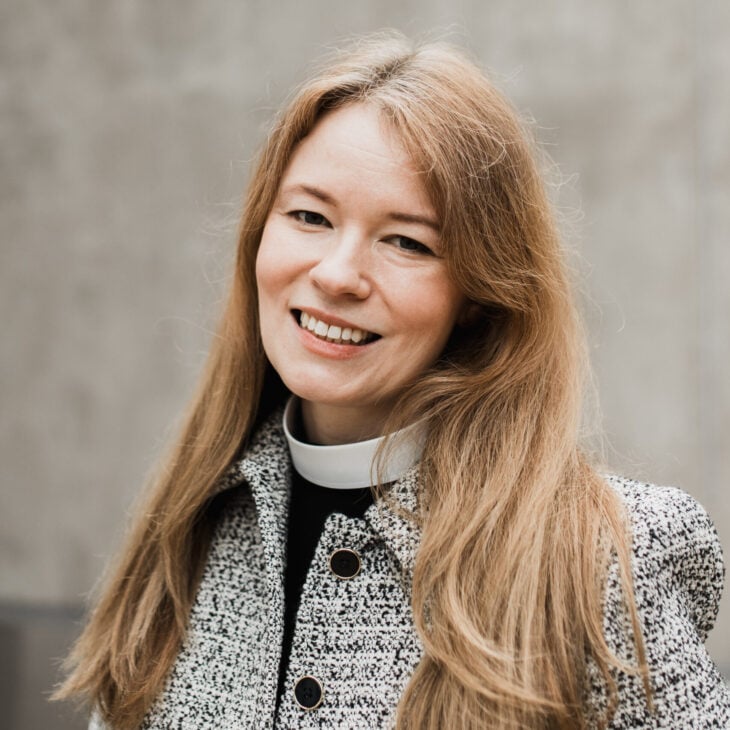
Shannon Smith Page
Episcopal parish priest, St. Augustine’s Episcopal Church in Wilmette, IL
“Is a wedding a happy occasion?” A Ritual & Speaking class we took as Master of Divinity students answered with a more complicated truth: weddings hold enormous joy alongside flecks of grief, anxiety, and family history. Together, our class explored ritual’s role in negotiating these conflicting truths.
Insights from that class shaped two weddings I officiated this summer. One couple honored the absence of their late fathers; another navigated the uncertainty of immigration and family divided by borders. The ritual of a wedding held joy and sorrow together, helping both couples enter marriage with a solid foundation to face life in its truest form.
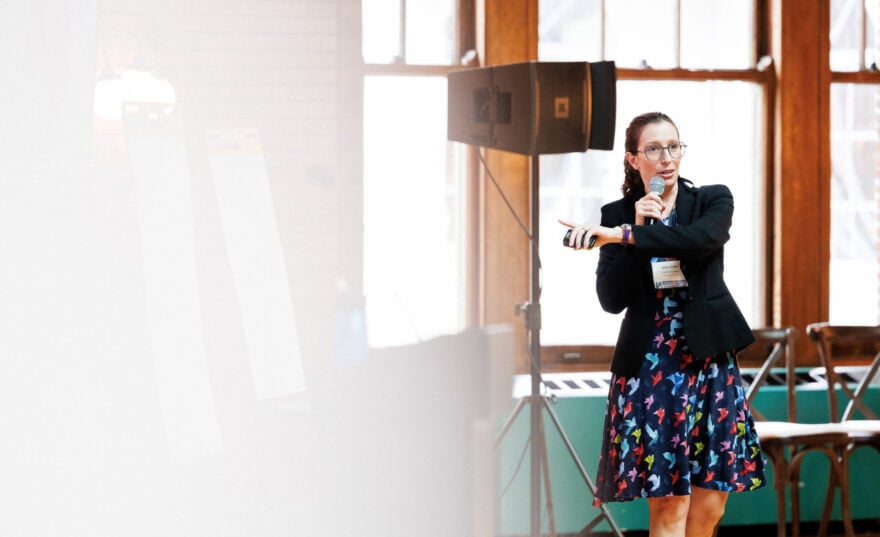
As an Episcopal parish priest, I help people navigate a deeply complex world, carrying both their highest hopes and deepest wounds. People are predictable and endlessly surprising. Each of us, however carefully we try to hide it, is dependent, needful, and limited in perspective.
Perhaps the greatest lesson of my education is how to humbly live and lead with all we cannot know. By studying religion — and forming relationships across traditions — I entered ministry prepared to support my parish as they navigate this beautiful, challenging, and mysterious world.
Financial stability matters, but salary alone cannot measure a field’s value, nor does religious studies lead to a single career path. Diplomat Eileen Donahoe, former NBA player Shane Battier, model Christy Turlington, and entrepreneur Tom Chappell all studied religion.
Some of education’s greatest returns are harder to measure: empathy, critical thinking, and the ability to engage and communicate across differences. Religious studies cultivates these capacities and prepares students to thrive in a complex world.