
With the rapid integration of AI tools across industries and increasing questions about who and what comprises a workforce, the task of religious inclusion in the workplace persists, perhaps contrary to common assumptions.
Technological innovations that bolster business outcomes don’t negate the need for the inclusion of religious, spiritual, and worldview identities and beliefs at work; in fact, our changing professional landscape requires increasing and mindful engagement with these aspects of employee experience.

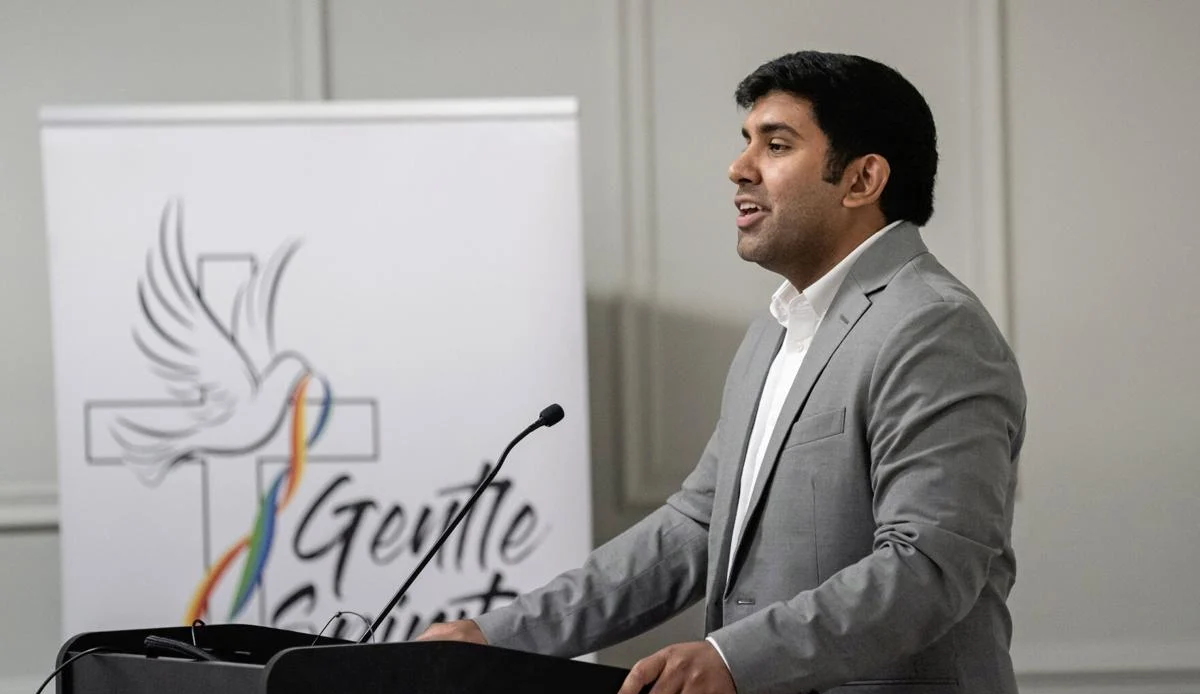
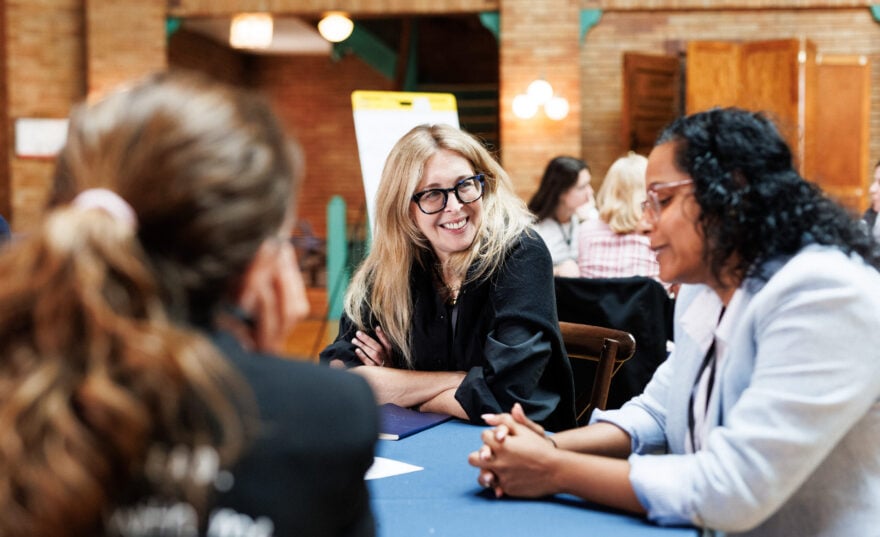
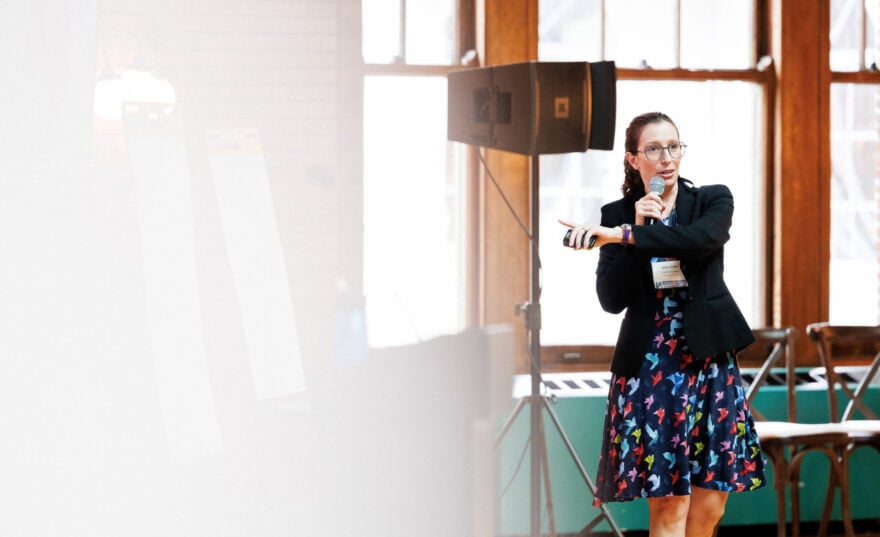
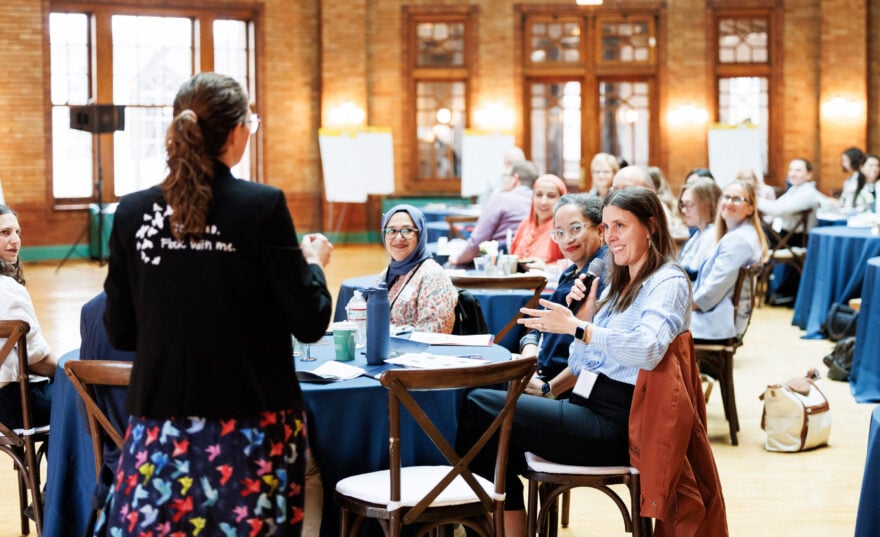
That was my biggest takeaway from attending and judging the fourth annual Faith and Belief @ Work Case Competition at Brigham Young University in early February. Teams of MBA students from institutions across the country gathered at BYU’s Marriott School of Business to engage a case study representing today’s most pressing concerns around faith and belief in the workplace, strategize innovative solutions, and learn from experts in the field.
This year’s case represented a real scenario faced by competition sponsor ServiceNow and presented teams with the problem of adapting agentic AI models that are built upon Western, secular data sets for religiously distinct and diverse workforces in the Middle East and other non-Western markets. Highlighting ServiceNow’s mission to “put AI to work for people” and the company’s interfaith Employee Belonging Group (EBG) as an important resource in executing upon that mission, the case invited MBA students and judges alike to meaningfully center respect for diverse identities and observances when building trailblazing technologies to transform employee engagement and satisfaction.
The emphasis on AI in this year’s case intentionally brought dynamics of workplace belonging into a hyper-relevant conversation about new technologies influencing workplace cultures, perhaps in an effort to entice new interest from MBA students in issues of faith and belief at work. But for a number of students present, a genuine curiosity for understanding other faiths and overcoming ignorance-based bias was what brought them into the event’s fold.
“In my undergrad, I studied film and media, and there’s a really big gap in accurate representation of faith in the media. Not only is faith being misrepresented, [the media] are missing better stories,” said Jonathan Rollins, a member of the case competition’s organizing team and an MBA student at BYU. “When I went to business school, I realized that a lot of these same issues existed in the workplace. People just don’t understand each other, or if there are efforts to reach out and have interfaith moments, a lot of times it’s like, ‘Oh, we all believe the same thing, anyway,’ instead of highlighting [each other’s] differences and how you can learn from those differences.”
A reflection like this from a student representing the future workforce may come as a surprise to many professionals in the United States today, where public narratives frequently highlight the declining affiliation with and interest in religion among American youth. Employers, as a result, may downplay the role that faith plays in the lives of young workers and exclude religion from internal culture, inclusion, and belonging strategies. My conversations with the teams of MBA students competing that week tell a far different story.

“When I discovered my relationship with God and started developing relationships with people of faith, I realized the people I encountered wanted to do good work in business because of their relationship with God,” said YJ Lin, a member of the first-place competing team from Carnegie Mellon University. “When I pursued my MBA … the biggest question that one of my mentors asked was, ‘How is God going to use you with an MBA?’ Then, when I saw this case competition specifically focused on faith, there was no other place I’d rather be.”
Lin was not the only competing student I spoke with that week who highlighted their personal faith as a motivator to participate in the case competition and to generally consider how people of faith show up to work. Several students I spoke with shared reflections on a common theme: They found meaning in their faith and held lifelong spiritual commitments, but their MBA programs and professional experiences did not make space for them to safely and respectfully share this aspect of their lives. As these students look ahead to graduation, they expressed wanting to make space for themselves and their future colleagues to bring their full selves to work, regardless of the changing professional landscape around them.
“Faith for me is really important as someone who practiced HR for several years before coming to business school for entrepreneurship. Contrary to what people think — that you need to … come to work and show up differently [than who you are] — I believe that there’s space for everyone in the workplace,” said Daniel Gberbie, a member of the second-place competing team from Duke University. “Encouraging people to show up and be themselves in the workplace … and creating a space for employees to openly discuss topics like this that mean a lot to them is very important.”

Alongside a deep interest among the competing students in making space in the workplace for faith and interfaith understanding, the competition’s sponsors and judges represented the ways in which such spaces are already being cultivated and championed. A presentation from the Ford Motor Company on the competition’s second day elevated Ford’s global Interfaith Network, a space for employees of all backgrounds to share in holiday celebrations and learn one another’s traditions. In a closing keynote, a member of Tyson Foods’ in-house chaplaincy team shared how providing spiritual support has transformed the ways in which his colleagues show up to work in times of hardship. And during the competition’s kickoff, ServiceNow shared the real story of how members of their interfaith EBG organized a panel for their colleagues on engineering technologies that meet the needs of religiously diverse clientele.
The Faith and Belief @ Work Case Competition served as a one-of-a-kind gathering place for future workers and seasoned professionals who represent a diversity of personal and professional backgrounds to bond over a common concern for supporting faithful practice and interfaith understanding at work. As our nation and the world adjusts to a new reality in which AI is rapidly changing how we do our work and how we navigate the civic spaces that are our workplaces, the BYU Case Competition and the people it brought together remind us that religious identity and observance will remain a key area of engagement not only for HR and belonging specialists within organizations, but also for those building cutting-edge consumer-facing products for religiously diverse audiences.
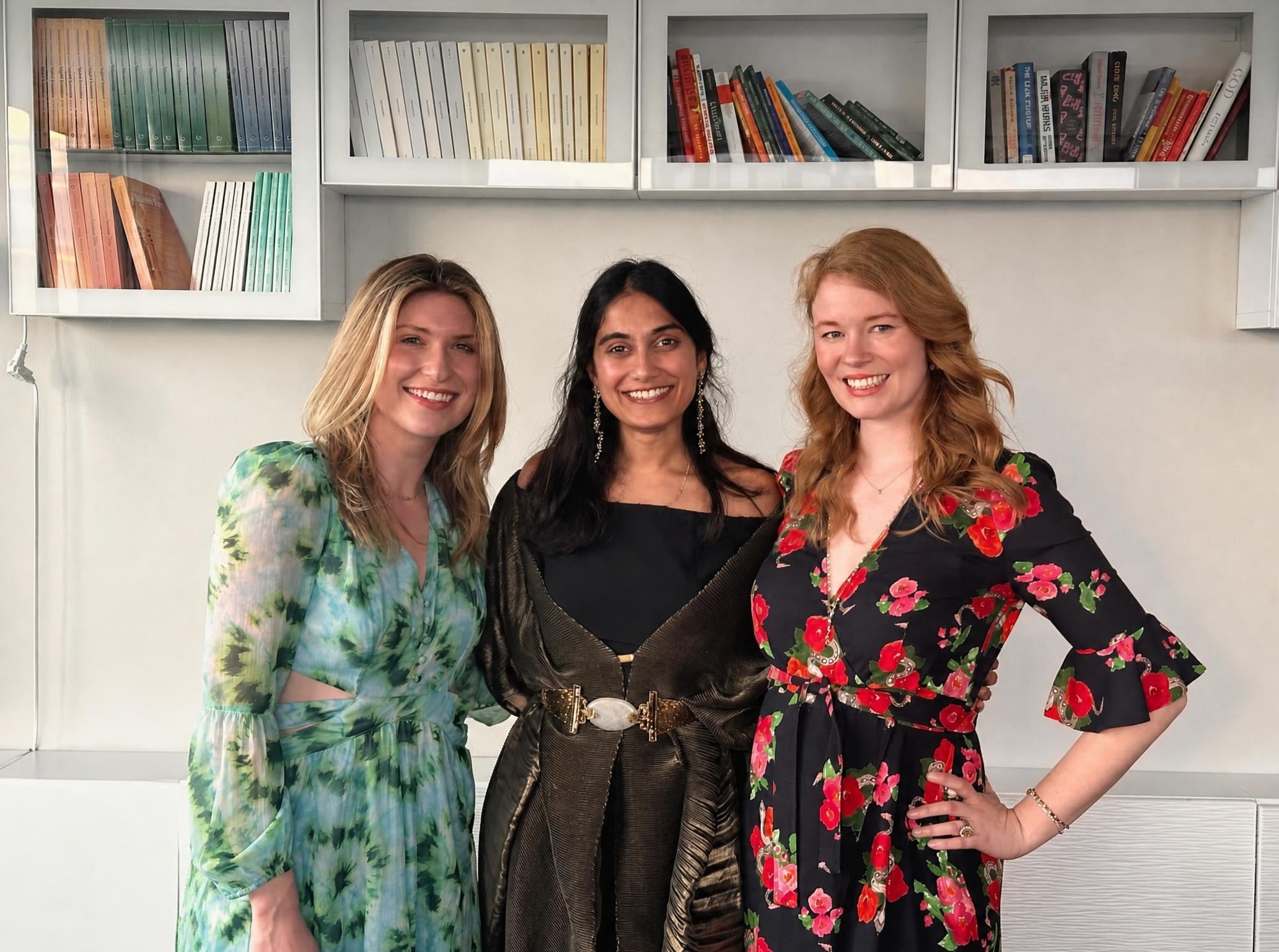
Harmeet Kaur Kamboj is the Assistant Director of Workplace Strategy at Interfaith America.