If you’re a teacher and looking to teach kids how to build bridges across our differences, consider the humble origins of the beloved ice cream cone.
At the 1904 World’s Fair in St. Louis, a Syrian baker named Ernest Hamwi noticed that his neighboring ice cream vendor had run out of dishes. He rolled his thin, crisp waffles into cones to provide an alternative “dish” to serve ice cream. It was a small gesture of cooperation, a small act of ingenuity — and a Muslim American immigrant gave this country one of its most cherished desserts.
Pluralism — the idea that we can bring our various identities and backgrounds and work together for the common good, while making room for everyone — is not some abstract ideal. It is a daily practice, a set of skills and a way of being in relationship with others who do not share your story. If we want the next generation to navigate a world marked by conflict and polarization, we must teach those skills intentionally, long before they reach adulthood.
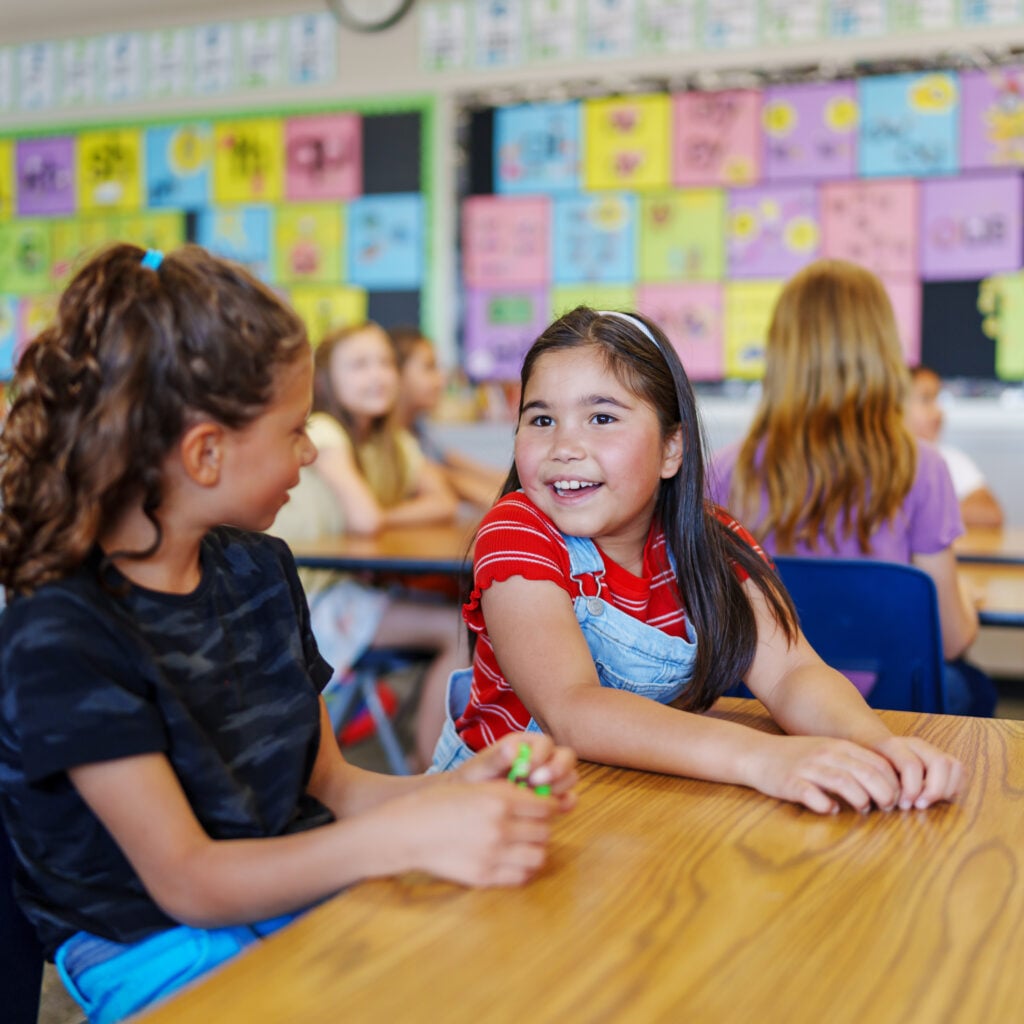
Schools are places where pluralism is not theoretical — it is an everyday lived experience. Every day, students sit beside peers whose families pray differently, vote differently, speak different languages at home, or carry different memories of the world.
In a society where adults increasingly self‑sort into ideological enclaves, classrooms remain one of the last shared civic spaces — which makes them powerful laboratories for learning how to cooperate across difference.
But where to start? Here are five ways you can nurture pluralism in your classroom:
1. Create space for students to name and honor their stories.
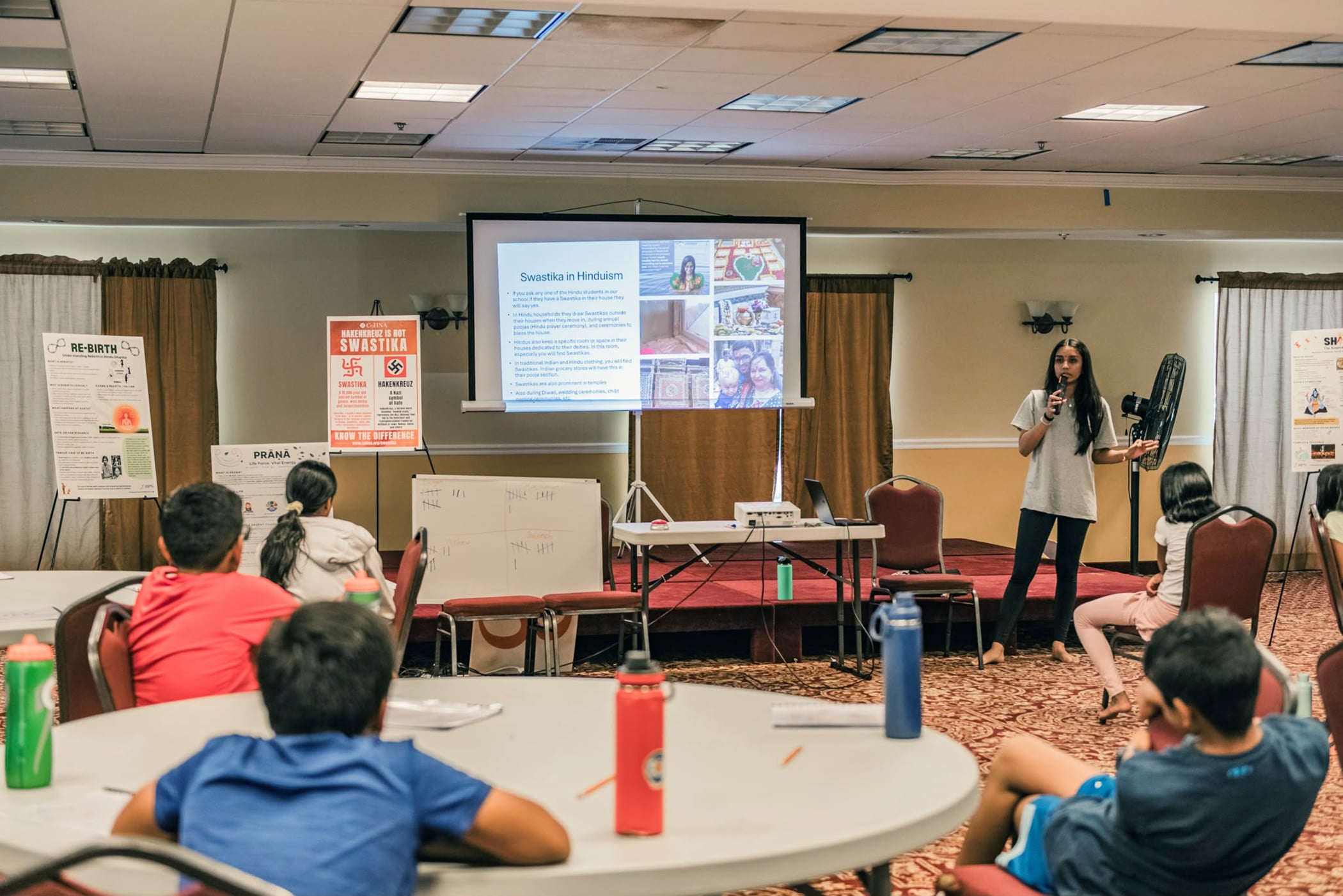
Pluralism begins with respect and recognition for different identities. Invite students to share the traditions, values, or communities that shape them — religious, secular, cultural or familial. When students see their identities and narratives respected rather than avoided, they learn that difference can be celebrated and navigated in productive ways.
2. Teach the skills of constructive disagreement.
Disagreement is inevitable in a diverse society, but a sense of curiosity can help us navigate disagreement. Help students practice paraphrasing another person’s view accurately — giving them an experience in trying to understand a viewpoint that is different than their own. Practice asking questions that deepen understanding and separating critique of an idea from critique of a person.
3. Build relationships across lines of difference on purpose.
Organize your classroom experiences to bring different student experiences into relationship with each other. Structured pairings, rotating discussion groups, or collaborative projects help students connect with peers whose stories differ from their own.
4. Use moments of tension as opportunities for learning, not avoidance.
When global events surface in the classroom, students bring grief, confusion, or inherited narratives from home. Instead of shutting down difficult conversations, guide students in exploring complexity with empathy and humility. Create journaling spaces for students to process their own thoughts and opinions and to open up the conversation in small groups or full class discussions.
5. Engage students in shared action for the common good.
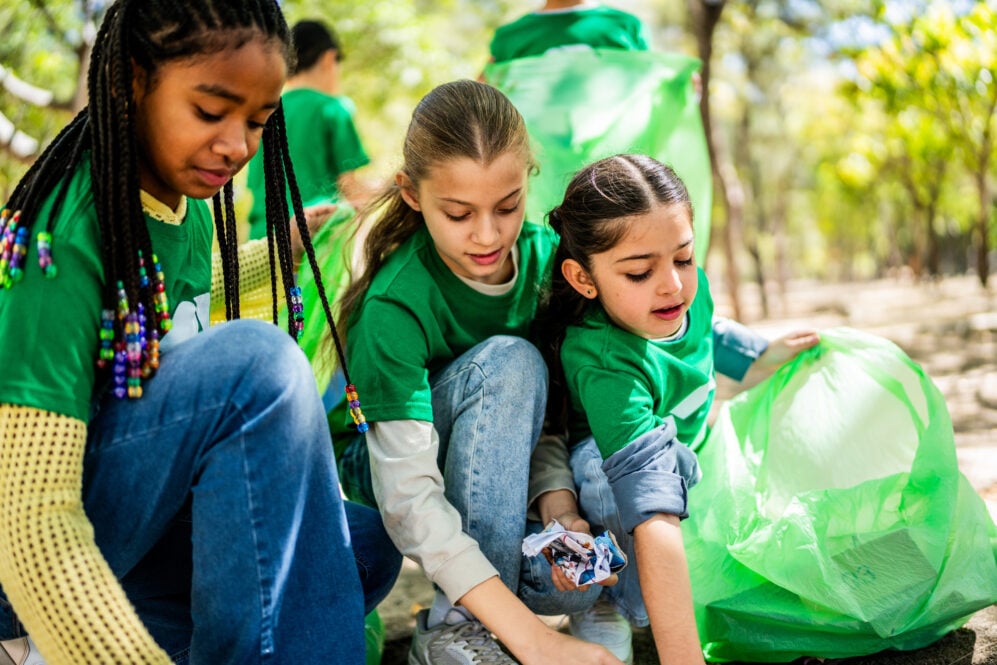
Nothing builds trust across difference like working together toward a shared goal. Whether it’s a service project, a classroom responsibility, or a collaborative problem‑solving activity, common action helps students experience what cooperation across difference feels like.
Pluralism does not promise comfort; it promises encounter. It asks us to stay in relationship even when our identities, memories, or political commitments collide. That is why pluralism has always been contested: it forces us to confront the tension between who we have been and who we hope to become.
America’s story is full of moments when fear overshadowed our better angels — when communities were excluded, surveilled or scapegoated. Yet it is also full of moments when people reached across lines of religion, race and ideology to build something larger than themselves. Pluralism lives in that tension. It is not a finished achievement but a practice, renewed or abandoned in each generation.
We need to make our classrooms brave spaces that teach students how to listen generously, disagree respectfully, and hold complexity without sliding into fear or hostility. These are skills — civic skills — that must be taught with the same intentionality we bring to reading, math or science.
Without guidance, young people may be tempted to mirror the polarization they see all around them. But with guidance, they can learn to navigate difficult conversations with empathy, humility and generosity.
Pluralism has never been a passive exercise; it is a promise we must build into our shared story through our choices, our relationships and our willingness to cooperate — even when it feels hardest. American pluralism is a promise that we build into being with our collective actions, one classroom at a time.
Jenan Mohajir
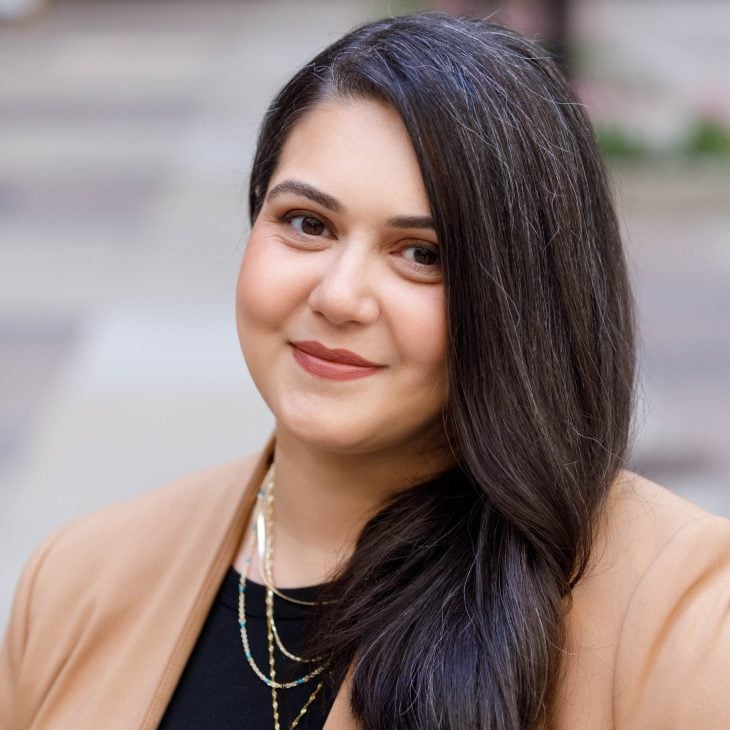
Jenan Mohajir began her career as an elementary school teacher and now serves as Vice President of External Affairs at Interfaith America.
- Religion News Service