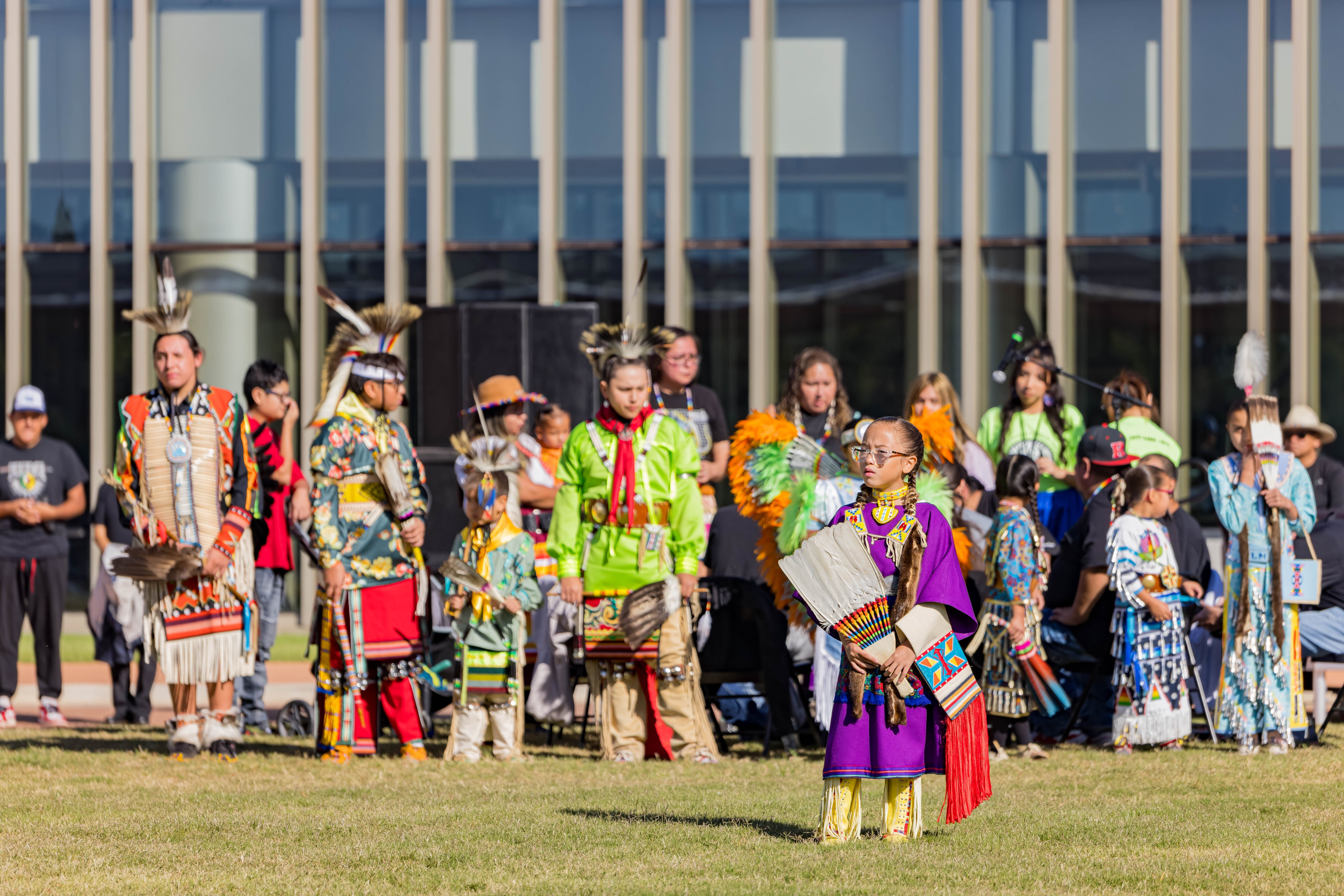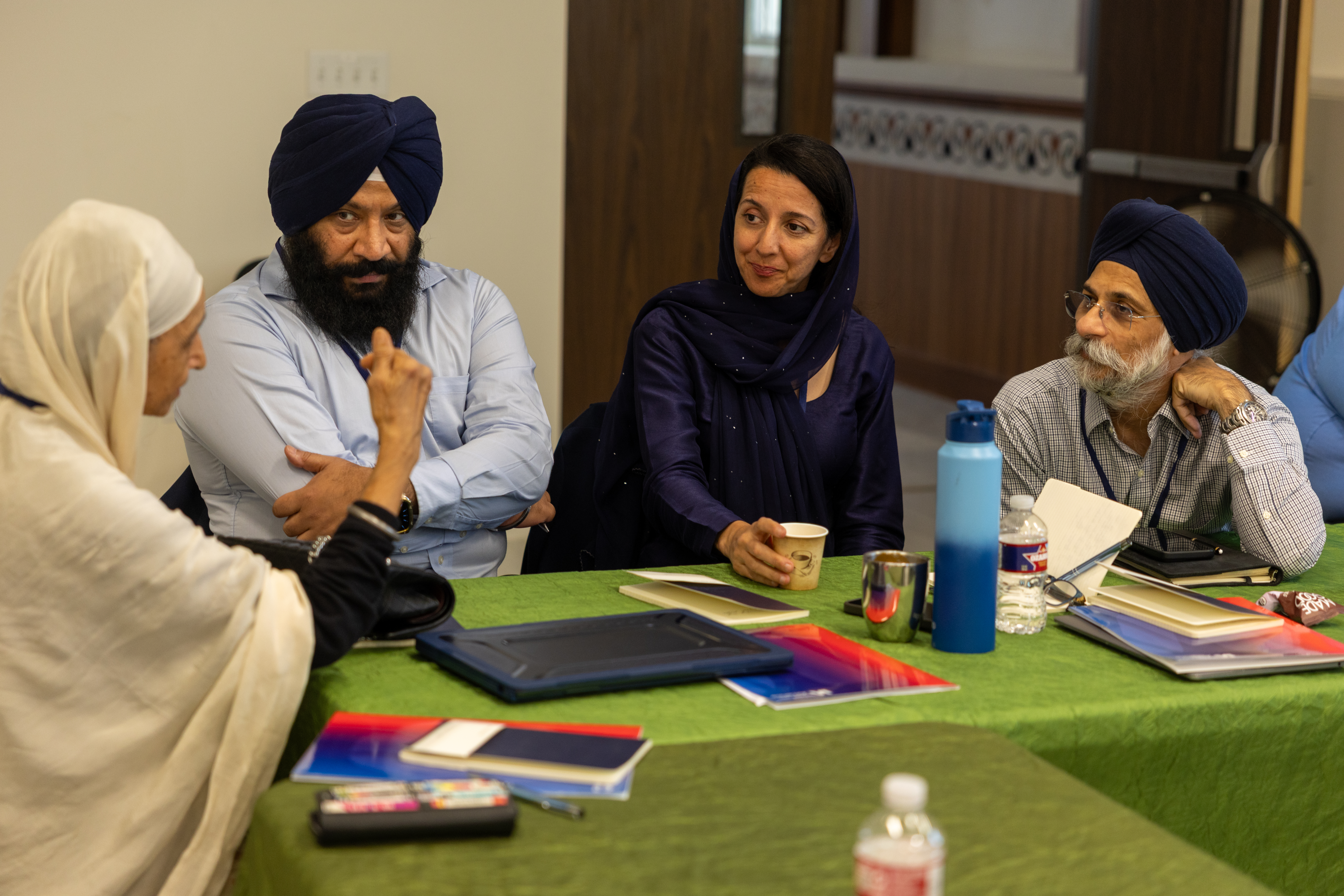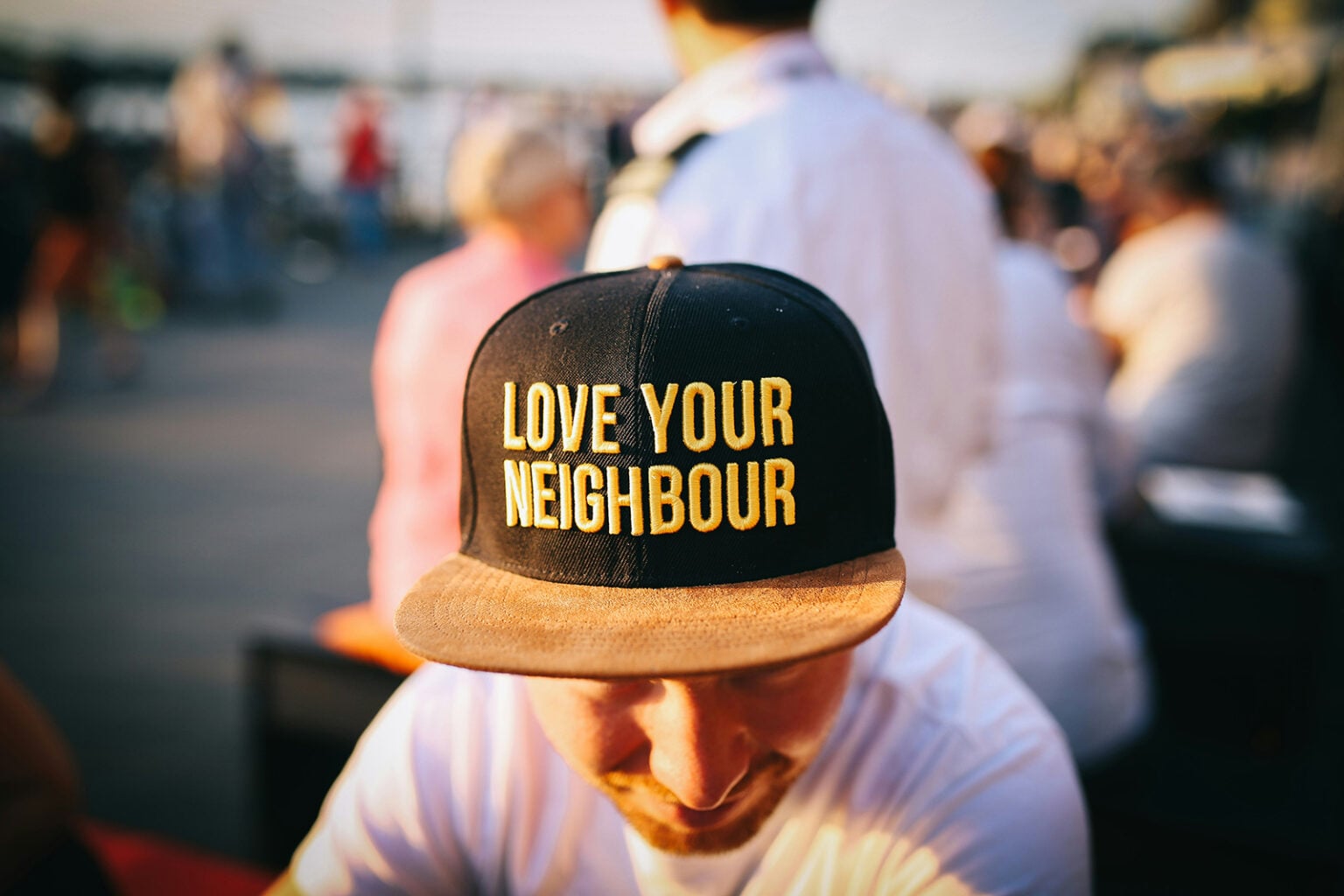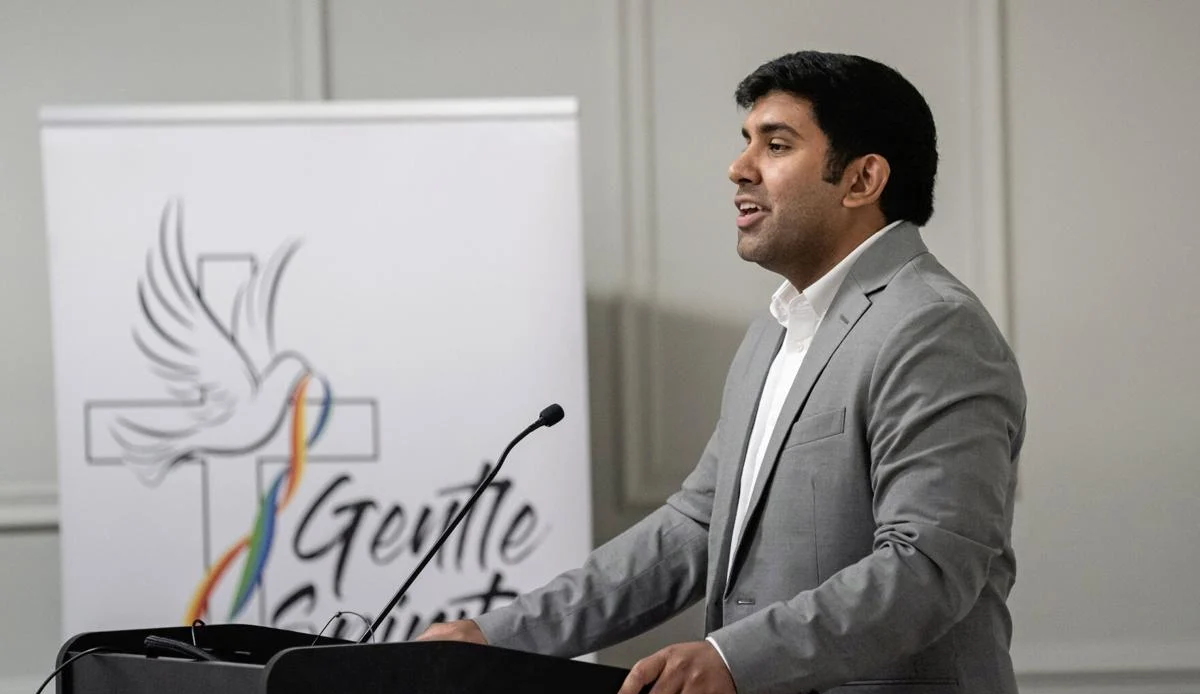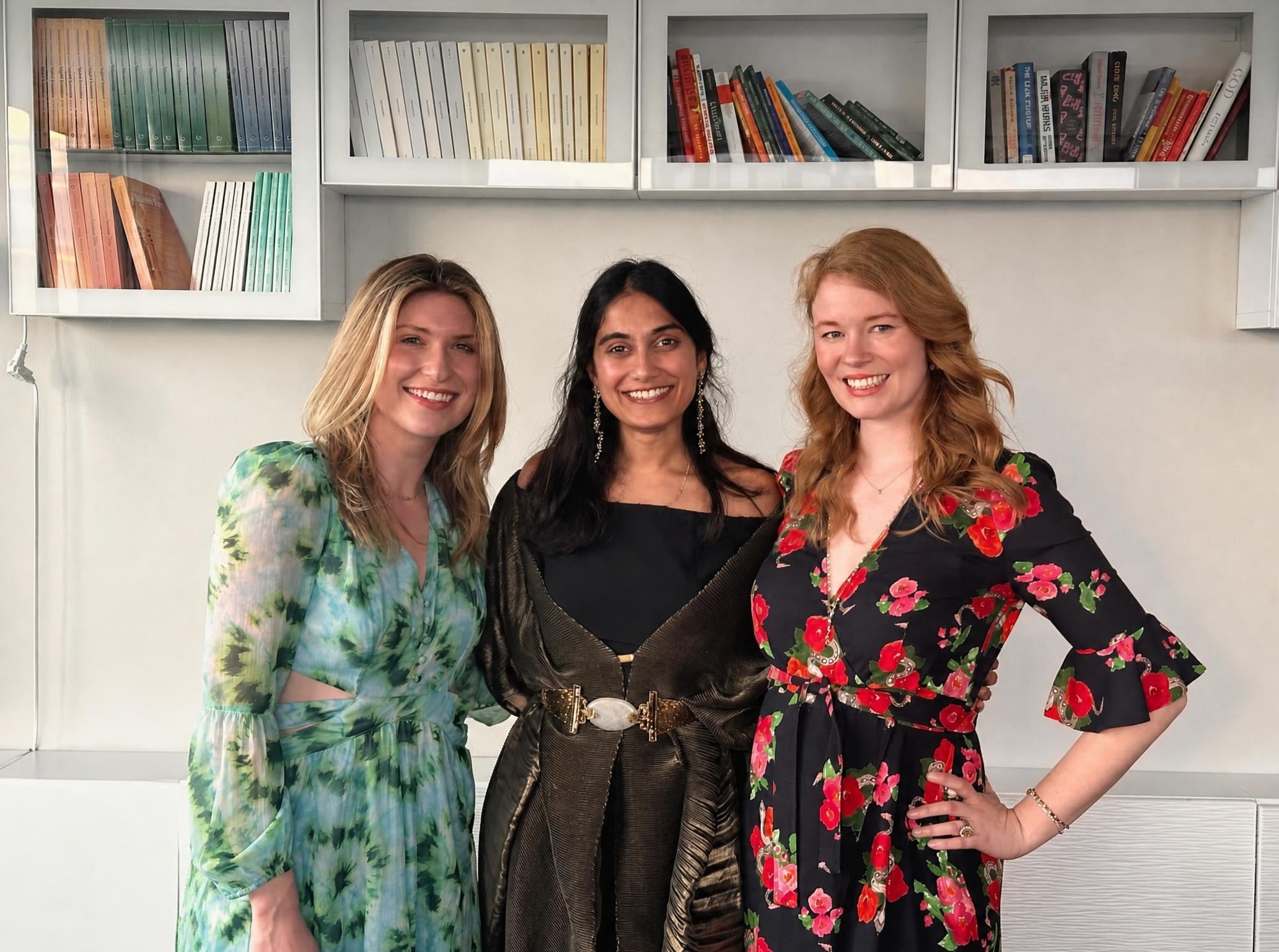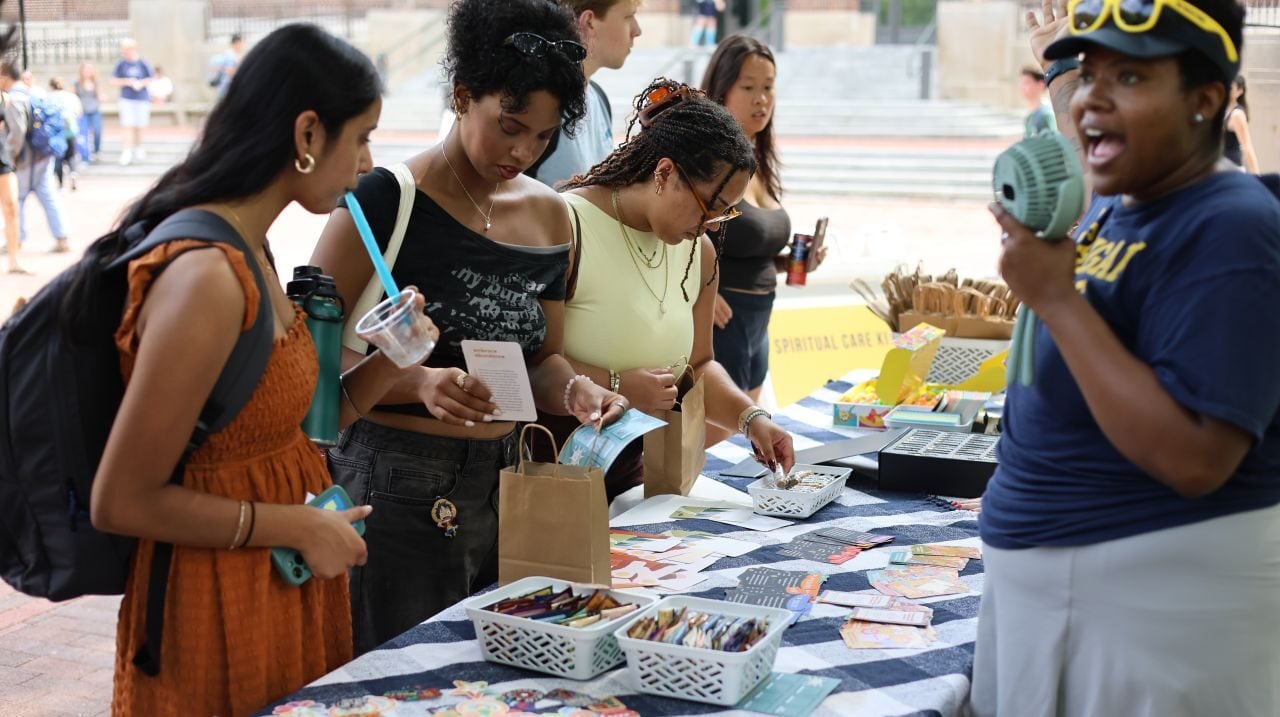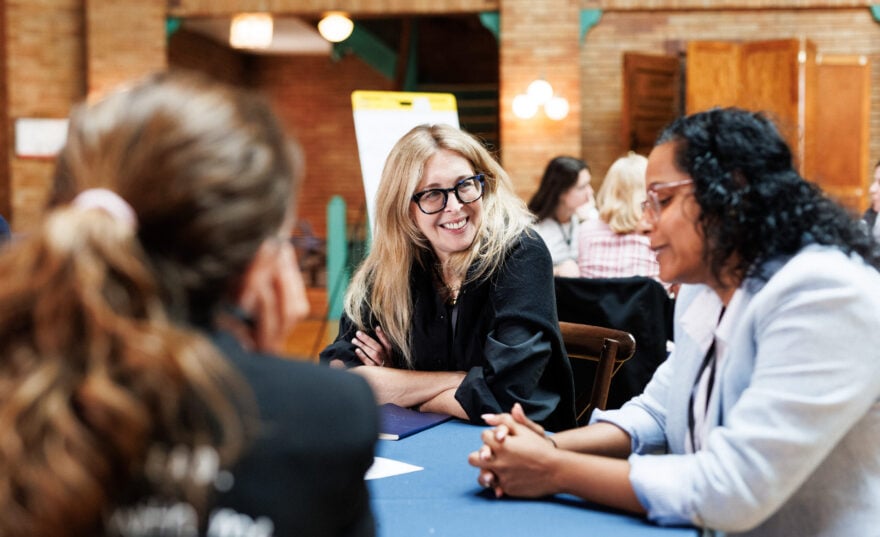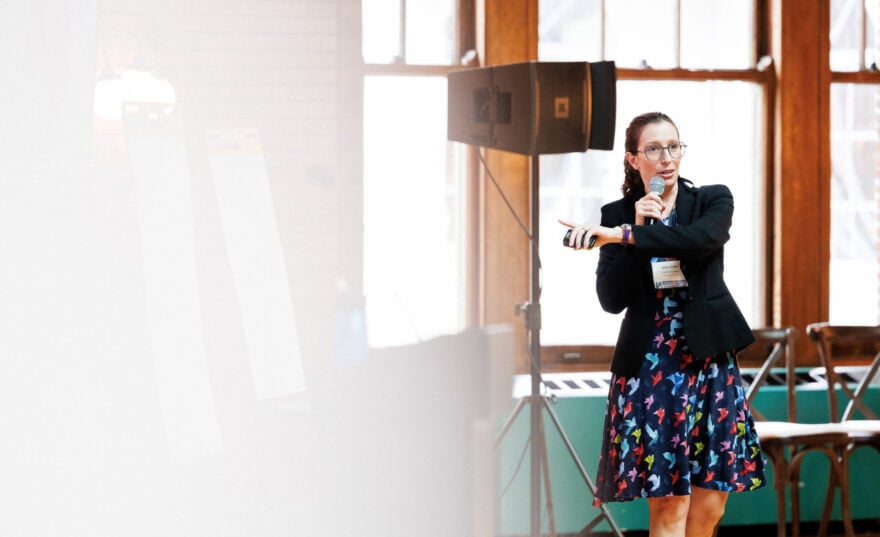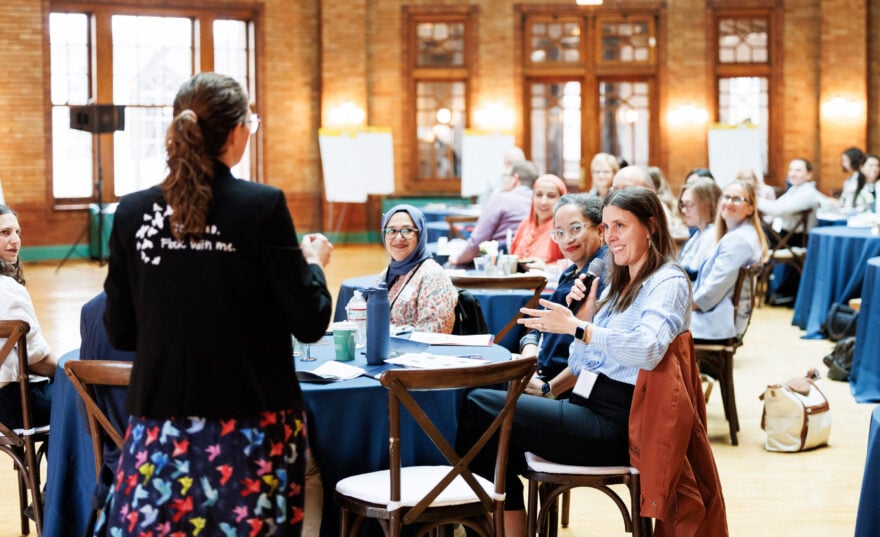
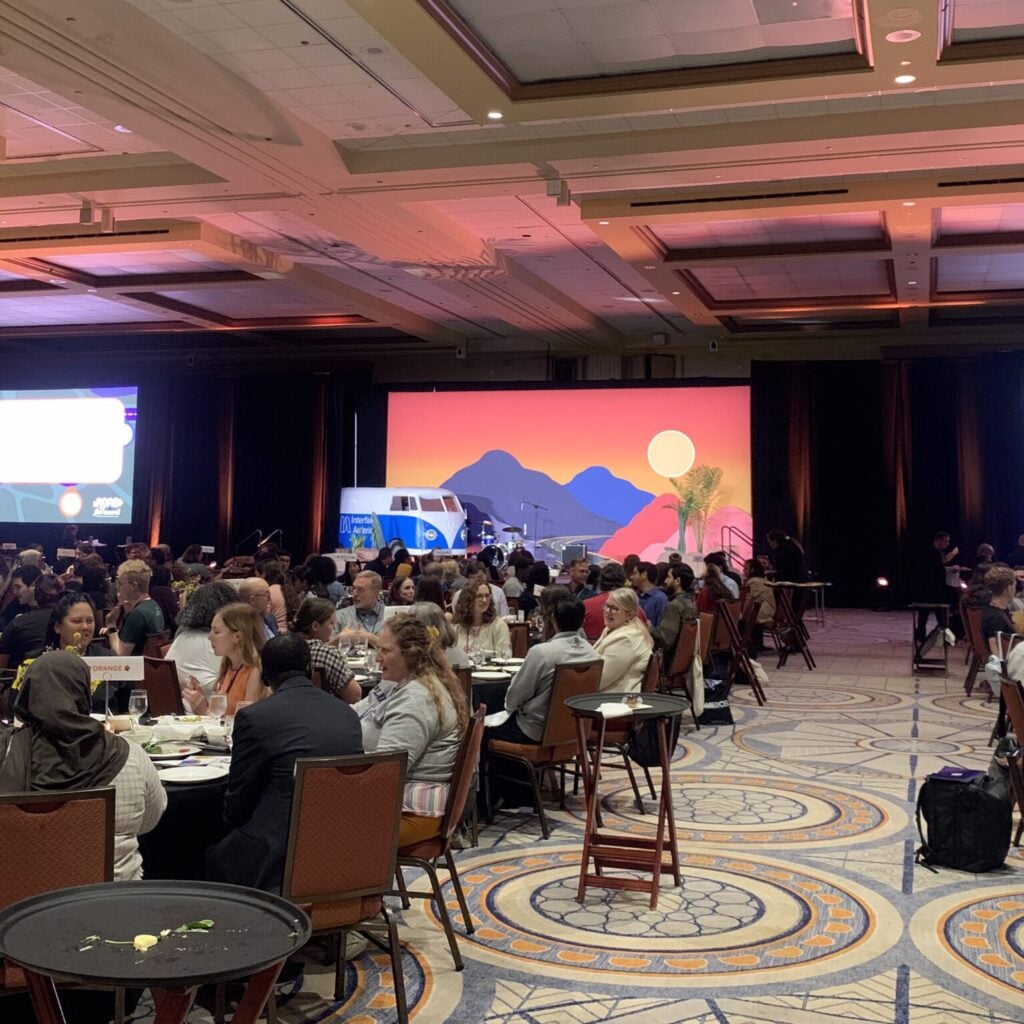
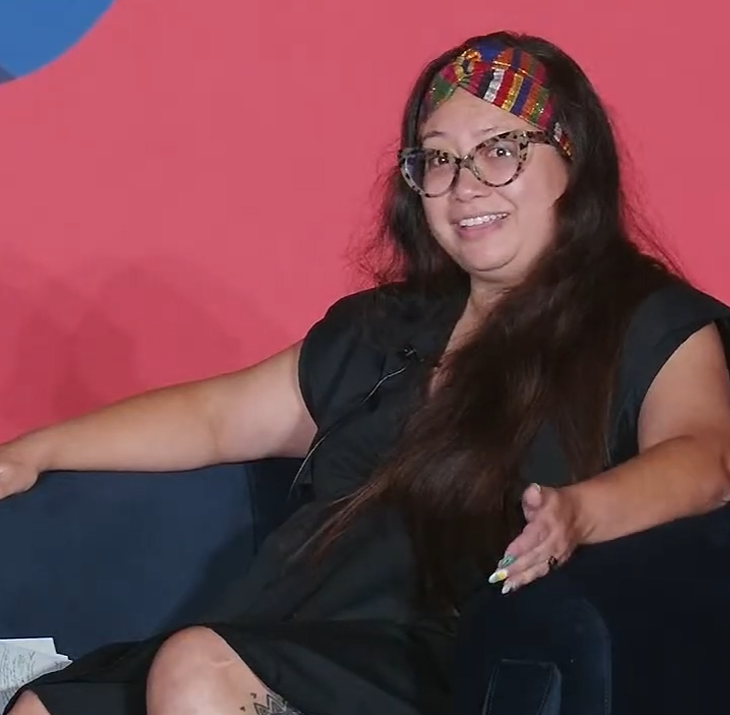
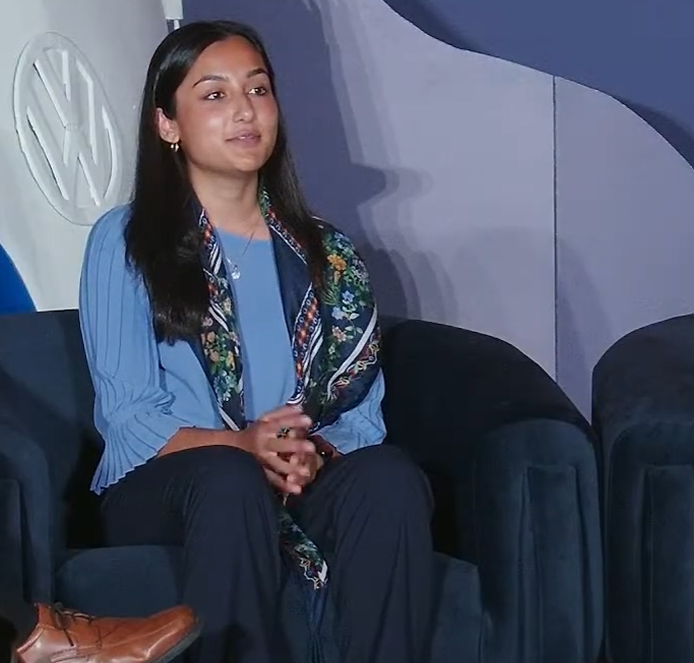
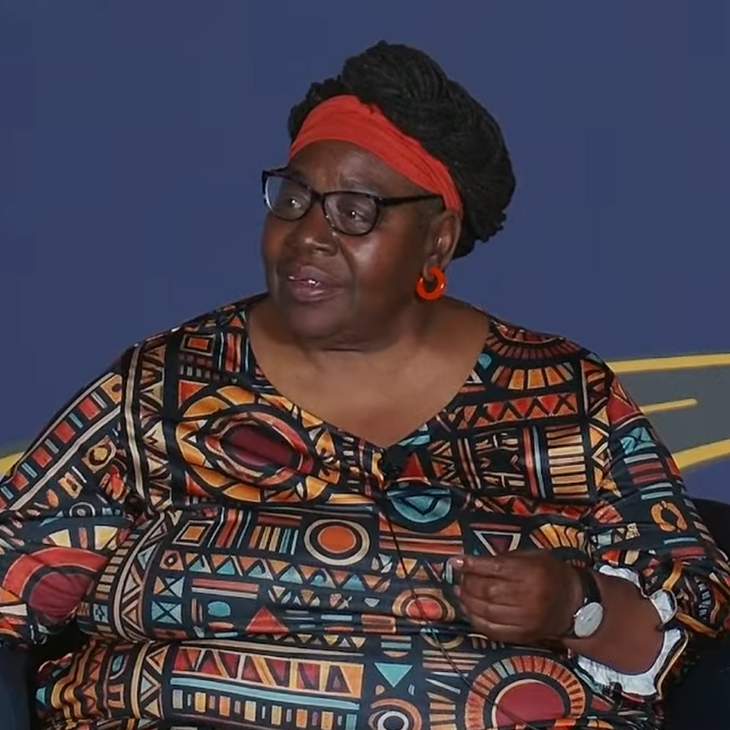
At the 2026 Interfaith Leadership Summit, students and educators from across the nation joined together in shared commitment to pluralism.
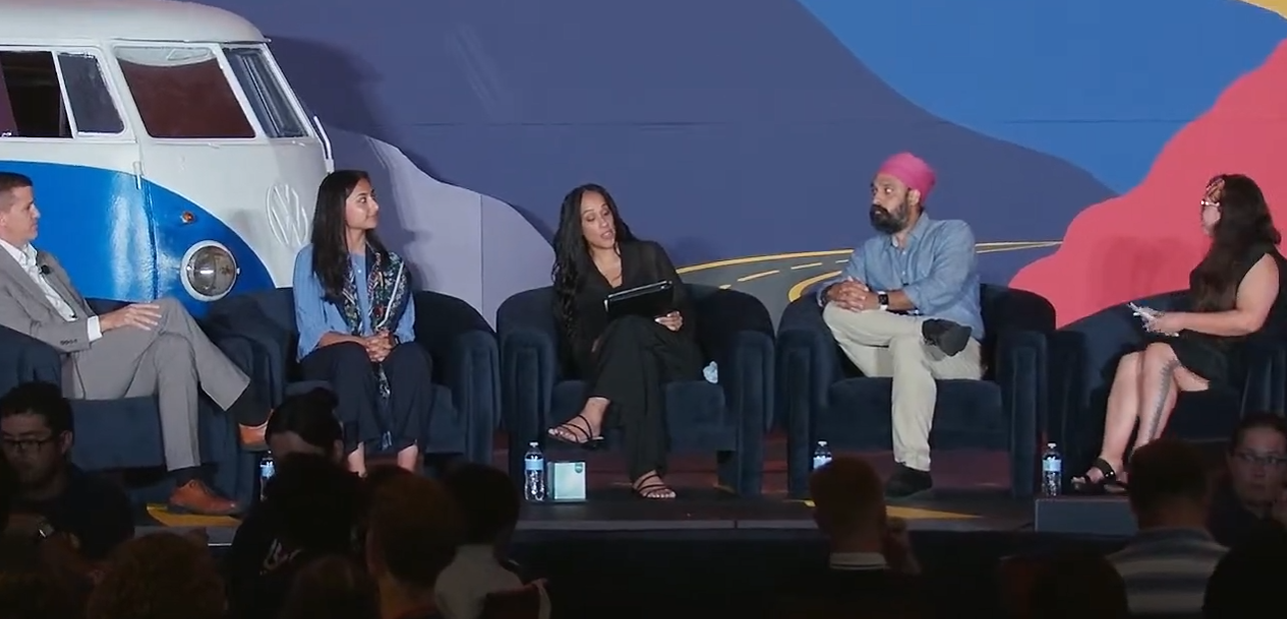
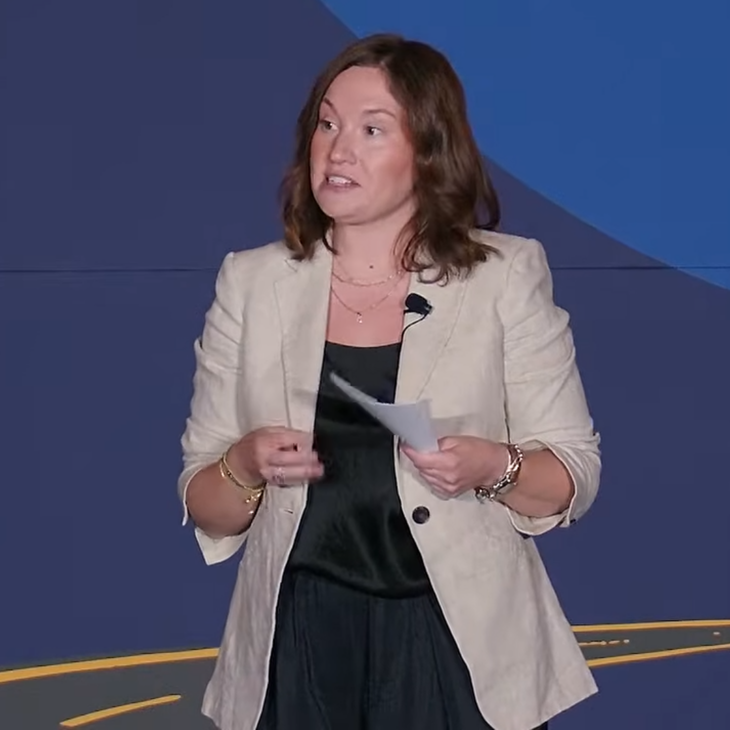
“The practice of pluralism shows us, in real time, that we strengthen one another. We grow through each other’s stories, and we are the people who will carry humanity forward,” said Melissa Carter, Director of Student Life & Partnerships at Interfaith America and moderator of the weekend’s closing panel.
Mainstage speakers grounded the Summit with a vision of what this practice can look like, offering diverse perspectives on how interfaith leaders can cooperate across difference for the common good — on campus and as citizens of our diverse democracy.
Watch recordings of the opening plenary and closing panel to hear the full conversations and read on for some of the key themes from this year’s Summit, like respect, curiosity, and community building, in the words of this year’s featured speakers.
We can respect one another’s identities, even when we disagree
Leaders offered meaningful insights into what it takes to foster respect for diverse identities.

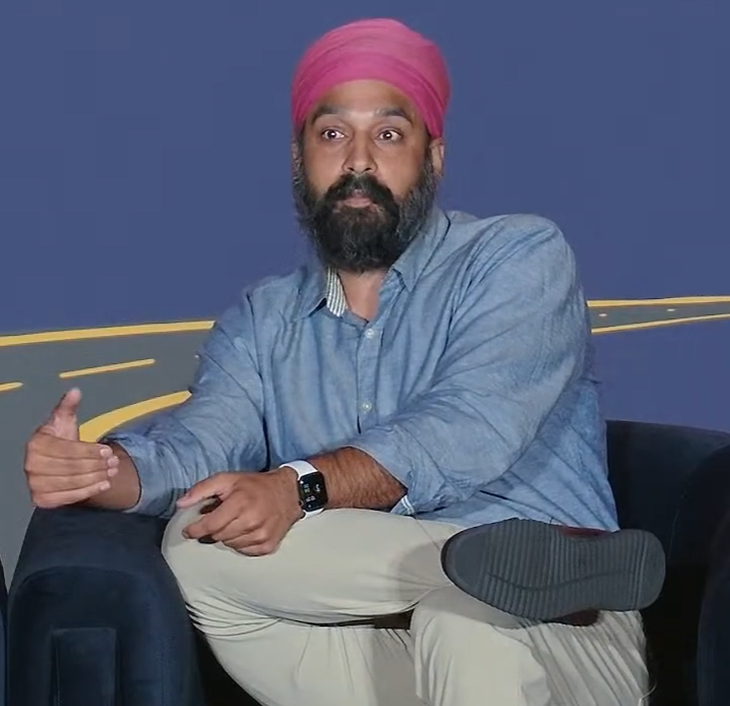
“One of the gifts of the pluralism model [is] it allows for multiple truths to be acceptable at the same time,” said Simran Jeet Singh during the closing panel, referencing both the complexity of spiritual identity and the reality that our nation often falls short of the lofty ideals of its founding.
“You don’t have to be wrong for me to be right … There are multiple stories. There are multiple histories.”


Opening speaker Carlos Campo noted that building pluralism does not require people to compromise their identities.
“A choice as visceral and as personal as a faith commitment must stand alongside a community that says whatever your background, whatever your faith, I’m not going to distill you down to something less than you are.”
Amy Spitalknick reminded participants that despite the challenges bridgebuilders face, in hatred, prejudice, and threats to shared safety, “we know the vast majority of us can hold two thoughts at the same time, can grapple with complexity and nuance.”

We can relate to one another, especially when we lead with curiosity
In their remarks, our diverse slate of educators, authors, and civic leaders discussed the power of building mutually inspiring relationships in navigating differences.
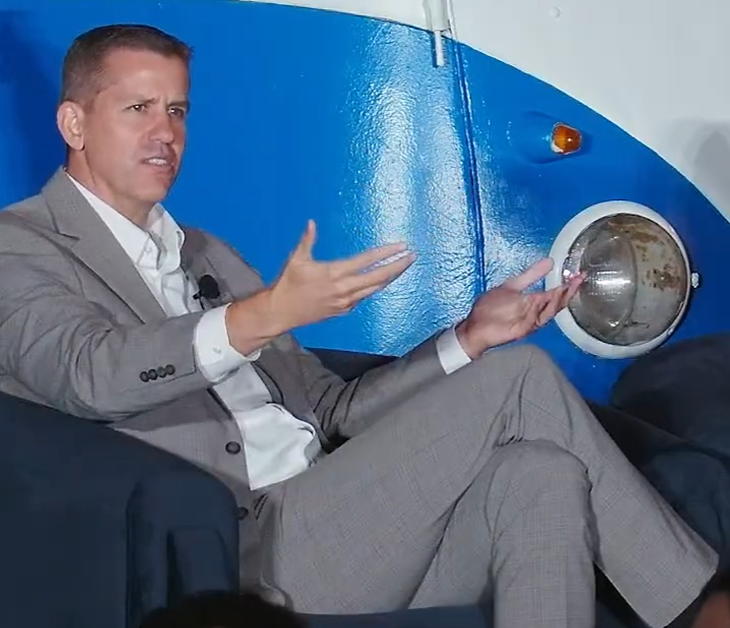
“In my research into people who are really effective peacemakers — people who are really good at productive conversations about hard topics — one of the habits they engage in is assuming the best about others,” said Sunday panelist Steven Collis.


Vanessa Gomez-Brake spoke about how leading with openness and understanding is essential in higher education settings.
“It takes the people who are doing the inviting to be intentional … all of us are ambassadors on our campus. And so perhaps we won’t always have the right words, but if we’re coming from a place of care and curiosity, then yes, you can get anyone in the door.”
We can take what we’ve built together with us on the road ahead
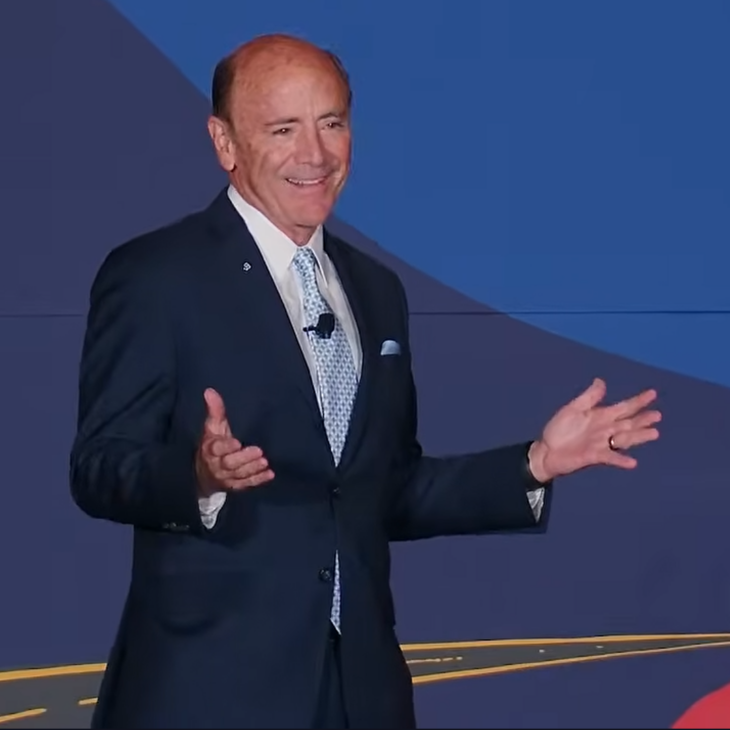
“America has traveled this road imperfectly for 250 years,” said IA president and founder, Eboo Patel. “Celebrate it, critique it. Bring all of it here. But I’ll tell you, what really matters? It’s the road forward. Where it leads, how we travel? Well, that belongs to us. It’s our road now, our responsibility. That is why we are here. I say we journey together.”
Speakers addressed the impact of working across lines of difference toward a common goal and the bridgebuilding skills that students and educators worked to hone throughout the course of the weekend.
Whether it’s a patient outcome in healthcare, a project on campus, or an interfaith friendship at work or in the classroom, pluralism in action can start small.
“Not every conversation even has to be about faith or religion. It could be something like a community service project. It could be a volunteer group that’s a collaboration between a lot of different groups,” said past BRAID fellow and graduate dental student Sabeen Safi.


Activist and author Loretta Ross closed out her remarks with reflection on how to create lasting change.
“It is my job as an expert organizer to figure out how to call you in … the road forward means that we’ve got to figure out who are our proven allies … who are our potential allies … but most of all we got to figure out who are the people we need to build that road forward with, so that we can build and finally achieve the democracy and the pluralistic society that we deserve.”
Rachel Crowe is a Staff Writer at Interfaith America.
Interfaith America
We activate leaders to build an interfaith America.
@interfaithamerica on TikTok