Over the past year, the conversation about the religiosity of Gen Z has been marked by questions of religious revival as well as discourse about how non-religious young adults are engaging spirituality and meaning-making.
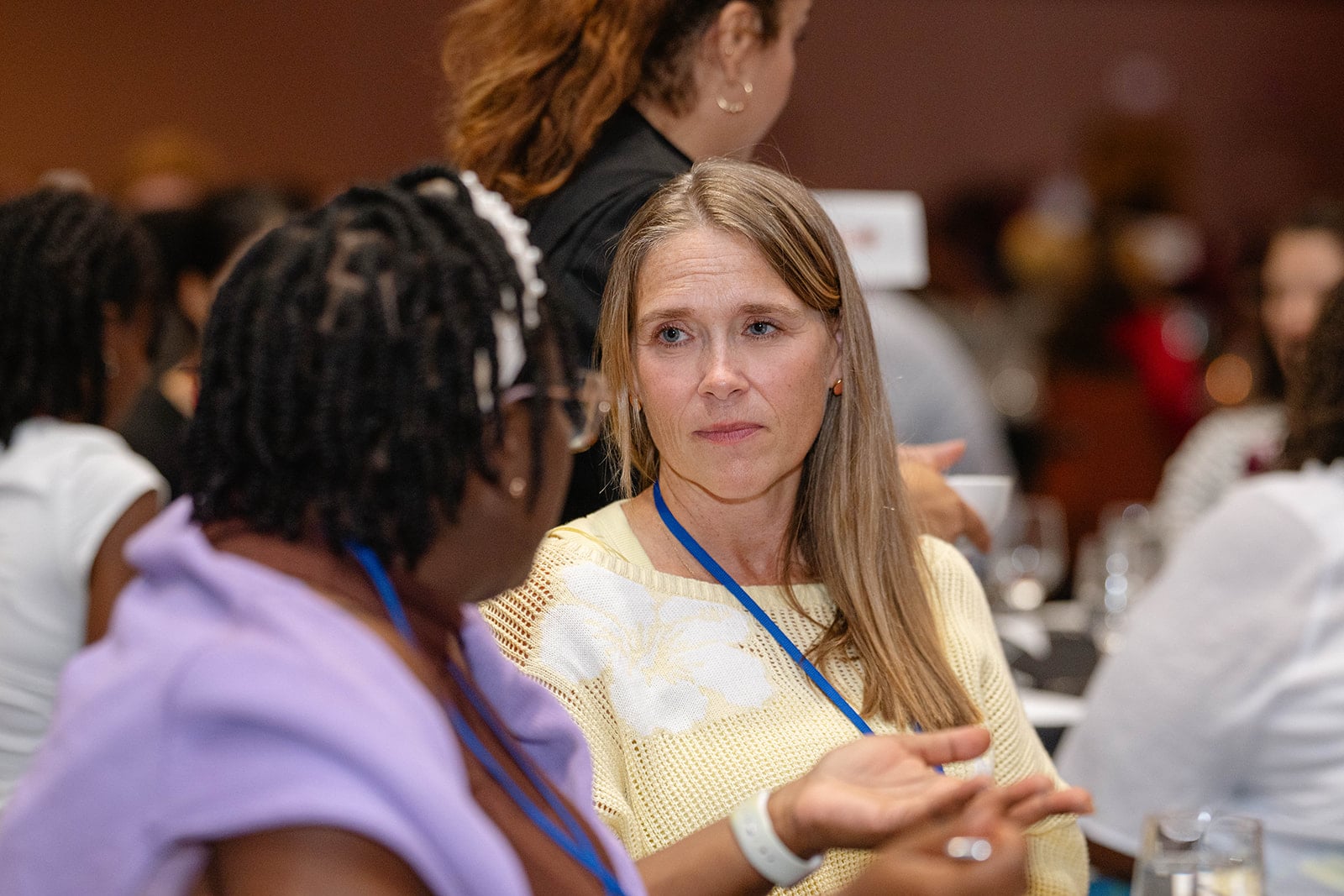
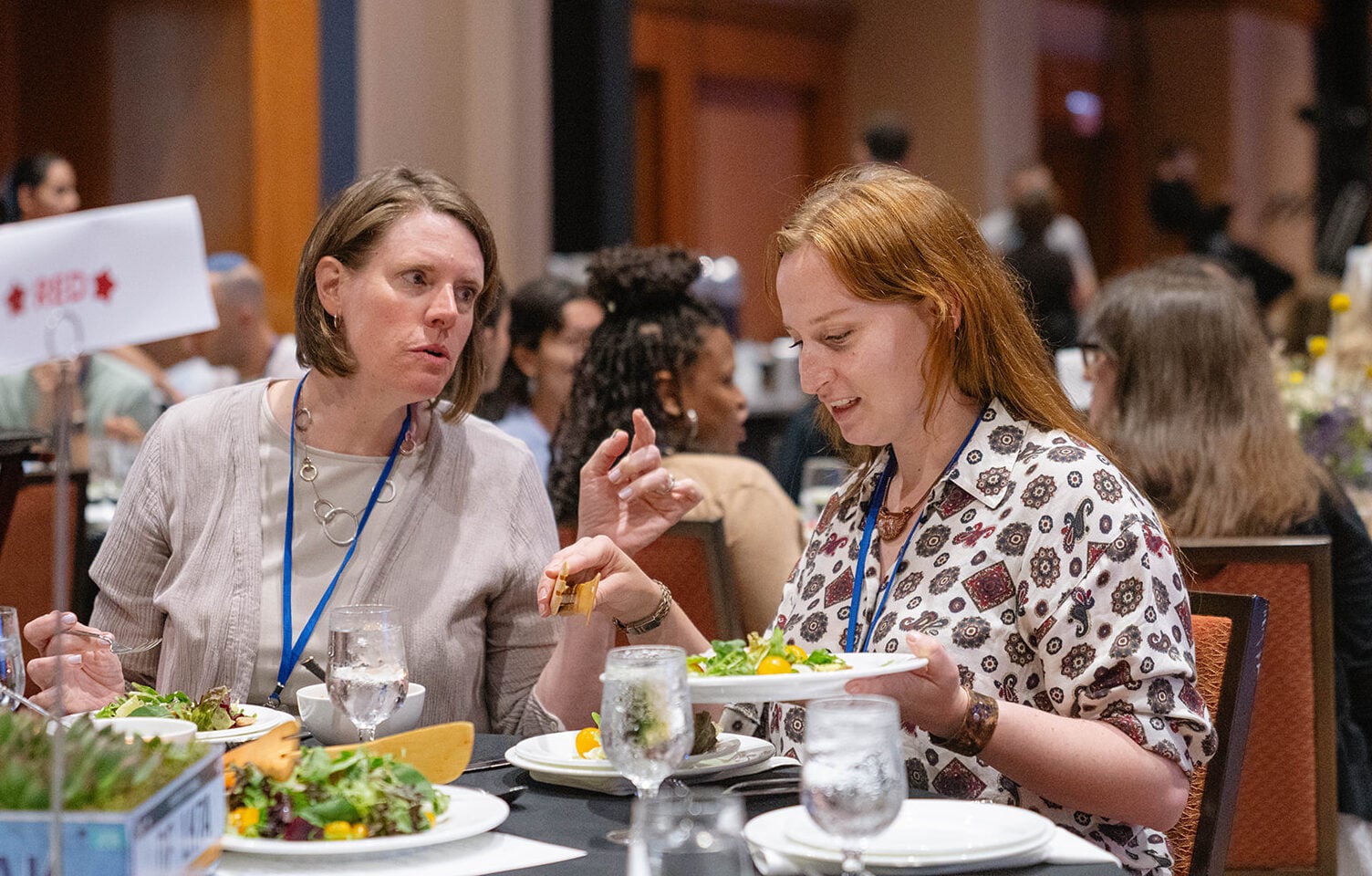
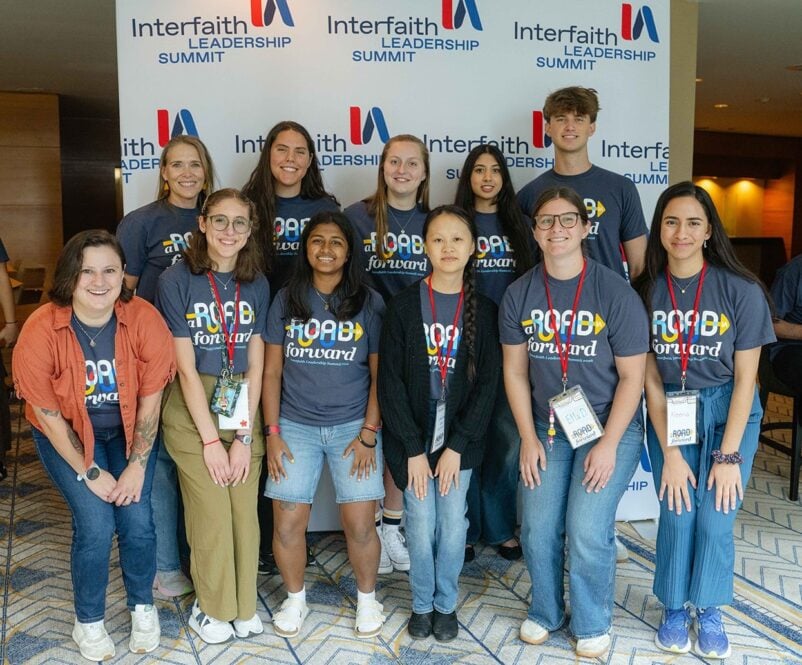
After the 2026 Interfaith Leadership Summit, IA checked in with Summit attendees in chaplaincies and religious, spiritual, and secular life offices on campuses across the country.
They addressed how they see this generation of students — a large percentage of whom are secular or non-religious — seeking purpose and pursuing meaning on campus. They also offered advice on how student life staff can support students of diverse worldviews as they explore their passions.
Encouraging questions
College is a time when young adults are grappling with their own identities, encountering significant religious and worldview differences, and asking deep questions.
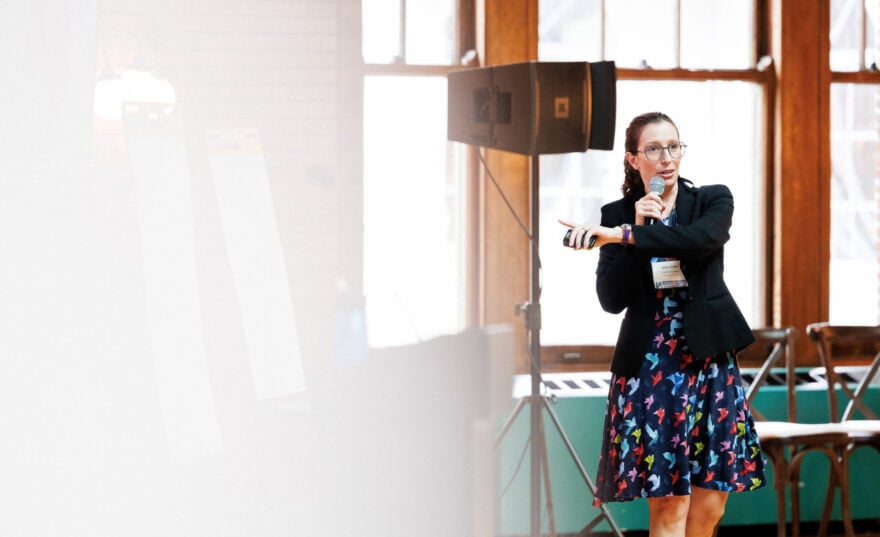
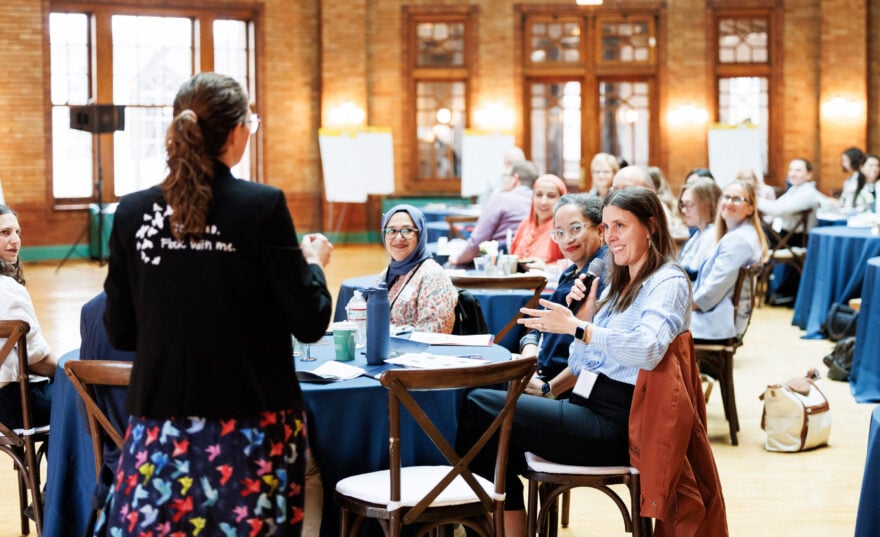
“I see a deep desire in students to find spaces and places and conversations to wrestle with life’s biggest questions: why am I pursuing this degree to begin with? How do I navigate the polycrisis of our time? What gives life meaning? Where do I go when I die? What do I even believe about that? Where do you have those kind of conversations?” said Kelly Dunlop, Religious, Spiritual, Secular, and Interfaith Engagement Lead at the University of Michigan.
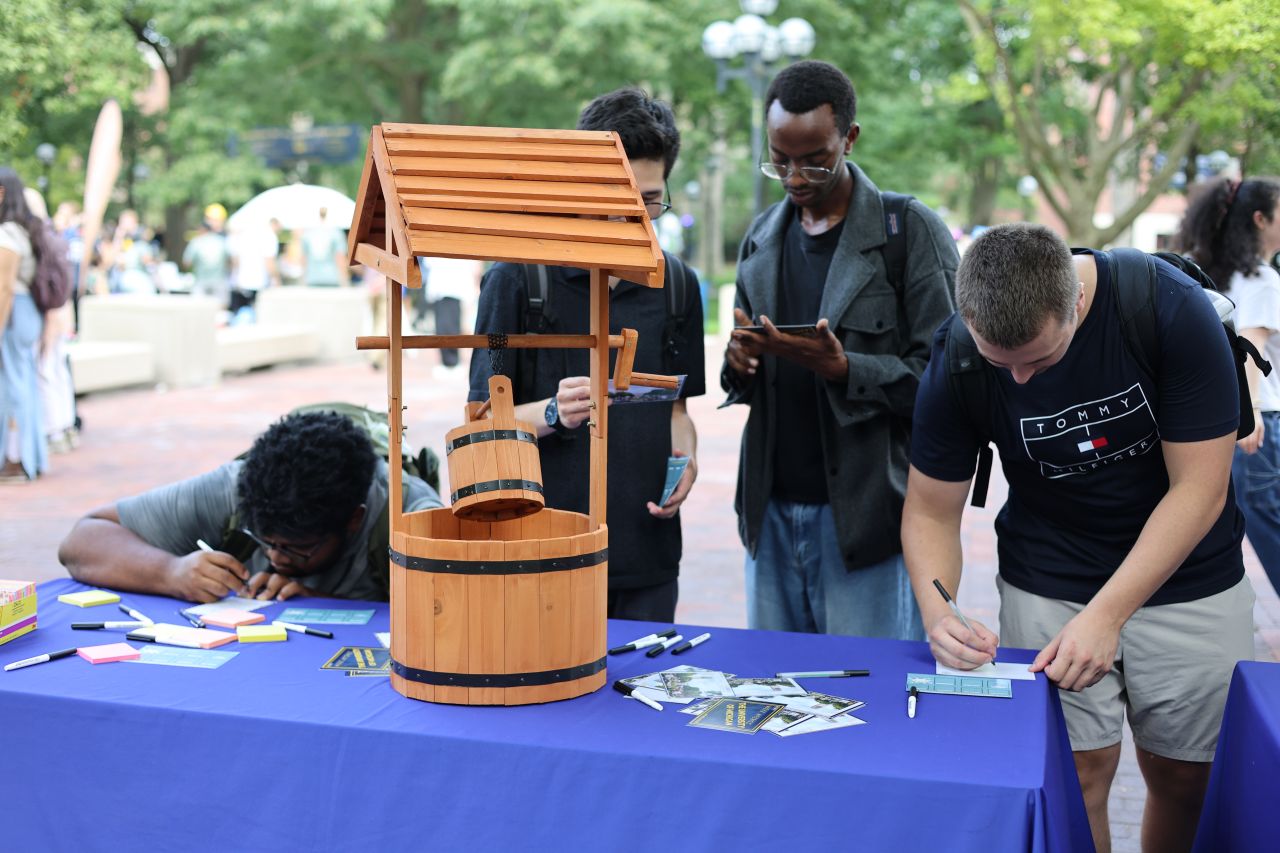
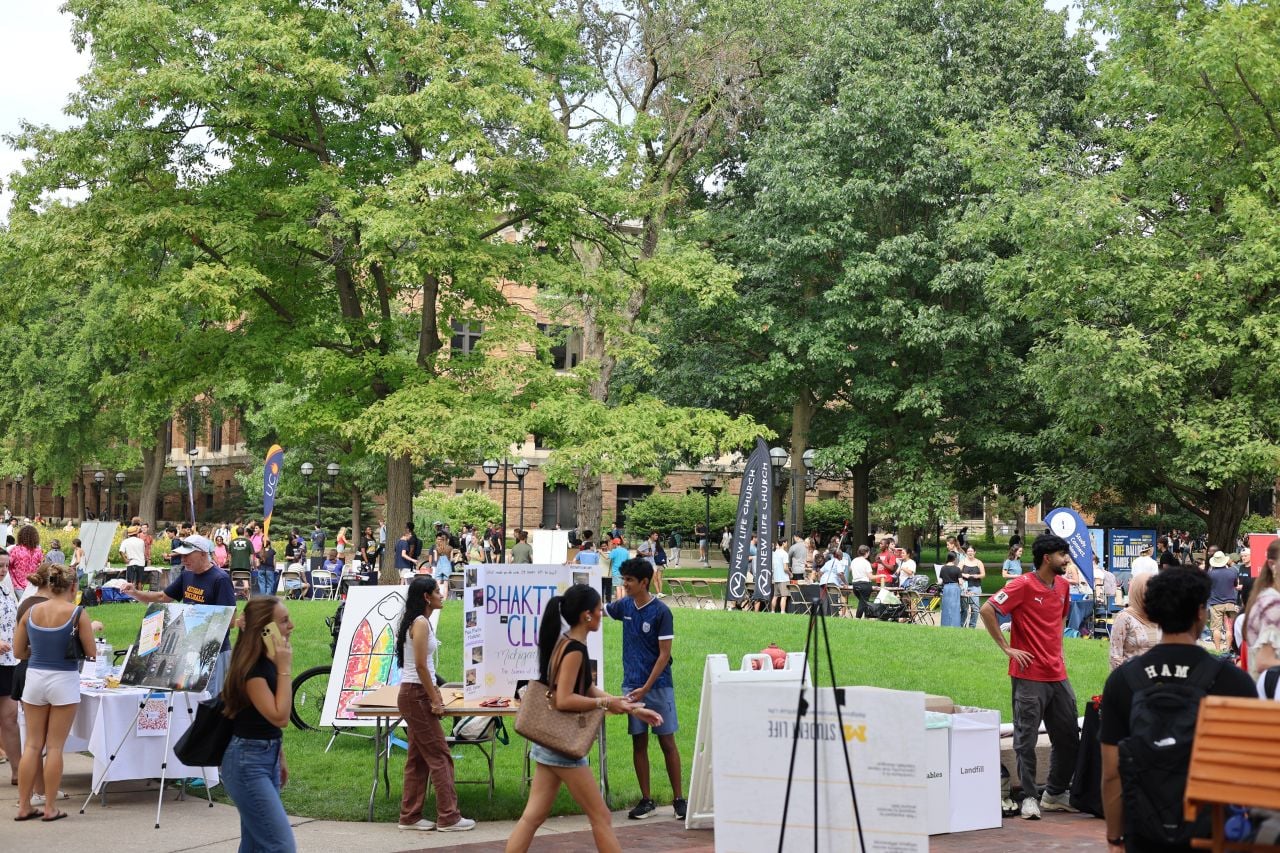
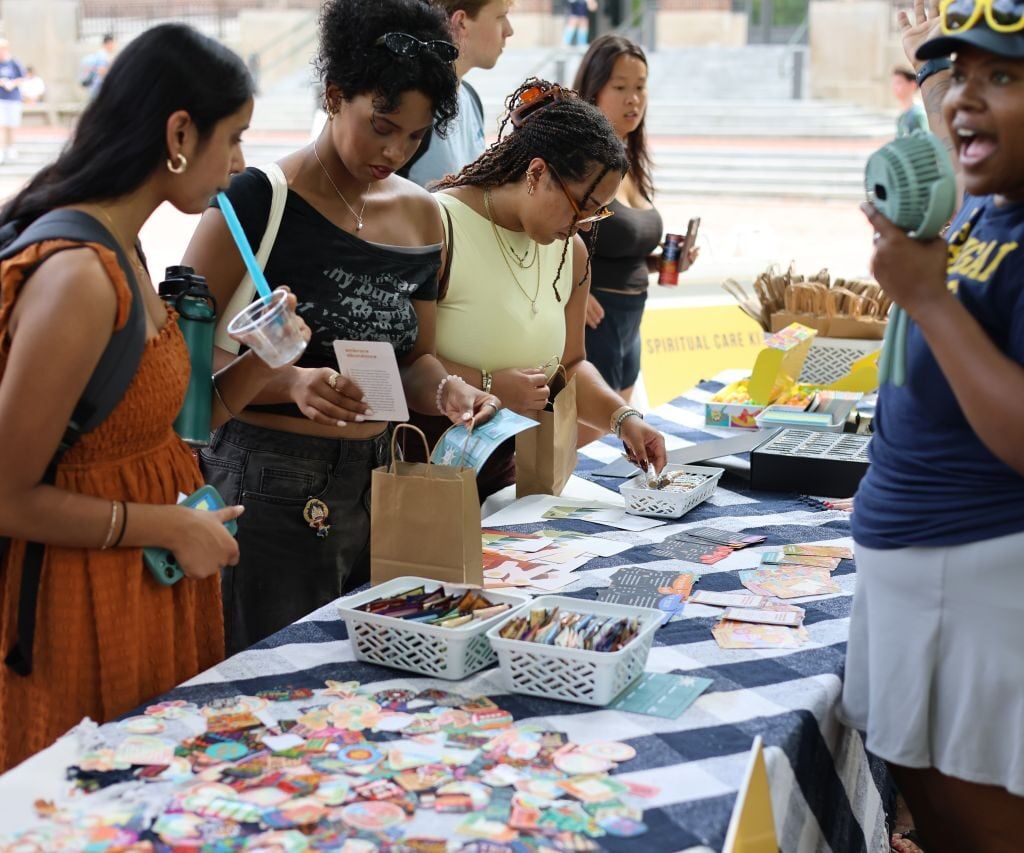
Dunlop is thinking about ways to create low-barrier entry points for students to explore these questions — whether that’s on the car ride to a service project or at an event like FestiFaith, held at U of M earlier this month, which encouraged attendees to embrace curiosity and consider the different ways find meaning and purpose on campus.
As a Humanist Chaplain at American University in Washington, D.C., Miranda Hovemeyer finds joy in walking alongside students who are wrestling with big questions that don’t have neat answers.
“Many of my non-religious students at AU come from homes where they were never encouraged to offer their queries to the universe,” she said. “I love watching these students engage in meaning-making for the first time, in community with others who are open to questioning and willing to embrace the gray areas and nonbinary spaces that I think are among the most beautiful places for us to discover who we truly are.”
Providing opportunities for service
Service is a shared value among students of all traditions and a natural access point for young people to discern their place on campus and in life.
“Our secular students like to be of service,” said Vanessa Gomez Brake, the Senior Associate Dean in the Office of Religious & Spiritual Life at the University of Southern California. “Most often they are volunteering in the neighborhood or nonprofit organizations, where they can impact our local communities.”
At Vassar College, where Callista Isabelle serves as Associate Dean of the College for Religious and Spiritual Life and Contemplative Practices, it can be hard for students to coordinate busy schedules in efforts to serve the community. In response, “we created ‘Community Kitchen’ in our center for Religious and Spiritual Life and Contemplative Practices. Every Monday, the center is full of students making sandwiches and hot food for organizations that serve our neighbors facing food insecurity. I love that students of any or no religious background work side by side to serve our neighbors and get to know each other better in the process.”
Representing students
Collaboration with community partners and other campus organizations is essential at U of M, where the Office of Religious, Secular, and Spiritual Life (RSSL) is working to strengthen partnership with the Spectrum Center on campus, which serves and supports LGBTQIA2S+ communities. The intent here, said Dunlop, is to “thoughtfully offer a program together that sees the intersection of these communities, and not just say, ‘Hey, Spectrum, would you like to put your logo on our event?’”
This partnership and a collaboration with Michigan Medicine on a spiritual wellness group make evident the effort to “meet people where they are and where they already have a lot of energy, and not to expect them to only use like our language in the RSSL world.”
Strengthening connections across campus communities also means adding diversity to staffing on campus. Hovemeyer’s advice for chaplains and higher-ed leadership is to bring on staff that represent the student body they are serving.
“If the majority of your students identify as non-religious, you can’t expect their spiritual needs to be consistently met by people who primarily represent mainline religious traditions,” she said. “As studies have shown, atheists are often among the most religiously literate people in the country. Many have thought deeply about religion, studied religious traditions, and made a conscious decision about what they do or don’t believe. That’s why we need more people in spiritual life departments whose roles and livelihoods don’t depend on whether a student remains within a particular religious tradition.”
Slowing down & offering space for reflection
Between classes, extracurriculars, deadlines, and assessments, students and staff are searching for space and time to process and reflect.
“In a society that asks us to do a lot ASAP, I was inspired by another translation of that acronym recently,” said Isabelle. “ASAP: As slow as possible. As soulful as possible. As sustainable as possible. Allow space and pause. While the pressures on all of us in higher education are increasing, perhaps our most urgent work is to allow space and pause.”
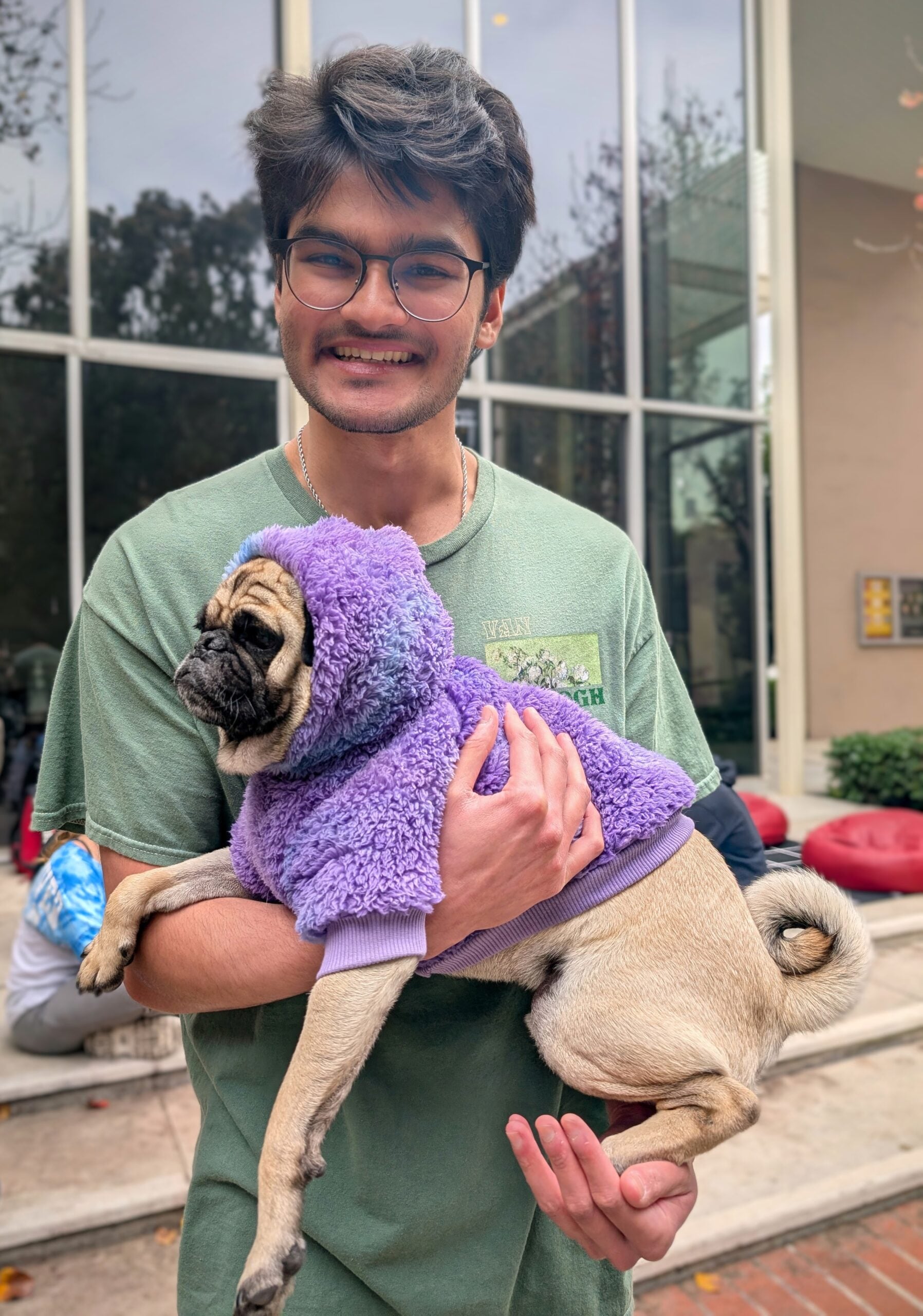
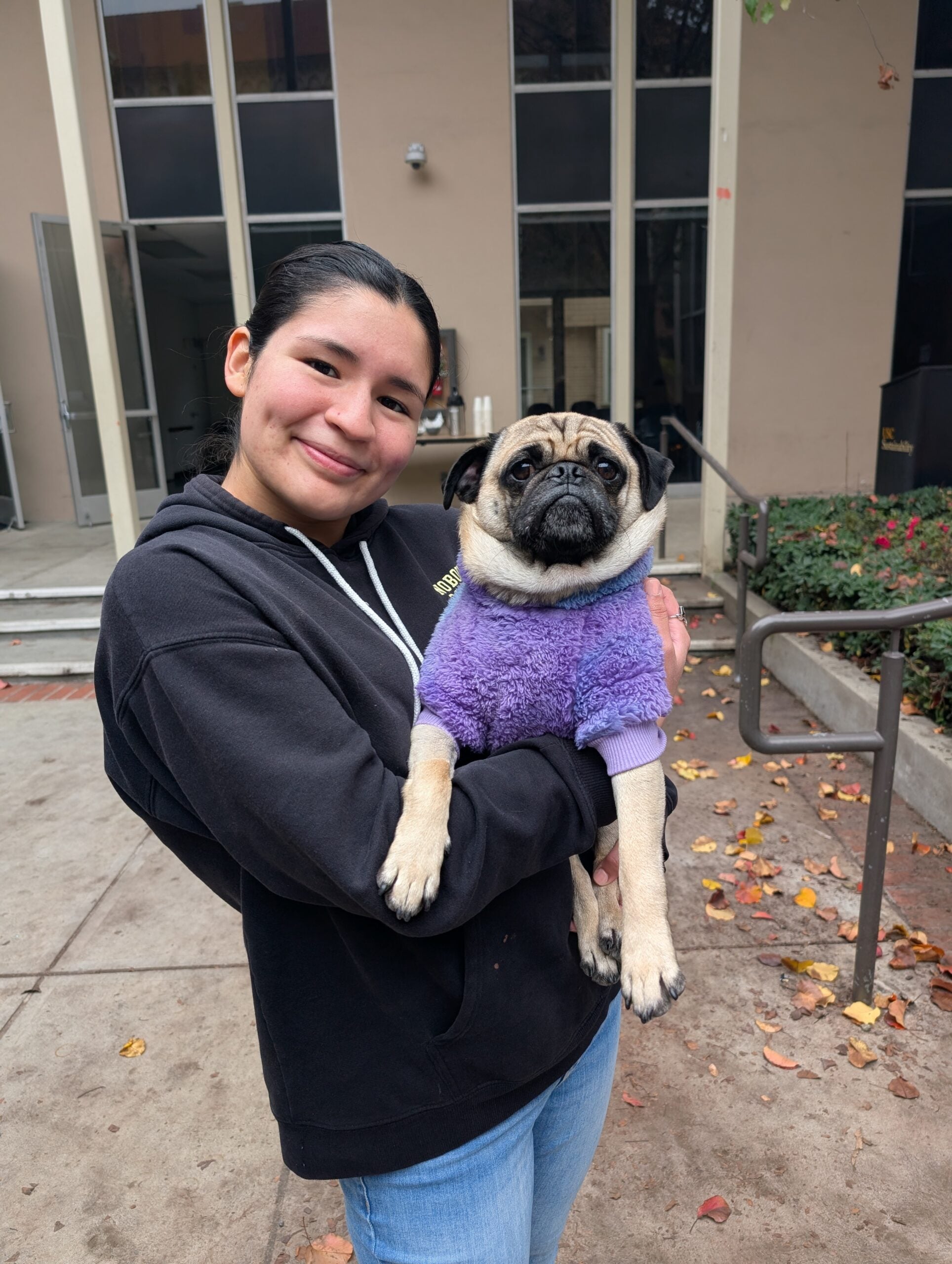
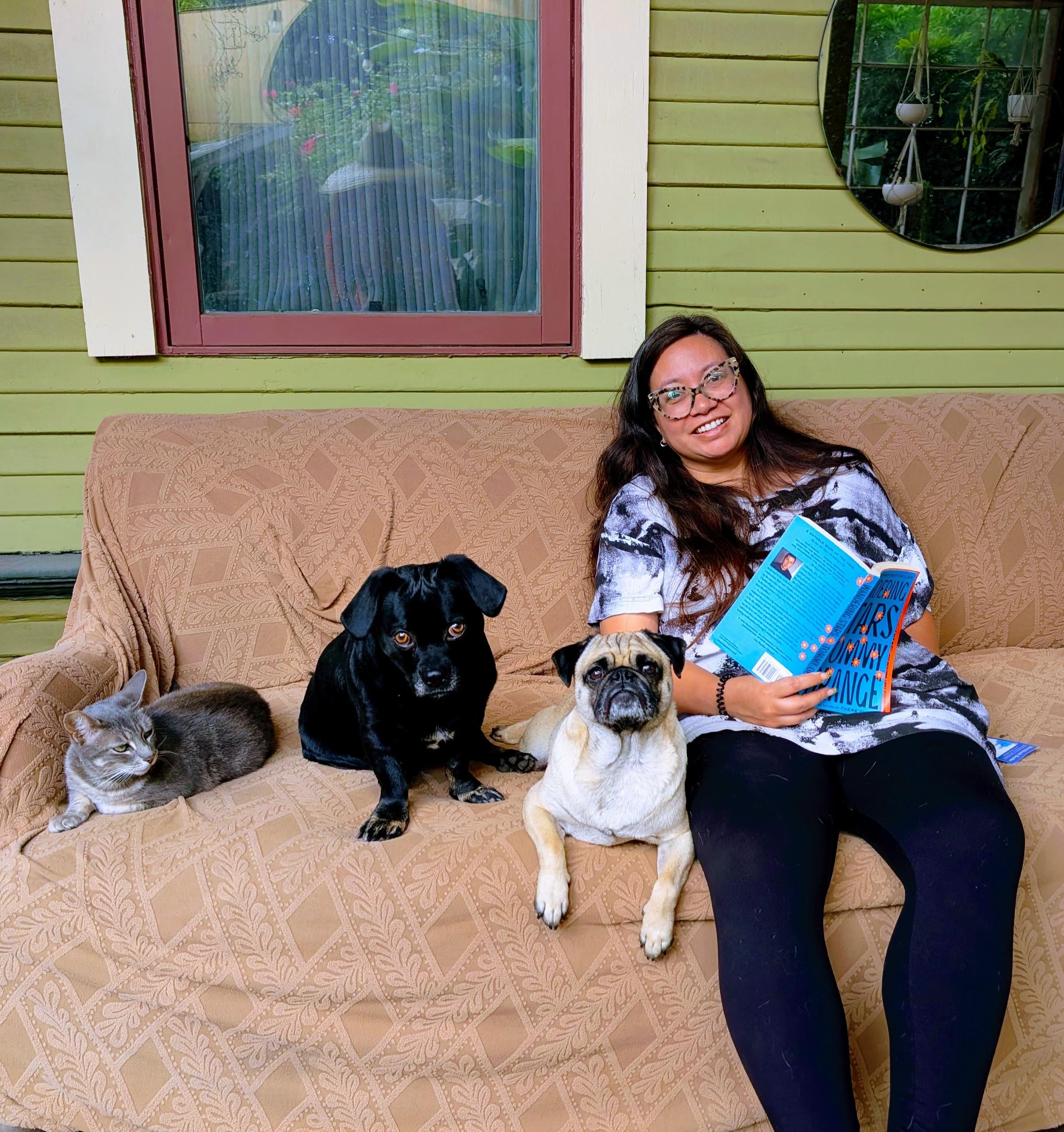
At USC, this comes into practice when Dr. Gomez Brake brings her dogs to regular “Hug-A-Pug” sessions in the University Religious Center. “There is so much joy to be shared in our courtyard when the pugs show up. We regularly see tears from students who just needed some levity in their day, or who are missing their pets back home. It’s a fun way to disengage from the hectic class and homework schedule.”
Rachel Crowe
Rachel Crowe, Staff Writer for IA Today, tells compelling stories about interfaith cooperation across diverse communities and supports our narrative programming. She is a graduate of Gettysburg College where she earned a BA in English with a Writing Concentration and a German Studies minor.