The story of America is a story of many people seeking the freedom to worship, live, and express themselves differently while sharing a common commitment to justice and the rule of law.
For Sikh Americans, this story has a particular resonance. Sikhi emerged from a tradition that emphasizes the dignity of every human being, equality, selfless service (seva), and the courage to stand against injustice. These values give Sikh Americans a distinctive perspective on pluralism, religious liberty, and democracy — and offer important lessons as the United States celebrates its 250th anniversary.
Pluralism is more than the existence of different religions and cultures side by side. It is the active recognition that our differences can strengthen a democratic society. Sikh teachings emphasize the unity and dignity of all humanity and reject distinctions based on caste, status, wealth, or social background. The practice of langar, the communal meal served in gurdwaras, embodies this principle. Everyone sits together and shares the same food, regardless of wealth, race, religion, or social position. No one is considered more worthy than another.
This commitment to equality also shapes the Sikh understanding of religious liberty. Sikh history carries a deep awareness of the importance of defending the religious freedom of others. One of the most powerful examples is the martyrdom of Guru Tegh Bahadur, who gave his life defending the religious rights of Kashmiri Hindus, even though he himself was a Sikh. His sacrifice represents a profound lesson: religious freedom cannot be meaningful if it is reserved only for our own community. In a democracy, the liberty of one religious community should never depend upon restricting the liberty of another. This is Sikh pluralism in action.
Sikh Americans also bring a powerful tradition of seva, or selfless service, to the American civic conversation. Sikh gurdwaras and community organizations have responded to disasters, hunger, homelessness, and other community needs. For many Americans, seeing Sikh volunteers serving free meals during times of crisis has introduced Sikh values to American society. This spirit of service is an important civic asset. Democracy depends on citizens who recognize their responsibilities toward their neighbors.
At the same time, Sikh Americans have experienced the difficult realities of pluralism. Sikh communities and gurdwaras have experienced violence, discrimination, and emotional trauma especially after 9/11. Sikh truck drivers have reported workplace harassment and concerns about immigration enforcement and language-testing requirements. Sikh students who wear religious head coverings continue to experience discrimination and bullying. Sikh Americans have also faced difficulties related to wearing turbans and maintaining beards in the armed forces and during security procedures at airports.
These experiences remind us that religious liberty requires education, institutional commitment, and solidarity. Organizations such as the Sikh Coalition have worked to address these challenges, including efforts to increase the representation of Sikh identity and history in K–12 social studies curricula, resources to stop bullying in schools, and legal representation for Sikh communities and truck drivers. Education is particularly important because understanding is often the first step toward replacing discrimination with respect.
The 250th anniversary of the United States offers an opportunity to speak about the gap that can exist between American ideals and American experiences. For Sikh Americans, one important challenge is ensuring that our community is as much a part of the American fabric as other communities.
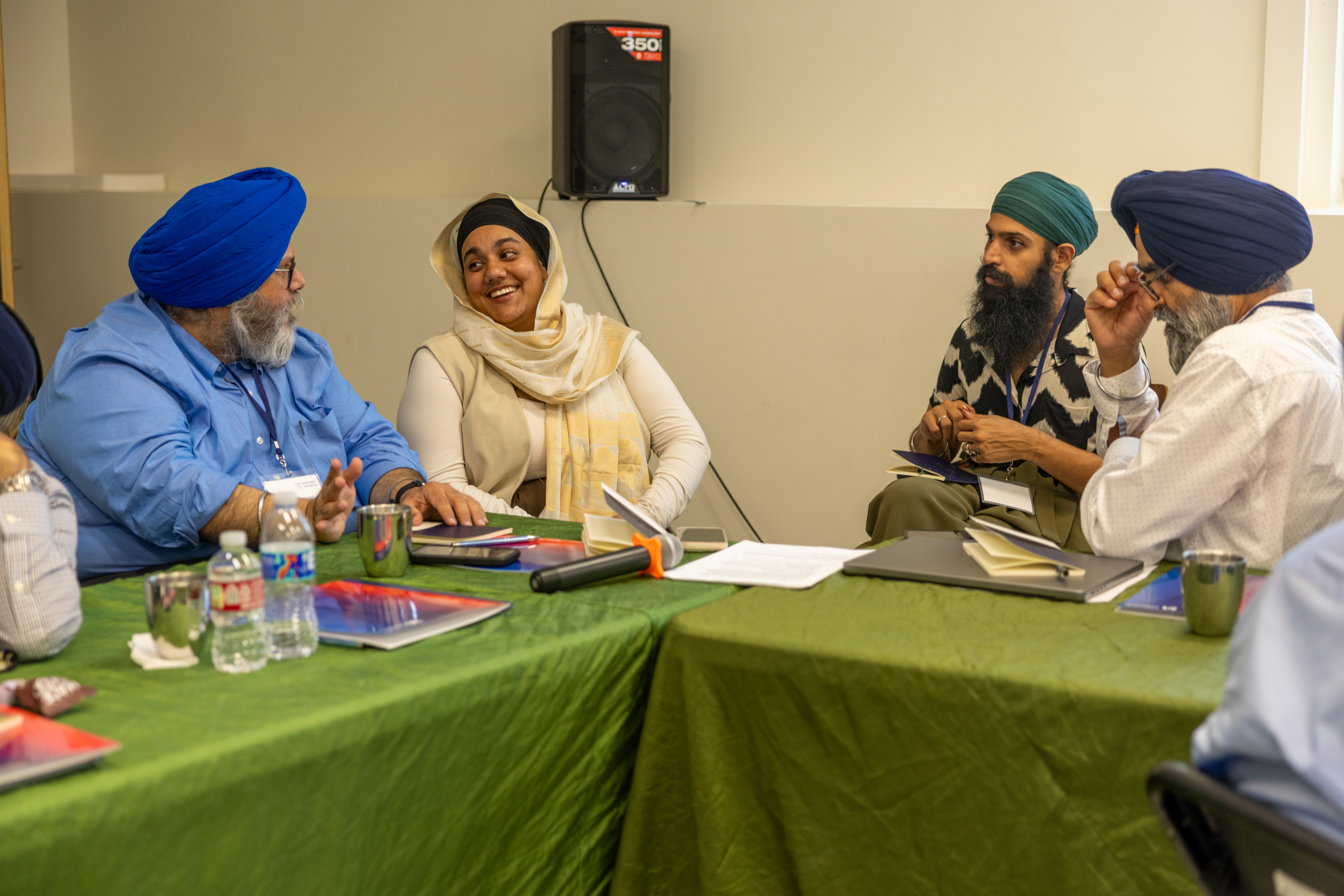
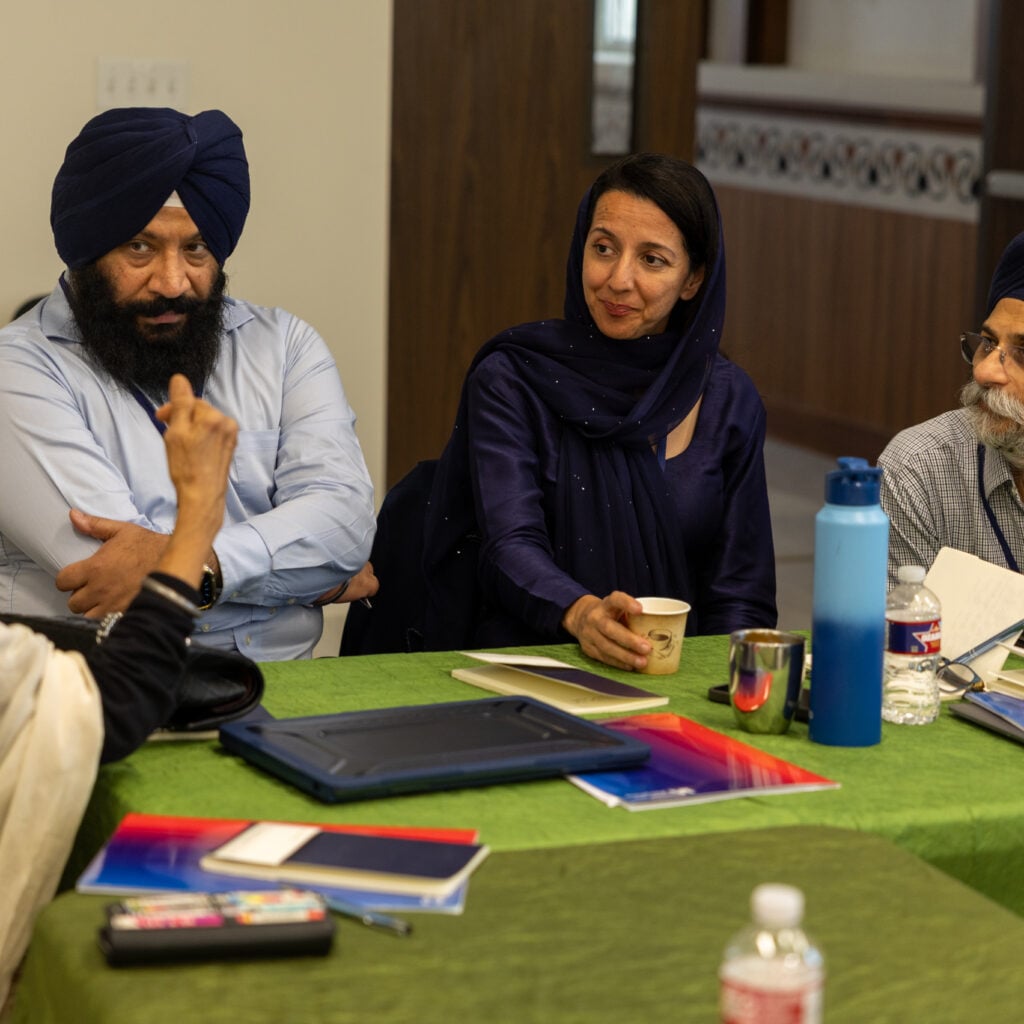
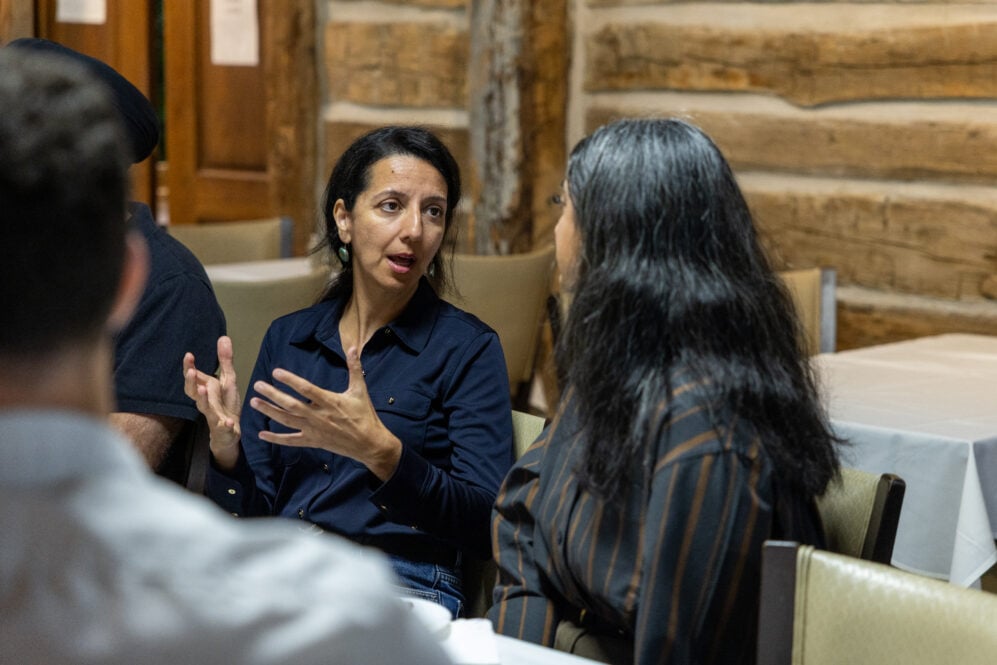
During our roundtable discussion at a recent Sikh faith specific convening, we discussed creating more opportunities for conversation and education about religion, democracy, and civic life since pluralism requires constant effort. It means creating a society in which younger Sikh Americans can see their faith, identity, and heritage as part of the American experience — not as something they must defend against repeated discrimination.
I was deeply empowered by hearing the heartfelt experiences and perspectives of community leaders from different states across our nation. Their stories demonstrated that the Sikh American experience is not one single story, but many stories connected by common values: justice, perseverance, religious freedom, civic participation, service, equality, and standing up for the rights of others.
As America celebrates 250 years, the Sikh community has an opportunity to help expand our understanding of what it means to belong. Sikh teachings remind us that pluralism requires more than tolerance. It requires recognizing the dignity of others, serving the wider community, and defending freedom even when doing so benefits someone whose beliefs are different from our own.
The story of Sikh Americans is, ultimately, part of the American story — a story of faith, service, perseverance, and the continuing pursuit of justice.

In the United States’ 250th year, Interfaith America’s Faith-Specific Convenings bring together particular communities of faith and conscience in intra-faith dialogue to discuss the history and future of religious liberty and pluralism in their traditions.
Dr. Hamdeep Singh
Dr. Hamdeep Singh is an Education Advisory Committee Member at Sikh Coalition.