
This week, the Department of Homeland Security posted a meme mocking “Mr. Singh,” telling him that he doesn’t know how to drive, to “self deport or find out” and that “America is for Americans.”
The post, targeting and profiling Sikhs based on their appearance, comes just as we mark 25 years since 9/11 — a moment of collective pain, grief, and fear for all Americans that also taught Sikh and Muslim Americans what it means to be considered an enemy in your own country.
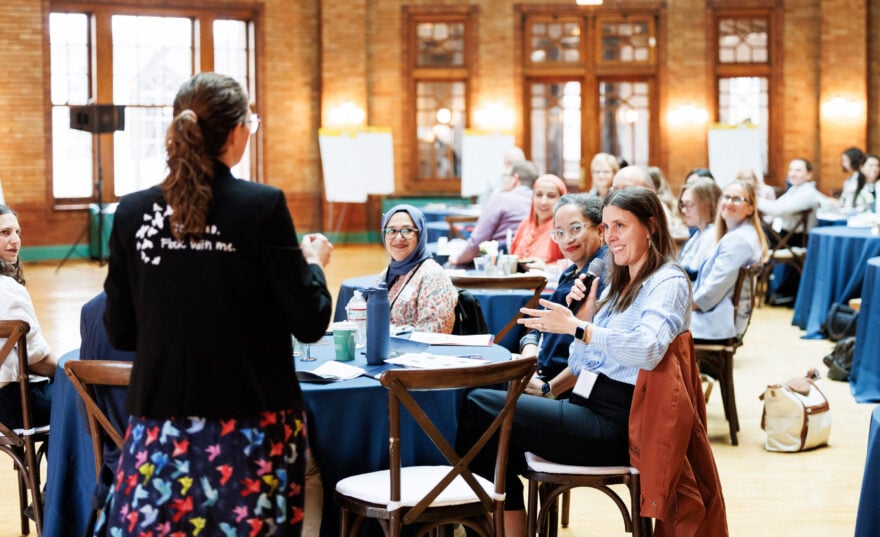
Three weeks ago, I sat with 15 Sikh leaders from across the country, gathered to talk about religious liberty and how their Sikhi tradition calls them to pluralism, to build an inclusive American democracy for all. Many shared stories of persecution, bullying, and being told outright that they don’t belong. My heart broke hearing about the racism and profiling that they and their families live with. And still, they spoke of their love for this country and their responsibility to help make it better.

This summer, I told a man about my peacebuilding work in Jerusalem and now pluralism work here in the United States. He asked if I worked with Muslims and if I am ever concerned when I see a Muslim woman in a hijab. I said no. He said, “Oh, I am. Ever since 9/11, I wonder if they are going to blow me up.” Twenty-five years on, some of us are still choosing fear over respect.
At Interfaith America we talk about building the Potluck Nation: a table where everyone brings their best and everyone has a seat. The founders got this right when they made religious freedom America’s first freedom — not a favor granted to some, but a responsibility we owe each other, especially neighbors who look, pray, or dress differently than we do.

A federal agency targeting Sikh Americans and turning their lives and work into a punchline isn’t a joke. It is a replay of the same stereotypes that got Sikh and Muslim people profiled, targeted, and in some cases killed in the 25 years since 9/11; Americans who grieved and rebuilt alongside all of us.
As we mark this anniversary, let’s not make it a story of us versus them.
As we mark this anniversary, let’s not make it a story of us versus them. It’s a shared story of grief that shaped a generation — including the Sikh and Muslim Americans who have a seat at the table.
Scott Rasmussen
Scott Rasmussen is Director of Democracy Initiatives at Interfaith America.