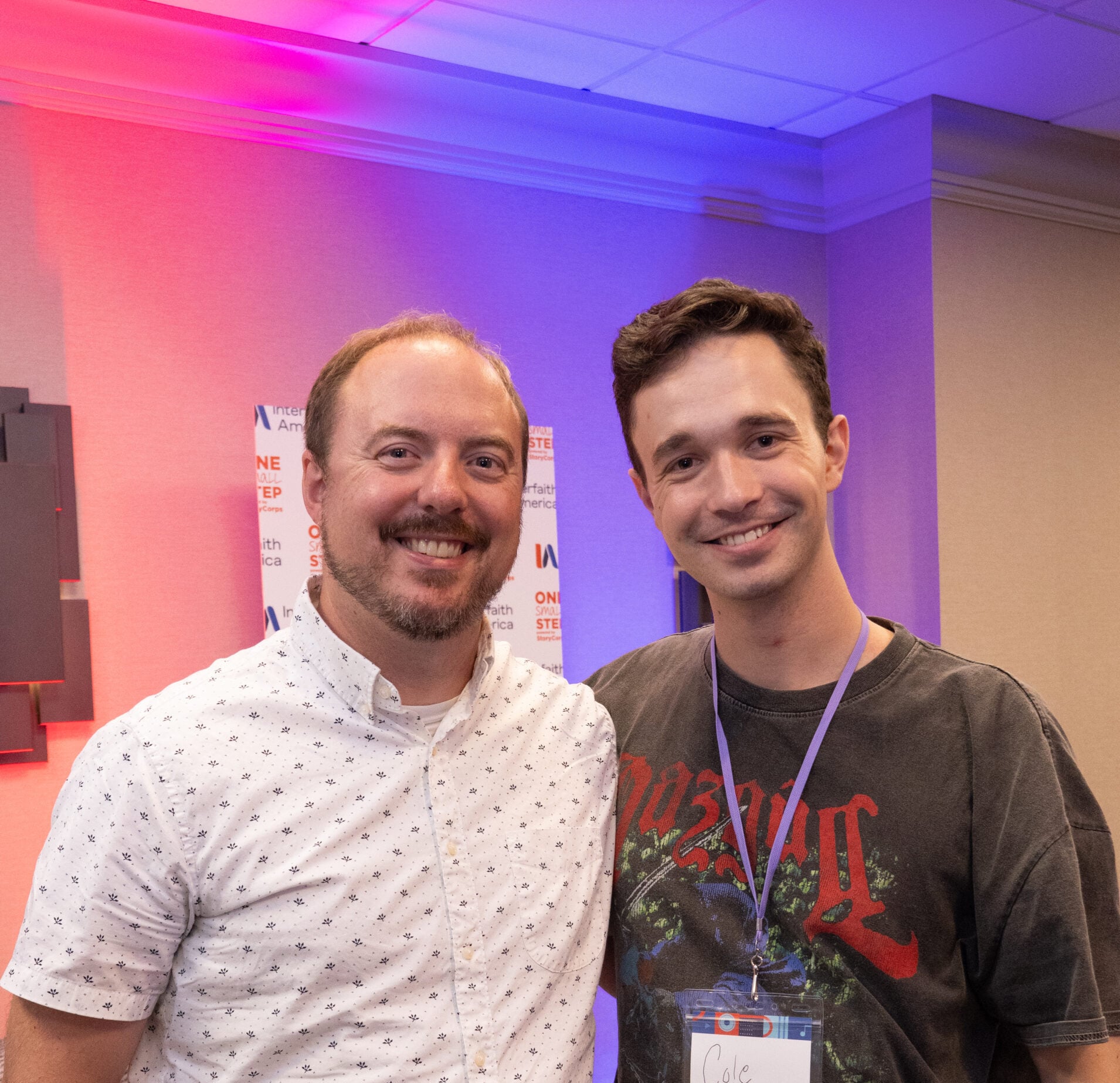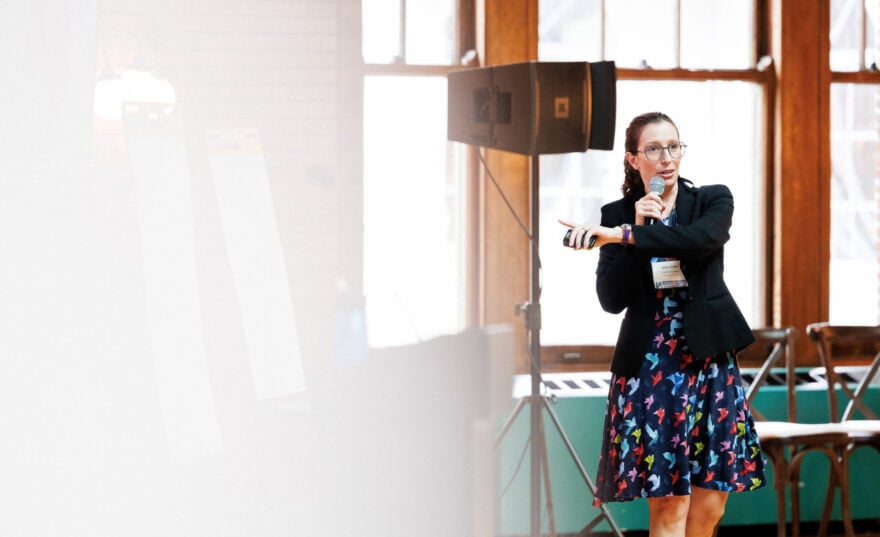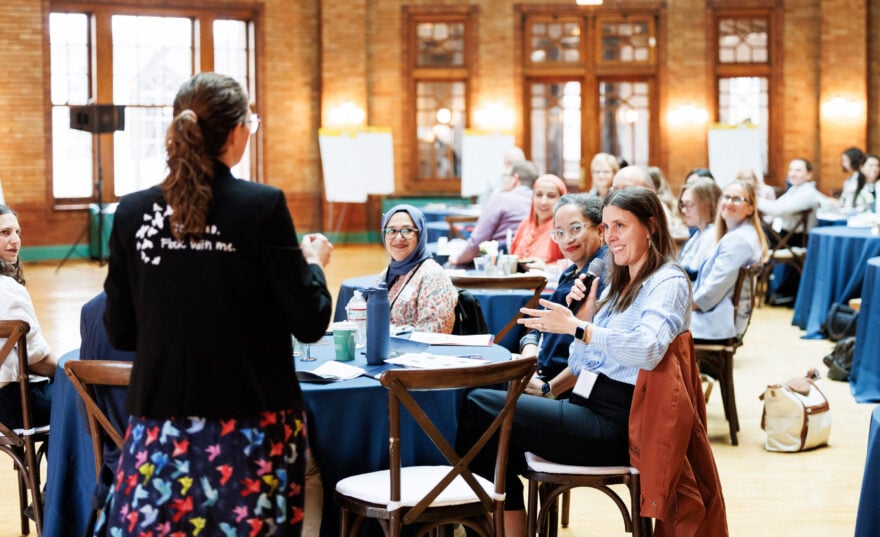

On April 14, Jewish leaders came together at Hebrew College in Massachusetts to connect and reflect on American Jewish identity and the future of democracy. Leaders addressed how deepening relationships within faith communities brings healing.
“If we feel alone, if we feel afraid, the best way to relax some of those tensions is to be in spaces where … we can acknowledge someone else’s dignity and feel our own dignity come alive,” said participant Rabbi Dr. Shmuly Yanklowitz.
This milestone in the U.S.’s history prompts reflection on the strength of diversity within the American Jewish community and the country at large.
Rabbi David Saperstein said, “America’s destiny and our destiny are bound up with each other at this 250th anniversary … If we are to succeed in these efforts, it will be because we’ve restored and reinvigorated that great bipartisan, nonpartisan, multiethnic, multi-racial, multi-religious coalition of decency that helped transform America for the better in the second half of the twentieth century.”
As leaders look to the next 250 years, especially as prejudice and hate threaten the nation’s foundational values, notes Jewish Council for Public Affairs CEO Amy Spitalnick, “the path to keeping our community and all communities safe right now is staying at the table even when things are harder than perhaps they’ve ever been.”

In the United States’ 250th year, Interfaith America’s Faith-Specific Convenings bring together particular communities of faith and conscience in intra-faith dialogue to discuss the history and future of religious liberty and pluralism in their traditions.
Rachel Crowe
Rachel Crowe, Staff Writer for IA Today, tells compelling stories about interfaith cooperation across diverse communities and supports our narrative programming.