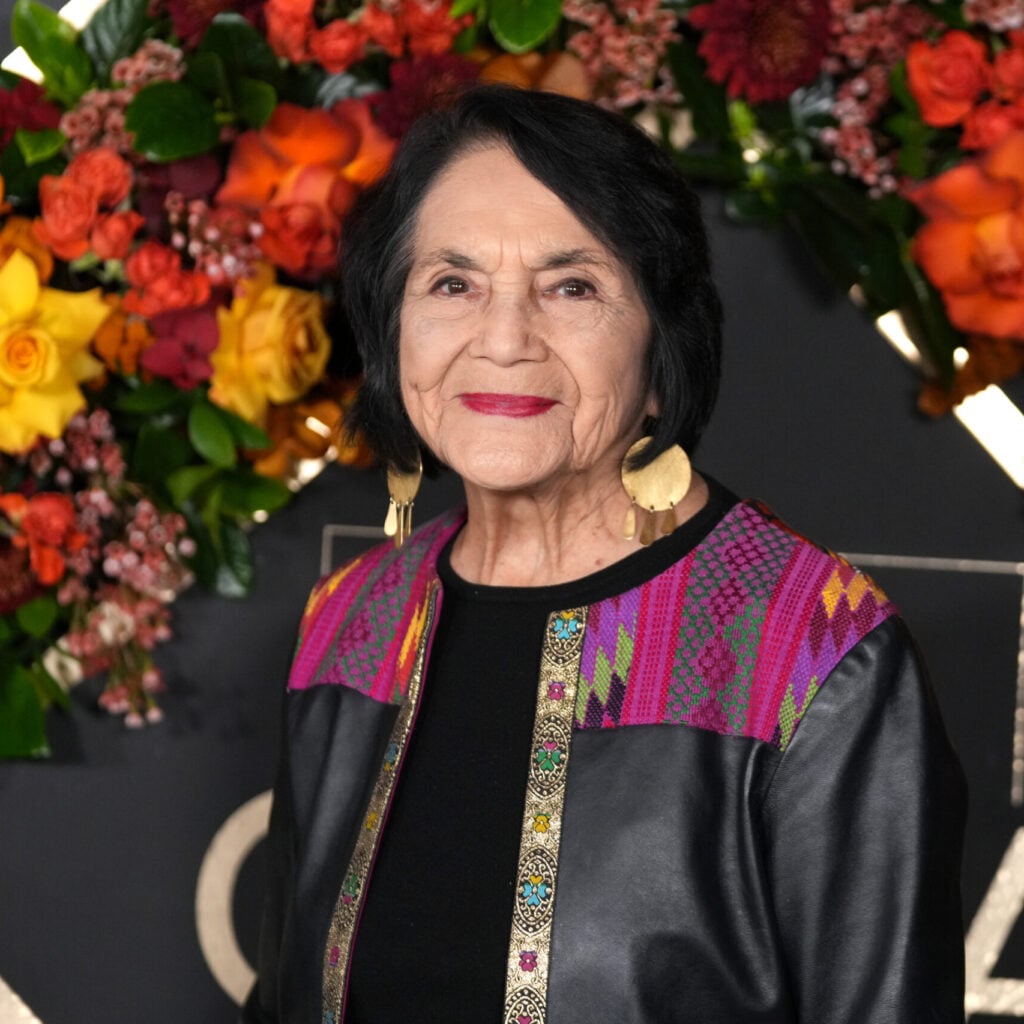
When I learned of Dolores Huerta’s death at age 96, I found myself thinking back on the advocates who shaped my understanding of what justice looks like in practice.
Before joining Interfaith America, I spent more than a decade working in environmental advocacy, fighting for the health of people and planet. Huerta taught us how to see the connections others missed.
Justice in Practice
She understood that workers’ rights, environmental health, economic opportunity, voting rights, and human dignity were not separate issues. They were all part of the same fight for justice.
We all know Huerta as the co-founder of the United Farm Workers and the woman who gave us the rallying cry, “Sí, se puede,” “Yes, we can.” But the older I get, the more I appreciate not just what she accomplished, but the moral courage it took to get there.
Huerta dedicated her life to standing alongside people who were exploited, overlooked, or dismissed. She fought for farmworkers laboring in dangerous conditions, for women seeking a voice in public life, for immigrants pursuing opportunity, and for communities demanding dignity and respect.
She understood that justice is not something handed down from those in power. It is something people build together through perseverance, sacrifice, and solidarity.
She organized. She listened. She challenged institutions. And she helped ordinary people recognize their own power.
Hope in Cooperation
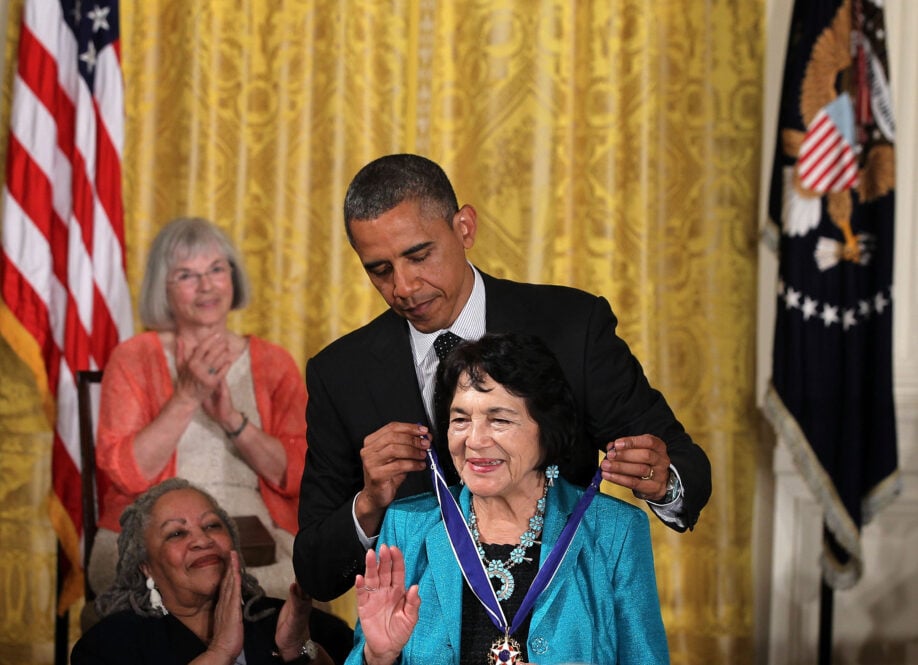
Even as she changed the course of history, she never separated justice from hope. She spent decades confronting enormous inequities, yet never seemed to lose faith in people or in the possibility of change. Not because she believed progress was inevitable, but because she believed people were capable of creating it.
At Interfaith America, we often talk about building relationships across lines of difference. We know a healthy democracy depends on people finding ways to work together, even when they don’t share the same background, beliefs, or experiences. In many ways, Huerta spent her life modeling that. She brought together workers, faith leaders, students, activists, and community members around a shared vision of justice and opportunity.
Her example reminds us that social change begins with recognizing one another’s dignity. It grows when we refuse to accept that injustice is simply the way things are and commit ourselves to building something better together.
As we remember Huerta’s beautiful life, I am grateful for the path she created for so many advocates, organizers, and community builders who came after her. Her life was a reminder that courage and compassion belong together, and that the pursuit of justice is ultimately an expression of hope.
Respect for Diversity
At their best, all faiths call us to recognize the dignity of every person and our responsibility to one another. Huerta understood that solidarity is more than a political strategy. It is a moral commitment to stand with our neighbors, especially those whose voices are excluded.
In a divided world, her legacy reminds us that lasting change is built through relationships, shared purpose, and the belief that our communities are stronger when everyone belongs. May we honor her memory by carrying forward that spirit of justice, hope, and solidarity.
As Dolores said, “Every moment is an organizing opportunity, every person a potential activist, every minute a chance to change the world.”
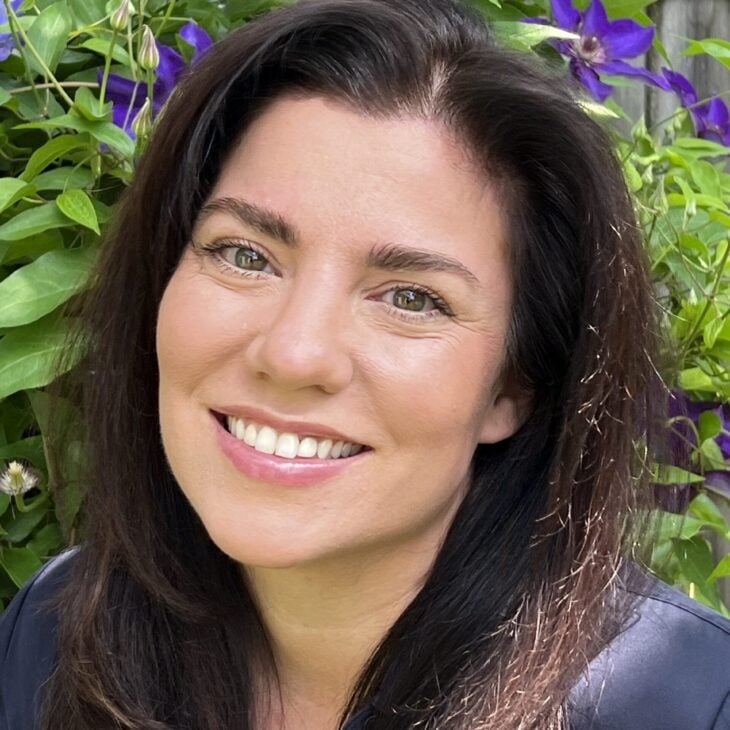
Emily DiFrisco
Emily DiFrisco is Senior Director of Strategic Communications at Interfaith America.