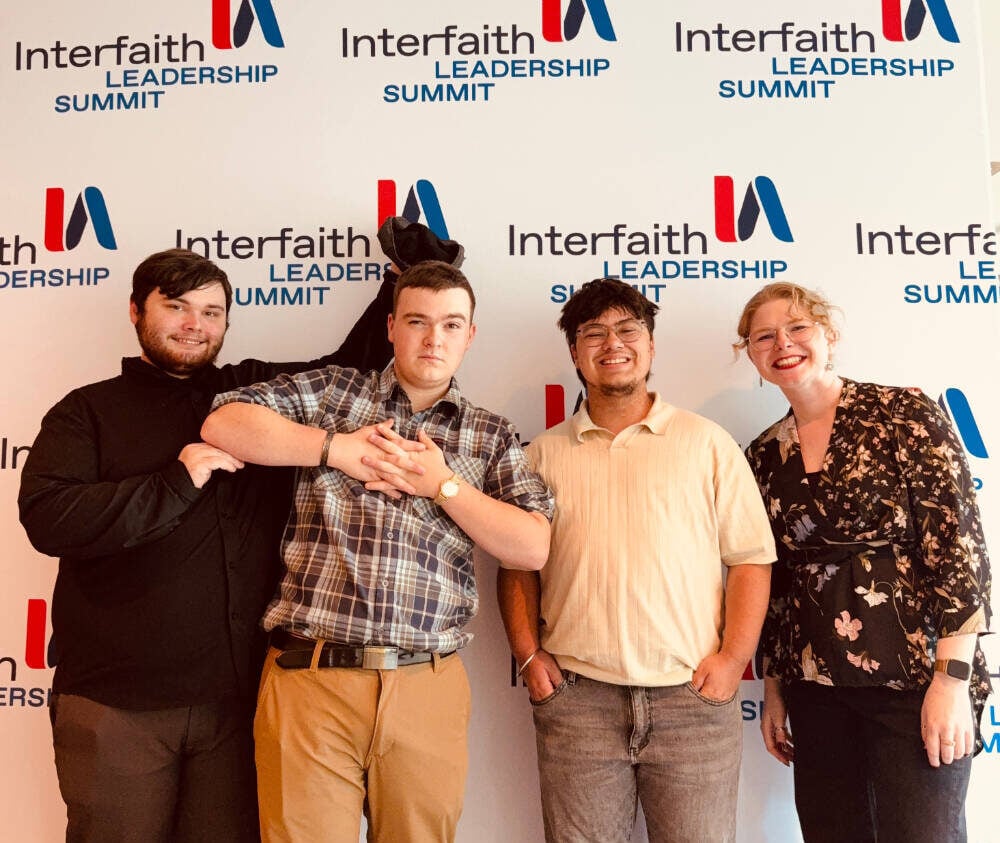
College campuses bring together students from countless backgrounds, identities, and beliefs. Yet despite sharing classrooms and residence halls, many students rarely have opportunities to build meaningful relationships across those differences. During my year as an Interfaith America BRAID Fellow, I wanted to help create one of those opportunities.
As an international student from Cameroon studying Biochemistry at the University of St. Thomas, with minors in Interfaith Leadership Studies and Sustainability, I often find myself moving between different communities; scientific, cultural, and religious. Studying interfaith leadership alongside the sciences has shown me that many of the challenges we face, whether in healthcare or society, cannot be solved by one perspective alone. Meaningful progress requires people with different experiences and beliefs to work together with curiosity, humility, and compassion. My fellowship with Interfaith America challenged me to put that belief into action.

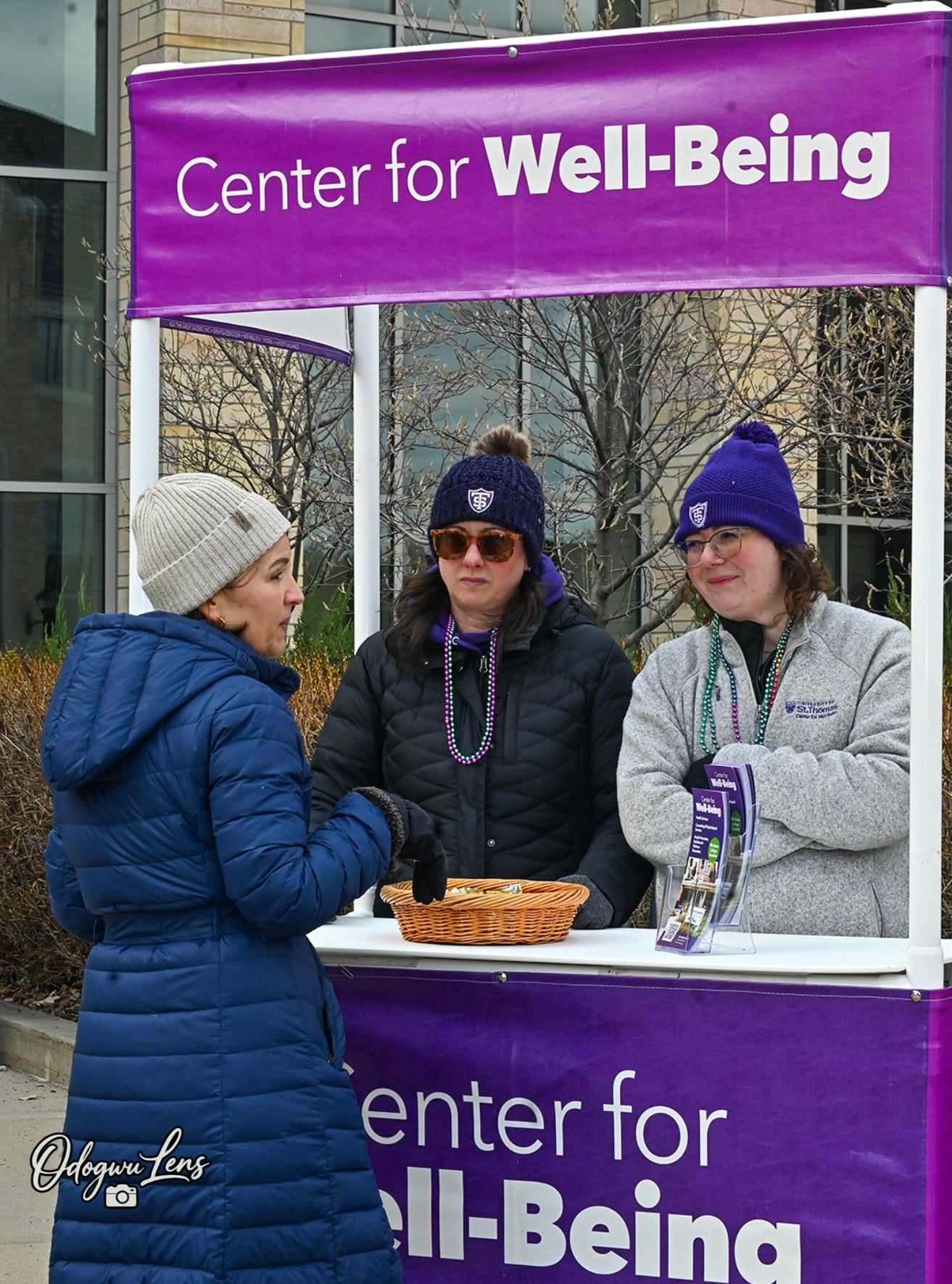
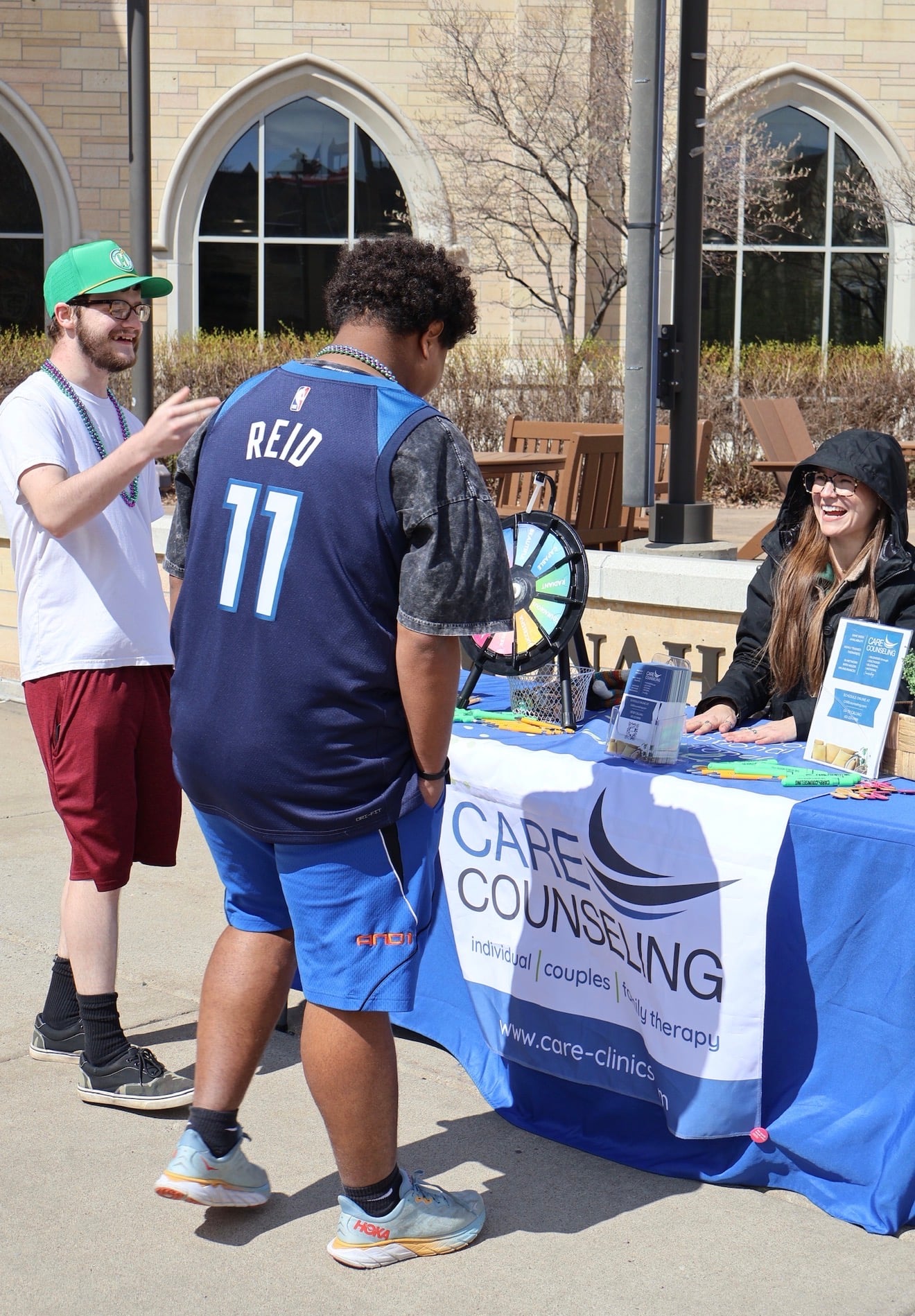
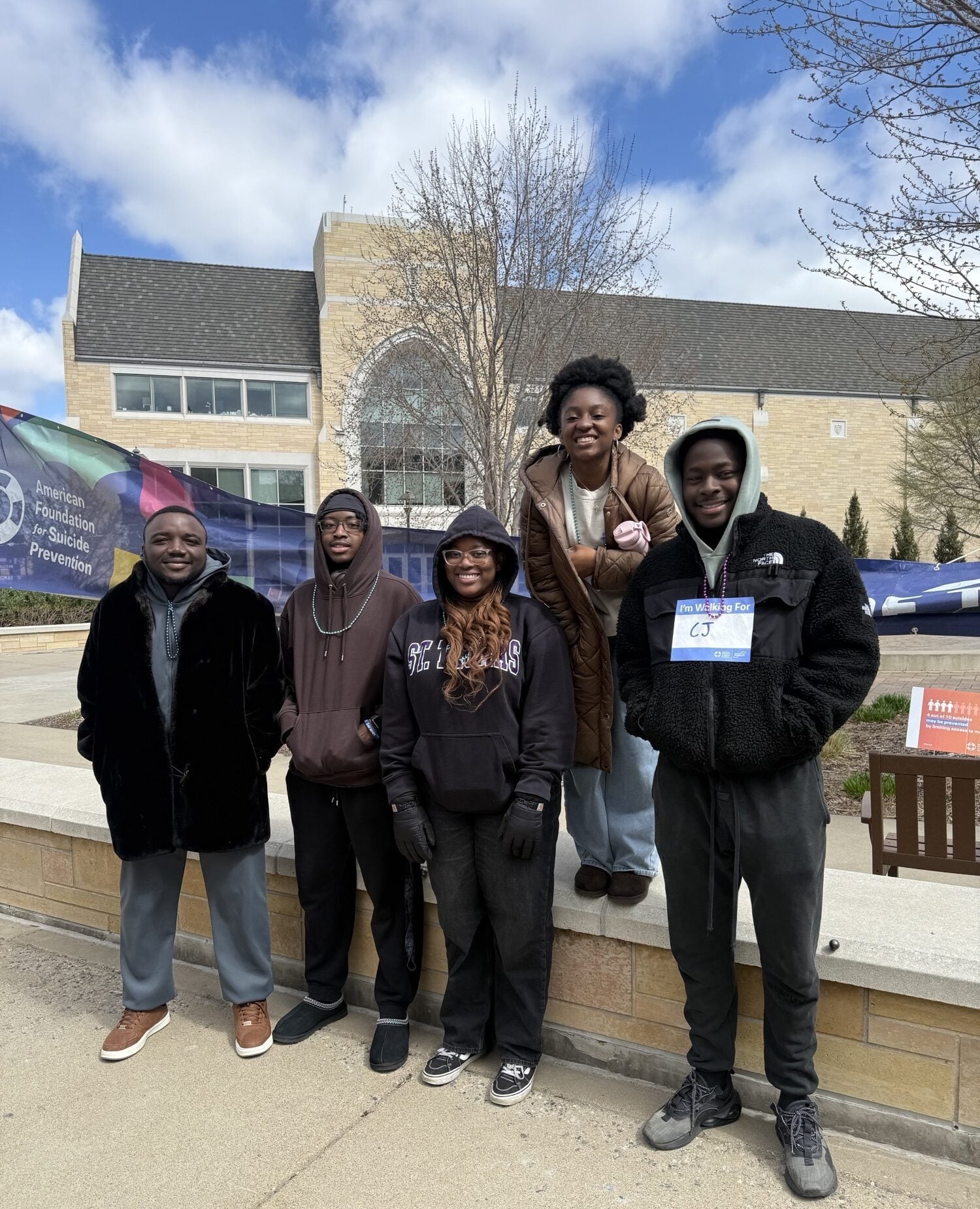
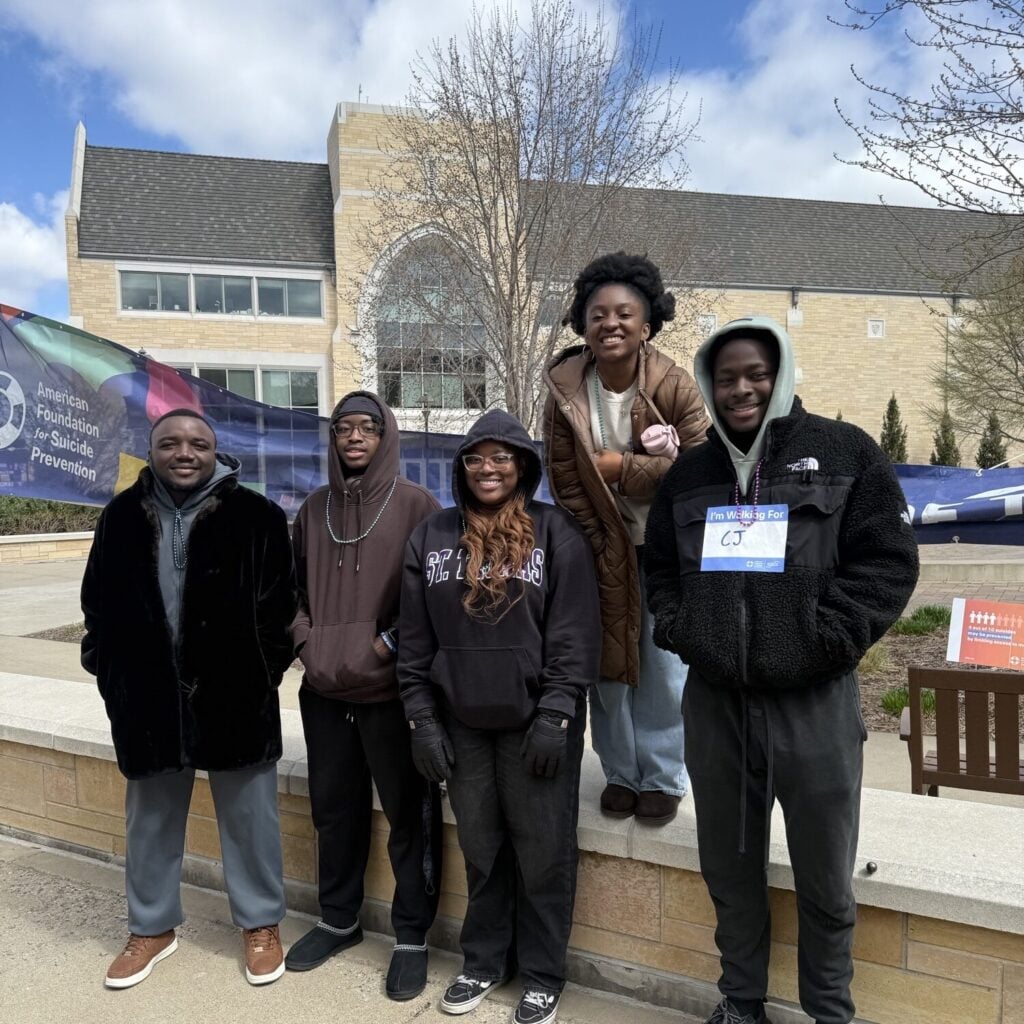
With support from Interfaith America’s BRAID grant, I partnered with the Jay Phillips Center for Interreligious Studies, the Center for the Common Good, and the Center for Well-Being and student organizations to host an interfaith service initiative centered around the American Foundation for Suicide Prevention’s Out of the Darkness Campus Walk at the University of St. Thomas.
I intentionally chose a mental health initiative because mental health affects every community, regardless of faith, culture, or background. While our beliefs may differ, every person understands the importance of belonging, compassion, and hope. I wanted students to experience how working together in service of a common cause could create opportunities for authentic dialogue across differences while reminding everyone that we support each other through challenges.
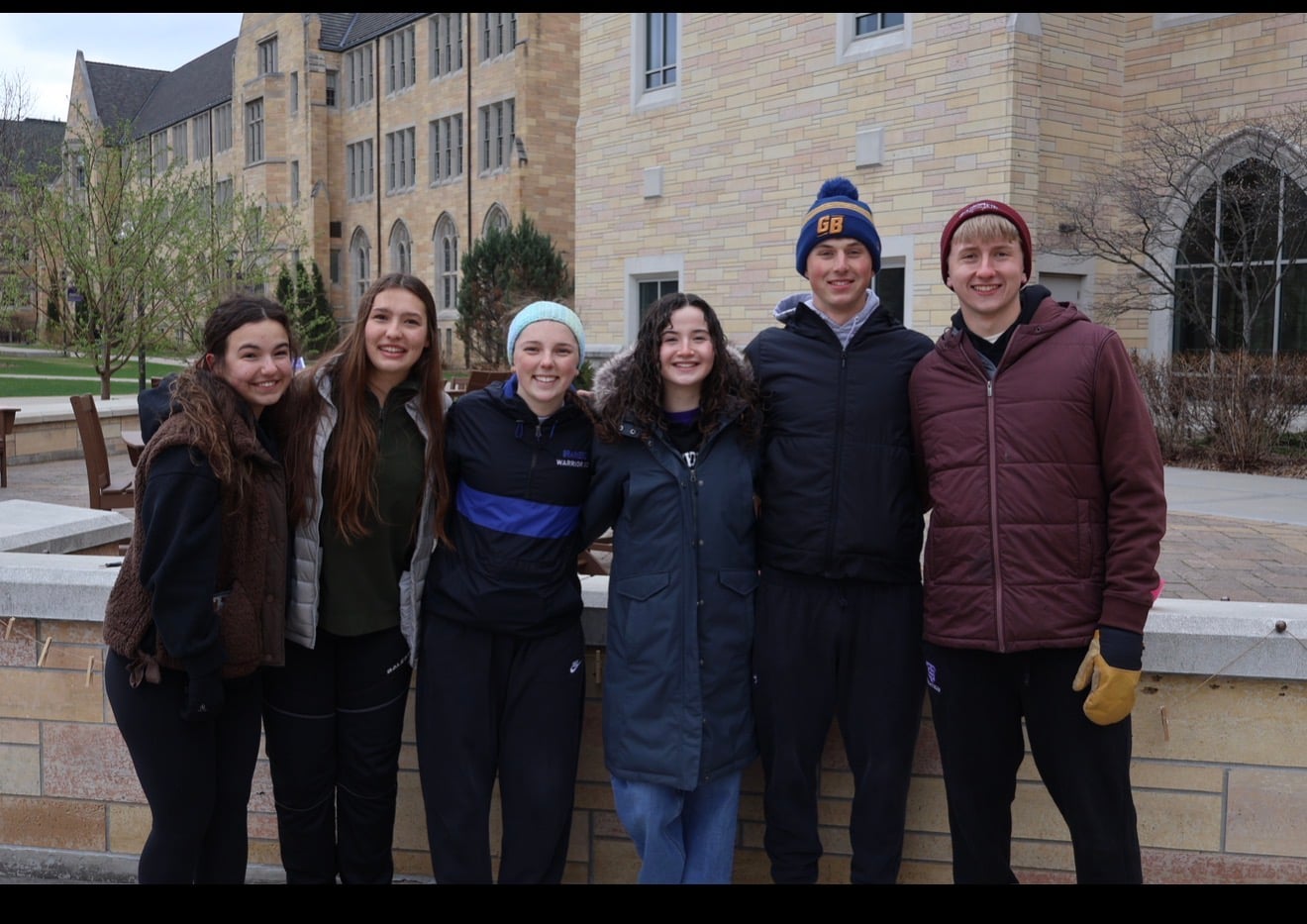
While our backgrounds differed, we shared one purpose: supporting mental health awareness and reminding members of our campus that no one should face life’s challenges alone.
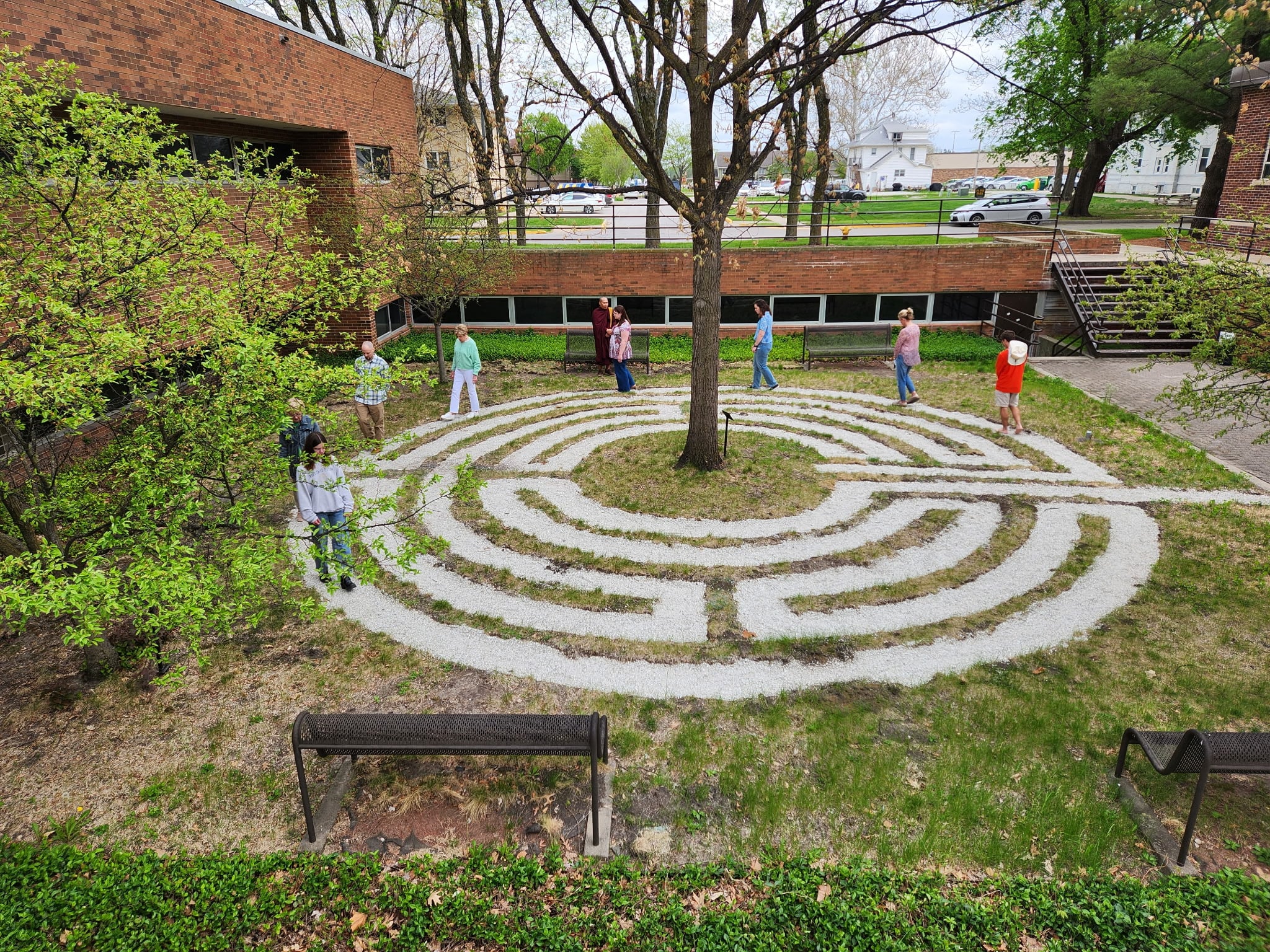
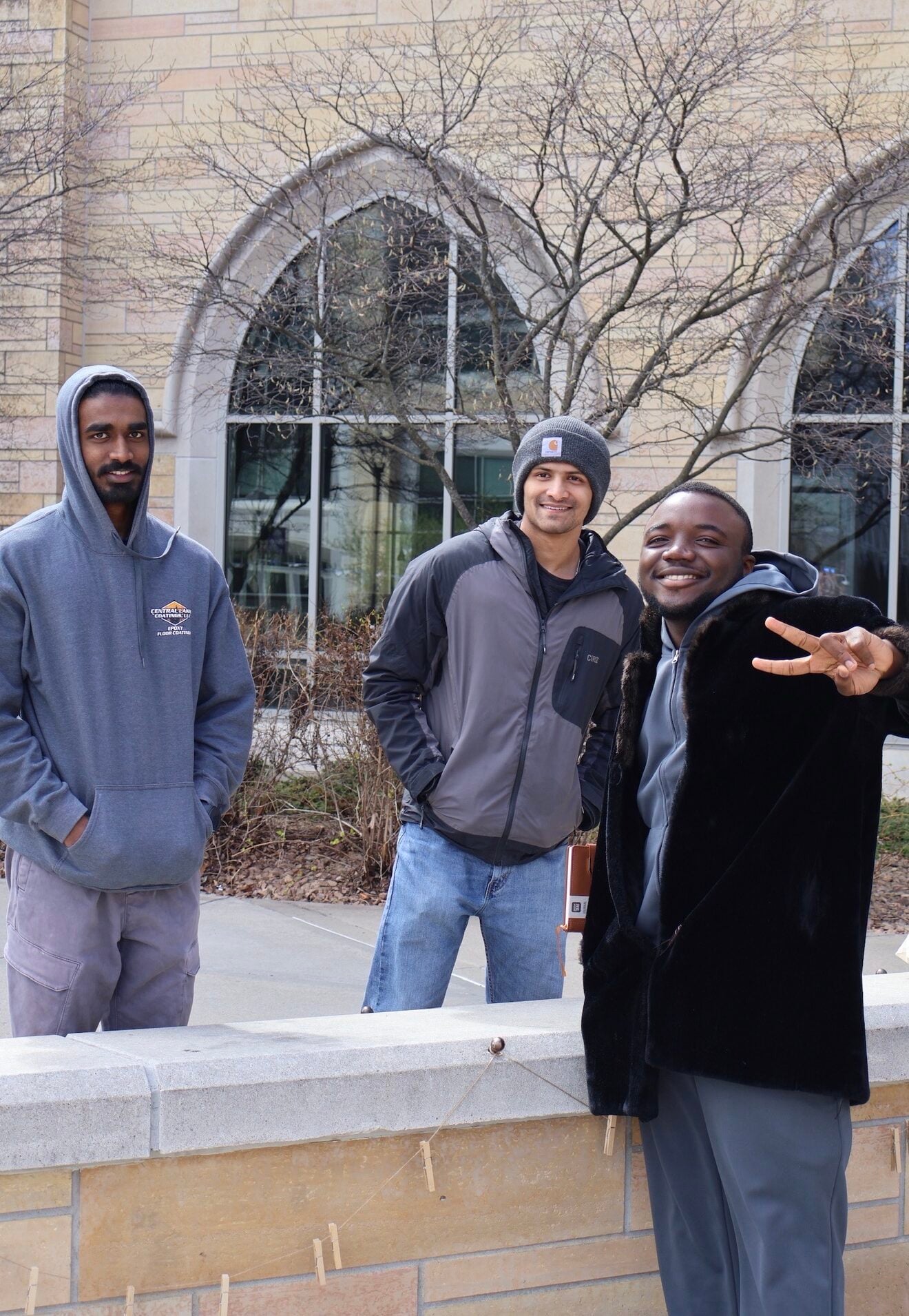
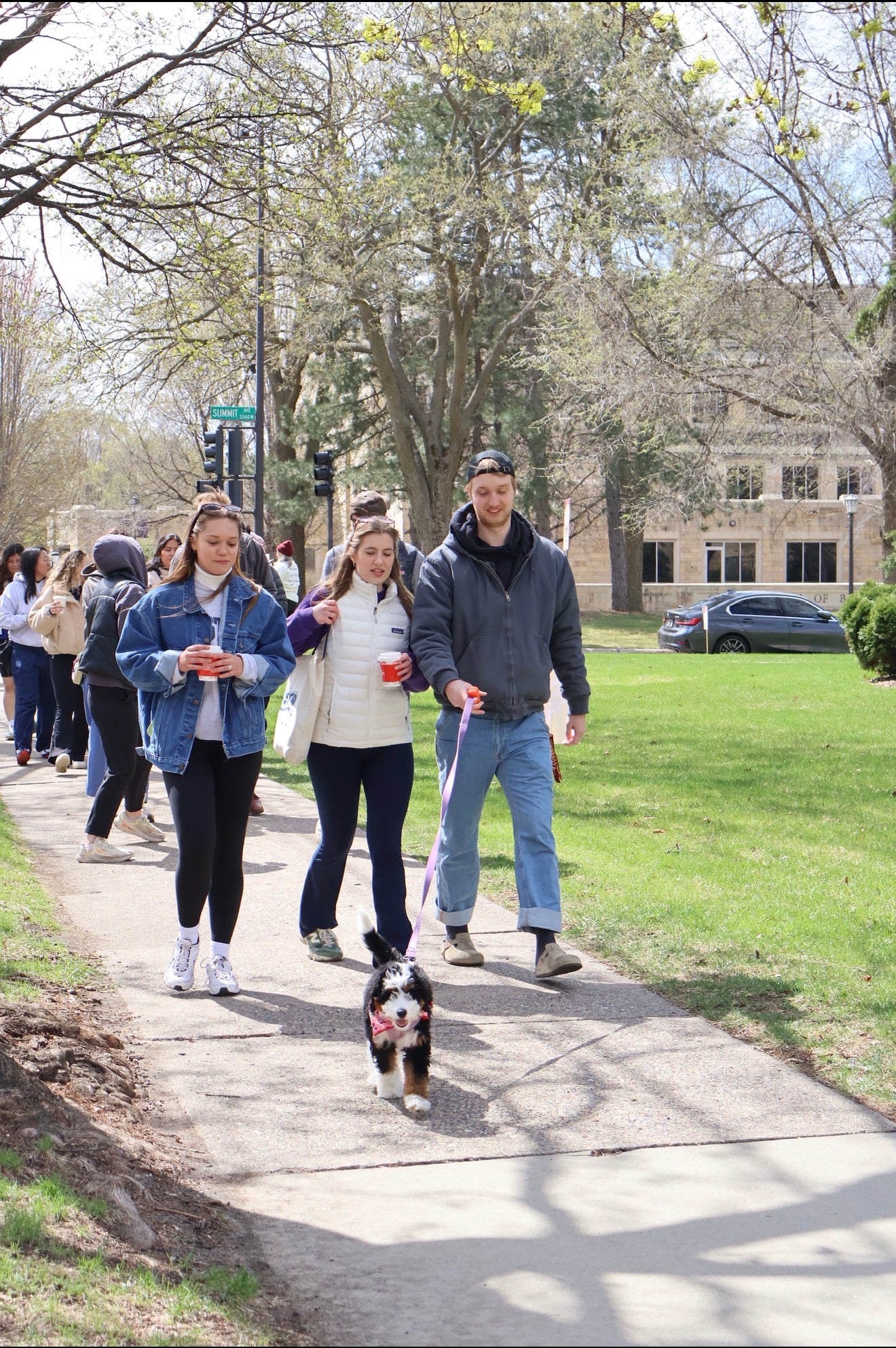
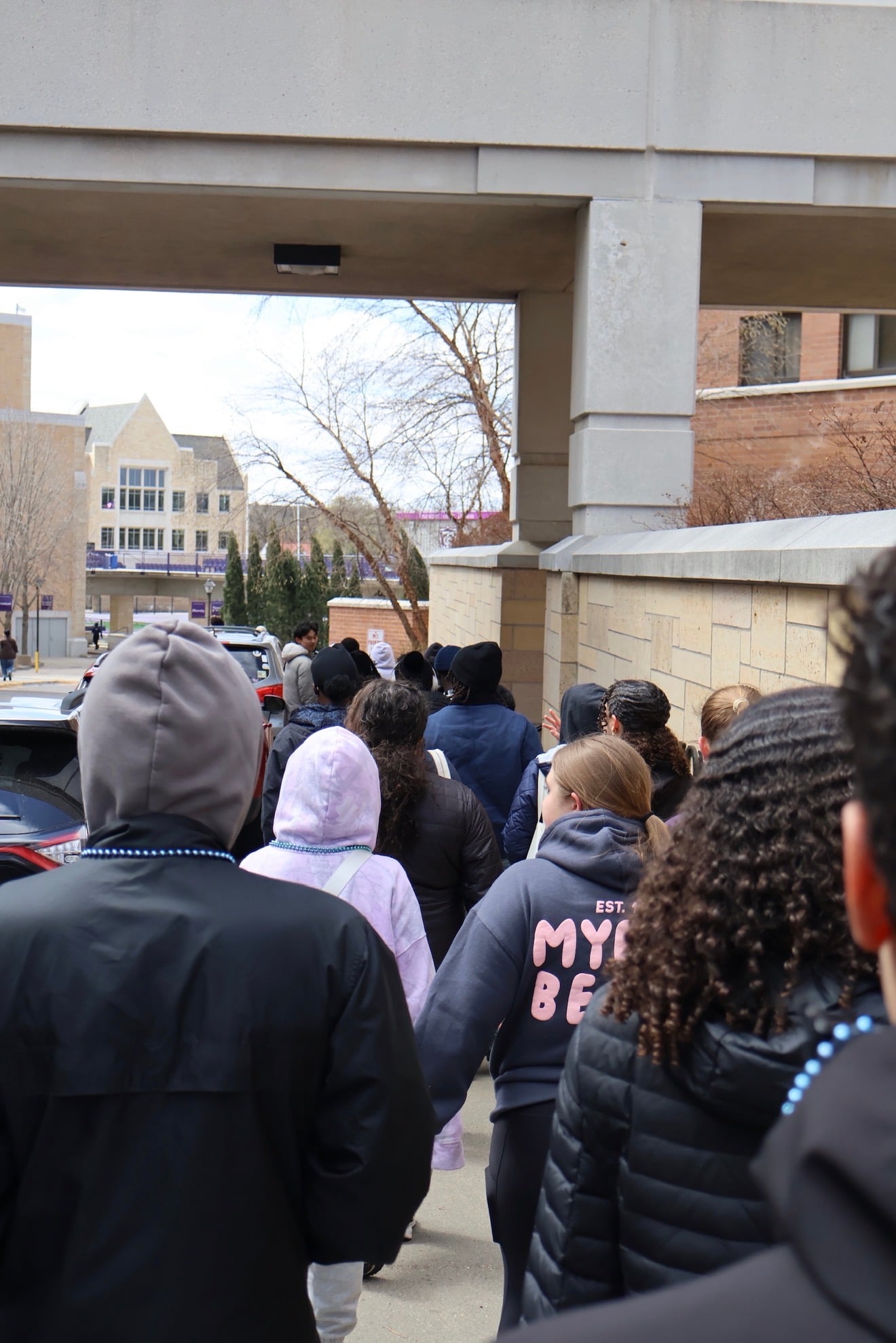
The event brought together 14 student organizations, representing a wide range of faith traditions, cultures, identities, and campus communities, along with 130 University of St. Thomas students, 45 students from neighboring colleges and universities, 26 community members, and five faculty and staff members. While our backgrounds differed, we shared one purpose: supporting mental health awareness and reminding members of our campus that no one should face life’s challenges alone.
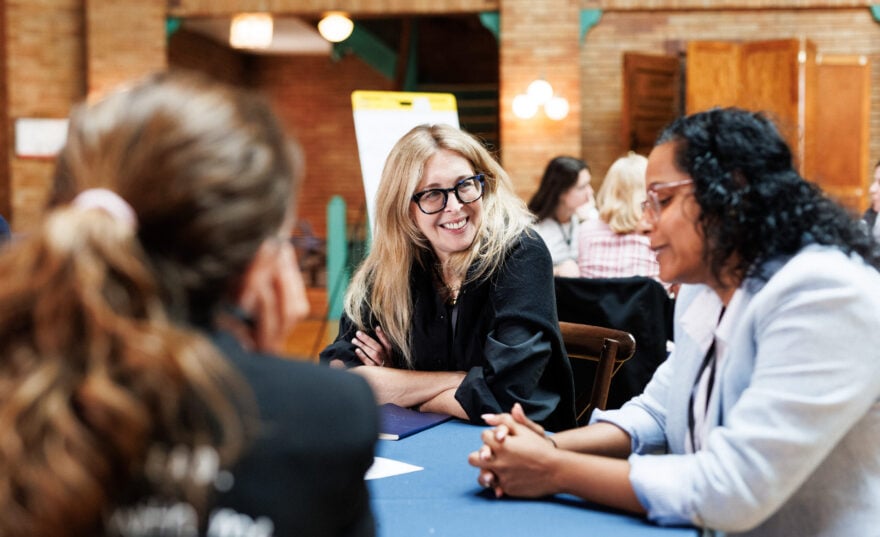
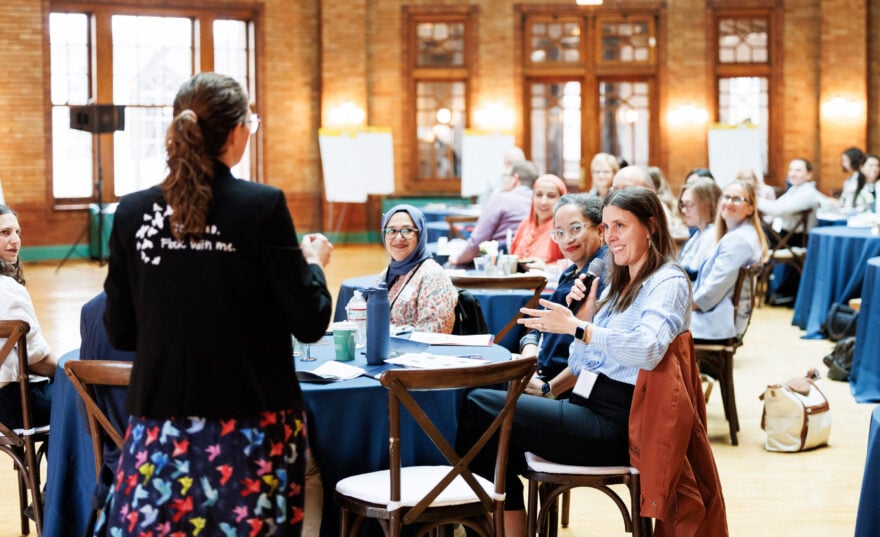
The service project became much more than volunteering. As students prepared for the walk, conversations naturally emerged about mental health, belonging, and the importance of building communities where every individual feels seen and valued. We discussed how pluralism is not simply about acknowledging differences but about actively engaging with one another, learning from one another, and working together for the common good.
Throughout the experience, I facilitated discussions that encouraged respectful dialogue, empathetic listening, and mutual understanding. Students reflected on how our different identities and beliefs could become strengths rather than barriers when we intentionally create spaces built on trust and respect.
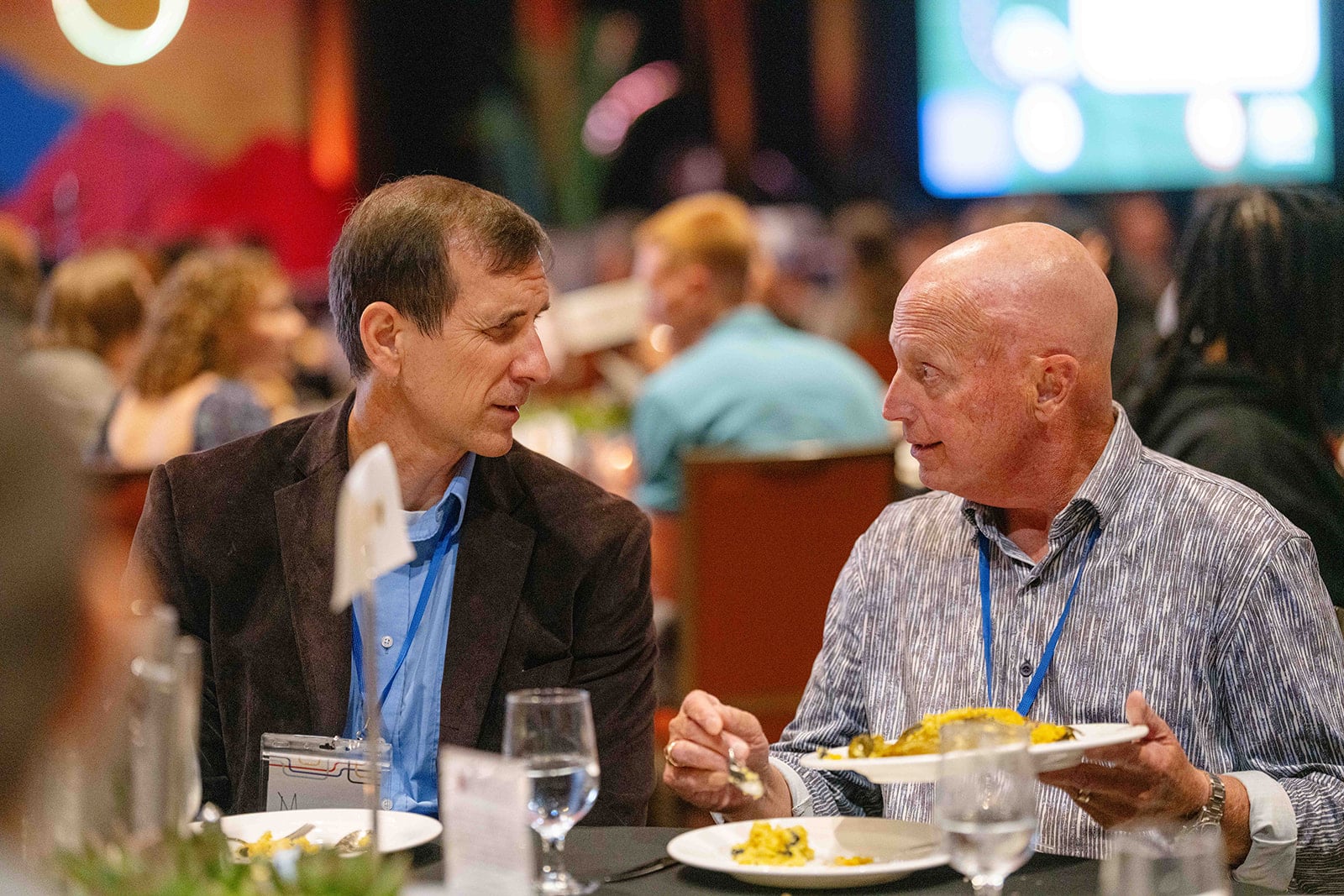
After the walk, participants gathered for dinner at Café Latte, where the conversations continued. The meal became another opportunity for students to share personal experiences, reflect on what they had learned, and form new friendships that extended beyond the event itself.
One participant, Ifemi, shared. “This was important to me because it showed me I am not alone and I can trust in my community.”
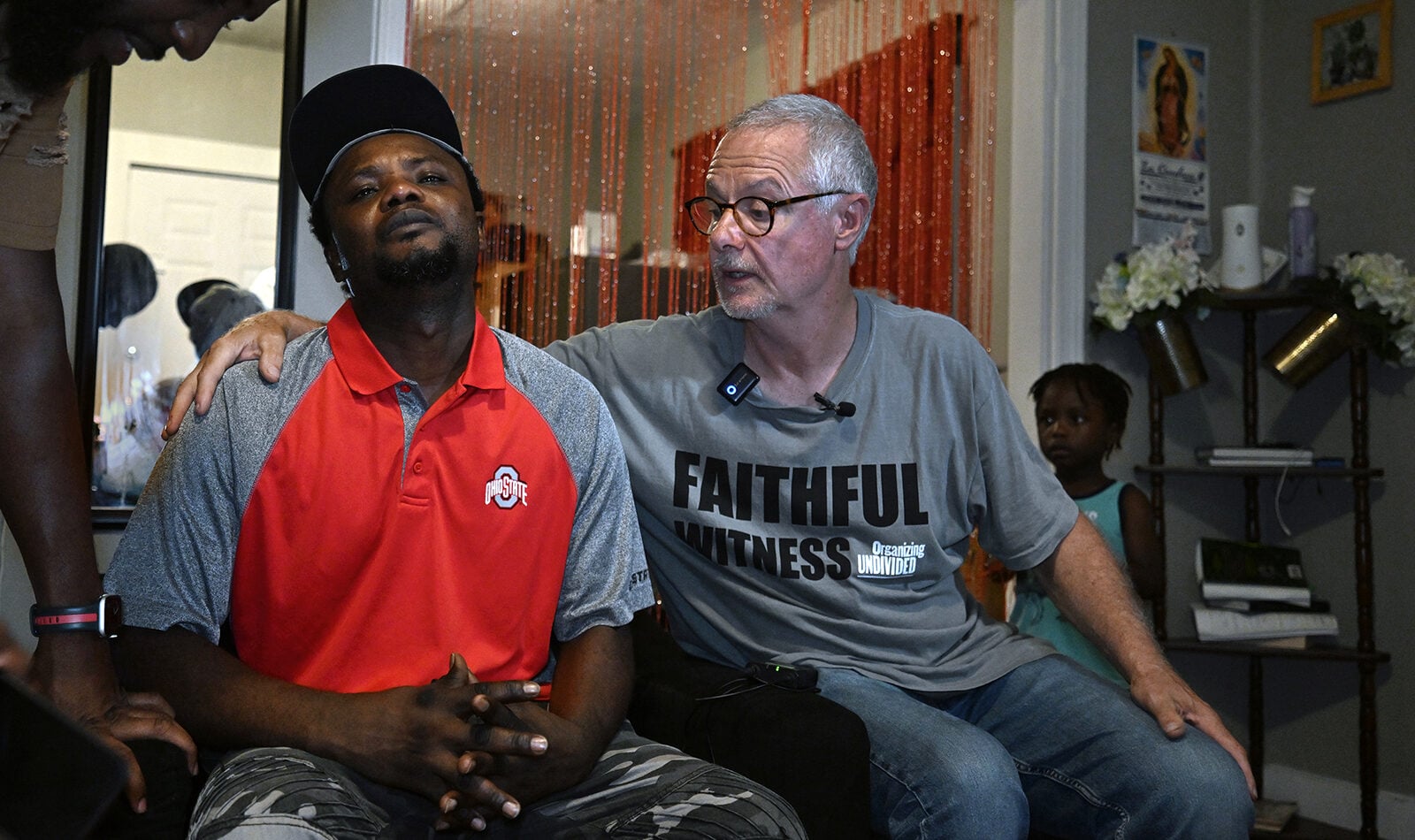
One of the most powerful moments of the day came as participants listened to the story of a family whose loss inspired them to advocate for suicide prevention. Their courage reminded us that behind every statistic is a person, a family, and a community that deserves compassion and support.
Service has the power to bring people together in ways that conversations alone sometimes cannot.
The event demonstrated something I have come to believe deeply: service has the power to bring people together in ways that conversations alone sometimes cannot. When individuals work side by side toward a shared purpose, differences become opportunities for learning rather than division.
This experience also reinforced what interfaith leadership means to me. It is not about convincing others to share our beliefs. Instead, it is about creating spaces where people from different religious, cultural, and philosophical backgrounds can work together with humility, curiosity, and respect to address the challenges facing our communities.
As a future physician, I hope to carry these lessons with me throughout my career. Healthcare depends on collaboration among professionals from different disciplines, just as strong communities depend on people who are willing to listen, learn, and work together despite their differences. My experience as a BRAID Fellow reinforced that healing extends beyond medicine; it also involves creating communities where people feel seen, valued, and supported.
While service created a natural opportunity for students to build relationships, reflection and dialogue transformed that shared experience into meaningful learning.
The Out of the Darkness Walk demonstrated how pluralism can be lived out in practice. I intentionally incorporated conversations about pluralism because I wanted the event to be more than a volunteer opportunity. While service created a natural opportunity for students to build relationships, reflection and dialogue transformed that shared experience into meaningful learning. By discussing mental health, belonging, and our diverse religious, cultural, and philosophical perspectives, participants experienced that interfaith engagement is more than simply bringing people from different backgrounds into the same space; it is about building relationships, learning from one another, and working together for the common good. Through the walk and our reflections over dinner, students discovered that our shared humanity is often greater than the differences that separate us.
“This was an amazing experience,” one student shared. “Just being able to be part of something special happening on campus, doing it with people I care about, and getting to meet and learn from others made it incredibly meaningful.”
I am grateful to Interfaith America, the Jay Phillips Center for Interreligious Studies, the Center for the Common Good, the Center for Well-Being, the American Foundation for Suicide Prevention, and every student who participated. Together, we demonstrated that when people unite around a common purpose, service becomes more than an act of giving, it becomes a pathway to understanding, healing, and hope.
If you or someone you know is struggling or in crisis, call or text 988 to reach the 988 Suicide & Crisis Lifeline.
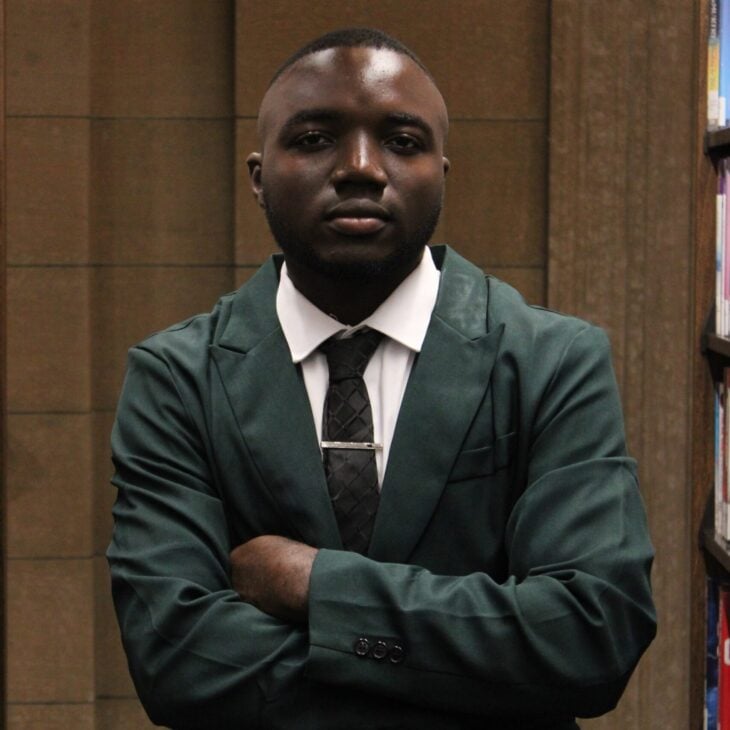
Fru Donatus Junior Nkwefor
Fru Donatus Junior Nkwefor is an undergraduate student at the University of St. Thomas MN and a 2026 BRAID Fellow with Interfaith America.