My facial hair has become something of a running joke with people in my life. Depending on when you see me, I might have a full beard, a clean shave, a mustache/mutton chop combo that has no business being on anyone’s face in this century — or something in between. A coworker once asked if I was in witness protection because of how different I looked each time we met. I laughed and took it as a compliment.
I change it often because it’s fun. I’m blessed with fast-growing facial hair that requires tending regardless, so I figure I might as well enjoy it. But for a long time, the beard had a different relationship to my life than aesthetics.
After 9/11, airports were a fraught place for my family. I remember my mother and grandmother being held. My father and brothers pulled aside. I was a kid, watching and connecting dots: Arabic names, big beards, hijabs. The pattern felt obvious. So for years, I would shave before flying. I didn’t consider it a political act. I was just heeding one of my father’s go-to phrases: better safe than sorry.
Then about ten years ago, I stopped. I’m not entirely sure what changed. Maybe I felt more confidence, more audacity, or maybe just less patience for managing other people’s comfort at the expense of my own. I stopped shaving for anyone but myself.
Until last month.
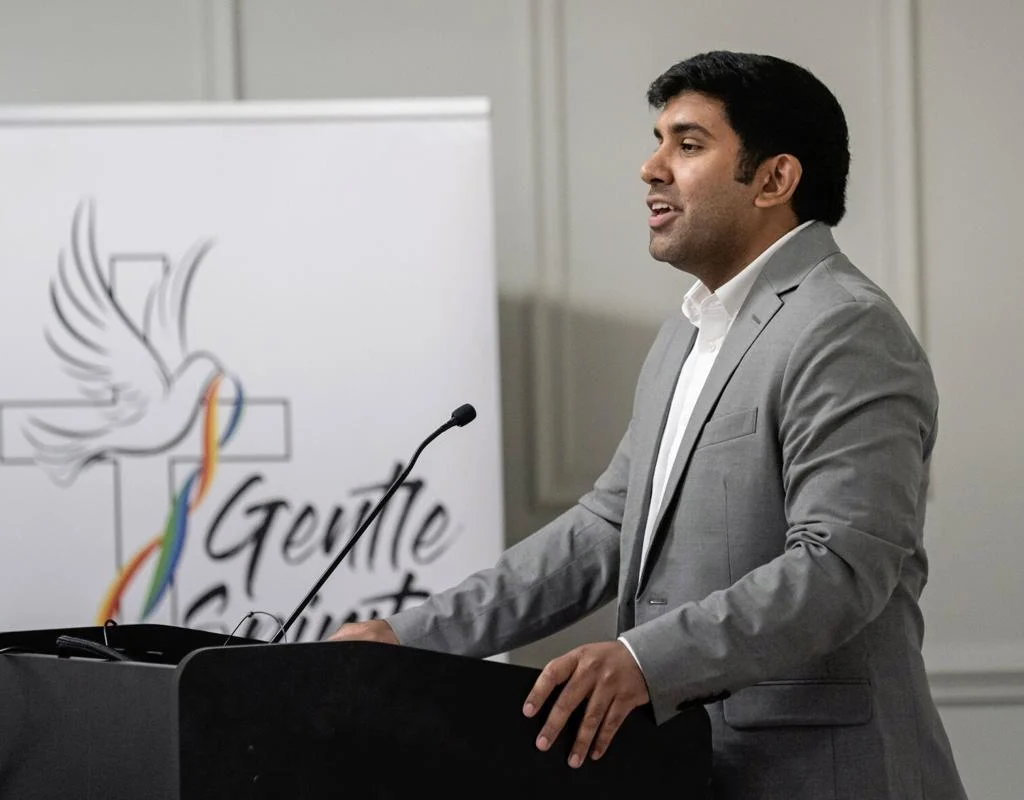
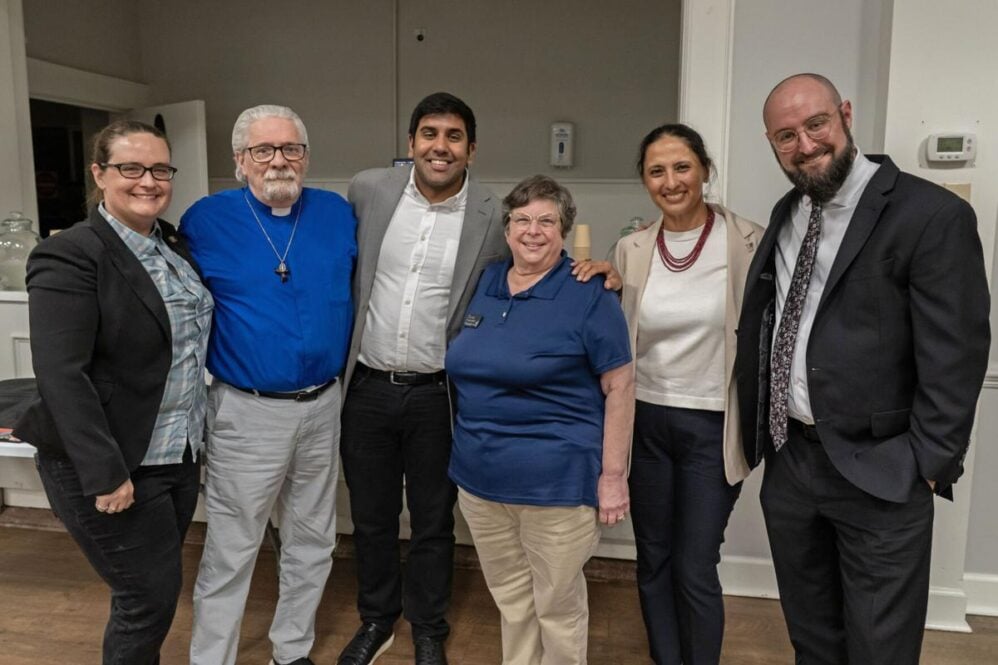
I was invited to deliver the keynote at Interfaith Atlanta’s 9/11 Memorial Event on September 10. Because of a friend’s wedding, I was flying home to Wisconsin on September 11, the 25th anniversary of the worst attack on American soil, and a date I had never flown on in my life. And for the first time in a decade, I shaved my beard before heading to the airport.
Let’s be clear: I had been growing it out. It looked good and I didn’t want to shave it.
But the anxiety came back. A specific and familiar kind. Brown-man-at-the-airport anxiety. The kind that whispers that a beard on a face like mine reads one way and a clean shave reads another. The kind of anxiety I thought I had outgrown.
The layers of irony were not lost on me. I was flying across the country to speak honestly about my experience as a Muslim organizer in post-9/11 America. I spent weeks writing the speech, mining my own life and reflecting on the shame I carried and the slow work of unlearning the idea that I didn’t belong here. I was doing all of this while quietly making a decision rooted in the exact same shame I was going to stand up and name.
Writing that speech required me to sit with moments I had long avoided: the school bus on the morning after 9/11. My father sitting me down in front of the evening news to prepare me for a world that might not see me clearly. And finding balance through moments of hope, like seeing non-Muslims stand up for their Muslim neighbors at a nearby city council meeting in response to a mayor’s offensive social media posts.
The speech felt like healing. The beard felt like a reminder that healing is not linear.
I flew home on September 11. Clean-shaven and anxious. Proud of what I had said the night before. Still unlearning.
The beard is already growing back.
Ali Khaleel
Ali Khaleel is the Assistant Director of the Emerging Leaders Network at Interfaith America.