
One often-repeated question has fundamentally shaped how I understand our pursuit of the common good: Where are all the Christians?
Christians often veer far from the table because they fear gathering in this way might require them to compromise their beliefs. What if the table is actually a giant melting pot where all our distinct beliefs and ideas are thrown in and boiled down to a homogeneous muck?
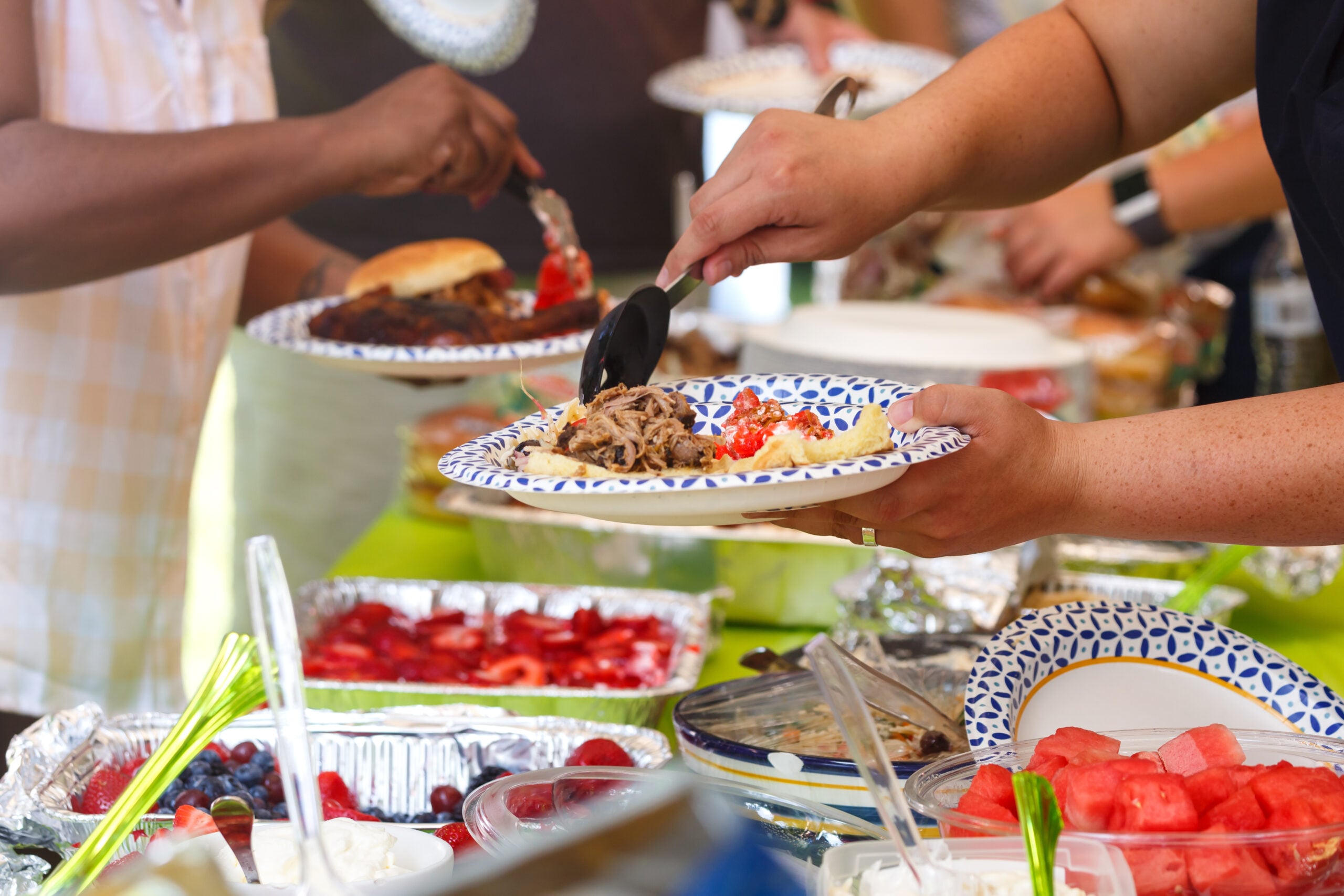
This is a worthy concern. In my experience, though, I have found the opposite is actually true: When we come to the table, we don’t leave God at the door; we join God at the table. The “dishes” of our different traditions aren’t melted together; they are honored, appreciated, and eaten alongside one another. Any table that requires us to throw our beliefs into the melting pot is not seeking a truly common good.
God’s presence at the table beckons us to enter into vulnerable proximity with those in our community, just as Jesus did. God’s good desire is for us to love one another in table fellowship. God is asking us to open ourselves to the possibility of radical and genuine love across our differences. Truly, if the call on every Christian’s life is Christlikeness, then joining God at the common table is not optional.
Participating in God’s good work means taking up practices that orient us to God and transform how we show up in the world. These liturgies serve the ultimate task of the Christian: to live a life attuned to the Spirit’s redeeming work in the world: in the places where people gather and laugh together, where we deliberate and debate, where we ponder the deep things of God, where we labor and learn, and where we entertain and experience joy. The task before us is to bring our distinct, well-seasoned dishes of love, goodness, and community to offer to the potluck spread. We must join God where God is already at work: in the neighborhood.
A Call to Love
The first “dish” Christians can offer to the pursuit of a common good is a belief that God is love and that our highest calling is to love God and our neighbors. Love is worthy of our highest attention because how we love forms how we value, order, and prioritize all other things in our lives. In other words, who, what, how, and why we love is the measuring rod for the kind of people we are and how we act in the world. Love shapes our actions, our values, and our concerns. It is the good that makes all other goods good.
This is why Jesus’s command to love God and neighbor is so important. Any good and true love that Christians can offer to another must begin with the recognition that God first loved us. When the reality of this truth permeates our soul, we begin to model our love for others after the pattern of God’s love for us, which is marked by radical self-giving, hospitality, justice, and grace. To will the good of the other is the purest form of neighbor love.

Read more from Becoming Neighbors: The Common Good Made Local by Amar D. Peterman © 2026. Reprinted in arrangement with Wm. B. Eerdmans Publishing Co.
Amar D. Peterman is a Civic Strategies Specialist at Interfaith America.