
I remember the first time I felt God calling me to the table.
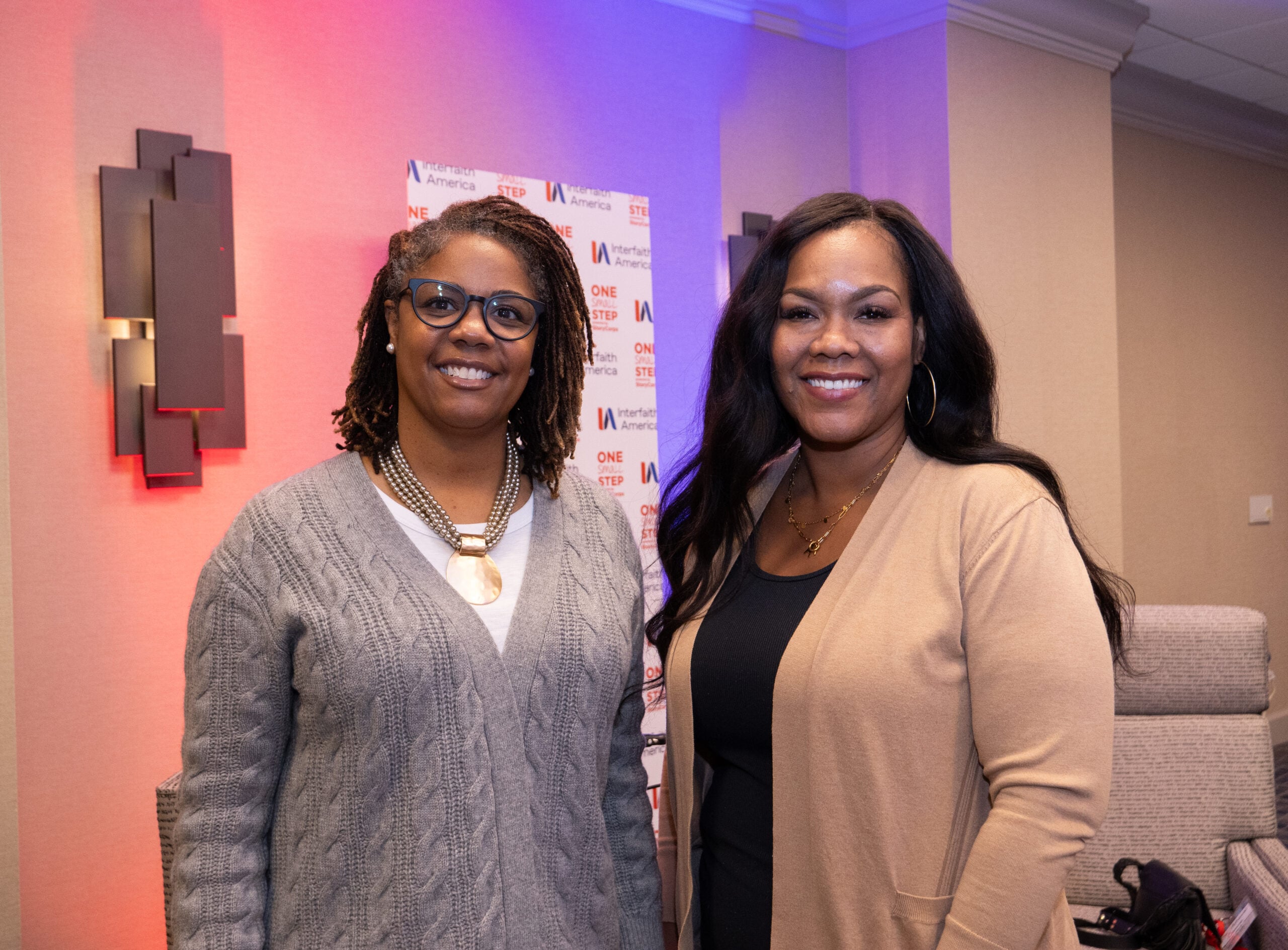
I was living in downtown Chicago when a small organization called Neighborly Faith offered me a scholarship to attend a conference hosted by the Interfaith Youth Core (now called Interfaith America). As an Indian American, I am familiar with sitting around tables with peers and elders of different faith traditions. However, I had never attended — let alone felt called to — an “interfaith” table where our differences would be laid out and placed alongside one another. I didn’t know if this was a place for discussion or debate. I wondered if I could show up in the fullness of my Christian convictions about God and the world like I did with my South Asian friends, or if I would be instructed to leave them at the door.
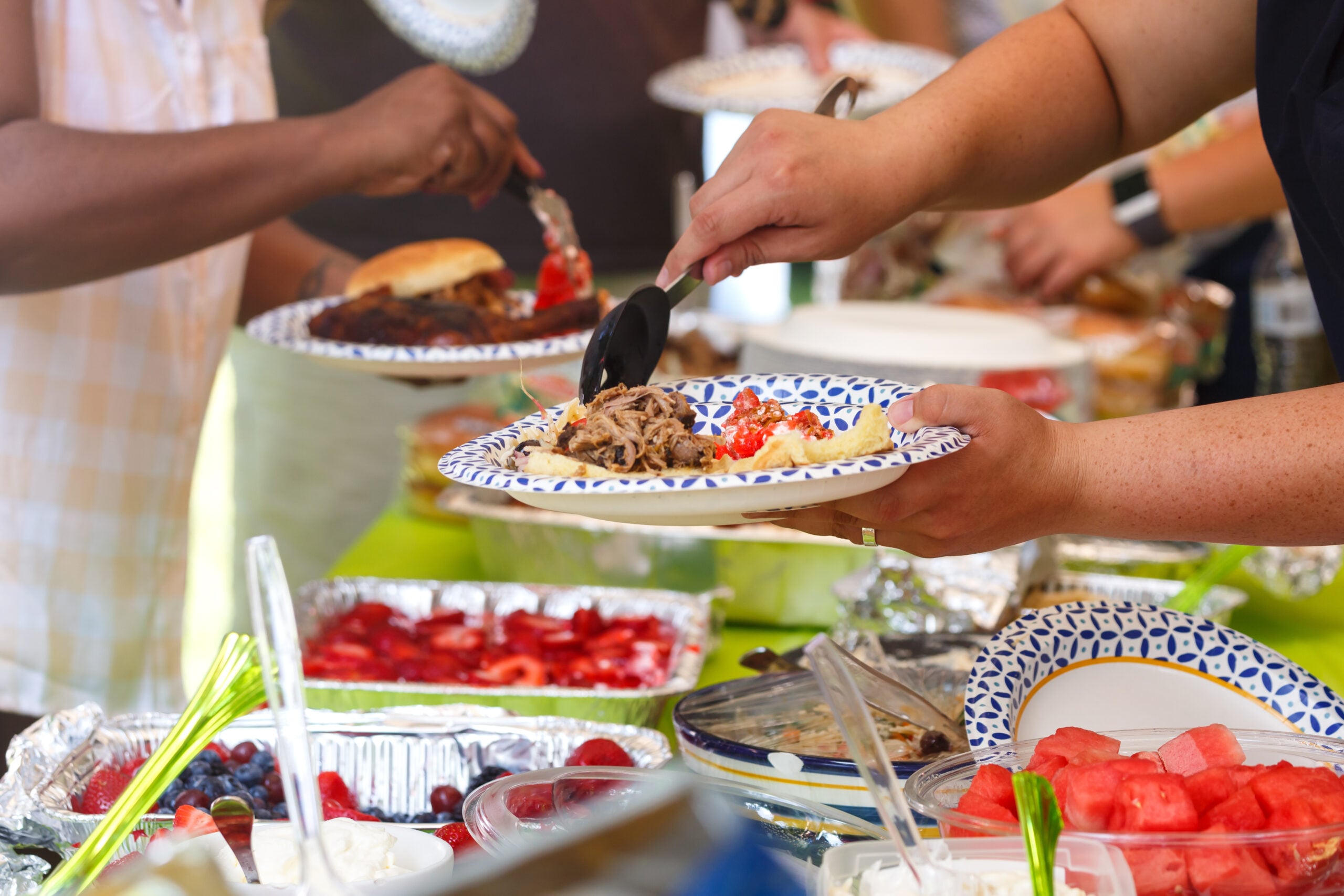
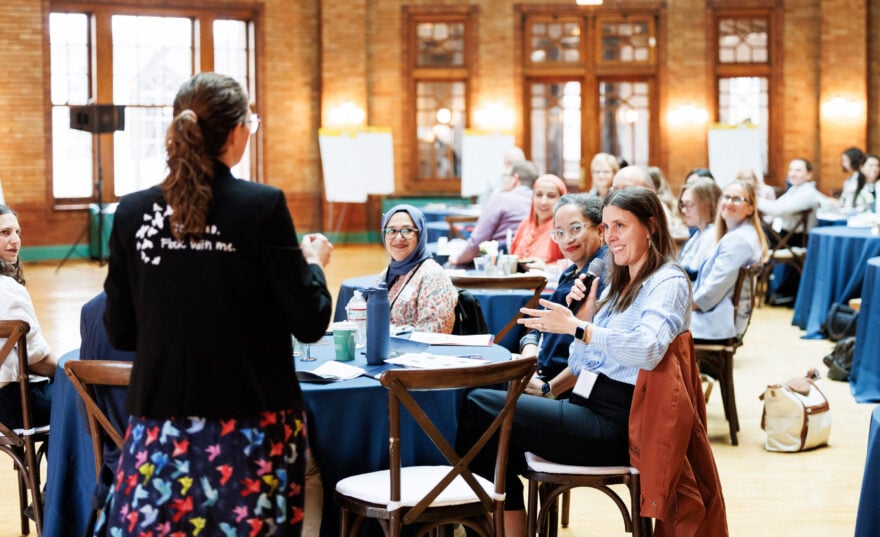
On a warm August morning, I commuted into the city and arrived at the hotel on the Chicago riverwalk where the conference was held. I found a fellow classmate and we made our way to the registration desk, where a Muslim woman wearing a hijab warmly greeted us with a “Salaam Alaykum.” After receiving a name badge and directory, we entered the main ballroom. It was filled with hundreds of students seated around tables, eating a colorful spread of food. Between bites, they were already eagerly engaged in conversation as we waited for the organization’s founder and president, Eboo Patel, to make his opening remarks.
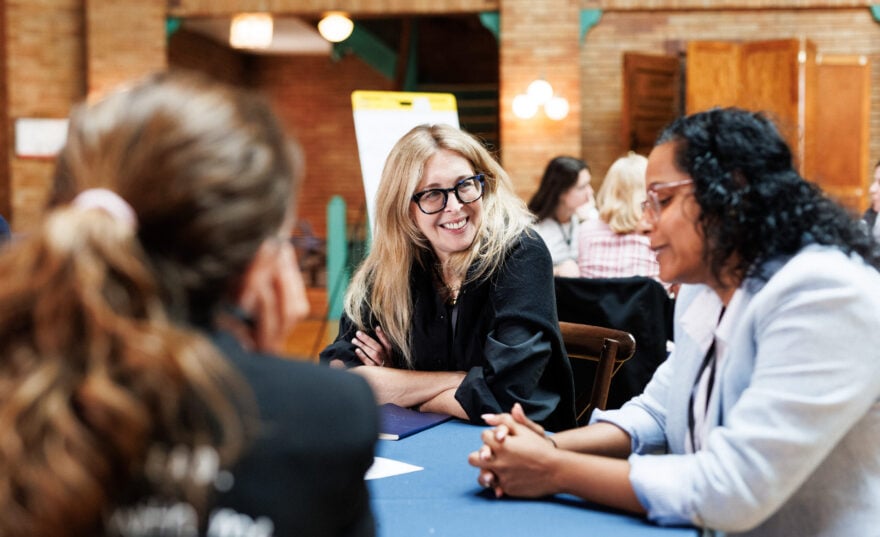
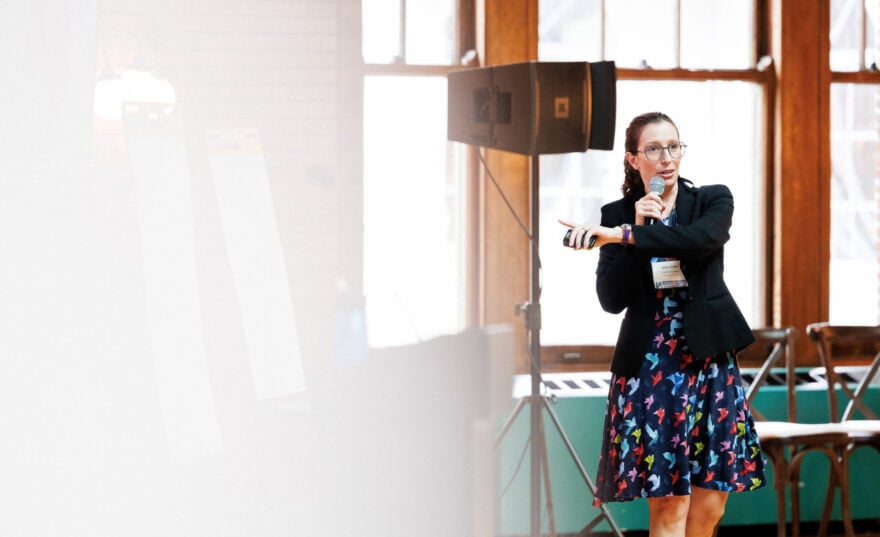
As I scanned the room for an open seat, I noticed that attendees weren’t debating one another or shaking clenched fists. They were smiling, nodding, and listening intently. When I joined a table and introduced myself, I was wrapped up in this eager and mutual curiosity about how we all arrived at this place. When the time quickly came for the opening presentation, Eboo affirmed our curiosity with a short but memorable message: America is a potluck nation; and its promises of freedom, equality, and the pursuit of happiness are deeply intertwined with how each of us engage with people of different faiths.

Throughout the weekend, I sat at table after table that explored and affirmed a commitment to one another’s good. Together, we found that our differences were significant, but they were not an obstacle to friendship or shared action toward a common good. In fact, when our differences were placed under the shared goal of understanding and seeking one another’s good, each of our respective traditions had something good and empowering to say about the other. This conference — this calling to the table — was one of the most formative events in my life. It offered a taste of how we might live together as a community and as a nation. It also gave me tangible steps and practices to make this vision a reality in my neighborhood.
Perhaps most importantly, though, it gave me a national community of emerging leaders to pursue this work with. From this community of organizers, field builders, and bridge builders, one often-repeated question has fundamentally shaped how I understand our pursuit of the common good: Where are all the Christians?
Read more from Becoming Neighbors: The Common Good Made Local by Amar D. Peterman © 2026. Reprinted in arrangement with Wm. B. Eerdmans Publishing Co.
Amar D. Peterman is a Civic Strategies Specialist at Interfaith America.