Family lore has it that my ancestors include early Baptist minister and colonial leader Elder John Crandall, a fact my pastor father loved to share. “Ministry is in our blood,” he would often say, usually followed by an unsolicited overview of clergy in our family tree.
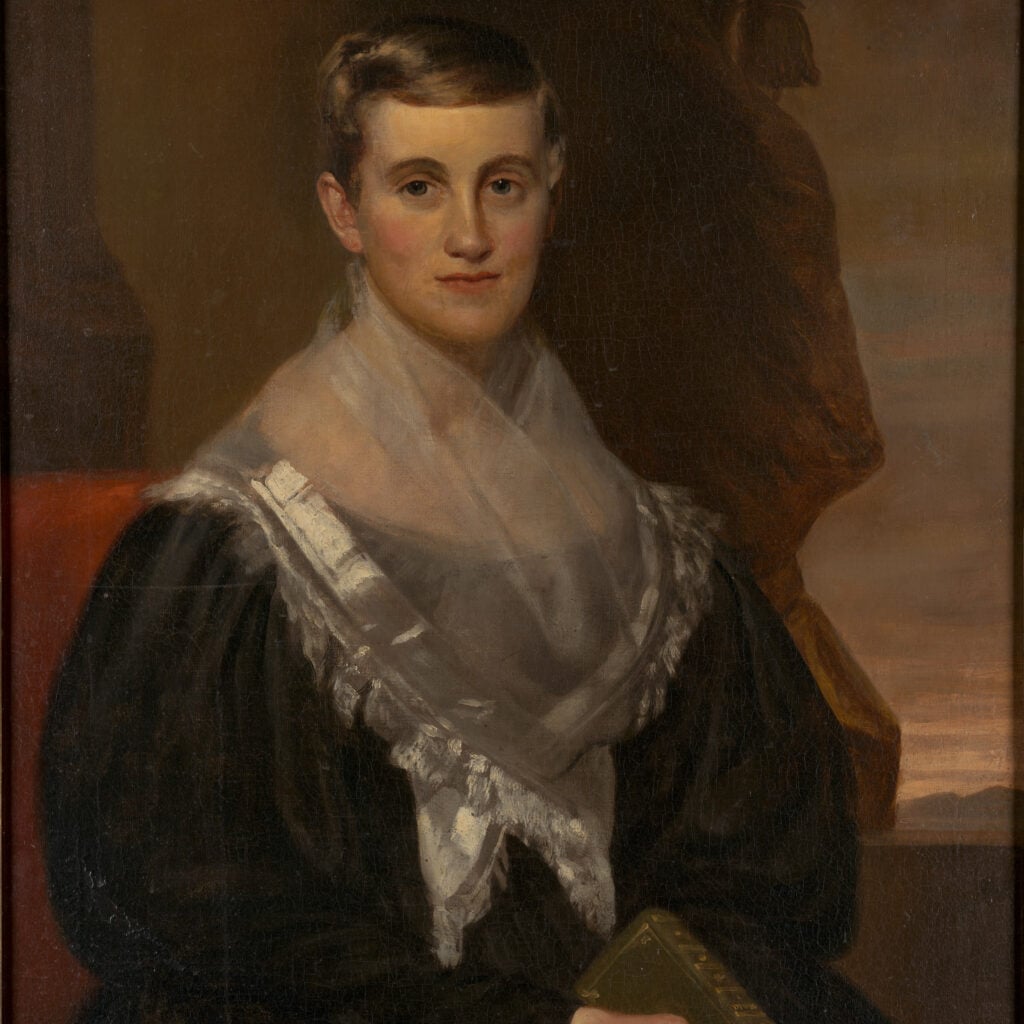
Years later, I found myself captivated by another descendant of Elder John Crandall, my distant cousin Prudence Crandall, whose courage made her a powerful, if relatively unknown, pluralism hero.
Born in 1803, Prudence Crandall was an educator in Canterbury, Conn., where she and her sister founded a boarding school for upper-class girls. In 1832, moved by her Quaker faith and the abolitionist newspaper, The Liberator, she admitted a Black student, creating the first known integrated classroom in the U.S. and igniting fierce local opposition.
Rather than give in, Crandall consulted abolitionists Samuel J. May and William Lloyd Garrison and reopened her school in 1833 with a focus on educating young Black women. In response, Connecticut passed a law banning the education of out-of-state Black students, and Crandall was arrested. Despite harassment, boycotts, and even poisoned well water, she continued teaching until escalating violence forced her to close the school in 1834.
In the years that followed, Crandall remained active as an abolitionist and in the women’s suffrage movement. Her legacy as a pluralism hero lies in her unwavering belief that education and dignity should not be limited by race.
“Shall I be inactive and permit prejudice, the mother of abominations, to remain undisturbed?”
As she once asked, “Shall I be inactive and permit prejudice, the mother of abominations, to remain undisturbed?”
Becky Crandall
Becky Crandall is the Director of Educational Partnerships at Interfaith America, where she works with campuses to build institutes that strengthen pluralism skills, knowledge, and mindsets among faculty, staff, and administrators. A scholar-practitioner with more than 20 years of higher education leadership experience, her work has focused on campus climate, student success, and the role of religion and worldview in higher education.

- Pluralism Hero
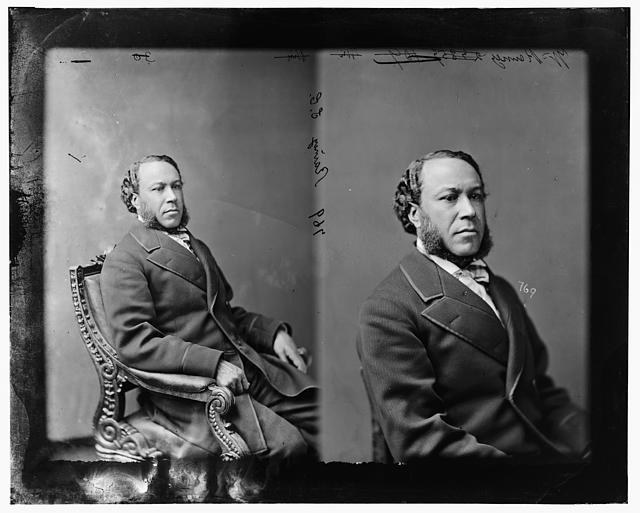
The First and the Promise: Joseph Rainey’s Pluralist Vision for America
- Pluralism Hero
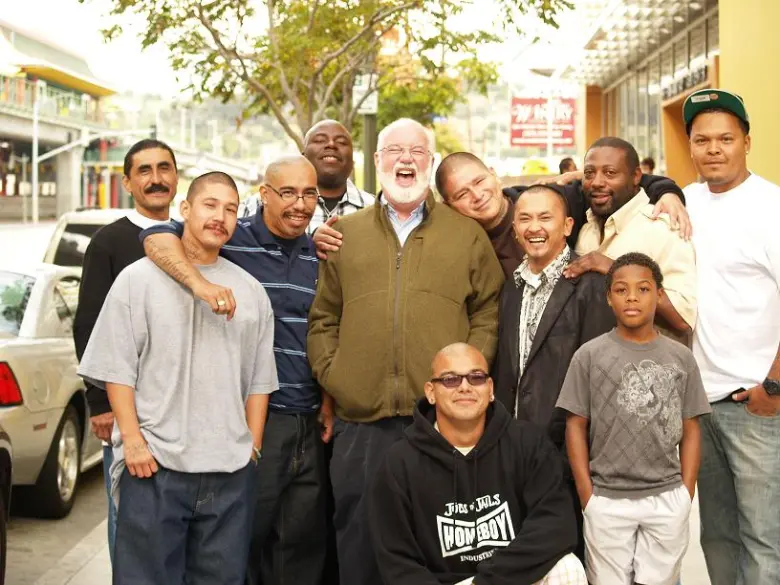
Father Greg Boyle Creates Belonging with Homeboy Industries
- Pluralism Hero
Jimmy Carter Inspires Us to Find Ways to Be of Service Right Now
- Pluralism Hero