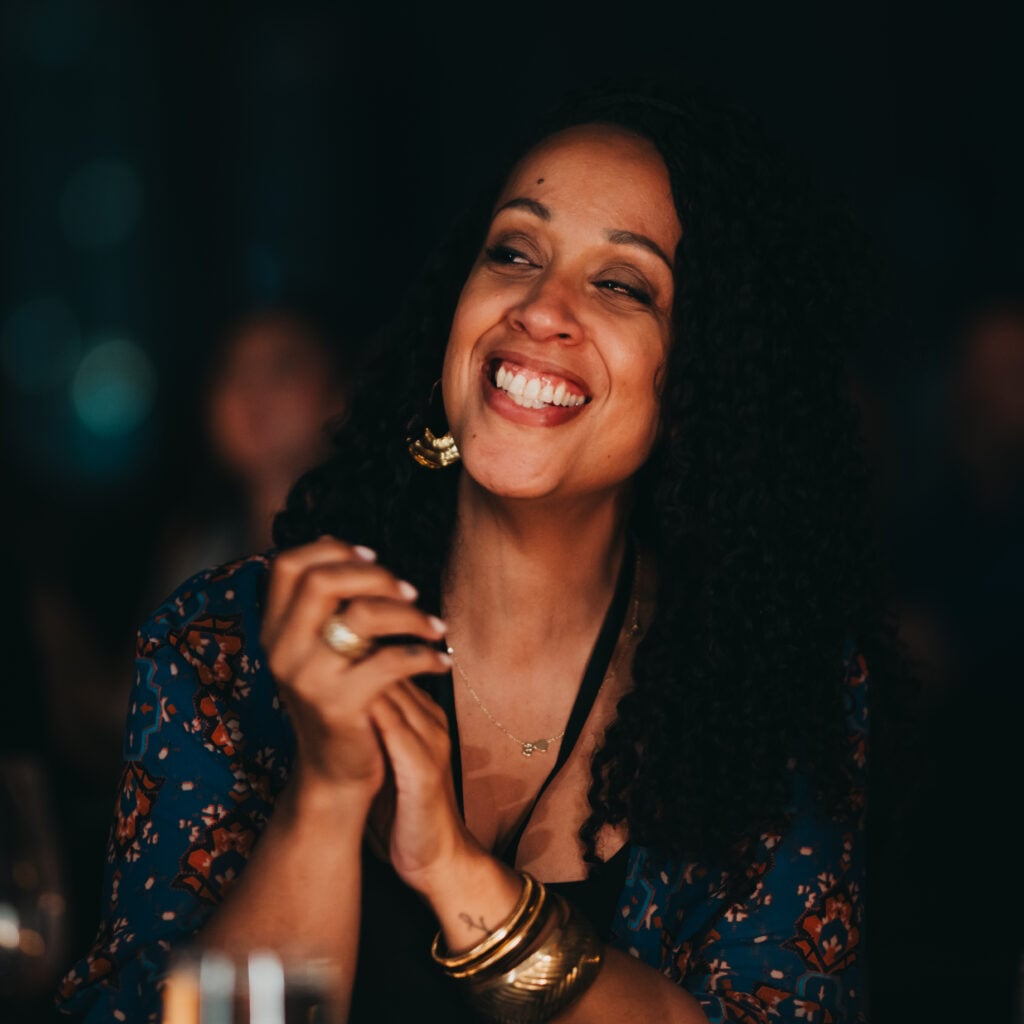
It started with a shared meal. It ended with a shared commitment.
Five questions. Eight people. Fish or chicken. And a deep, collective desire to help two communities — Black and Jewish — find their way back to shared purpose, alliance, and action.
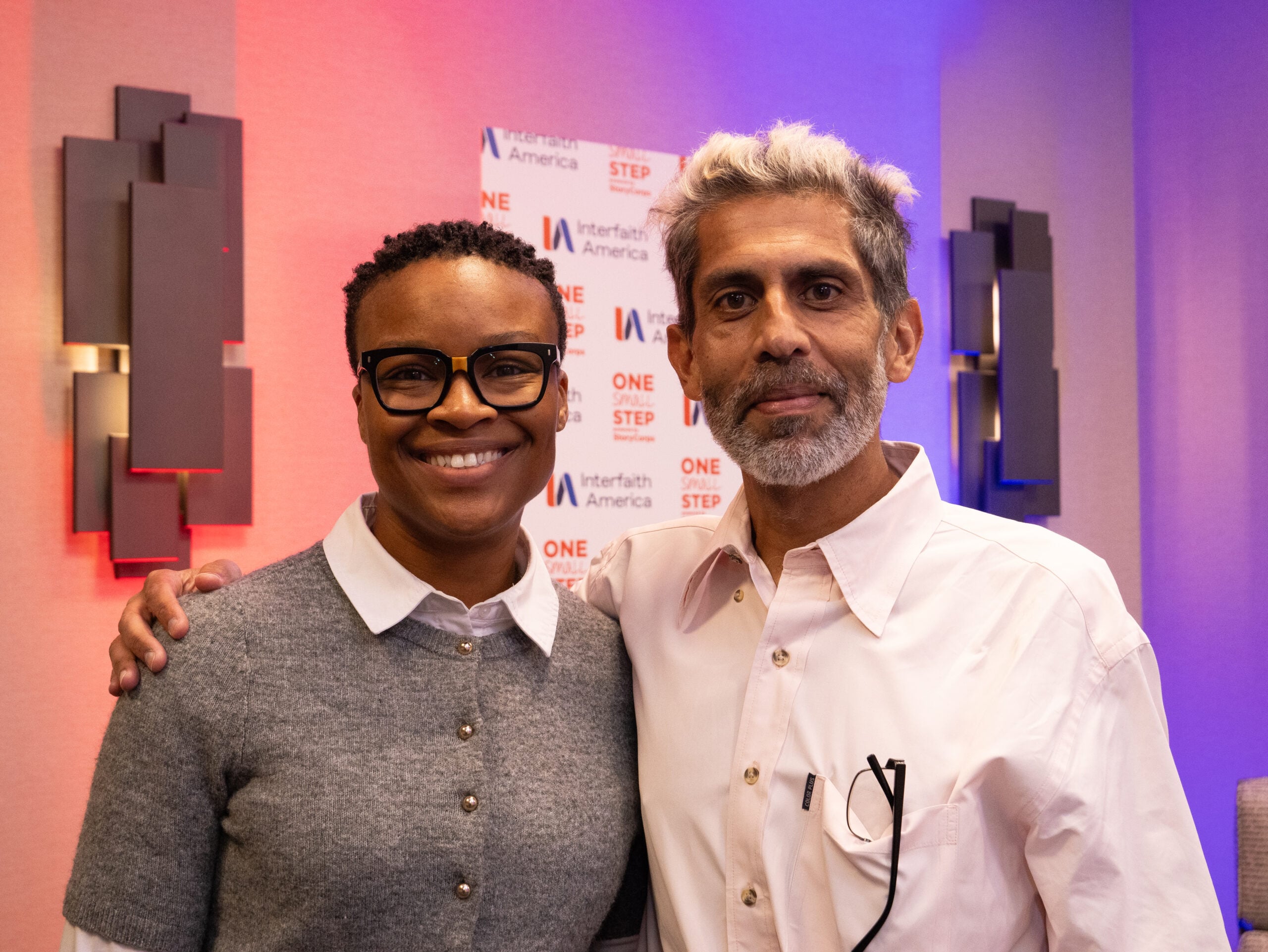
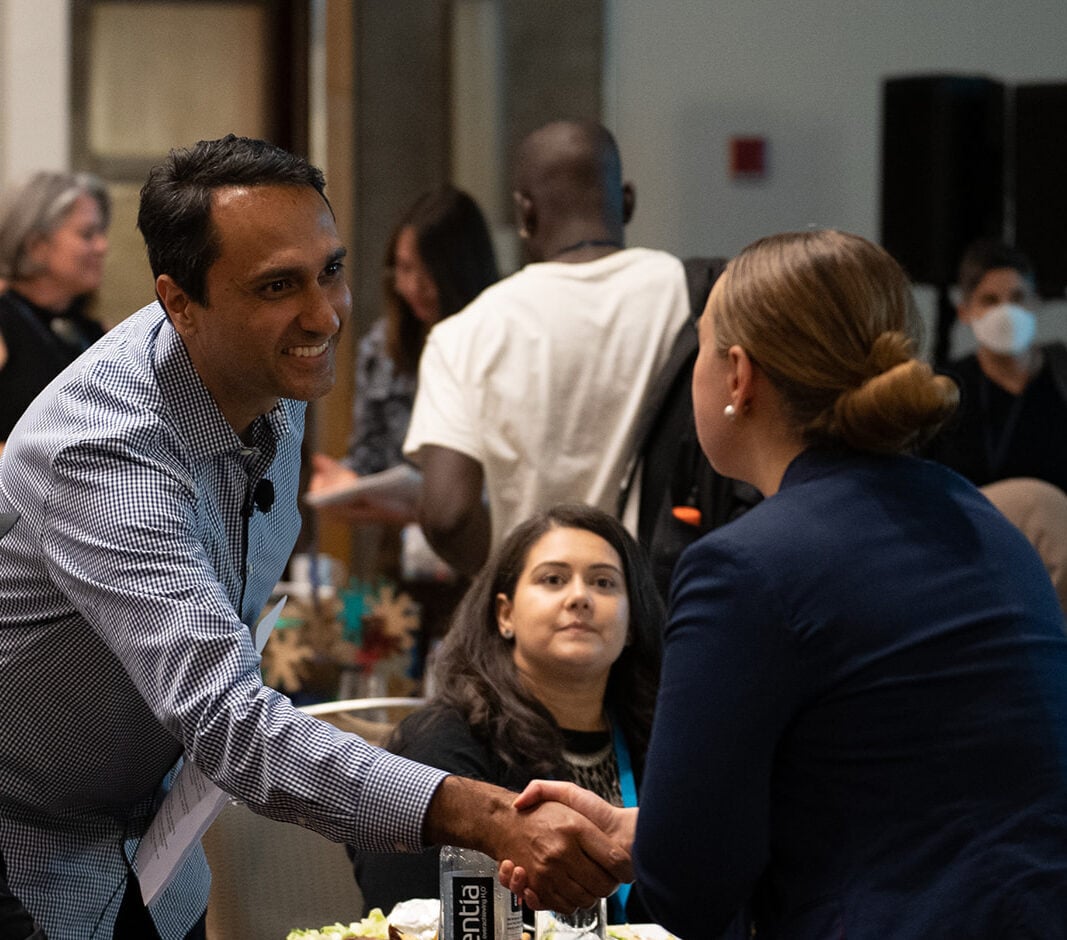
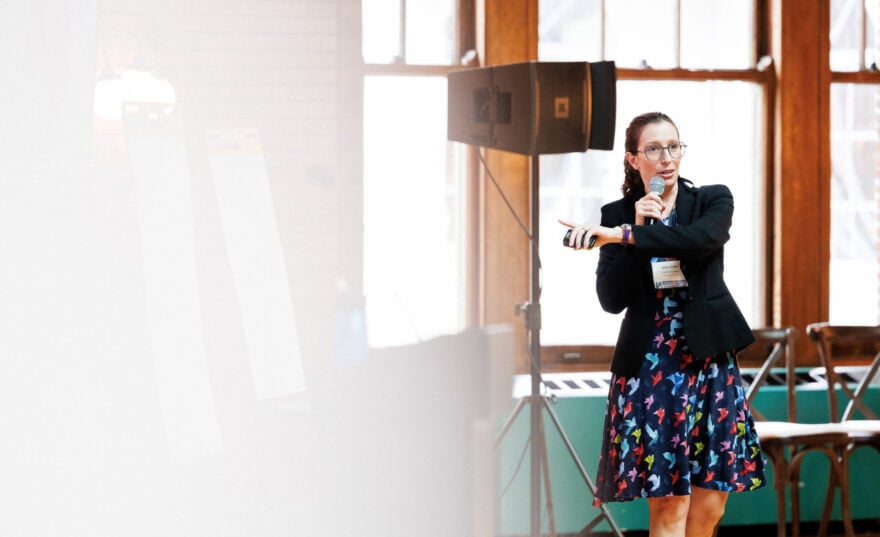
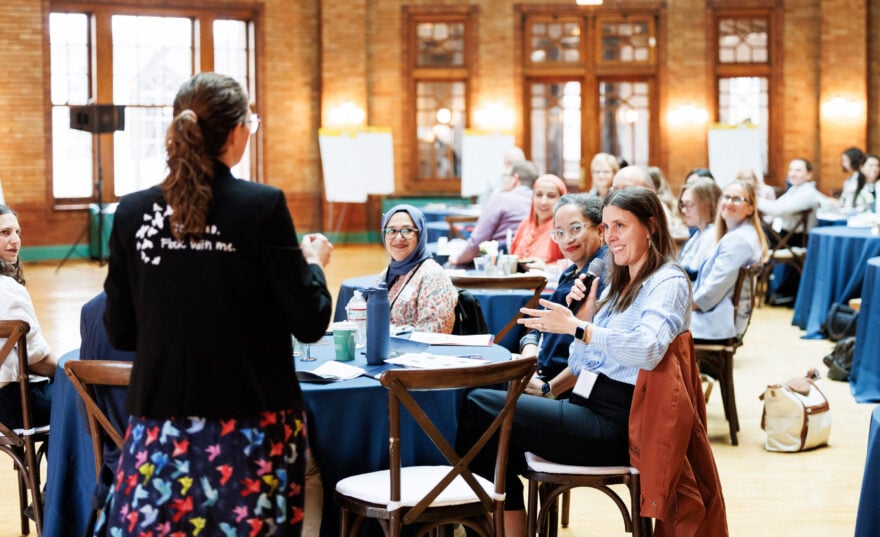
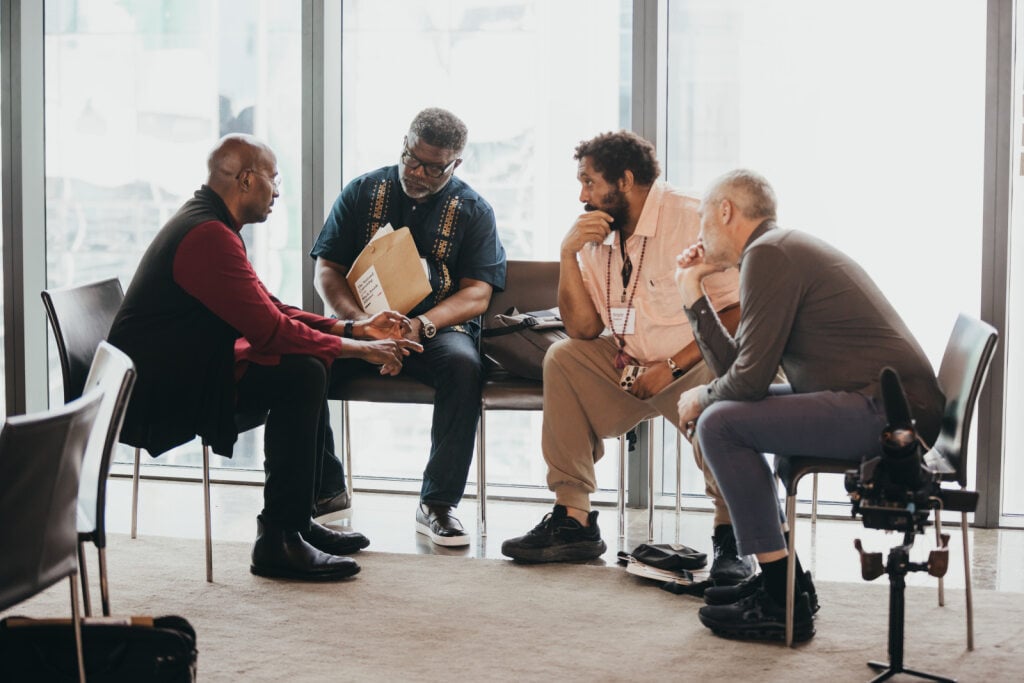
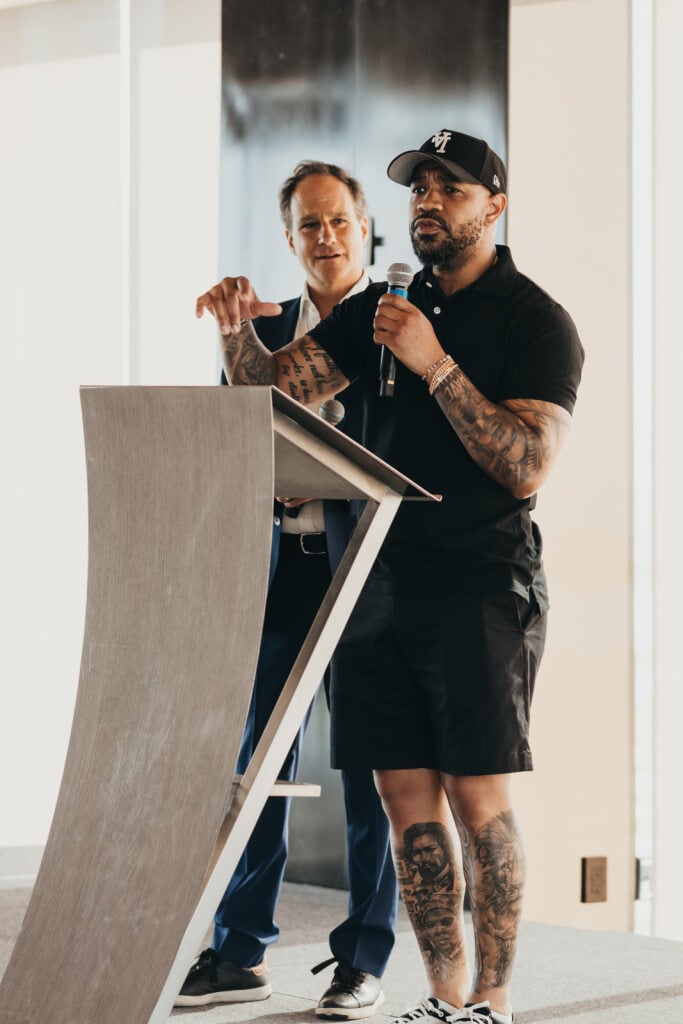
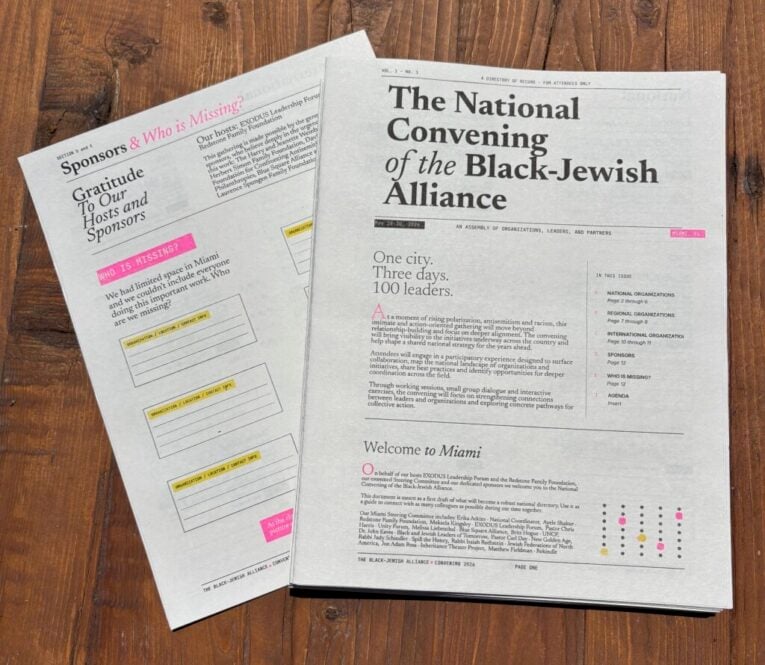
In the last week of May, more than 100 leaders — clergy, organizers, artists, philanthropists, educators, civic leaders, and cultural figures — gathered in Miami for the National Convening on the Black–Jewish Alliance, the first convening of its kind in more than 25 years. Hosted by TV personality Van Jones, the Exodus Leadership Forum, and the Redstone Family Foundation, we came together to strengthen relationships, confront rising antisemitism and racism, and continue shaping a national strategy for partnership.
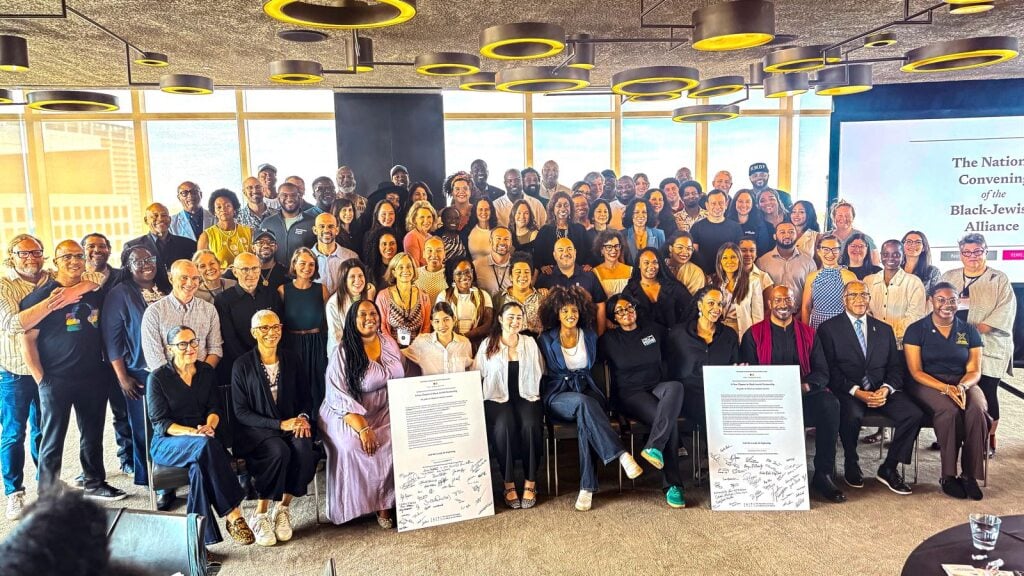
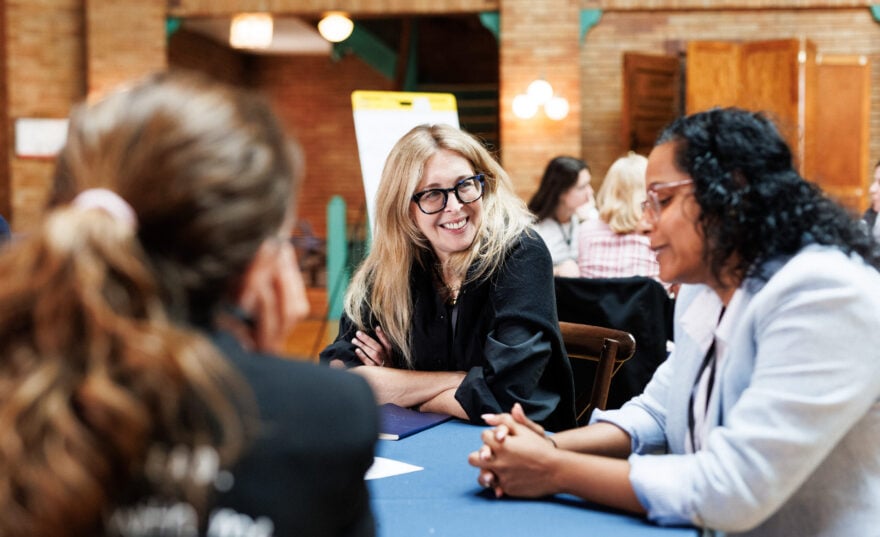
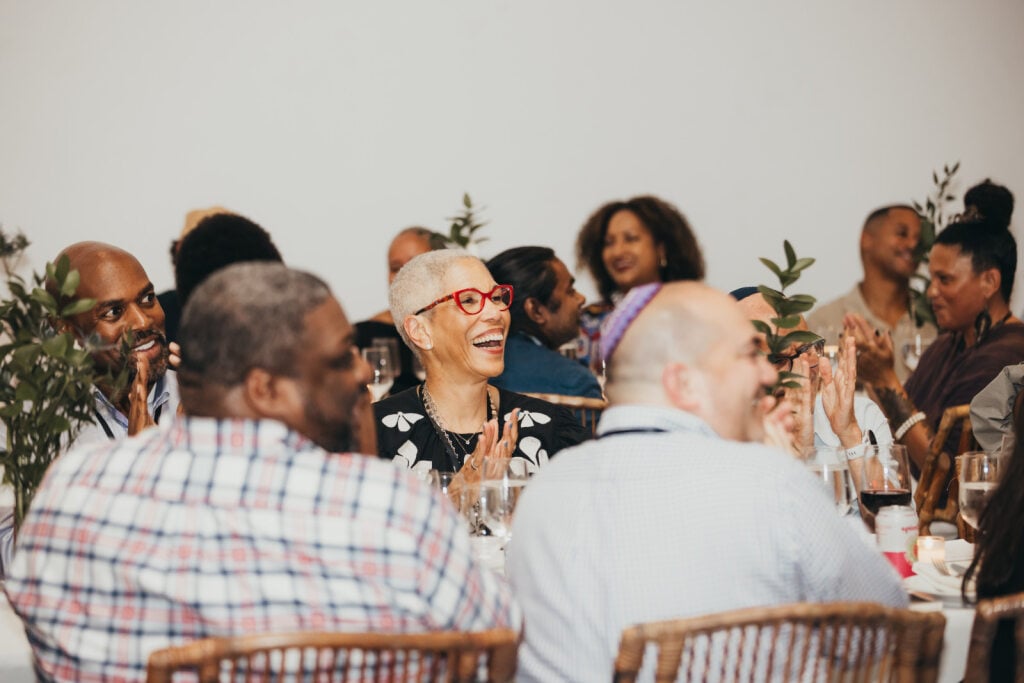
But before the plenaries, the strategy sessions, and the historic declarations, there was a structured dinner and dialogue. The first question at my table asked us to think of someone no longer alive who had a positive impact on our lives, someone who inspired us to create change. We each shared for one minute, then lit a candle in their honor.
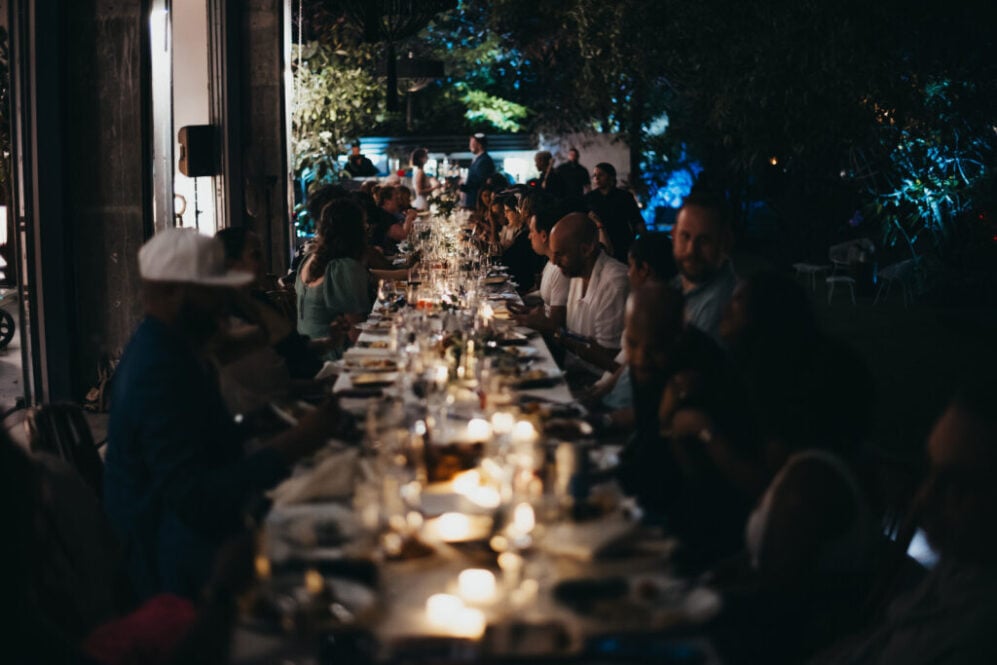
I named my mother.
Not because our relationship was simple, which was layered and often fraught. Not because she raised me steeped in Torah or ritual. I named her because of the complexity — the kind that lingers long after someone passes, the kind that shapes you before you have language for it. She died at 40, when I was 12. And yet she, along with my father, who also passed on, remain the thread that weaves together my Blackness and my Jewishness, the two identities I spent much of my life trying to untangle.
My parents both experienced profound loss for choosing each other only a few years after interracial marriage became legal in the United States. My mother, a first-generation Belarusian Jew, was disowned by her family for marrying the love of her life — my father, a Nigerian man from the Bronx, who also faced rejection from parts of his own community. Even with great loss on their horizon, they chose love anyway.
And yet — love could not transcend every limitation.
My parents made a courageous choice in choosing each other, but it was my mother who bore the greatest cost and the deepest internal conflict. She made a radical decision to marry my father, yet she also struggled profoundly with my Blackness. I believe she loved me in the ways she was capable of, even if those ways were limited, and our relationship carried the weight of those limitations. Her mothering was often hard and painful, but her choice — the bold, history-defying act of loving my father — is the part of her that continues to guide me. That decision, more than the relationship we had, is what shaped me for the better.
I wasn’t always conscious of how beautiful it is to be the living testament to someone else’s love story. For most of my life, I believed my identities competed with one another, that one diminished the other’s importance. Feeling “othered” in many spaces I entered, sometimes even within my own home, I internalized the idea that I had to choose. It was debilitating.
But as I grew in emotional maturity, in historical literacy, and in my relationship with Hashem, I came to understand that my Black and Jewish identities are not competing forces. They are interdependent strands of who I am — each enriching the other, broadening my cultural fluency, deepening my empathy, and expanding my sense of belonging in the world.
I found peace not by resolving the complexity, but by naming it. Sitting with it. Letting it teach me.
So, I sat at that dinner table with eight strangers because of my mother. Yes, I came to the convening to represent my organization, but in my heart, I knew I was there because of her. Because she never had the chance to unlearn the ways hate shaped her beliefs. Because if my parents had not chosen love, I would not be here. I would not have had the chance to make peace with all the identities I hold, to let them sit at my internal table and break metaphorical bread until they found harmony and pride in one another.
Now it is my turn to help others do the same.
And yes — I had the fish. It was delicious.
Pluralism at the Center
What struck me most over the weekend was how naturally pluralism flowed through every moment. Not as a slogan, but as a lived practice.
Pluralism is not tolerance. It is the active, intentional work of nurturing mutual understanding, meaningful relationships, and purposeful engagement. And that is exactly what unfolded in Miami.
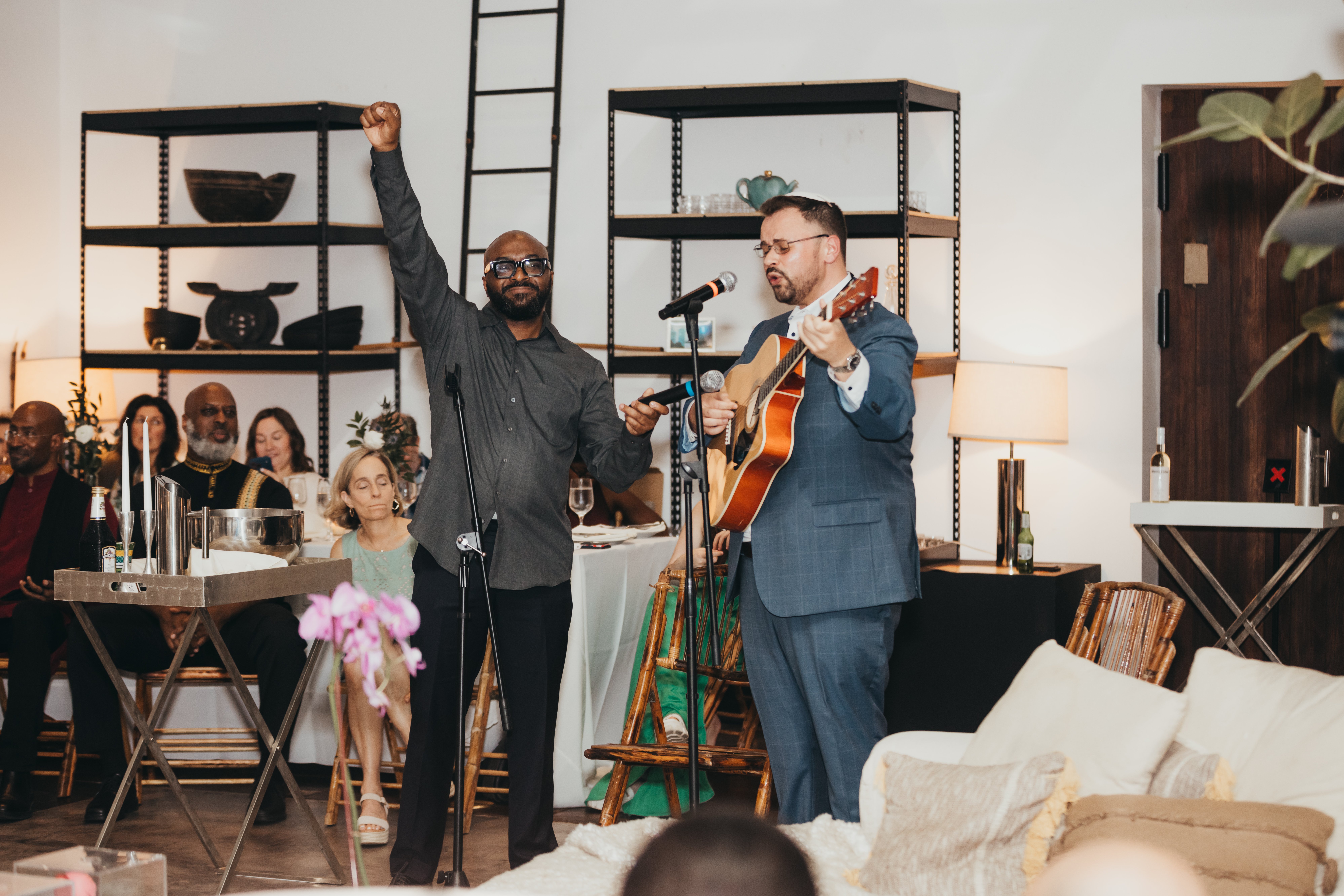
We prayed together at a soulful Shabbat gathering. We wrestled with civic participation, generational leadership, and the public misconceptions that distort the Black–Jewish alliance. We listened to artists whose work held pain, beauty, and truth. We confronted rising antisemitism and racism — not in parallel, but intertwined, as shared threats to our shared future.
And we drafted something extraordinary: a National Strategy for Black and Jewish Partnership, built around deepening relationships, shaping public narrative, coordinating efforts, and expanding collective advocacy.
Sitting in that room, I felt like I was witnessing history being made, not in the grand, cinematic sense, but in the quiet, determined way movements are born. As Rev. Dr. Benjamin Chavis reminded us, “History shows us that movements are born in moments like this, and if you think you’re making history, keep making history.”
Representing My Organization — and My Whole Self
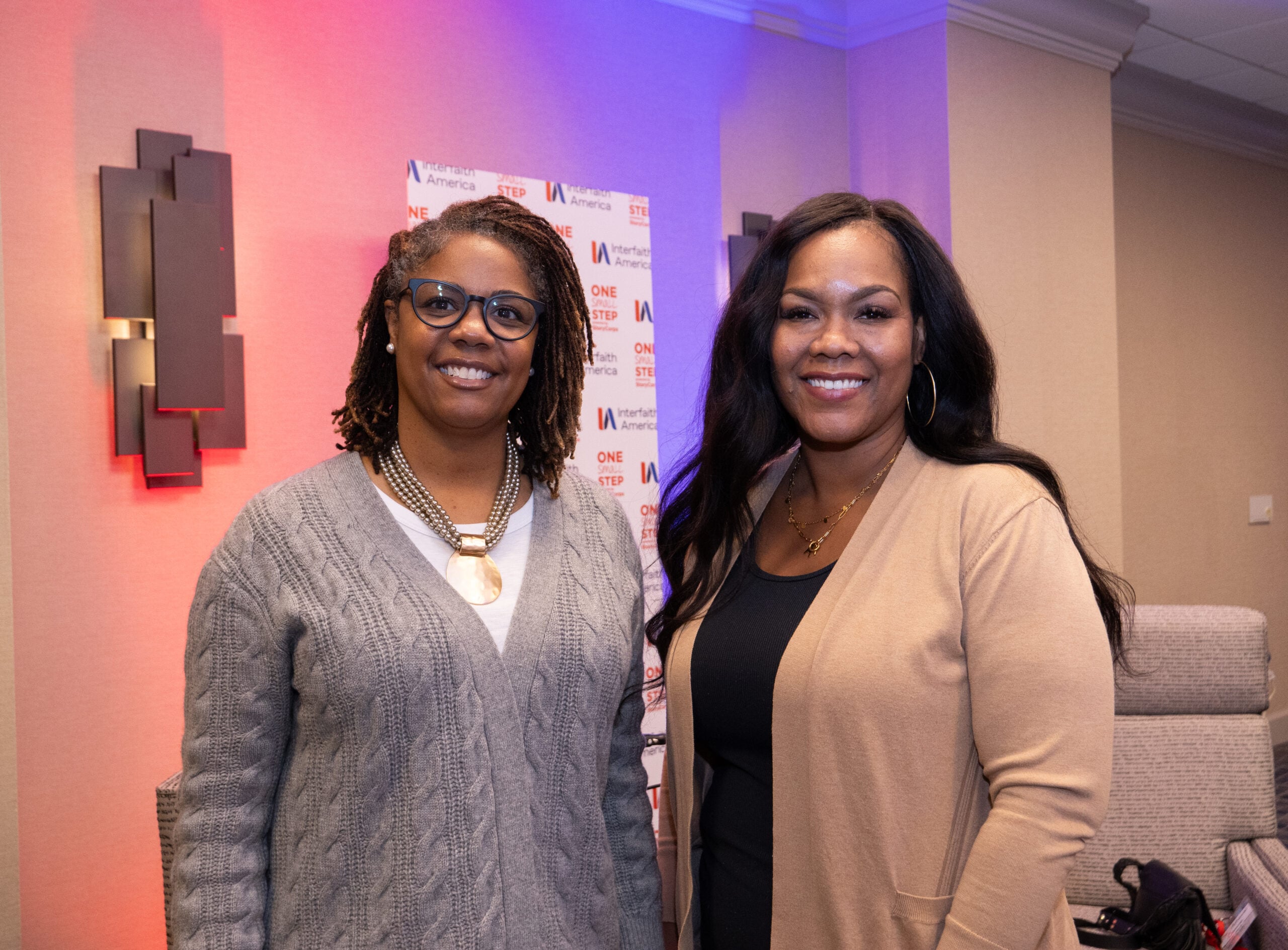
As a Black Jewish woman, I was overwhelmed, in the best way, to be in community with people who mirrored my identities and with fellow participants committed to renewing the moral partnership that has shaped so much of American history.
Representing my organization in that space felt both humbling and urgent. The convening was not performative. It was not symbolic. It was a working session — one that asked us to bring our full selves, our full histories, and our full commitments.
And we did.
Looking Toward October
The same group will reconvene this October in Chicago to begin implementation planning. And yes, we will start with dinner again — because we now know that nourishment comes not only from the fish or chicken but also from each other.
My mother chose love to the best of her ability. I choose it without the limitations I felt as a child. I pour that love unconditionally into my own son every day. And for the sake of his belonging, for the pride he will learn to carry in all of his identities — I will continue this work, despite the complexities I sometimes feel toward my faith, my race, my work, and the ways others engage with me because of them.
Because pluralism asks us to hold what is difficult and still choose connection. It is the steady, courageous act of returning to the table, again and again, inside our own hearts and out in the world.
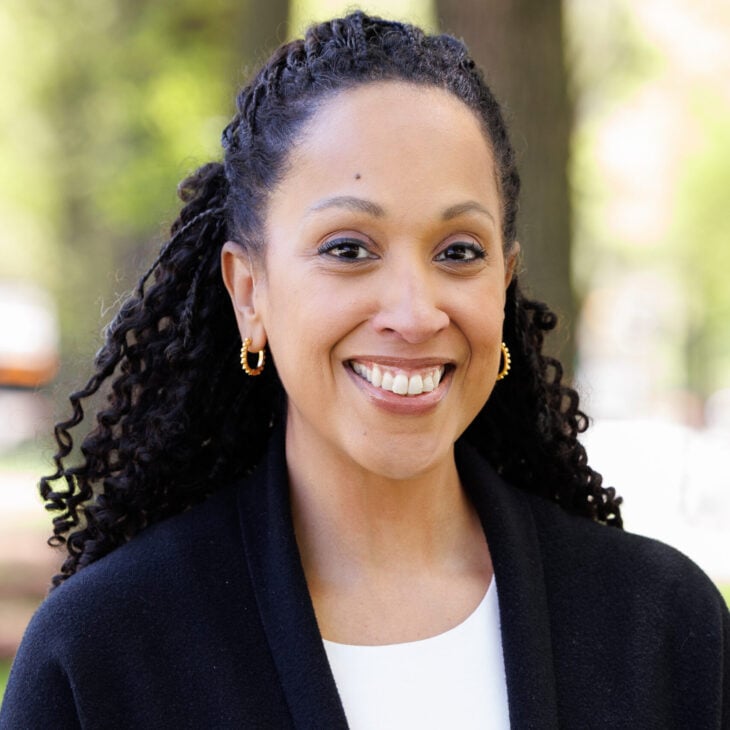
Melissa Carter, M.B.A., Ed.D.
Melissa Carter, M.B.A., Ed.D., is Director of Student Life and Partnerships at Interfaith America.