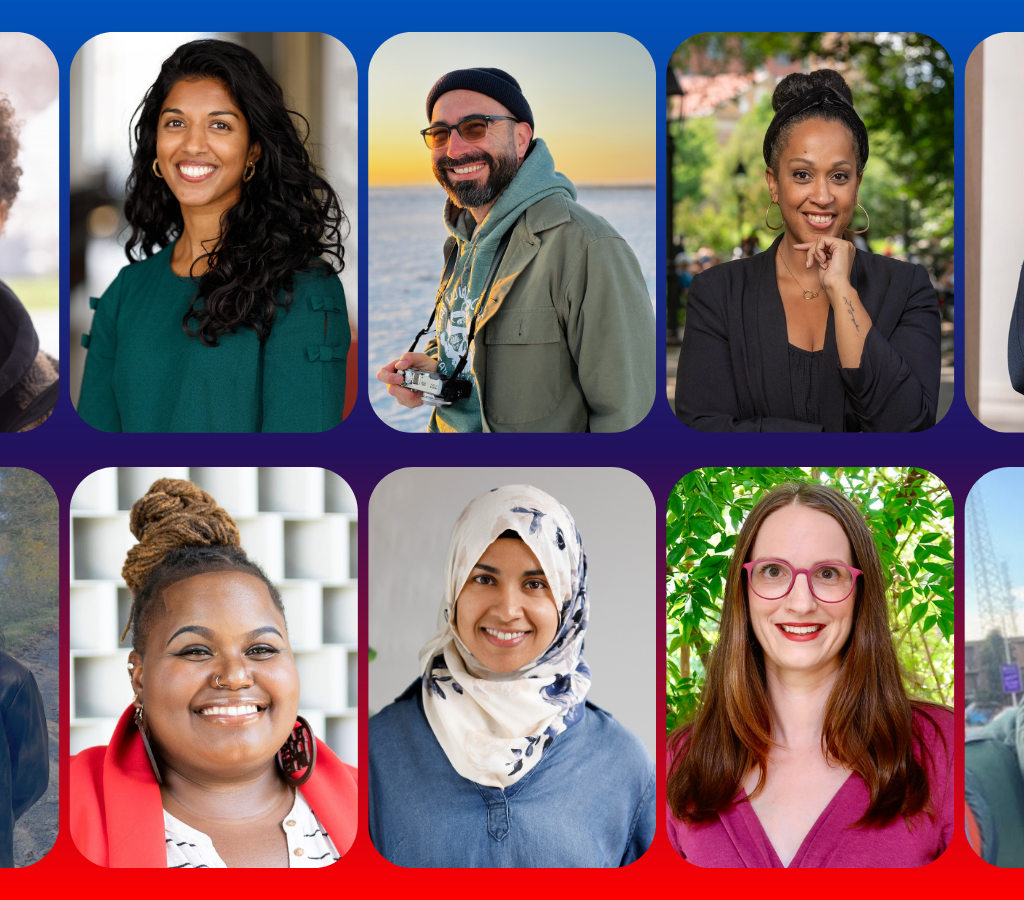
Interfaith America and the Emerging Leaders Team are thrilled to announce the third cohort of the Sacred Journey Fellowship. This group of outstanding leaders each exemplify Interfaith America’s vision of civic pluralism and bridgebuilding at a local and national level. Together, they represent the incredible potential of how we might collaborate across lines of difference to build a common good.
You can look forward to seeing their work featured in Interfaith America Magazine and on our social media platforms over the next two years.
Interfaith America’s Sacred Journey Fellowship is dedicated to supporting the public scholarship, project leadership, and professional development of outstanding, experienced, and accomplished civic leaders, community organizers, spiritually-driven field builders, and inspired storytellers.
The fellowship will bring together a cohort of ten excellent leaders engaging in the pressing issues of our communities, country, and globe to support, inspire, and connect bridgebuilding efforts across various sectors. With the generous support of Fellowship in Prayer, we are dedicated to investing in the ongoing leadership development and collaboration among this dynamic group of leaders.
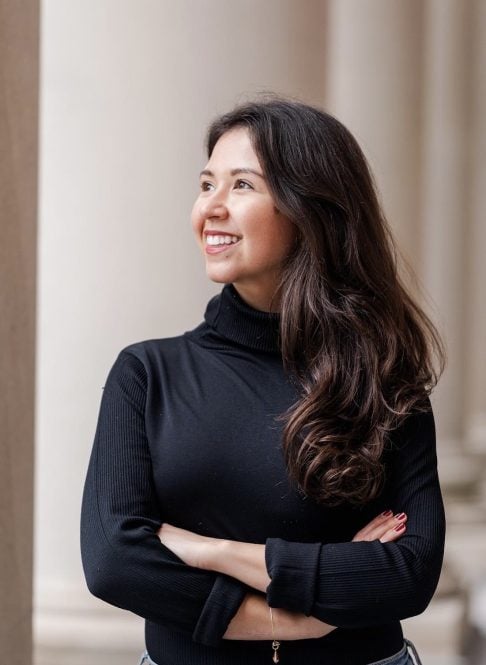
Anna Del Castillo
Spiritual Seeker / Interfaith
Anna Del Castillo (she/ella) is a Peruvian-Bolivian American healing justice practitioner and dreamer of better worlds. At her core, Anna believes personal healing and collective liberation are inseparable. As Cofounder and Executive Director of Our Own Deep Wells, she leads efforts to address the U.S. mental health crisis and social isolation through soulful, community-centered practices, especially for young people in historically underserved communities. She is also a team member at Trust Labs, where she supports relational fieldwork and repair efforts—helping individuals and institutions navigate the messiness of human relationships with honesty, care, and courage.
Previously, Anna served in the Biden-Harris administration as Deputy Director of Diversity, Equity, Inclusion, and Accessibility (DEIA) at the White House. A Harvard Divinity School Dean’s Fellow with a Master of Divinity, Anna studied at the intersection of public policy, racial justice, and healing. Her activism has earned numerous national accolades, including the IGNITE National Fellowship and Harvard’s Presidential Public Service Fellowship. Her greatest teachers remain the folks in her communities, especially her home state of Mississippi, who are dreaming new worlds into being every day.
Anna’s project seeks to gather and share stories that spark healing, connection, and courage in the face of today’s political, spiritual, and cultural divides. She aims to create a multimedia storytelling offering that lifts up the voices of those who are courageously building the world we dream of—one rooted in care, justice, and belonging. Through interviews, writing, and communal reflection, Anna will hold space for people to share how they’ve navigated rupture, grief, and transformation. The stories will center those often at the margins—young people, elders, movement workers, and spiritual leaders—who are dreaming boldly and loving deeply while also feeling the heartbreak of the world. Ultimately, Anna’s project is less about fixing the world and more about witnessing it honestly—offering stories as seeds of hope and possibility. Through this work, she hopes to inspire others to slow down, listen deeply, and remember that healing and justice begin in relationship.
Annah Kuriakose
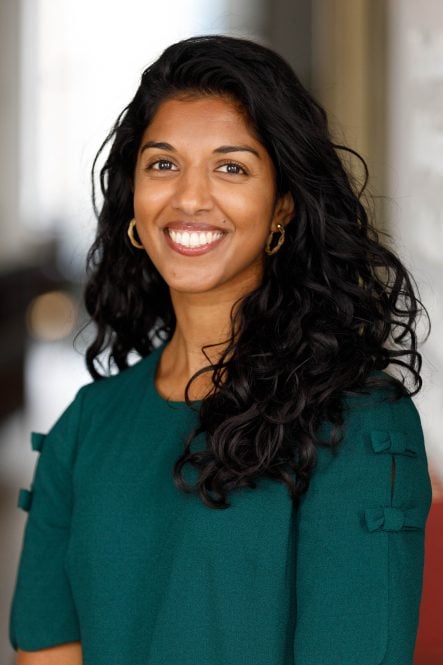
Orthodox Christian
Annah Kuriakose is Associate Director for a health research center at Rutgers University, though her training and interests are wide and interdisciplinary. She holds graduate degrees in education, medicine and theological studies, and has worked in various roles, including high school classroom teaching, public health non-profit leadership, and faith-based youth ministry. Her work focuses on creating equitable access to opportunity and care for underserved communities, and she has a particular passion for curating conditions and curricula that support physical, mental, and spiritual health. She loves talking, thinking, and writing about what it means to be human and healthy.
Annah’s project aims to equip young leaders to engage across difference by examining some “big questions.” Her vision is to invite a group of young people to gather periodically for discussion and reflection. The content of the gathering will be adapted from two places: an Christianity-informed worldview exploration curriculum Annah developed in 2023 called More Than Core, and the Ask Big Questions initiative of Hillel International. Her hope is to draw attention to and engage leaders in questions that inform how we think about ourselves, others, and mutual care, particularly in historical moments that threaten pluralism. She hopes to record some of these interactions to create a short documentary film about this experience.
Esha Khurana

Buddhist / Hindu
Dr. Esha Khurana is a psychiatrist and psychotherapist whose work bridges clinical care and contemplative practice. With a focus on palliative psychiatry, she supports individuals facing serious illness, grief, and existential distress through a blend of somatic, relational, and spiritually attuned approaches. Her orientation is grounded in the belief that healing is not simply about symptom relief, but about reclaiming wholeness—through the body, through relationship, and through connection to something larger than oneself. She draws from trauma-informed modalities, depth psychology, and devotional traditions to support the unfolding of inner safety, meaning, and presence.
During the Sacred Journey Fellowship, Dr. Khurana plans to further develop a spiritually integrated model of care that weaves together relational, imaginal, and somatic healing practices. Drawing from her clinical experience in palliative psychiatry and a deep personal commitment to contemplative practice, she is particularly interested in how modalities such as Internal Family Systems (IFS), Ideal Parent Protocol (IPP), and imaginal resourcing can support individuals in navigating suffering, grief, and existential vulnerability. Her vision is to create and facilitate workshops that guide participants in cultivating inner safety, spiritual connection, and compassionate self-relating through these practices. These workshops will emphasize community-based, relational healing—rooted in both psychological insight and spiritual openness—offering participants tools to engage deeply with themselves and one another. She is especially interested in how these frameworks can help people of all backgrounds access a sense of the sacred in their healing journeys, without requiring adherence to a specific religious tradition.
Jack Gordon
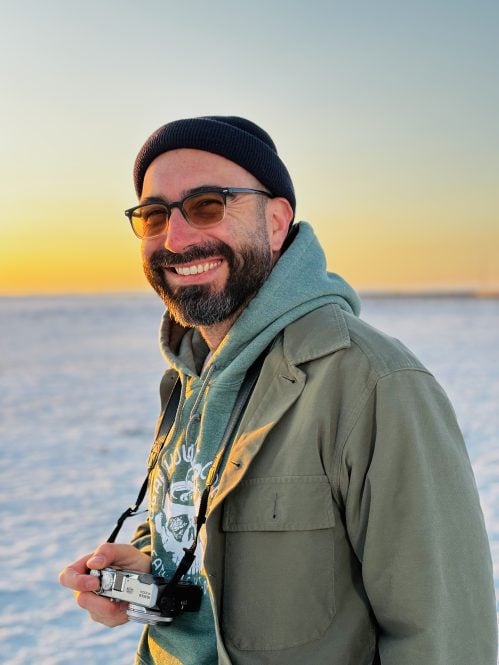
Baha’i / Jewish
For over two decades, Jack Gordon has created dynamic visual content to tell stories about cooperation and community. He got his start off the beaten track, co-founding a production company on the island of Madagascar. Since then, Jack has produced photo and video projects in over two dozen countries around the world. His credits include short-form advocacy documentaries, television programming, and photo projects for print and web publications. From his base in the Washington DC area, Jack today manages a multinational team on four continents, and coordinates a network of filmmakers in nearly every country on the planet. Jack is also a dedicated interfaith organizer who uses his craft as a media professional to encourage religious literacy and build bridges between diverse religious communities. His interfaith calling comes from belonging to a mixed Baha’i and Jewish family. For seven years, he served as a board member with the InterFaith Council of Metropolitan Washington, and for five years on the board of the Religion News Association. He most recently hosted a radio show promoting inter-religious dialogue in the DC area. Currently Jack is writing and directing a broadcast documentary series about the fight for religious pluralism throughout American history.
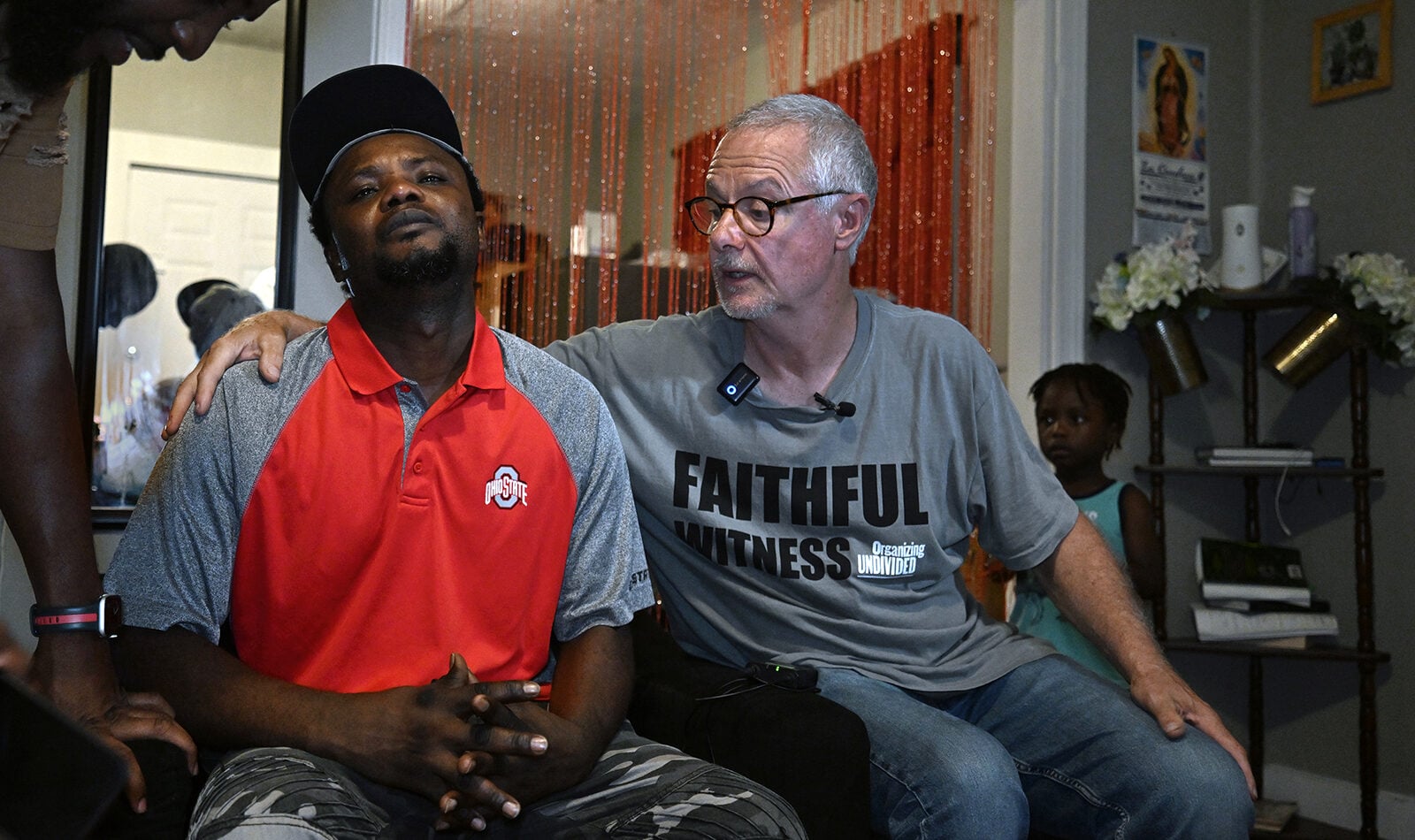
Jack’s current documentary project, Undivided, explores how religious minorities in the United States (Muslims, Jews, Latter-day Saints, Sikhs, and others) have contributed to the fabric of our country since its founding, and fought for the principle of freedom of conscience in each generation. By combining historical analysis, broadcast-quality filmmaking, and collaboration with a broad network of faith leaders and educators, he aims to create a narrative that contributes positively to the public discourse on air and in the classroom. As part of the Sacred Journey fellowship, Jack will continue to work with project partner Simran Jeet Singh, currently a professor at Union Theological Seminary, to create a series of screening events around the current set of episodes. These would include developing viewer guides to help lead discussions in classrooms and other settings where the show is being used as part of a curriculum. Guides would provide additional information on the historical context of elements of the stories and questions to help teachers/facilitators engage students and discussion participants in dialogue on the themes presented in our episodes. Ultimately, Undivided is a show about finding humanity in our subjects and recognizing our interdependence in the ongoing story of our country. Jack and his team bring those values – of humility, openness, trust and intentional listening – to all levels of the production process.
Josiah R. Daniels

Christian
Josiah R. Daniels (he/him) joined Sojourners in 2021 and is the senior associate opinion editor at sojo.net. He is a native of the southwest suburbs of Chicago, but currently resides in the Pacific Northwest with his family. He is a graduate of Cornerstone University in Grand Rapids, Mich. Josiah is also the co-founder of The Reconstruct interview series, which focuses on interviewing people who have faith in a new future and are working toward repairing the present. He also co-leads The Sojourners Journalism Cohort. His coverage areas are primarily identity, religion, politics, and class. He has written book and movie reviews and reported on a church that became an impromptu shelter for hundreds of refugees seeking asylum in the United States. In 2023, NPR’s Weekend Edition interviewed him about a piece he wrote criticizing an ad campaign for spending millions of dollars to rebrand Jesus via TV spots. He is especially interested in the genre of narrative journalism.
Josiah is currently leading two projects funded by the Luce Foundation, and the Sacred Journey Fellowship will help him continue this work. One of those projects is The Reconstruct (a weekly interview series). The other project is the Sojourners Journalism Cohort, which is “a part-time, five-month, remote training program that offers hands-on, paid training as freelance journalists to writers from historically marginalized communities.” The point of The Reconstruct is to interview artists, activists, authors, scholars, contemplatives, and others who are dedicated to imagining new futures for our democracy and religious institutions. The Journalism Cohort, now in its third cycle, is focused on equipping early-career, historically marginalized journalists and writers with the skills they need to cover topics relating to democracy, race, social justice, and religion. Finally, Josiah will be leading a 10-day trip to Israel/Palestine for writers and journalists in October 2025. The point of the trip is to put journalists and writers in touch with people who are on the ground working for peace and justice in the region.
Melissa Carter

Jewish
Melissa Carter, EdD, serves as the Senior Director of Global Spiritual Life at New York University, the head of Mindfulness Education and Programming for MindfulNYU, an assistant professor at the Robert F. Wagner Graduate School of Public Service, and an adjunct professor at the Silver School of Social Work. She holds a B.A. in Communication Studies from the University of South Florida, an MBA in Media Management from the Metropolitan College of New York, and an EdD in Higher Education Administration with a focus on Chaplaincy and Campus Religious Life from the NYU Steinhardt School of Culture, Education, and Human Development. Melissa grounds her spiritual practice in Jewish mysticism, and her work is dedicated to the intersection of spirituality, social justice, and somatic practices, in addition to advocating for belonging, well-being, and emotional intelligence as paths to repair the world. She has two decades of experience previously working as an executive in the music industry, business coaching, and mindfulness and contemplative practices teaching.
Melissa’s current project focuses on empowering leaders—especially those working with youth beyond the classroom—with the tools and practices of pluralistic engagement. She is particularly passionate about reaching faith-based camp communities, often mislabeled as monolithic, yet rich with complexity and deserving of nuanced, inclusive approaches to belonging. By prioritizing intragroup pluralism, Melissa offers a new lens—one that enables communities to deepen their internal conversations, especially in spaces where pluralism often defaults to intergroup dialogue. Melissa believes this work is essential—not just for today, but for the uncertain future we all face. In these times, cultivating trust, empathy, and resilience is not optional—it’s transformational. And Melissa is ready to guide others forward. Together, we find our way.
Miranda Hovemeyer
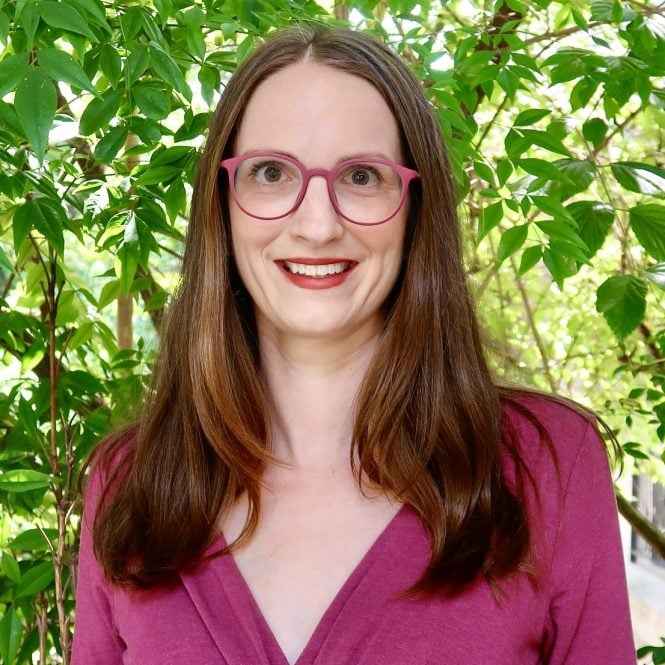
Humanist
Miranda Hovemeyer is a Humanist Chaplain with the Humanist Community at American University and serves as the Administrative Director of The Interfaith Families Project of Greater Washington, D.C. She holds a B.A. in English Literature from Colorado State University and an M.A. in Religion from Meadville Lombard Theological School at the University of Chicago. Her work centers on interfaith community building and activism, with a particular focus on how atheist, Humanist, and secular communities can foster relationships with interfaith counterparts to counter extremism and promote mutual understanding and belonging.
As a Humanist chaplain working in higher education, Miranda’s calling is to build spaces of spiritual belonging for students—especially those who are nonreligious or “spiritual but not religious.” Most campus spiritual life offices still primarily serve students with traditional faith affiliations, leaving many others without meaningful support. Through the Sacred Journey Fellowship, Miranda will develop and pilot a new initiative to help colleges better serve nonreligious students by offering staff training, student listening sessions, and inclusive programming tools. She hopes to contribute to a new vision of spiritual life in higher education—one that moves beyond the divide between faith and non-faith and fosters true pluralism and belonging for all students.
Rafia Khader
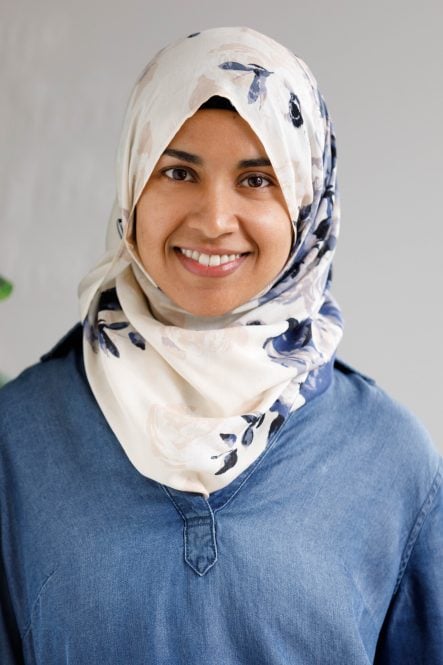
Muslim
Rafia Khader is a writer, interfaith dialogue facilitator, and amateur theologian with over fifteen years of experience working in the faith-based nonprofit sector. She is passionate about cultivating a flourishing community of Muslims in America, particularly through a comparative theology praxis. Most recently, Rafia served as the first non-Christian Director of Religion Programs at the historic Chautauqua Institution which was founded in 1874. During her tenure, she oversaw the nine-week Interfaith Lecture Series, inviting luminaries such as Miroslav Volf, Sherman Jackson, Simran Jeet Singh, and Kaitlin Curtice among others. While at Chautauqua, Rafia also revived the once dormant Abrahamic Program for Young Adults (APYA), transforming it into a competitive vocational residential program for early career interfaith leaders. Her work with APYA was featured in the 2025 PBS documentary, “Chautauqua at 150: Wynton Marsalis’ All Rise” and was recognized by Interfaith America with its 2024-2025 Interfaith Innovation Fellowship.
Rafia’s project, informed by her academic background and her decade-plus experience as a Muslim interfaith leader, seeks to provide an overview of interfaith relations within Islamic theology and jurisprudence; a critical examination of the history of interfaith dialogue in the West and how it pertains to Islam and Muslims in particular with a focus on the late 20th and 21st centuries; and finally hopes to demonstrate how perniciously implicit forms of Islamophobia continue to operate within the interfaith ecosphere today. At the thematic level, the book hopes to explore concepts such as pluralism – both its promises and challenges, empire, and the moral imperative to pursue justice as a person of faith. Rafia’s book project seeks to weave together historical and theological research, interviews with leading Muslim interfaith leaders, and her own personal reflections as an interfaith leader, especially after October 7, 2023, with the hopes of making a much-needed intervention in the current practice of interfaith dialogue. The basic premise of this project is that the current interfaith models are no longer sufficient for the times in which we live, especially for Muslims. If Muslims are to be truly welcomed and regarded as full and equal conversation partners in the interfaith enterprise, fundamental changes must be made.
Steve Smith

Christian
Steve Smith serves as National Director for Partnerships at Fuller Theological Seminary in Pasadena, California, where his work focuses on partnering with NGO’s, churches, and faith communities to equip their people to work on issues of racial justice, immigration, interfaith dialogue, and spiritual and leadership formation. He holds an MA in Theology and Christian Ethics from Fuller Seminary. He also serves on the board of the Immigration Resource Center of San Gabriel Valley which provides free and low-cost legal services for immigrants, and is an advisor to the Faith and Work Network in Paris, France, which resources the Francophone world for work/faith integration. He was also selected for the University of Southern California and the Interreligious Council of Southern California’s “Future50: Los Angeles’ Next Generation of Interfaith Leaders”, as well as the “Congregational Leaders Cohort” at the United States Holocaust Memorial Museum.
Steve’s project will partner with the United States Holocaust Memorial Museum and the Programs on Ethics, Religion, and the Holocaust to bring a group of interfaith leaders to the Museum for a three-day engagement in Washington DC exploring the roots of genocide and mass atrocities and methods and strategies for prevention. Through the lens of religion and culture in Germany in the lead up to World War II and the Holocaust, the group will dissect how religion intersected with immigration, antisemitism, and nationalism to sow the seeds for the Holocaust, and explore implications for contemporary religious, ethnic, and nationalist movements. The program will conclude with a joint project between the group of interfaith leaders and Museum leadership to produce a local event that raises awareness and advances the work of preventing genocide, mass atrocities, and antisemitism.
Tamice Spencer-Helm

Post-Christan Womanist
Tamice Spencer-Helms, DMin, MATS, MA, is a scholar-practitioner, cultural theologian, and visionary leader reimagining spiritual formation and campus ministry for a new generation. Tamice is the creator of Soulful Leadership theory, a transformative framework that guides individuals toward integrated identity, interpersonal resonance, internal capacity, and intentional spirituality. At the heart of her work is what she calls the mixtape methodology—an approach that treats cultural texts such as hip hop, literature, and visual art as sacred texts, essential for cultivating authentic spiritual formation and self-actualization. Through this lens, Tamice empowers students and seekers to reclaim their stories, engage their cultural heritage, and cultivate practices rooted in justice and liberation. Her groundbreaking approach to campus ministry moves beyond traditional evangelical paradigms, creating spaces that honor complexity, creativity, and embodied belonging.
Tamice’s project as a Sacred Journey Fellow seeks to empower students with marginalized identities to design, host, and execute community-centered events that embody the four pillars of Soulful Leadership: integrated identity, internal capacity, interpersonal resonance, and intentional spirituality. Drawing on their experience with mixtape students in creating mixtape on campus community events that reflect their personhood, passions, and the unique needs they identify in their communities. Through mentorship and collaborative planning, students will curate gatherings that weave together artistic expression, storytelling, spiritual practice, and communal reflection. These events will serve as living testimonies to their journeys toward self-actualization and collective healing. Ultimately, Tamice’s project will nurture a new generation of culturally grounded, justice-oriented student leaders, reimagining campus ministry and interfaith formation as spaces of radical belonging, creativity, and soulful transformation.

Fellowship in Prayer is a grantmaking organization based in Princeton, New Jersey. It was founded in 1949 and has been awarding Sacred Journey grants since 2015.