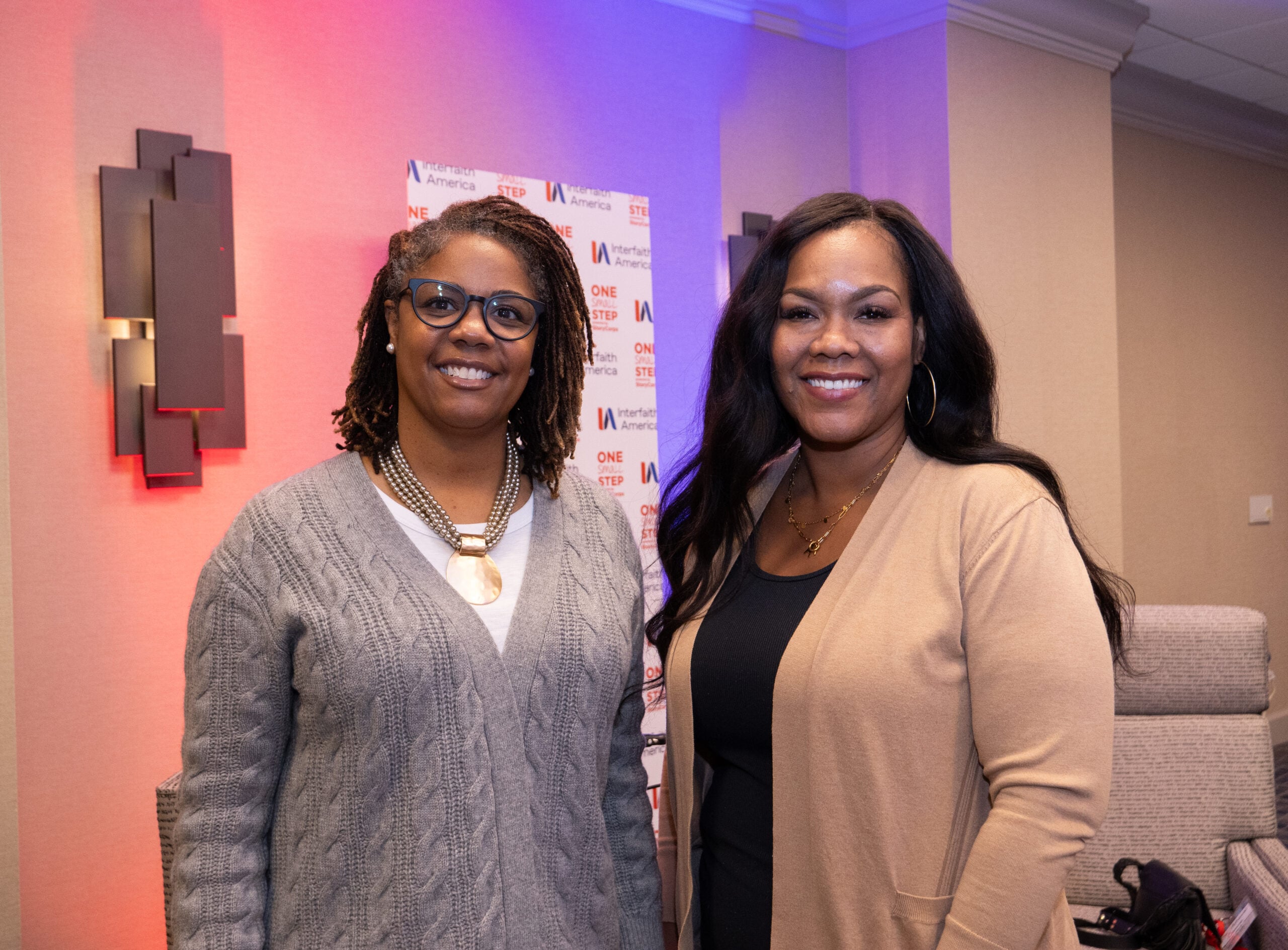

When the Rev. J. Michael Tennial, DMin, and I began to serve as Black college and university religious and spiritual life leaders, our work reached across denominational lines and faith traditions.
As the dean of the Julius S. Scott, Sr. Chapel of Wiley University, and he, the former coordinator of spiritual life and community service at Johnson C. Smith University (JCSU), we both served at historically Black colleges and universities (HBCUs). Both institutions have strong denominational ties. Wiley, known as the first Black institution founded west of the Mississippi , was established in 1873 by the Freedman’s Aid Society of the Methodist Episcopal Church (now the United Methodist Church) for the purpose of allowing “negro youth the opportunity to pursue higher learning in the arts, sciences and other professions.”
JCSU, founded by two Presbyterian ministers, was named as the Freedman’s College of North Carolina in 1867. JSCU later became Biddle Institute before a generous endowment by Johnson C. Smith, which led to another name change. Before going to JCSU, Tennial was the assistant director of religious and spiritual life at Wiley. I also had previous experience as an assistant dean of religious life at Howard University in Washington, D.C. Interestingly enough, Howard traces its roots to a prayer meeting at the First Congregational Church of Washington, D.C.
While Tennial and I both grew up in traditional Black Baptist settings, we are strong advocates for religious pluralism and interfaith collaboration, especially on college campuses. As ordained Baptist ministers, we understand that so much of what and who we are is based on our context — who our parents are, how we grew up and the institutions that we attended.
Interfaith collaboration is not new for Tennial, who said, “growing up, my experience with interfaith cooperation was quite enriching … I found myself attending school alongside peers from diverse religious backgrounds. This transition exposed me to Judaism, Islam, Buddhism and other traditions that I hadn’t encountered before.”
In 2023, I was named an Interfaith America Sacred Journey Fellow. The fellowship, which provided $15,000 over two years to interfaith leaders who have the ability to facilitate strong cooperative work with various religious groups, also included coaching, cohort experience and workshops.
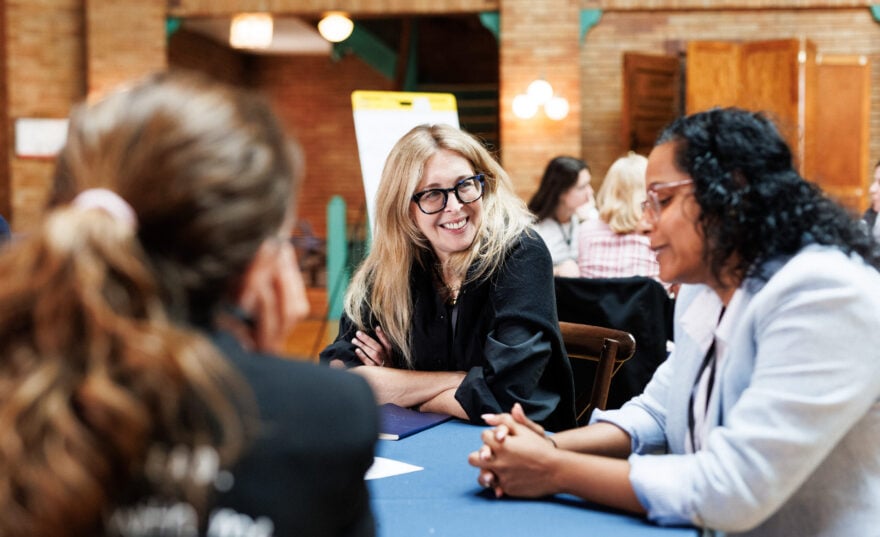
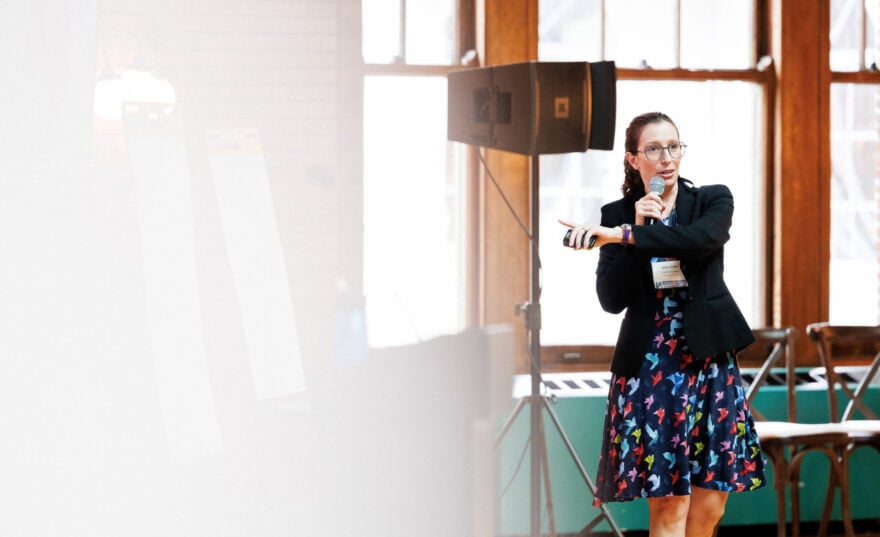
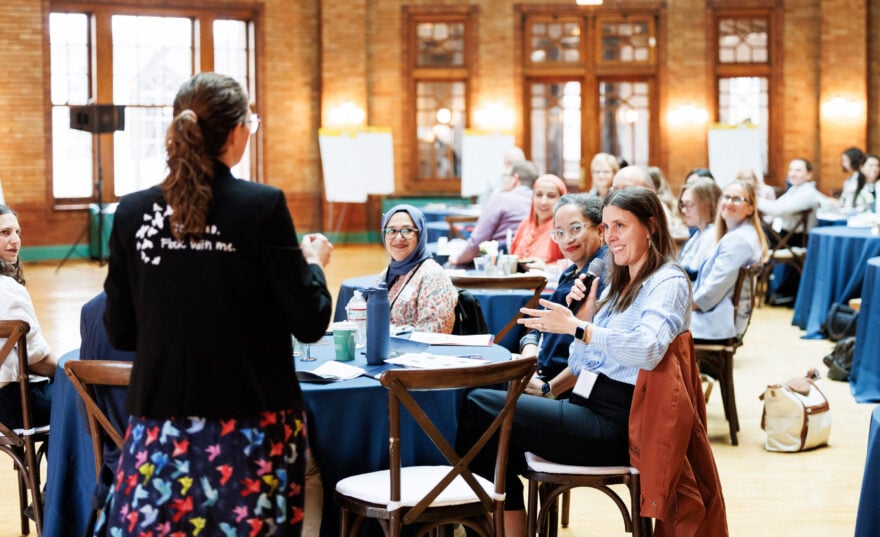
My project for the fellowship hosted a convening on interfaith collaboration for Black college and university religious and spiritual life leaders. The convening was built on the work of Howard University, which in 2020 hosted the first-ever Black and Interfaith Conference. My goal was to create a space to share best practices, network, produce knowledge and navigate interfaith collaboration from a Black context.
Led by Rev. Herbert Brisbon, chaplain at Dillard University, the convening surrounded work done by Black college and university religious and spiritual life leaders who have led interfaith cooperation.
For example, when Tennial and I worked together at Wiley, we led an Alternative Spring Break program with an interfaith focus. We brought participants to Washington, D.C. where we worked with Hillel at The George Washington University to attend a Shabbat dinner. Participants also attended Guru Gobind Singh Foundation, a Sikh gurdwara, for their Sunday Diwan. We also led participants to two Christian services at Alfred Street Baptist Church and Shiloh Baptist Church. Lastly, the students engaged in an Islamic Jummah prayer service with Howard University’s Muslim Student Association.
“These experiences created opportunities for students to engage with peers from diverse religious backgrounds. By fostering dialogue and mutual respect, students gained a deeper understanding of each other’s beliefs, traditions, and practices,” said Tennial.
While interfaith interactions have been enriching off campus, those on campus have heightened students’ experiences as well. For example, the Potlucks for Pluralism program at JSCU provided opportunities for students to immerse themselves in various religious traditions. Events such as a Passover Seder and Eid al-Fitr celebrations allowed students to experience firsthand the rituals, customs and foods associated with different religious holidays.
This not only promoted cultural understanding but also encouraged students to appreciate and respect the religious diversity within our communities. During Ramadan and Lent, the Wiley University Interfaith Emissaries presented “Bridges and Bonds: A Conversation on Lent and Ramadan”. The event created the coming together of faith and community highlighting Christian and Islamic prayer practices.
In a recent survey I conducted, 88% of Wiley students identified with religious affiliation or belief. From Muslim to Christian, Jewish and Agnostic, Wiley students are deeply connected spiritually. In the same survey, 93.5% thought it was either very or somewhat important, in college, to learn about religious identities other than their own.
The interfaith experiences caused Tennial to see the value of various religions interacting on college campuses. He noted “ultimately, fostering a campus environment where various religions interact positively requires intentional efforts to promote respect, dialogue, and collaboration. By embracing diversity and nurturing understanding, college campuses can become vibrant communities where students of all faiths feel valued and empowered to contribute to the common good.”
Tennial and I plan to continue interfaith exploration on our campuses and further collaboration with Black college and university religious and spiritual life leaders across the country.
Fellowship in Prayer is a grantmaking organization based in Princeton, New Jersey. It was founded in 1949 and has been awarding Sacred Journey grants since 2015.