It is a sad and stark reality that America is experiencing its most sustained wave of political violence since the 1970s. We only need look to several events just in these past few months to recognize this: Large public street protests with the U.S. military mobilized in response, the firebombing of a governor’s mansion, an ideologically motivated assassination of a lawmaker in Minnesota. Indeed, the nation seems dangerously fractured.
In a time when neighbors become enemies and dialogue is replaced by diatribe, the need for spaces of understanding has never been more urgent. It is in this climate of division that Baylor University’s Bridgebuilding Fellows program emerged — not as a panacea, but as a sacred invitation to listen, to learn, and to love across lines of difference.
Sacred Spaces for Civil Discourse
Launched in the 2024–2025 academic year with seed funding from Interfaith America’s Bridging the Gap grant, Baylor’s Bridgebuilding Fellows program is a courageous response to the civic inflection point faced by our nation. Rooted in Baylor University’s mission, the Christian ethos of hospitality, and the democratic ideal of pluralism, the program seeks to cultivate a campus culture where civil discourse is not only possible but transformative.
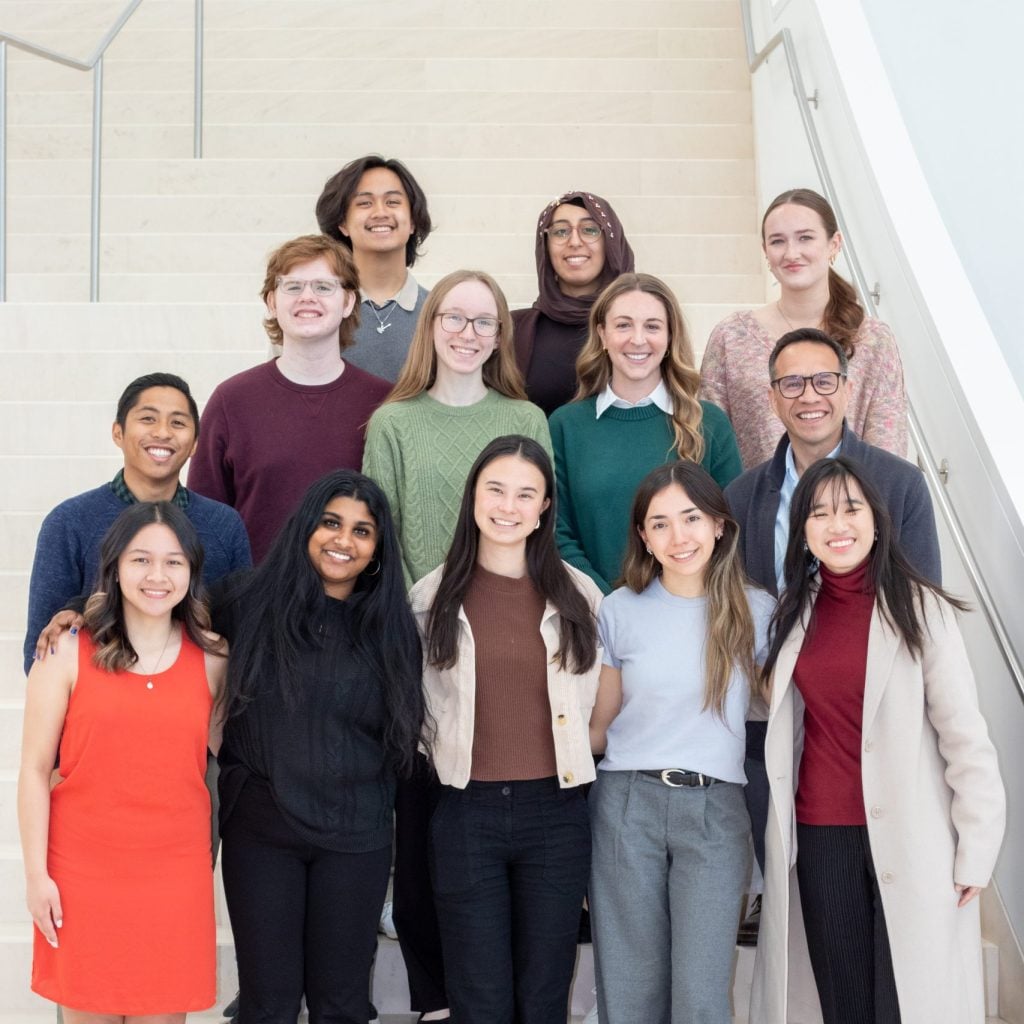
Over the course of the year, 46 students — diverse in race, religion, political ideology, and academic discipline — were trained in the art of dialogue. These students, known as Bridgebuilding Fellows, became ambassadors of empathy, carrying the torch of respectful conversation into classrooms, dining halls, and public forums.
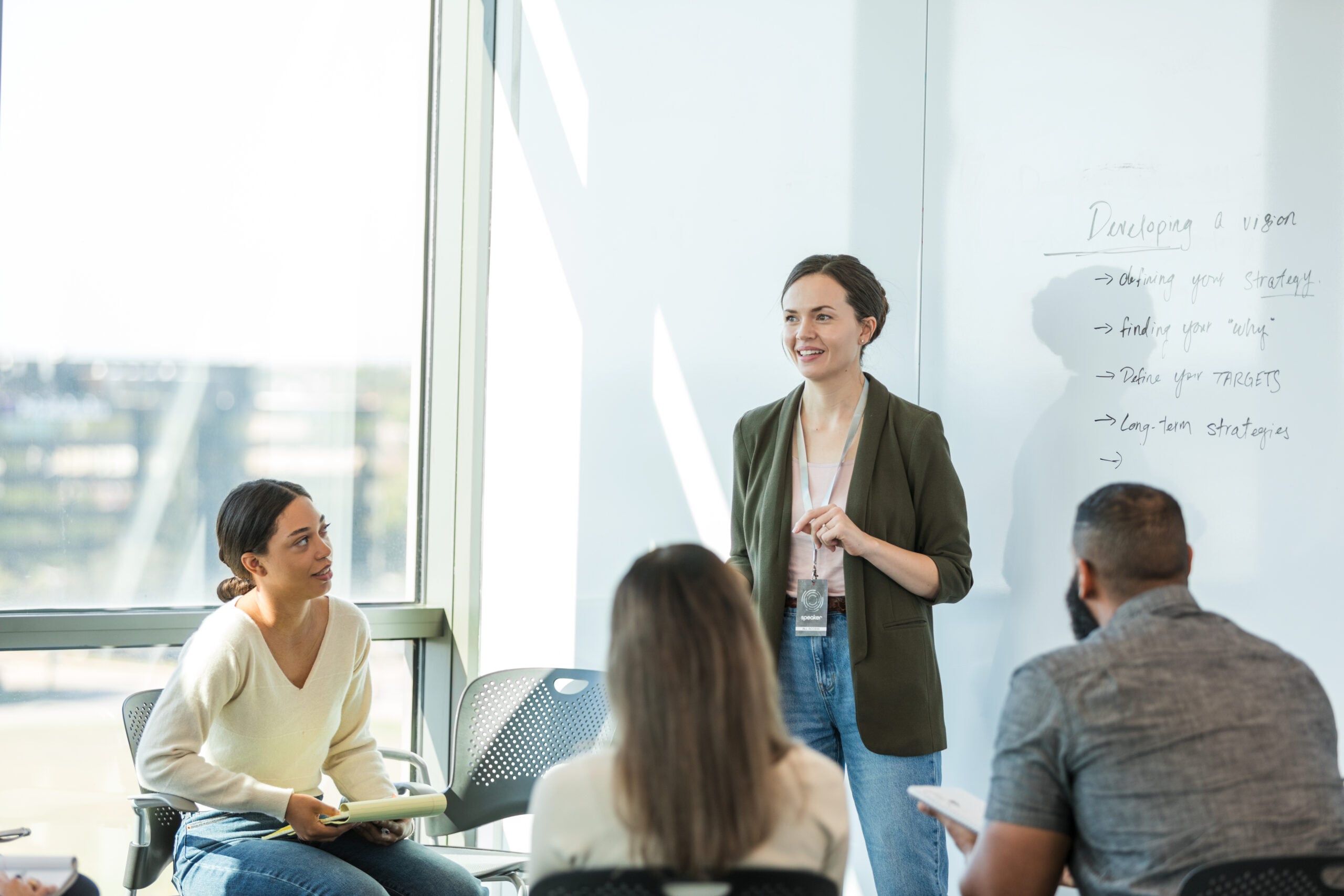
Their journey began with hours of intensive training spread out over multiple days, where students were introduced to Interfaith America’s Bridging the Gap curriculum. The training emphasized core principles and key skills such as active listening, story-sharing, and navigating tension constructively. Importance was placed on the sacredness of each person’s lived experience and recognizing and honoring the inherent dignity of one another. Students who successfully completed the training were invited to officially become Fellows in the program, forming a vibrant community of bridgebuilders. The Fellows committed to meeting monthly as a group to practice and build upon their skills, learn from one another, build social bonds, and ideate together toward the creation of meaningful campuswide discourse programming.
Breaking Bread, Building Bridges
At the heart of the program were five “Dinner & Discourse” events—shared meals where difficult topics were not avoided but embraced. These dinners tackled some of the most divisive issues in present-day American life: immigration, reproductive health and policy, the economy, presidential campaign rhetoric and the role of media, and rollbacks to diversity, equity, and inclusion efforts.
In a world where shouting matches dominate social media and cable news, these dinners offered a countercultural model: slow conversation over warm food, where disagreement was not a threat but an opportunity for growth. Each event was more than a meal—it was a liturgy of listening. Fellows were encouraged to bring guests, extending the circle of dialogue and modeling what it means to engage across difference with humility and grace.
From the Head to the Heart
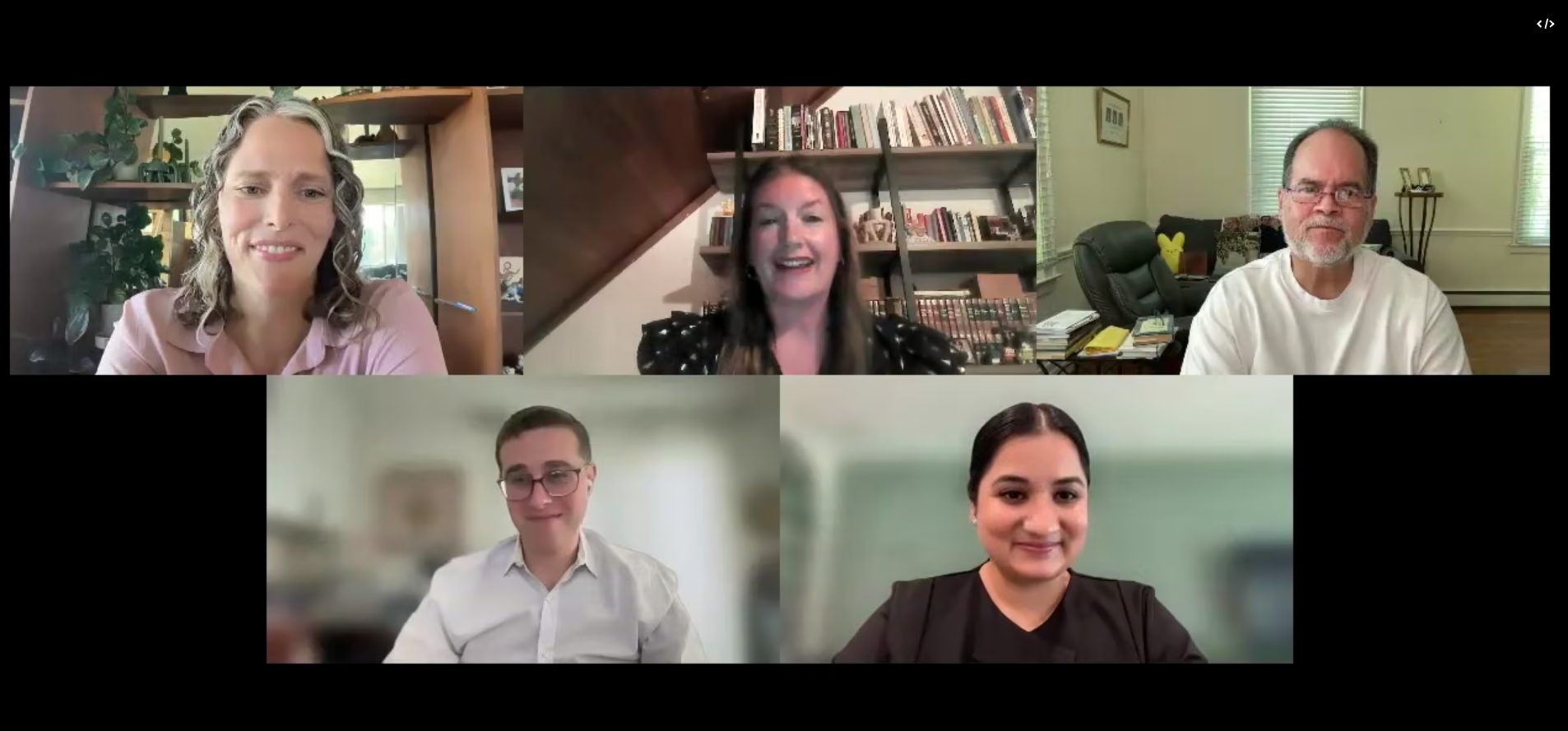
Beyond the public events, the program nurtured deep formation through six monthly cohort meetings and four informal social gatherings. These spaces allowed Fellows to reflect on their growth, share personal stories, and support one another in the often-challenging work of bridgebuilding. One Fellow, a pre-med student, shared how the program transformed her understanding of empathy — not just as a clinical skill, but as a spiritual practice. Another, a theatre major, spoke of how storytelling became a tool for being seen and heard. A business student reflected on how listening to a classmate with opposing views on abortion helped her to see the humanity behind the viewpoint, eventually leading to a friendship — despite still disagreeing.
These moments of transformation were not accidental. They were the fruit of intentional community, structured dialogue, and a shared commitment to the common good.
Expanding the Circle
The program’s impact extended beyond the core cohort through two subgrant-funded events. Grant funds were made available to the Bridgebuilding Fellows in the form of subgrants for programming. Two Bridgebuilding Fellows partnered with Alpha Epsilon Delta—Baylor’s pre-health professional honor society — and the Multicultural Association of Pre-Health Students to host a “Dinner & Discourse” on healthcare, drawing 40 students into conversation about equity, access, and ethics.
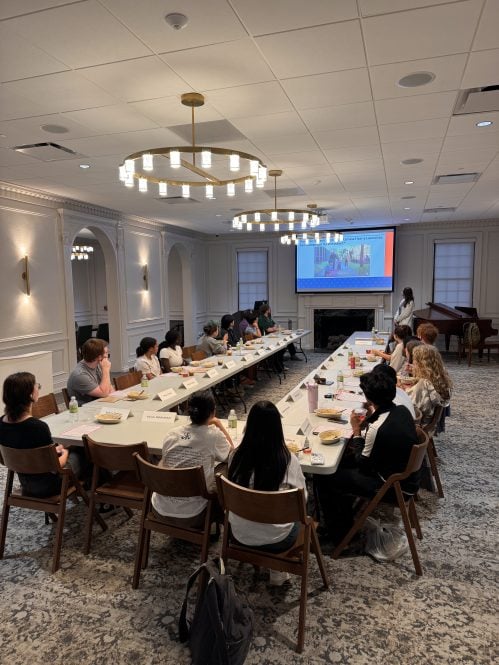
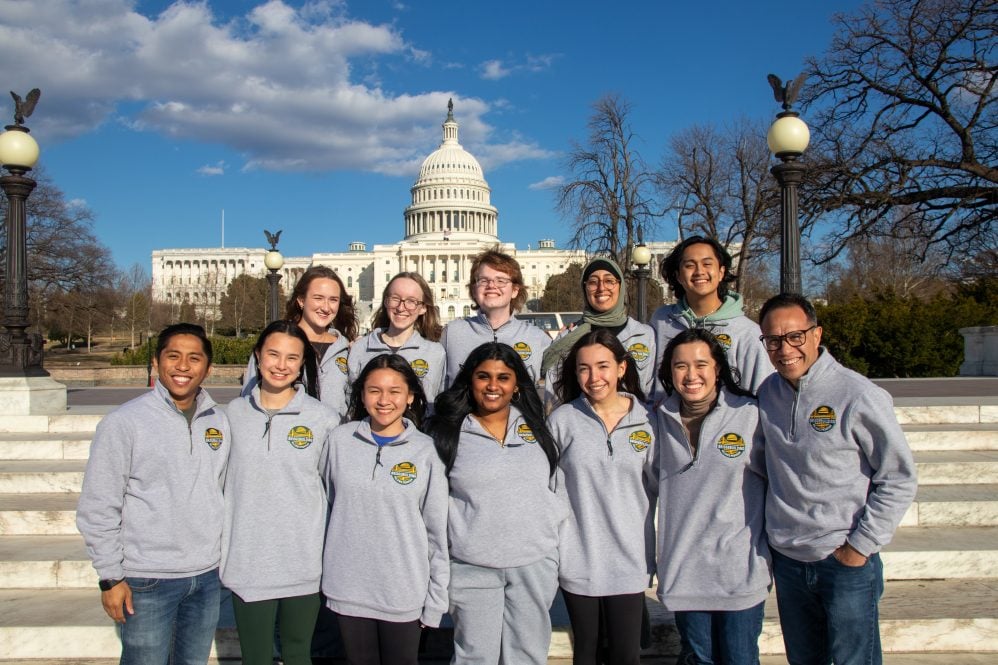
Another group of Fellows collaborated with Baylor’s School of Education to host a dinner program titled “Civil Discourse in Education.” The event, attended by 50 students and faculty, explored how listening and inclusive consensus-building can transform educational spaces. These events exemplified the program’s ripple effect — how a small group of committed individuals can catalyze a broader cultural shift beginning on campus. Extending this even further, 10 Fellows traveled to Washington, D.C. over their spring break as part of an experiential learning trip focused on understanding and dialogue around our current context. The overarching sentiment from the participants: Transformative.
Hopeful Dialogue
In a time where political violence is rising and trust is eroding, Baylor’s Bridgebuilding Fellows program offers a beacon of hope. It reminds us that change does not begin in Washington or through social media platforms — it begins in the quiet courage of students who choose to listen instead of lash out, to understand instead of assume. It is about reclaiming the sacredness of the other, about seeing and recognizing the humanity in those we are taught to fear or despise. It is about building a new kind of community, one meal, one story, one conversation at a time.
The program’s success has led to its institutionalization at Baylor, ensuring that future cohorts will continue this vital work. But its true legacy lies in the lives it has touched and the bridges it has built — in the quiet, persistent witness of students who believe that love is stronger than fear, and that dialogue is more powerful than division.
Dr. Kevin Villegas
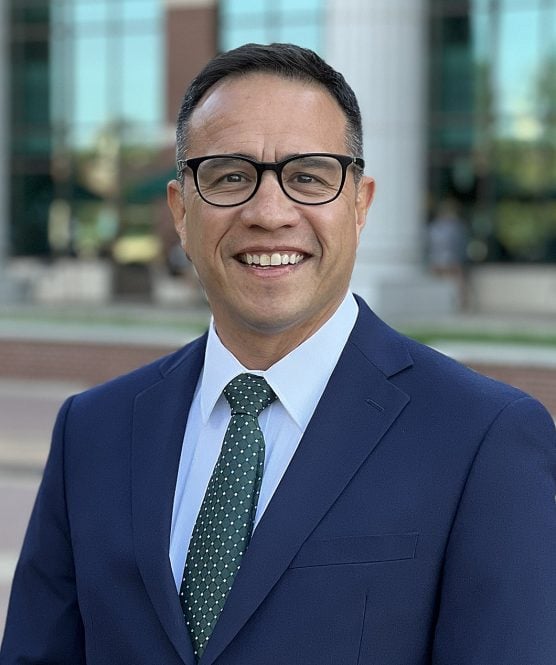
Dr. Kevin Villegas serves as the Dean of Intercultural Engagement and Division of Student Life Initiatives. In his role, Dr. Villegas is responsible for leading a comprehensive approach to empower all students and Division of Student Life staff in the creation of a more vibrant, inclusive, and supportive campus environment as an expression of the Baylor University mission.