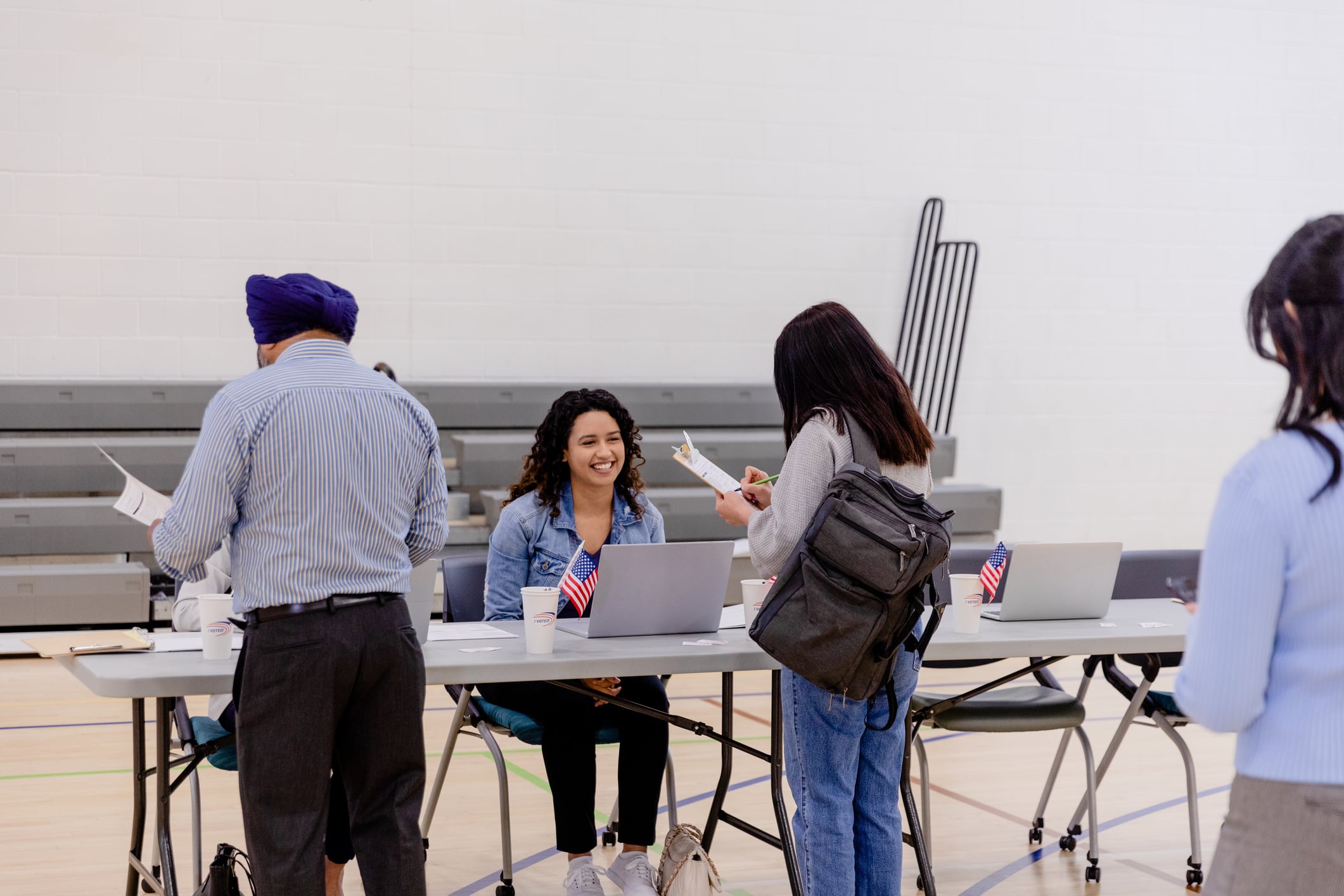

Last week my wife and I dropped our oldest, Zayd, off at college. I felt all the feelings. The sadness hit me in small, unexpected ways, like realizing we no longer needed to consider his preferences at family meals.
My dominant emotion, however, was excitement, especially when Vanderbilt Chancellor Daniel Diermeier spoke about the need for a culture of free expression, civil discourse, and radical collaboration. That is what college is about: people of diverse identities and ideologies sharing ideas, discovering both common ground and sharp disagreements, and above all learning to respect, relate, and cooperate across lines of difference.
That spirit is catching on, with civil discourse programs multiplying across higher ed. Organizations such as the Constructive Dialogue Institute, BridgeUSA, and the Institute for Citizens & Scholars now partner with over 100 campuses each.
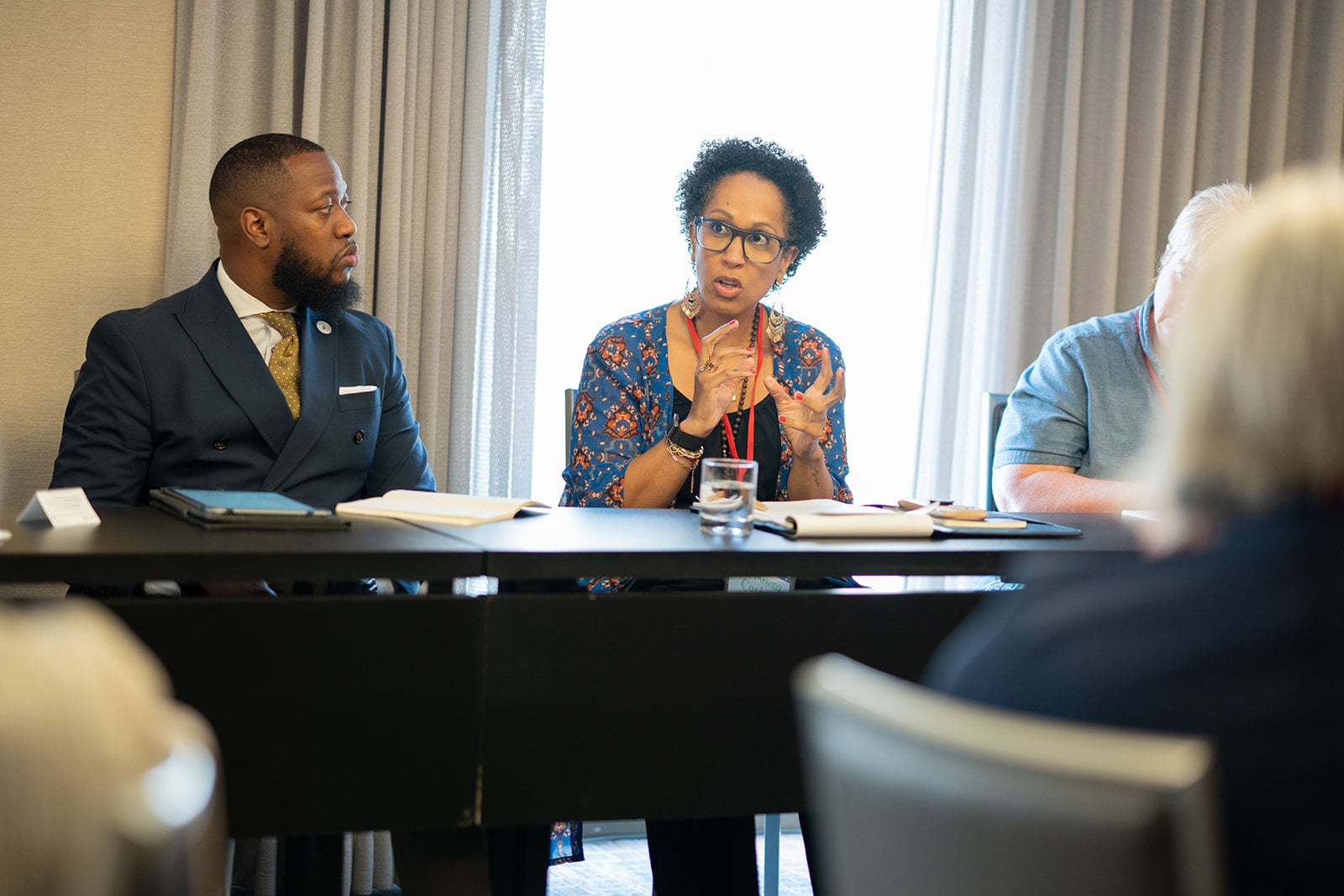
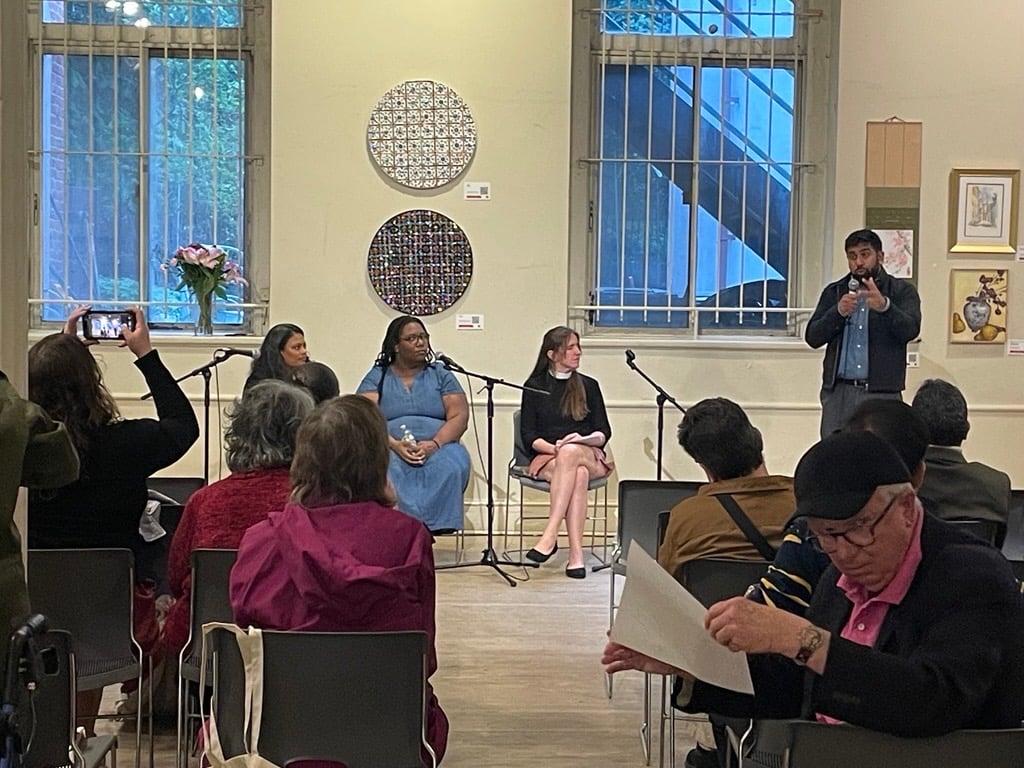
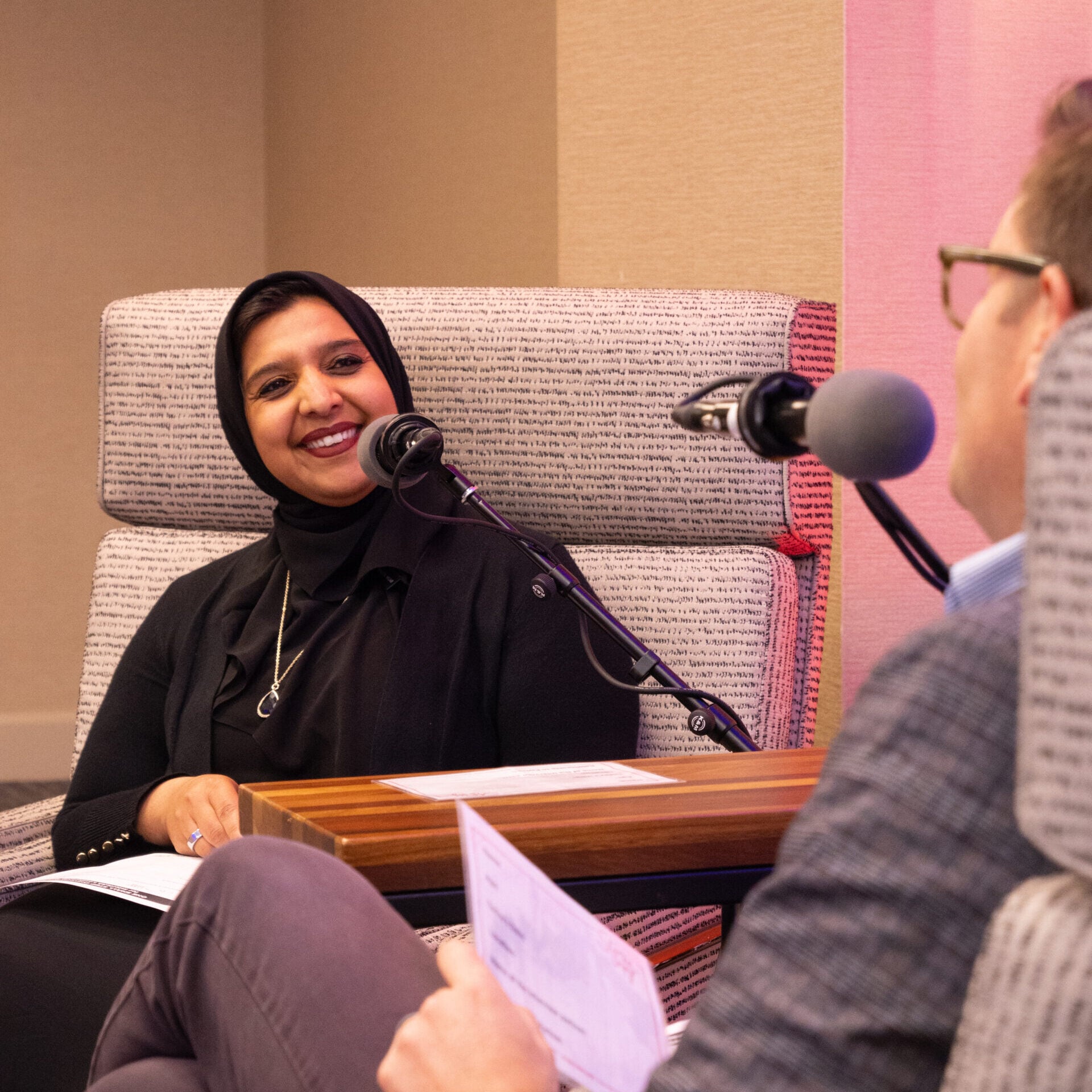
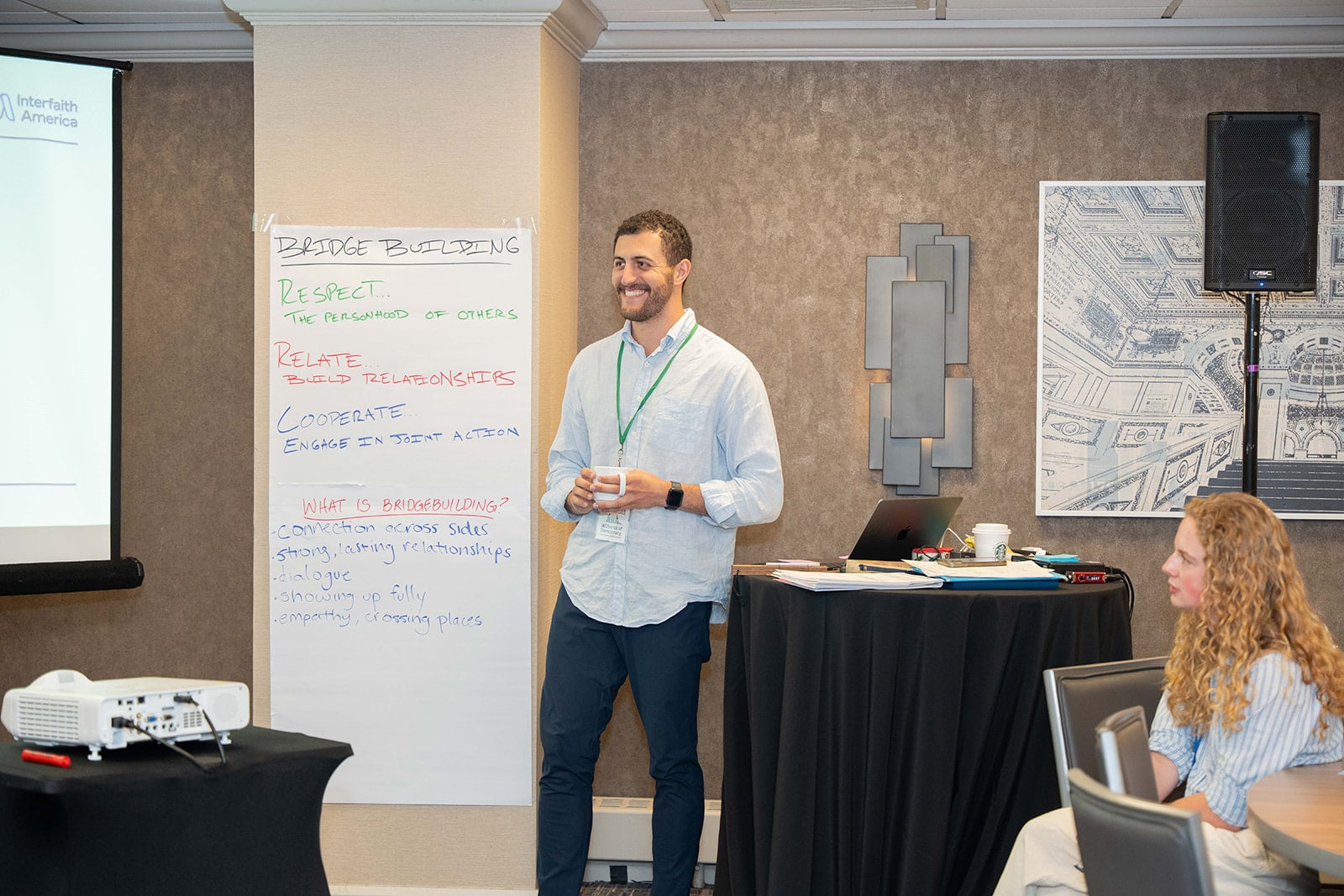
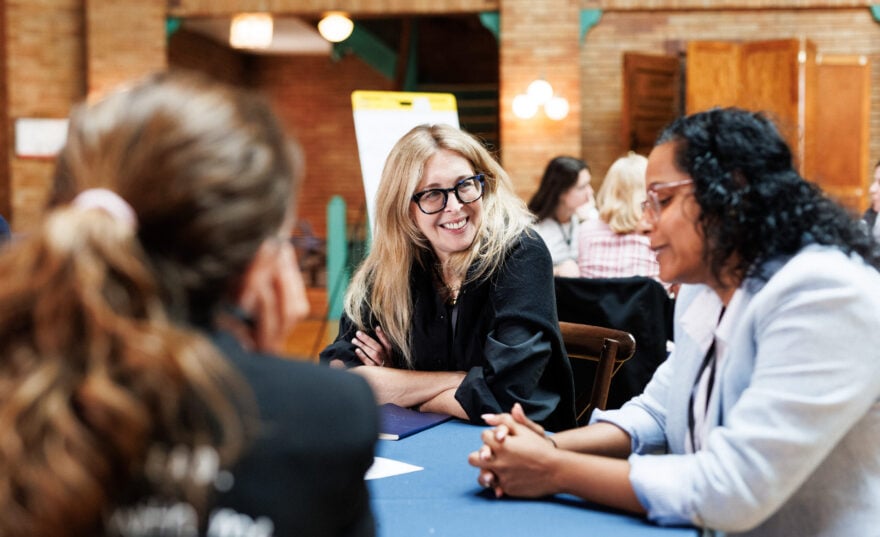
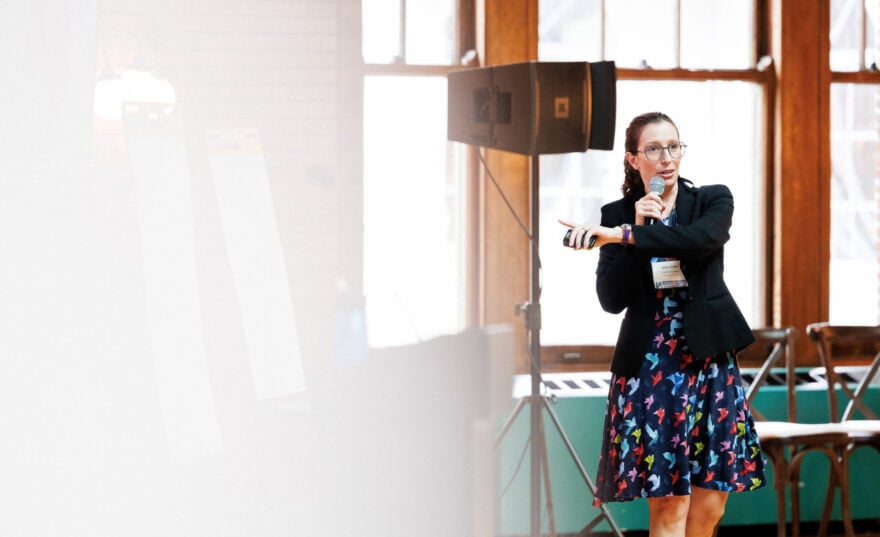
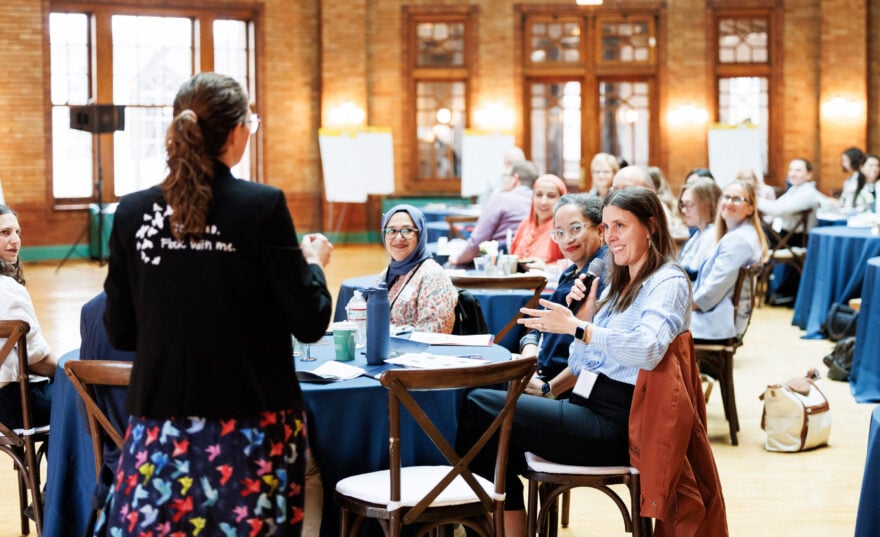
We are seeing a similar influx of enthusiasm at Interfaith America, where our 2025 Interfaith Leadership Summit (ILS) was our largest ever – gathering more than 700 students, faculty, and administrators around the theme “Chords of Democracy,” exploring how music resonates with the richness of American pluralism.
My colleague Noah Silverman beautifully captured the essence of this year’s ILS: “It was almost impossible to walk through the lunch buffet without seeing someone proudly sporting a watermelon pin engaging amiably with someone wearing an Israeli flag pin.” Many of these students had once stood on opposite sides of protests. There were no chants or signs – only respectful discussion.
What we witnessed at ILS in miniature is exactly what campuses need more of this fall: identities and convictions held with clarity, building relationships that make cooperation possible. We are heirs of the deep American tradition of pluralism that honors both the distinctiveness of identities and the vision of a unified whole, with civil discourse as an indispensable tool.
When you see students practice it, as we did at the Summit, you realize there is no better place to live out pluralism than on a university campus. Where else but the start of an academic year are so many diverse identities invited to converge in one space, with the resources to explore the world’s great traditions and the opportunities to put that learning into action?
I left the audience with these words as they prepared to return to campus in the days ahead:
“We see people as complex musical scores and we coax out the melodies and we encourage each other to sing along. Whatever side of the fence of right opinion you’re on, you can start to hear similar melodies on either side of the barrier.
Maybe you come a little closer, and then suddenly you realize something about invisible fences: we’ve imagined them — and we can unimagine them, with a little help from our friends.
There’s no them. There’s only us. We are playing together the chords of pluralism, the chords of democracy.”
That is my hope for Zayd and his new classmates as they begin this next chapter. It is my hope for every campus this fall, that we will hear the harmonies of pluralism and add our voices to the song.