
As rockets fell and headlines screamed of war in the Middle East last October, a quieter story unfolded on a deck in Washington, D.C., just days earlier. A Palestinian from Gaza sat beside an Israeli couple, not in debate, but in community. Together, they shared popcorn, watched a movie and laughed under the shelter of a Jewish sukkah.
They were at Abrahamic House in Dupont Circle in Washington D.C, where people of different faiths live together as roommates and community builders, regularly hosting events for the broader public to connect people across religions.
The horrific violence in the Holy Land has strained relations between Jews and Muslims in the U.S. and around the world. We built Abrahamic House because we believe in a different path forward.
Violence is fueled by hate and apathy. Abrahamic House is designed to build understanding and empathy. Meals, not missiles and encounters, not explosives. While protesting and petitions are a core part of our democracy, our role is different. We want to expose each other to new perspectives and build a more nuanced understanding of the truth. Conflict will only end when people see each other as full and complex human beings.
All of our traditions believe that every human life is sacred.
Over the last two years, our residents—Alex, a Catholic architect; Daud, a Muslim graduate student from Afghanistan; and Austen, a Jewish journalist—have lived under one roof, hosting over 50 events that bridge faiths, cultures and experiences. From Passover Seders and Lenten fish fries to Big Eid celebrations and Nowruz gatherings, we’ve welcomed hundreds of people to share in the richness of our traditions.
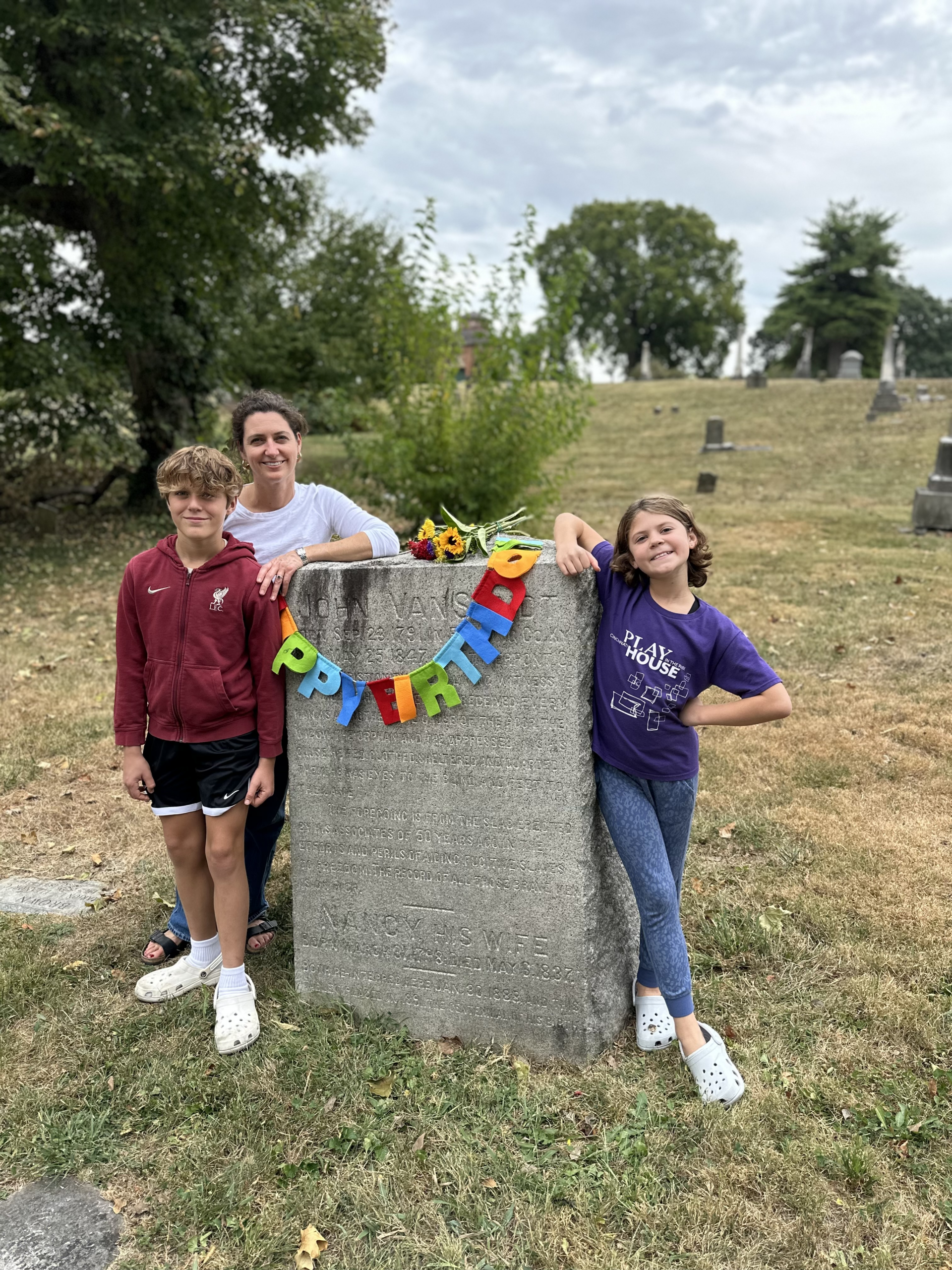
Here, a Jewish grandmother checks in on her grandson’s Muslim roommate and the Catholic resident navigates the kosher grocery store just days before Passover.
In the aftermath of October 7th, we stood together in vigil to pray for all of the victims. We then held a “Weekend of Prayer” where our community visited a mosque for Friday prayer, a synagogue for Friday night Shabbat services and a Catholic church for Sunday morning Mass. Our crowd grew as the weekend progressed and more people learned who we were and what we were about.
Abrahamic House was founded by me, a Muslim interfaith activist and refugee from Yemen.
At the start of the second intifada in 2000, news channels in Yemen were filled with stories of Israeli soldiers killing Palestinians including Muhammad al-Durrah, a kid who was the same age as me. That year, at age 13, I had one aspiration: to go to Jerusalem and return violence. My views changed toward nonviolence after receiving the Bible from a Christian language teacher and reading the stories of Jews and Christians.
I created our small non-profit to spread interfaith ideals and bring people together to combat hate, antisemitism and islamophobia.
Our community is diverse—religious and secular; progressive and traditional; liberal and conservative. While we don’t agree on everything, we are united in our eagerness to engage with one another. We celebrate our similarities and respectfully discuss our differences.
Even in these troubled times people are eager for real discussions. Our monthly conversation club is consistently one of our most sought-after events. Community members put down their phones and enjoy a Shabbat meal complete with homemade challah. We then vigorously discuss how different religious traditions think about a single fraught issue of our time. Over the months we have talked about the death penalty, assisted suicide and the anti-meat movement, among many other topics. Disagreements are common; anger is not.
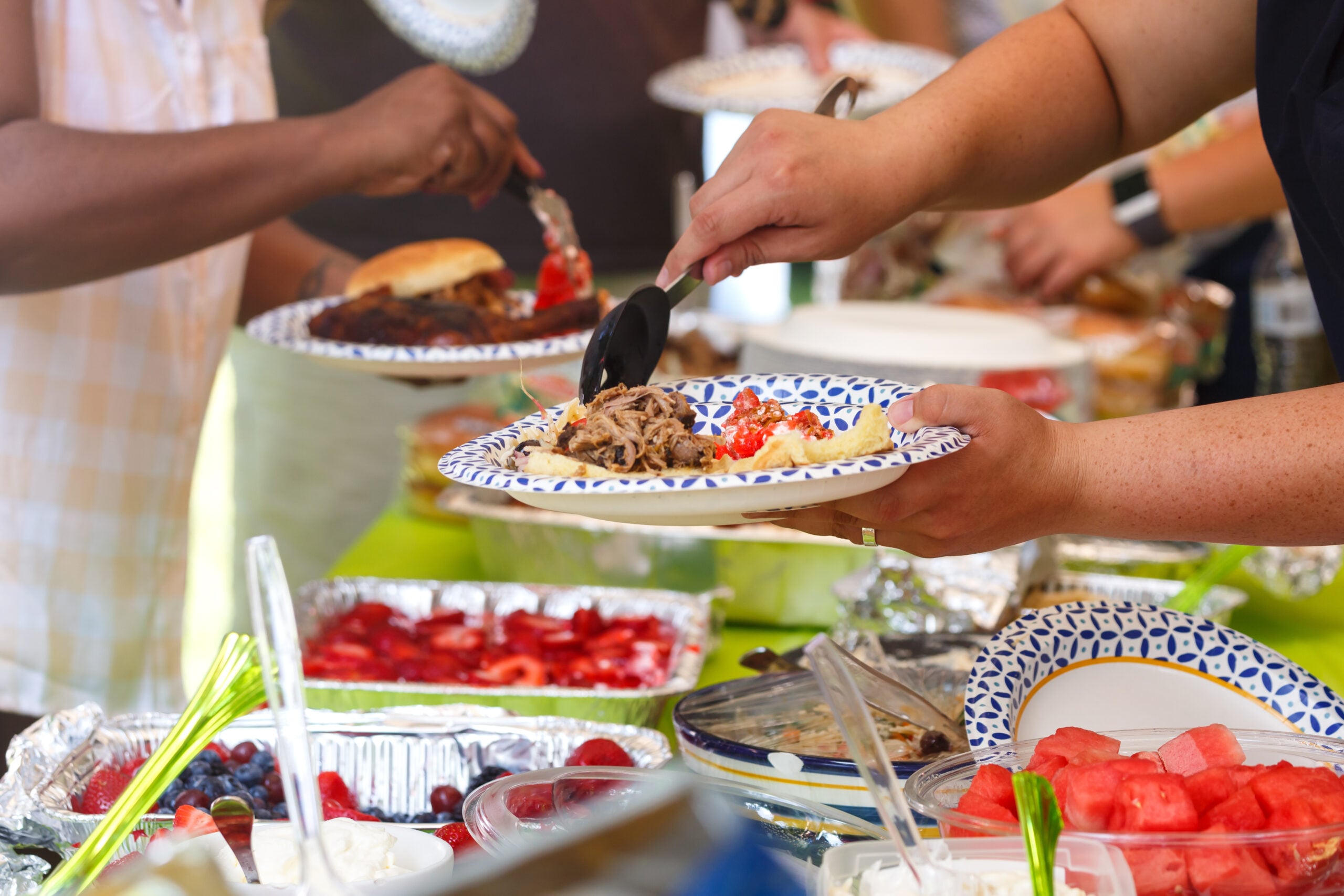
For Eid, a Muslim holiday commemorating Abraham’s near sacrifice of his son, we went to a halal farm in Virginia and had them butcher an entire lamb for us. We then held a barbecue in Rock Creek Park. Interfaith experiences don’t have to be watered down. The attendees can be what makes an event cross-religious. People want to experience authentic expressions of faith.
Our community is always welcoming new members, and we are actively working to bring Abrahamic House to new cities. We also believe that interfaith engagement should spread across the country and the world.
We do believe we can’t control what Hamas or Netanyahu and Ben Gafir are planning, but we refuse to live on their narratives, we built our narrative, so we protect the new generation from the hate trauma that we were raised in.
Now more than ever, we need to bridge divides and foster understanding. We ask you to be part of this process. Lean into your own traditions. Invite your neighbor to church, your coworker to your daughter’s bat mitzvah, or your friend to an iftar breakfast. They’ll appreciate the invitation and learn something new. Encourage your religious leaders to partner with another community. Food and holidays are always great places to start.
We are all praying that these upcoming twelve months will be more peaceful than the last. As a new cohort of Abrahamic House residents moves into the house, we can all work together to build a joint humanity and respect for one another.
Fellowship in Prayer is a grantmaking organization based in Princeton, New Jersey. It was founded in 1949 and has been awarding Sacred Journey grants since 2015.
Mohammed Al-Samawi
Mohammed Al-Samawi is an interfaith activist, a refugee from Yemen, and the author of the best-selling autobiography The Fox Hunt: A Refugee’s Memoir of Coming to America. His nonprofit interfaith organization, Abrahamic House, builds sustainable interfaith learning and action by fostering an environment of learning, respect, and social change. Amblin Entertainment, Steven Spielberg, and Marc Platt are developing the movie, The Fox Hunt, based on his autobiography. He has received accolades such as the Daniel Pearl Award from the ADL for fighting antisemitism and the Medal of Honor from the Simon Wiesenthal Center.