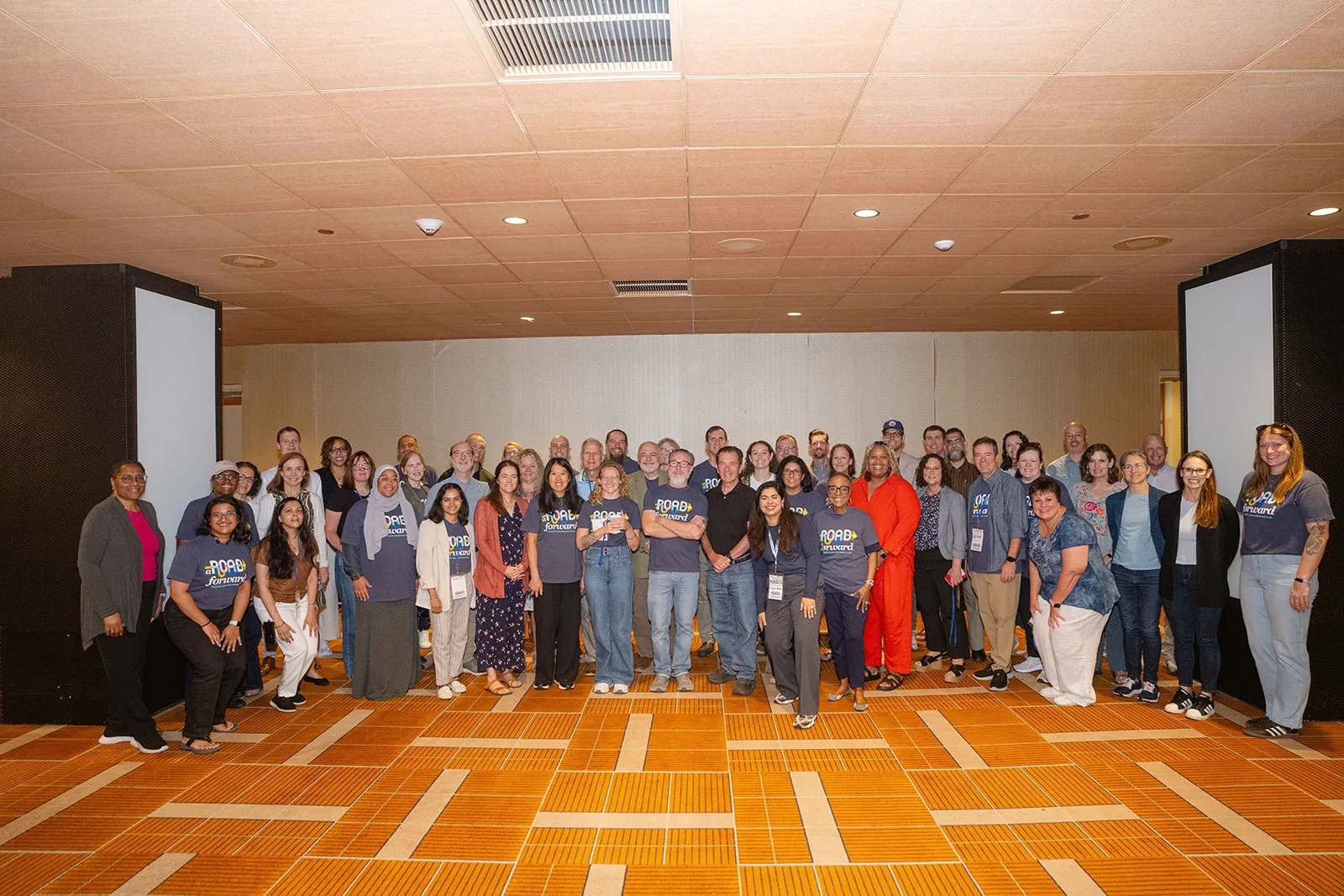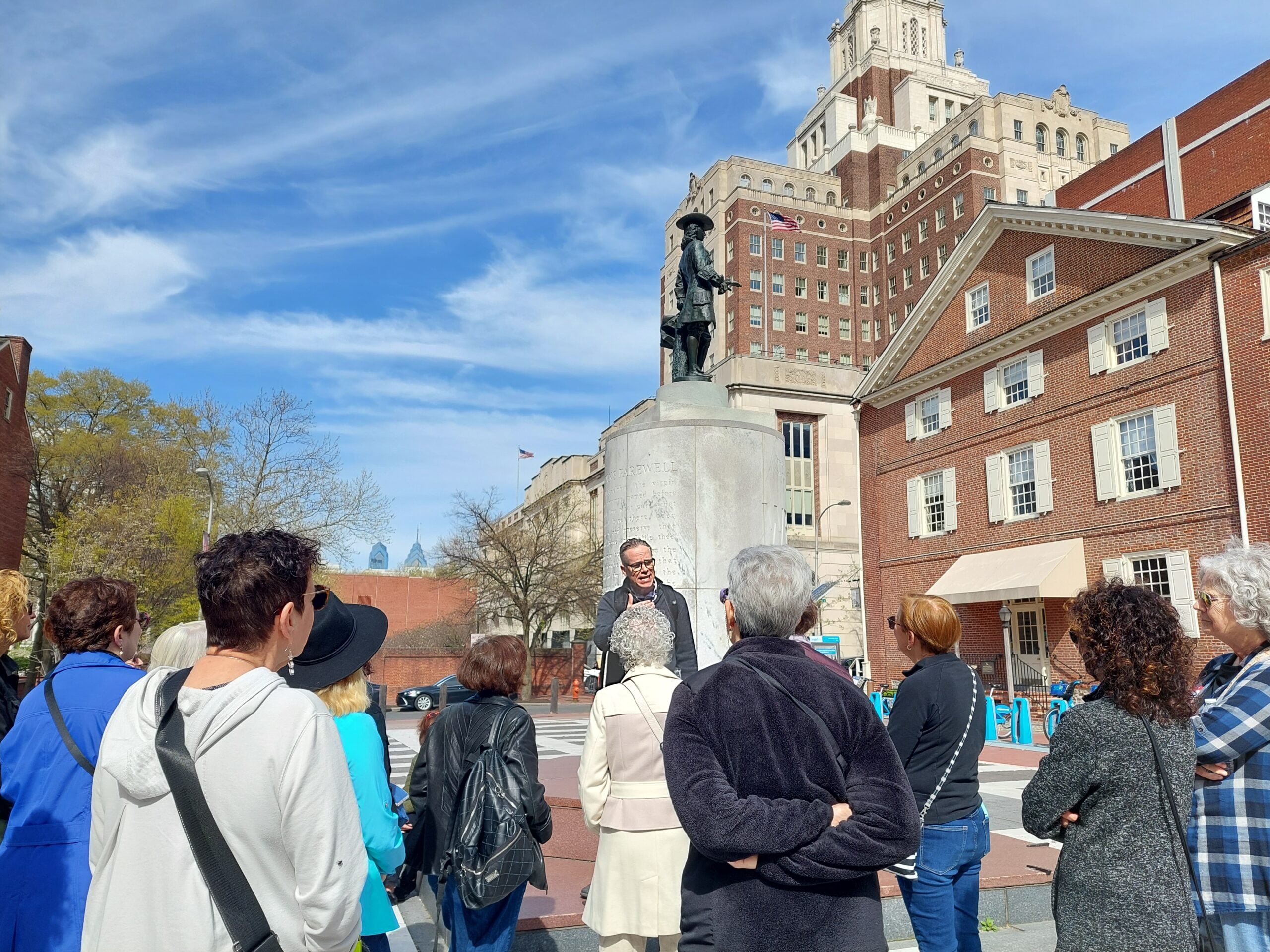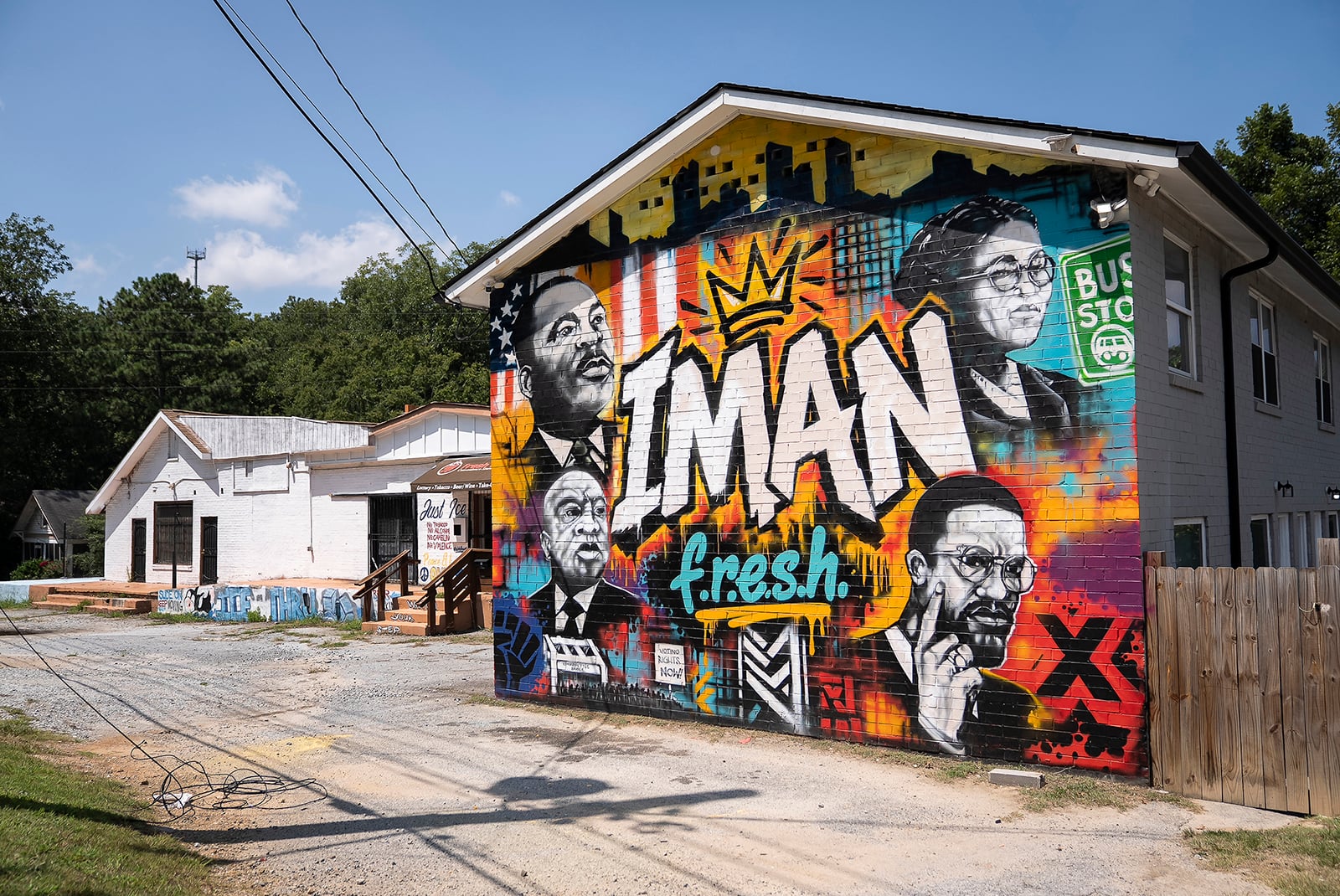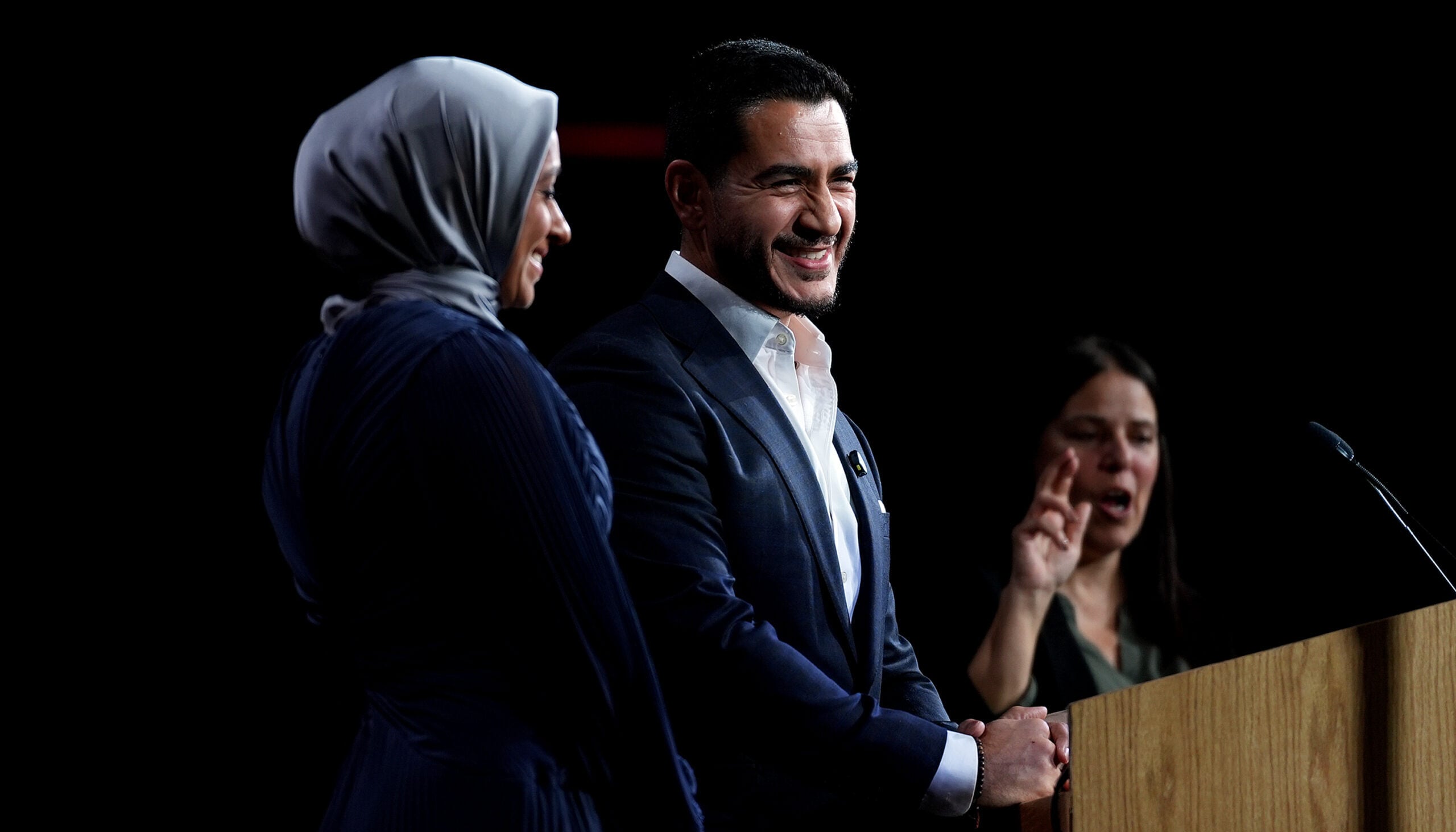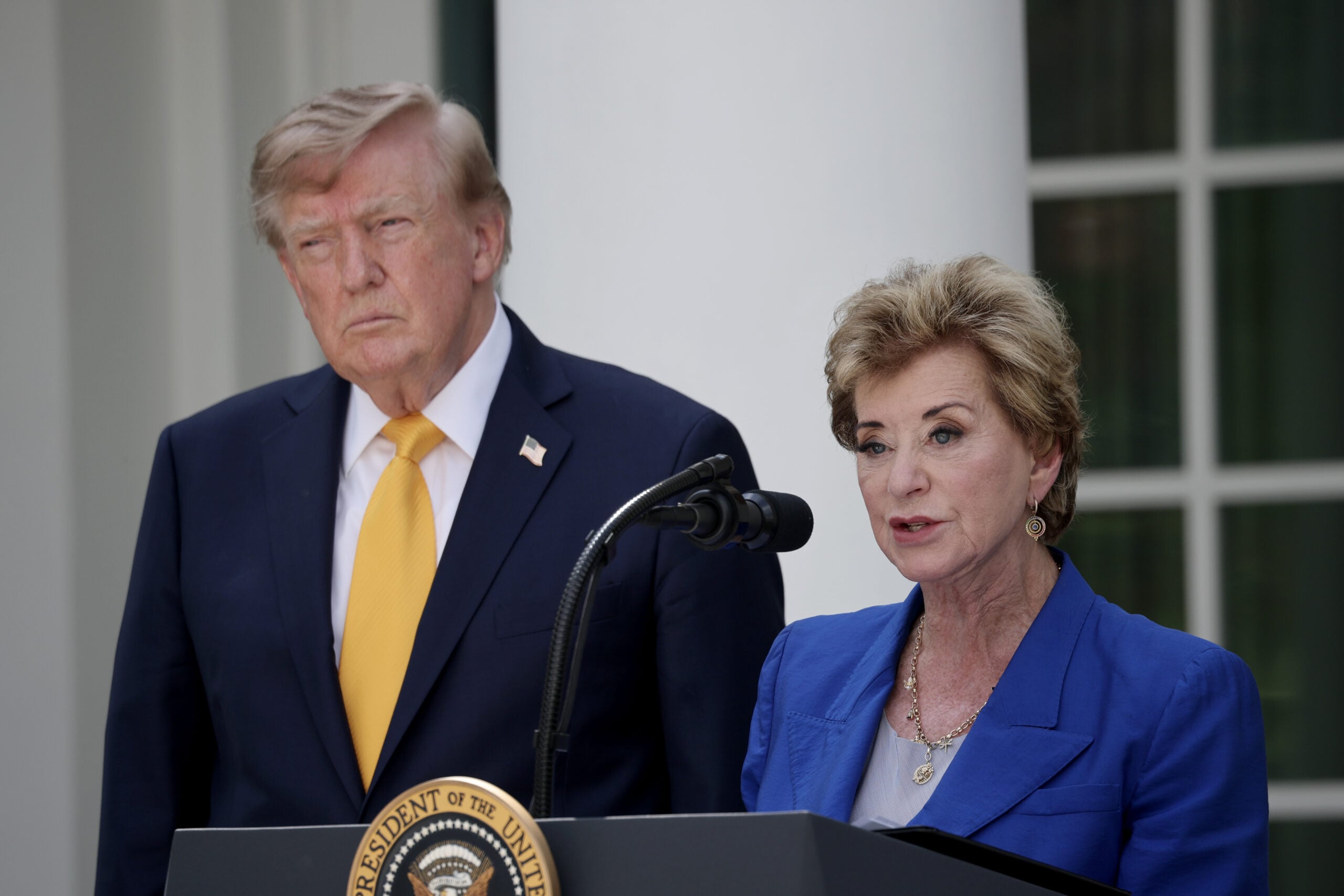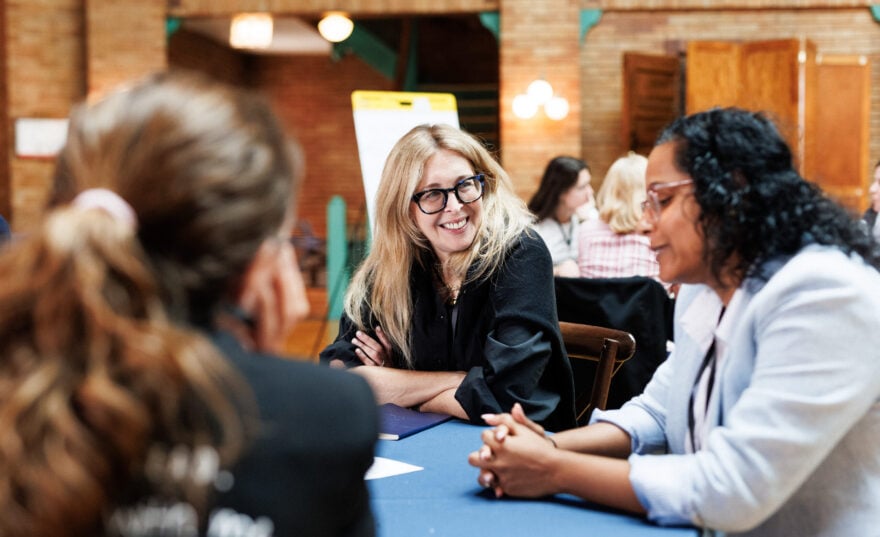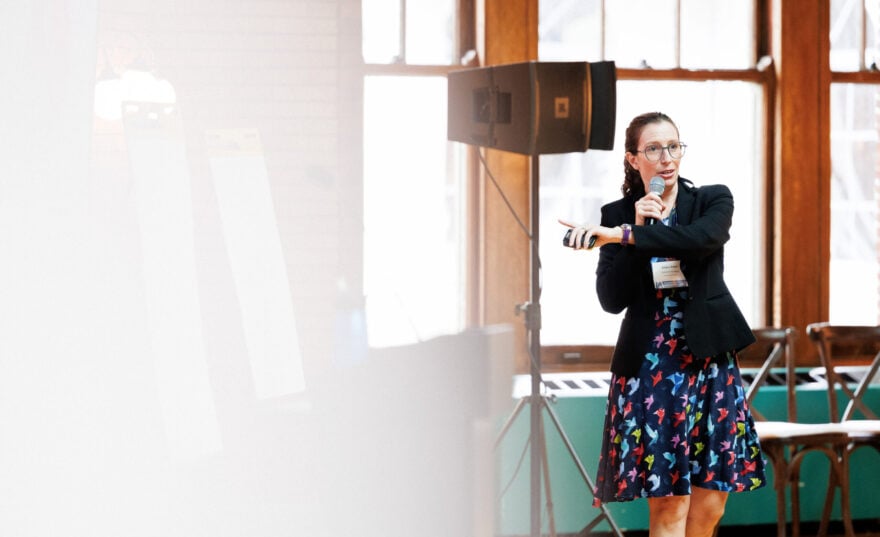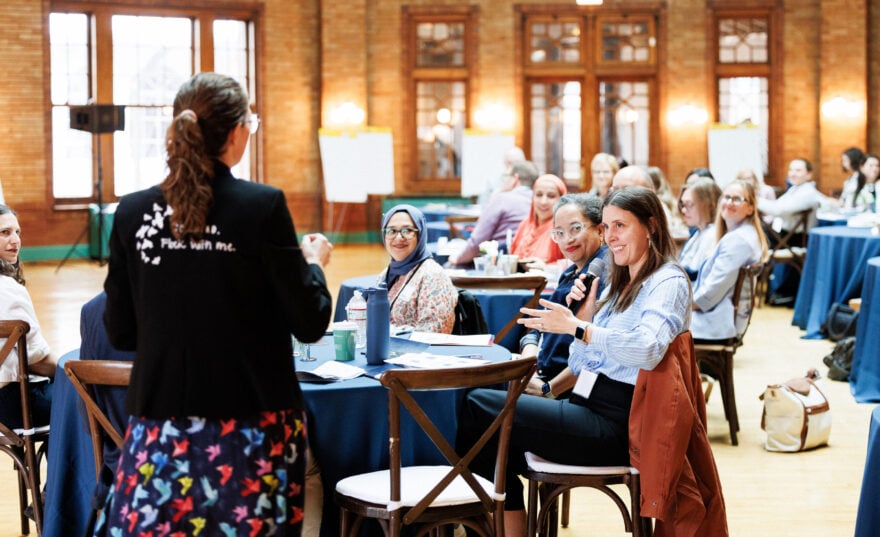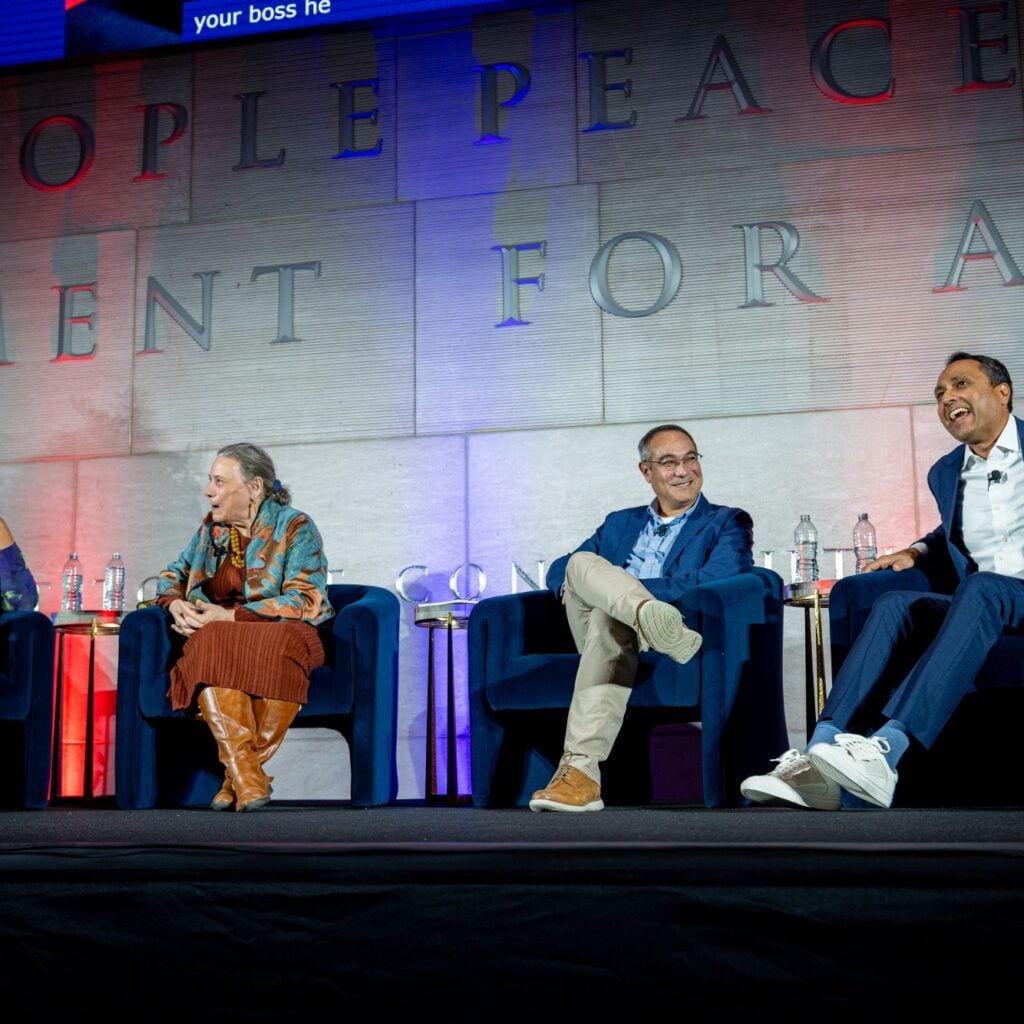
This week, at the National Constitution Center in Philadelphia, Interfaith America convened partners and friends from the civic square, corporate America, and higher education for “The Next 250: The Promise of American Pluralism.”
Together, in the birthplace of American democracy, these leaders articulated their hopes for America’s future — one grounded in the promise of pluralism, a commitment to religious liberty, and a desire for cooperation across difference in service of the common good.
Panelists and featured speakers offered insight into how a vision of America’s next 250 years will require the activation of local leadership, the shared value of service, and the cultivation of thoughtful partnership.
Trust in Local Community
Speakers emphasized that pluralism is built locally, through the work of mentors, community leaders, and neighbors who make collaboration across difference possible.
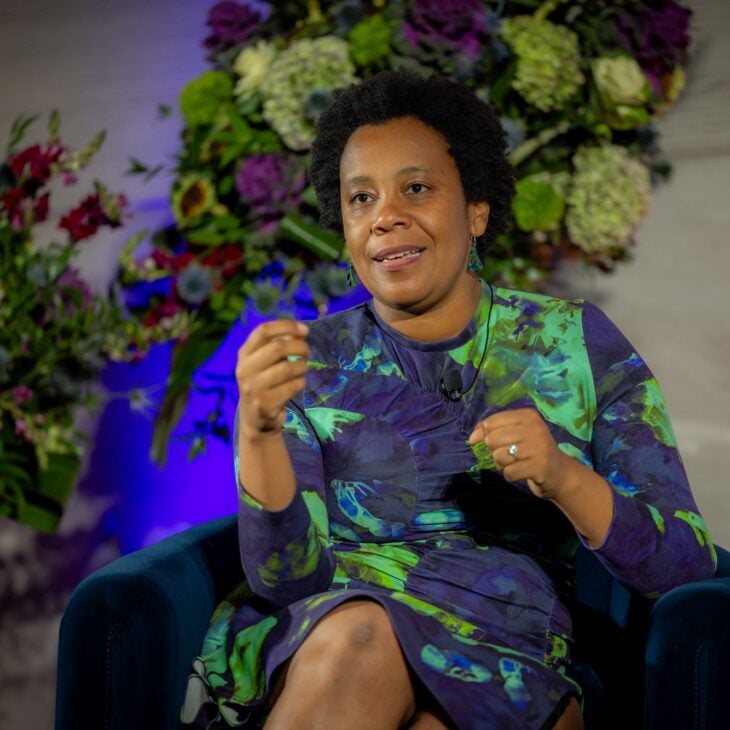
“It’s okay to take two hours out of your day and think about the people who brought you here.” — The Rev. Jen Bailey, Executive Director, Dan and Margaret Maddox Fund
True, there is silver under / The veils of darkness. / But few care to dig in the night / For the possible treasure of stars.
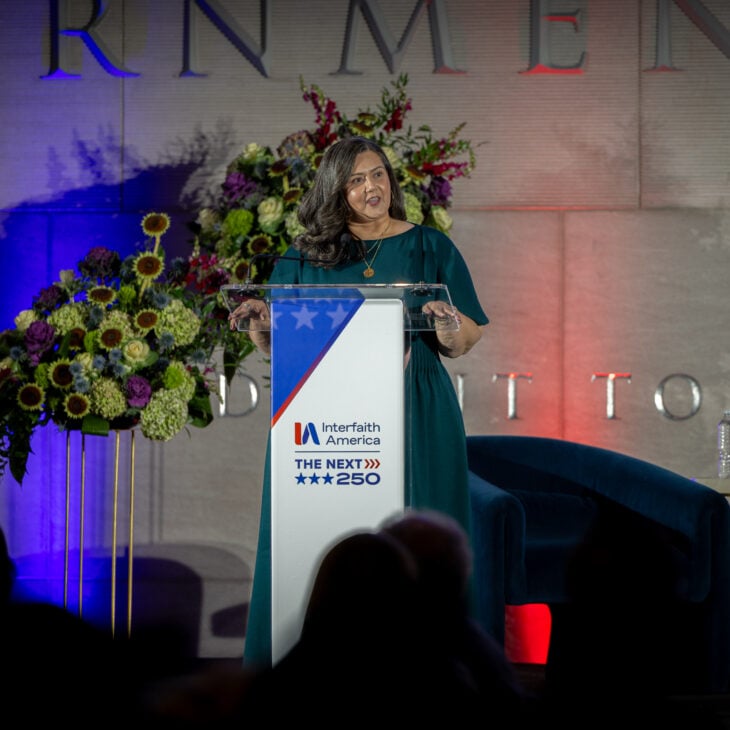
“The work that you are doing in your local communities is that very important work of digging in the night for the possible treasure of stars and bringing that up to the surface.” — Jenan Mohajir, Vice President of External Affairs at Interfaith America, invoking poet Gwendolyn Brooks’ Annie Allen
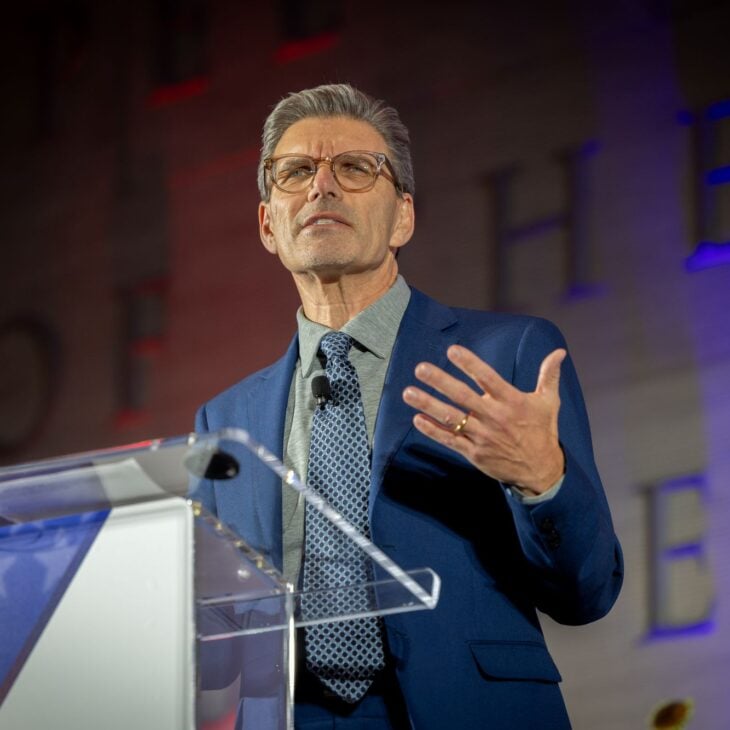
“We need to look locally for those leaders who are achieving great things in their community that no one knows, that no one’s familiar with, that doesn’t reach audiences like this. We need to find those leaders. We need to surface and champion them. Yes, we need to network and activate their networks, and we need to build our national strategy inductively on the keys to their success” — Hiram E. Chodosh, President and Chief Operating Officer of the National Constitution Center in Philadelphia
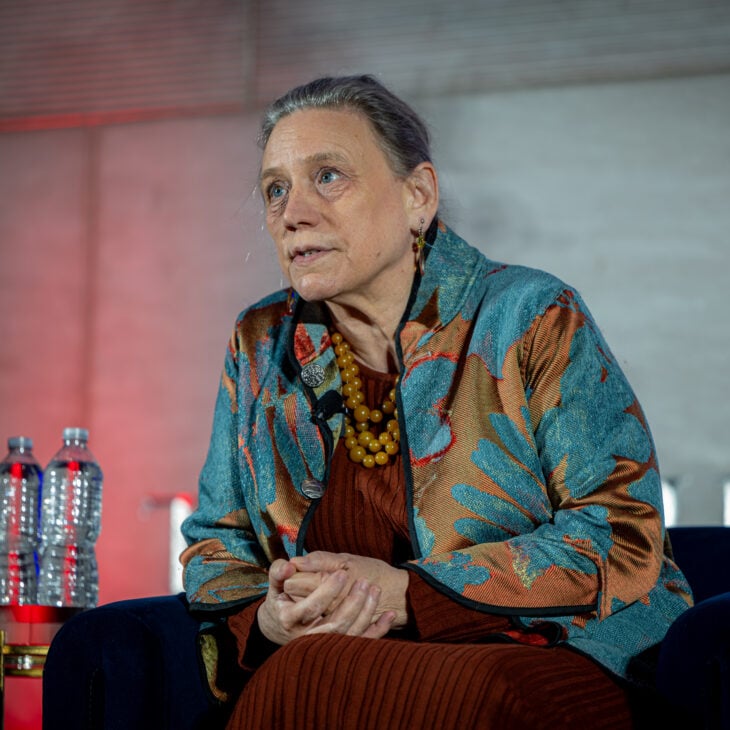
“Local history is cosmic, universal, and world-building.” — Laurie Patton, President of the American Academy of Arts and Sciences
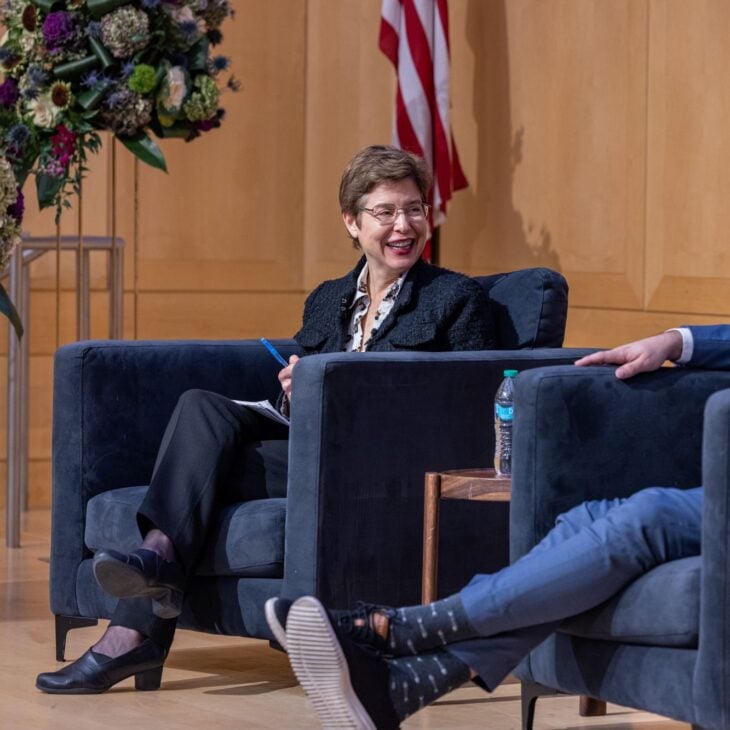
“Sometimes at the state and local level, we can make even more progress than we can make at the federal level, where there can be more gridlock and friction in coming together.” — Melissa Rogers, Distinguished Scholar in Faith, Law, and Public Policy, Wake Forest Divinity School
Unity in Service
Conversations explored how a shared vision for America’s future depends on individuals and organizations working on common goals through acts of service.
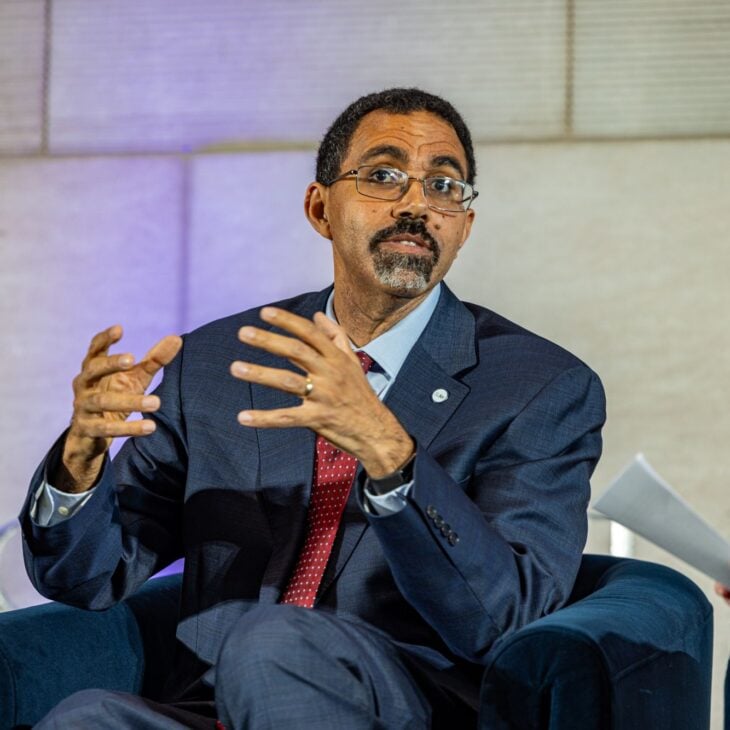
“When you are out in the community interacting with people who are different from you, and you’re serving alongside people who are different from you, that’s how you define the skills that we all are trying to teach in the classroom.” — John B. King Jr., Chancellor, SUNY
“Leadership is indistinguishable from service.” — Marty Rodgers, Global Management Committee Member & Senior Managing Director, Accenture
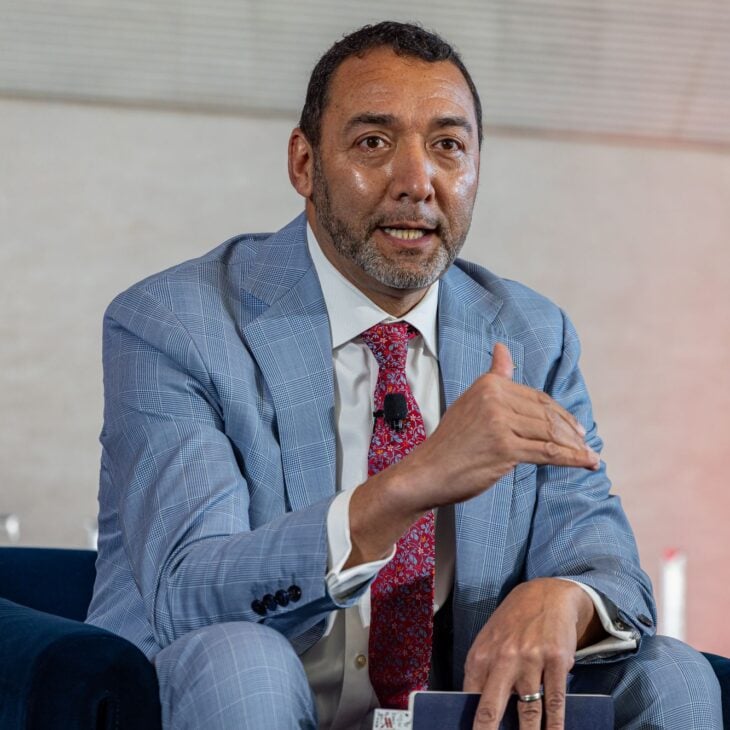
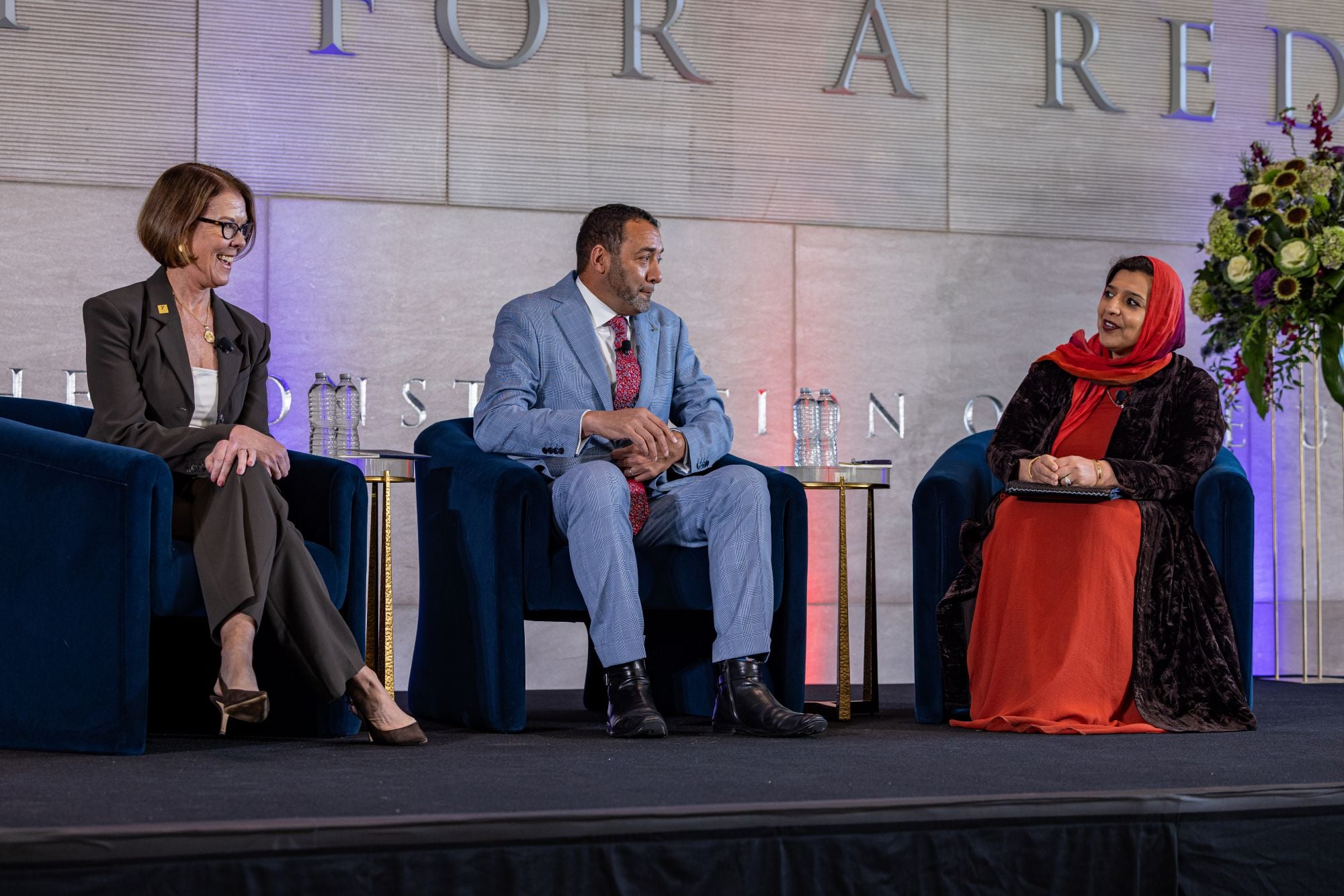
“No matter what your faith is, service is a component.” — Suzanne McCormick, President & CEO of YMCA of the USA
Strength in Partnership
The promise of pluralism in the United States is contingent on intentional collaboration and meaningful partnership across difference.
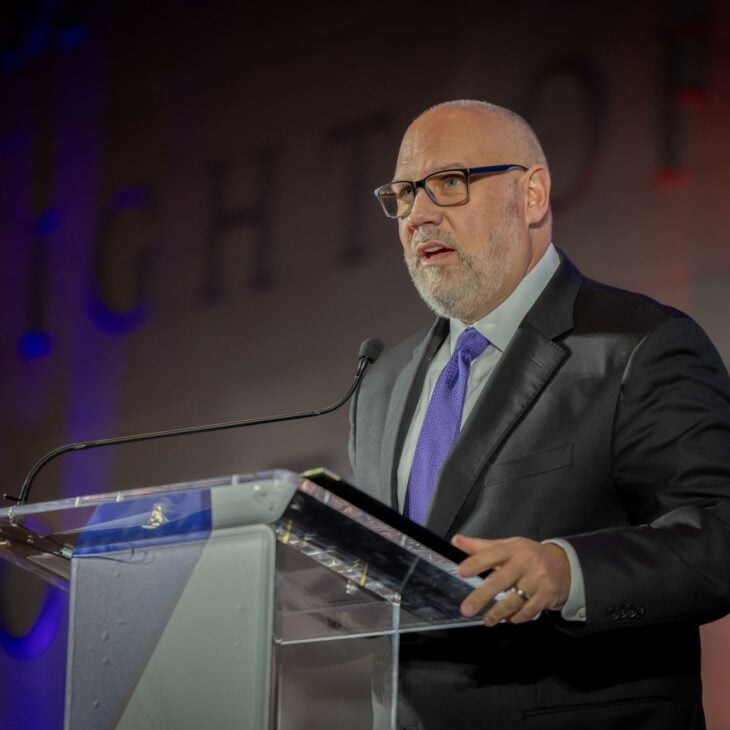
“Freedom of conscience cannot be a freedom we claim only for ourselves. Its promise is realized when we defend that same freedom for others, especially those with whom we profoundly disagree. At the center, we believe that honoring this promise and renewing the civic culture that sustains it are among the great responsibilities of our time.” — Vince Stango, Interim President and Chief Executive Officer of the National Constitution Center in Philadelphia
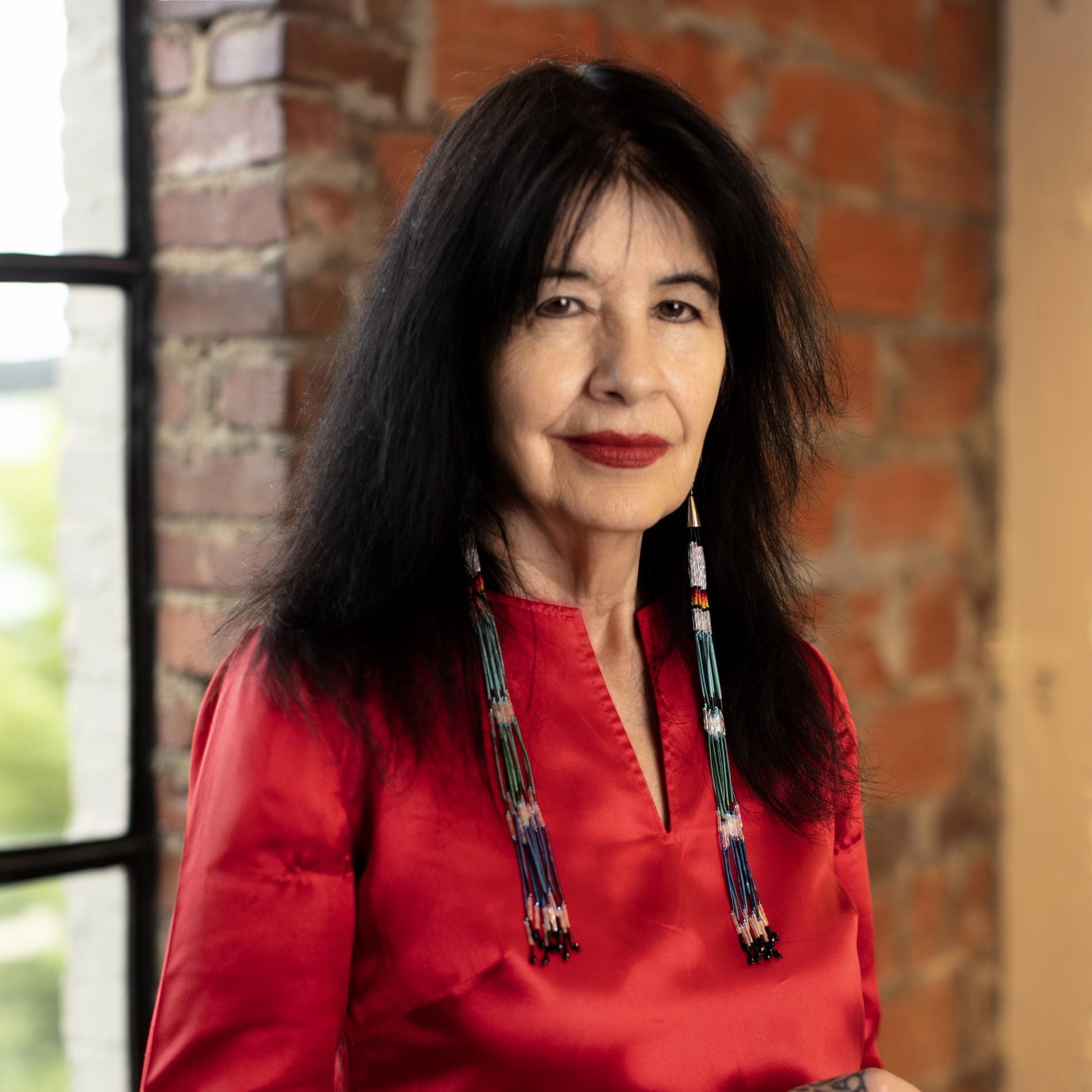
“Call upon the help of those who love you. These helpers take many forms: animal, element, bird, angel, saint, stone, or ancestor… Then, you must do this: help the next person find their way through the dark.” — Joy Harjo, “For Calling the Spirit Back from Wandering the Earth in Its Human Feet,” recited by Jenan Mohajir at the event
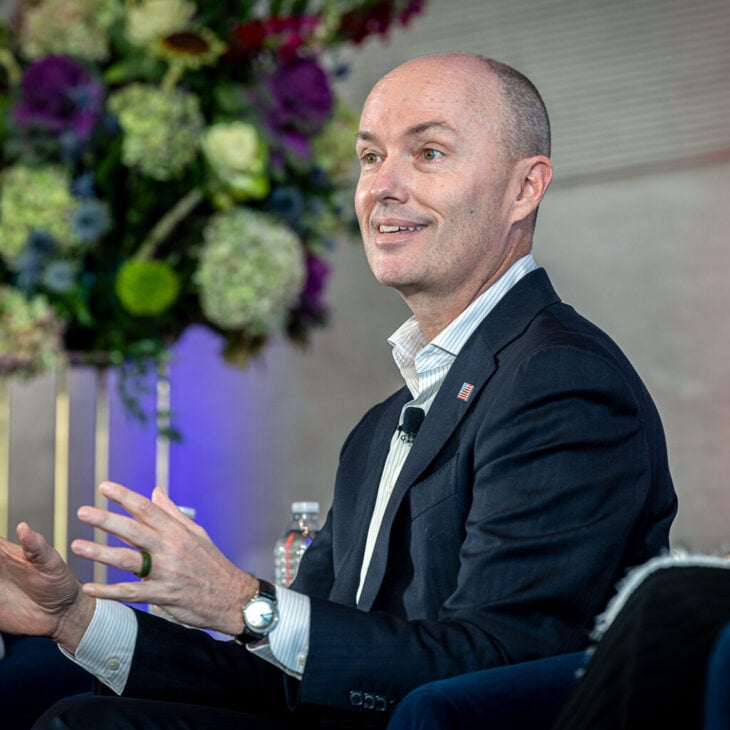
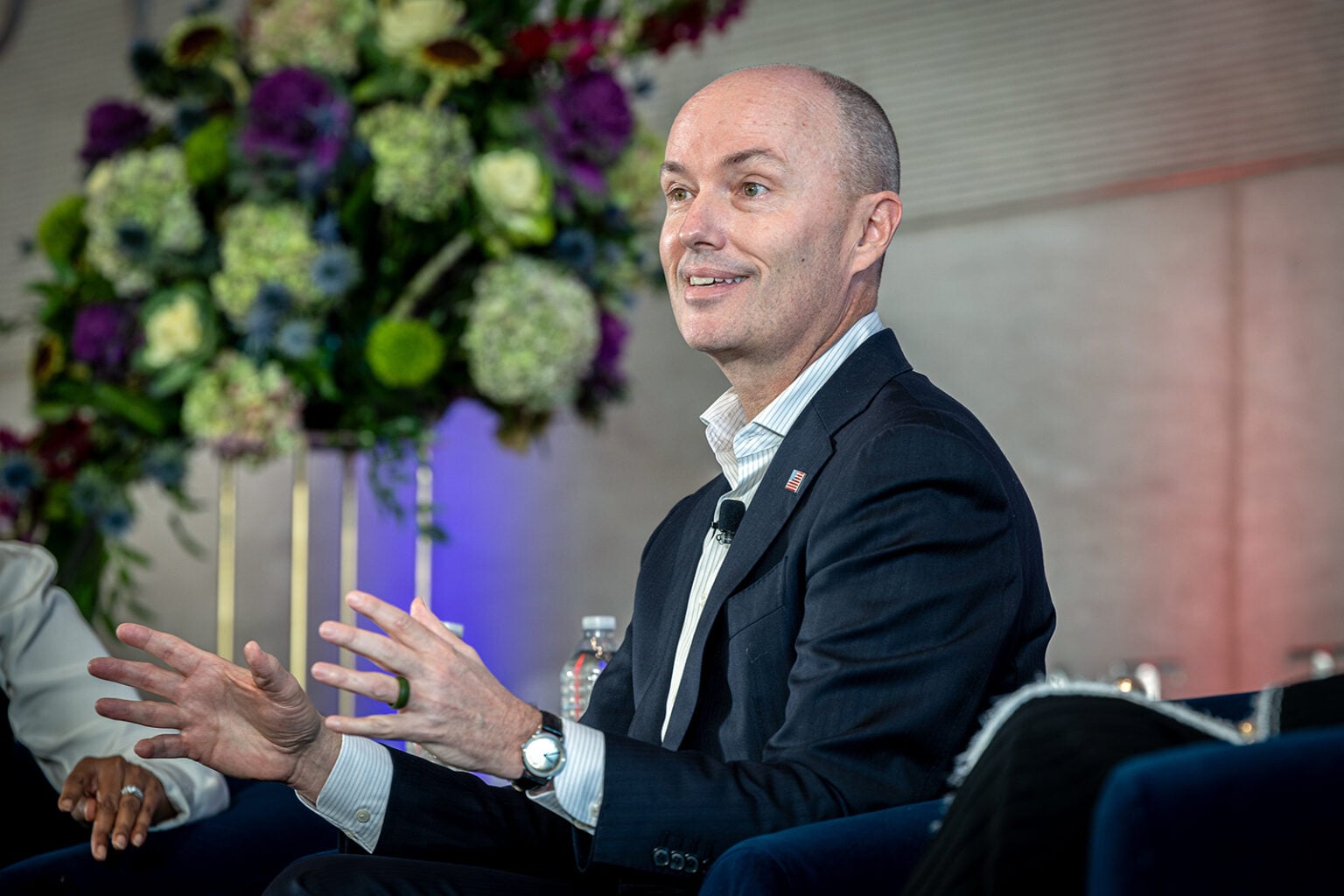
“I disagree on things with my legislators. But the Constitution is the framework that [the founders] gave us to solve our problems together… You have to form coalitions to get things done in this country.” — Spencer Cox, Governor of Utah
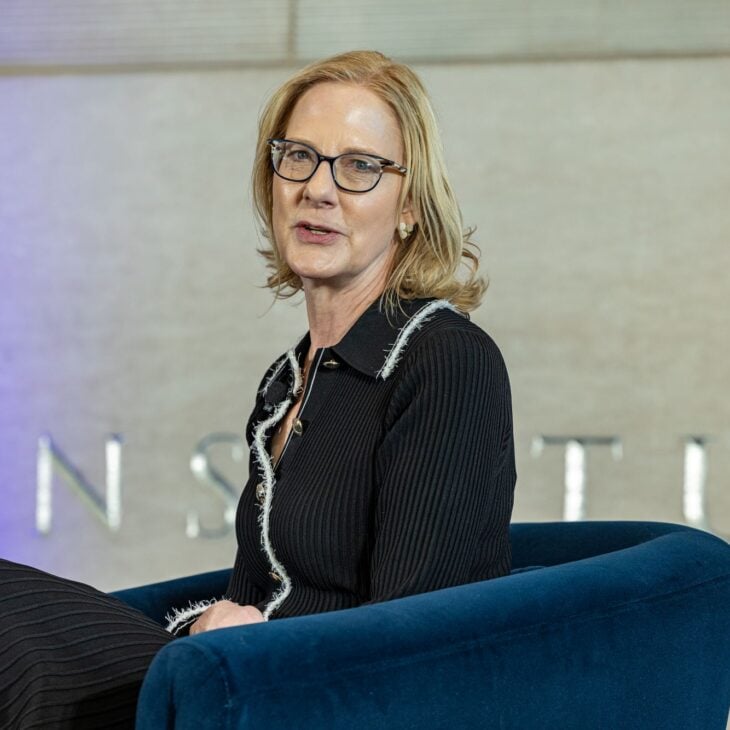
“We all need to learn how to be leaders, and we all need to learn how to be part of a loyal opposition, not just an opposition. And so, the habits of citizenship that are taught in a system like ours are incredibly important.” — Heather Gerkin, President of the Ford Foundation
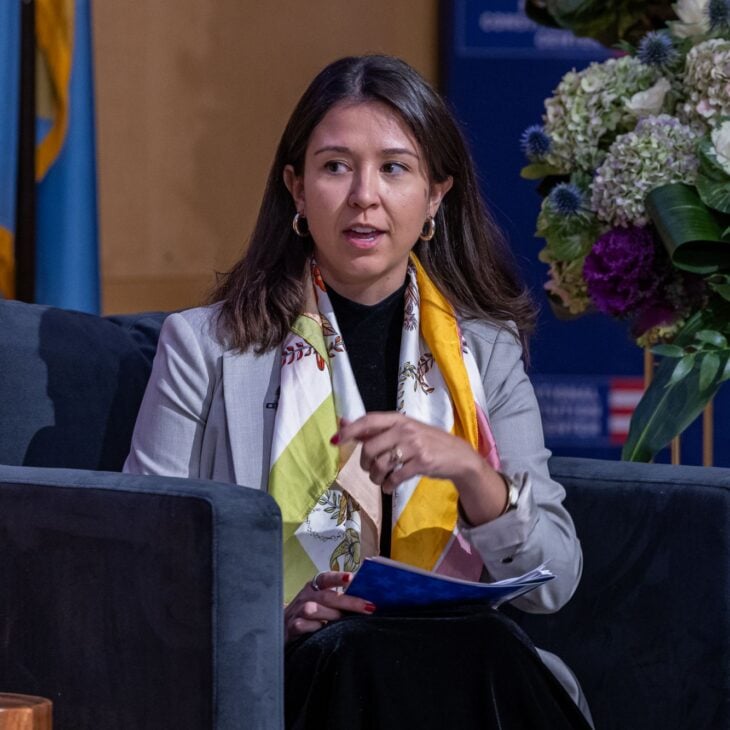
“This work isn’t the responsibility of any one person, nor should it be. There are moments when we can step in and be active and also know when we need to take a break.” — Anna del Castillo, Co-Founder, Our Own Deep Wells
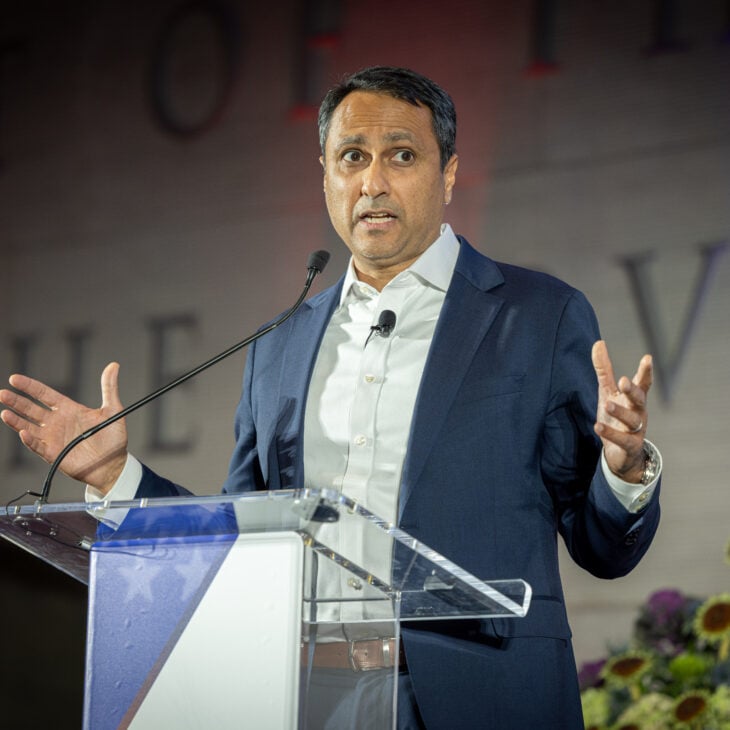
“It is a sacred thing to widen the welcome and strengthen bonds to cooperate with people whose doctrine we do not agree with, to support identities you do not share. It is a sacred thing to build the cathedrals of the world.” — Eboo Patel, President & Founder, Interfaith America
- Resource
- Resource
Rachel Crowe
Rachel Crowe, Staff Writer for IA Today, tells compelling stories about interfaith cooperation across diverse communities and supports our narrative programming. She is a graduate of Gettysburg College where she earned a BA in English with a Writing Concentration and a German Studies minor.