Political and faith-based violence threatens all of us and our shared democratic life. Working to strengthen our collective security and prevent the hateful rhetoric that leads to violence provides an opportunity for communities of faith and conscience to come together and build bridges.
The attack on a synagogue in Michigan last week was horrific and reminds us of the dangers of antisemitism. This event was not abstract to me: my friend and former colleague Sarah Milgrim was murdered in an antisemitic attack last spring.
At the same time, the Iran war is fanning the flames of Islamophobia in America, as Interfaith America founder and president Eboo Patel wrote. An anti-Islam protest in NY was attacked with explosive devices. New York City mayor Zohran Mamdani said, “While I found this protest appalling, I will not waver in my belief that it should be allowed to happen.”
Protest and free speech are legally protected in America. But legal protection has little meaning if we don’t live out our ideals, or fan the flames of hatred and violence.
A few months ago, there was another attack on a faith community in Michigan, at a Church of Jesus Christ Latter Day Saints (LDS). My colleague Scott Rasmussen, an LDS church member, wrote, “The American democratic experiment has shown us – and Sunday’s attack in Michigan made it clear again – Constitutional frameworks and legal protections are necessary but not sufficient for fully realizing the core freedoms for all Americans. Ultimately, those freedoms are realized in how we treat and engage with each other – especially those who see the world differently than we do.”
Building bridges and pluralism across difference is the way to bring life to the concepts of religious liberty and legal protection. This is our holy work, and we need everyone on board. Even and especially those we disagree with. None of us are safe unless all of us are safe. None of us are free unless all of us are free.

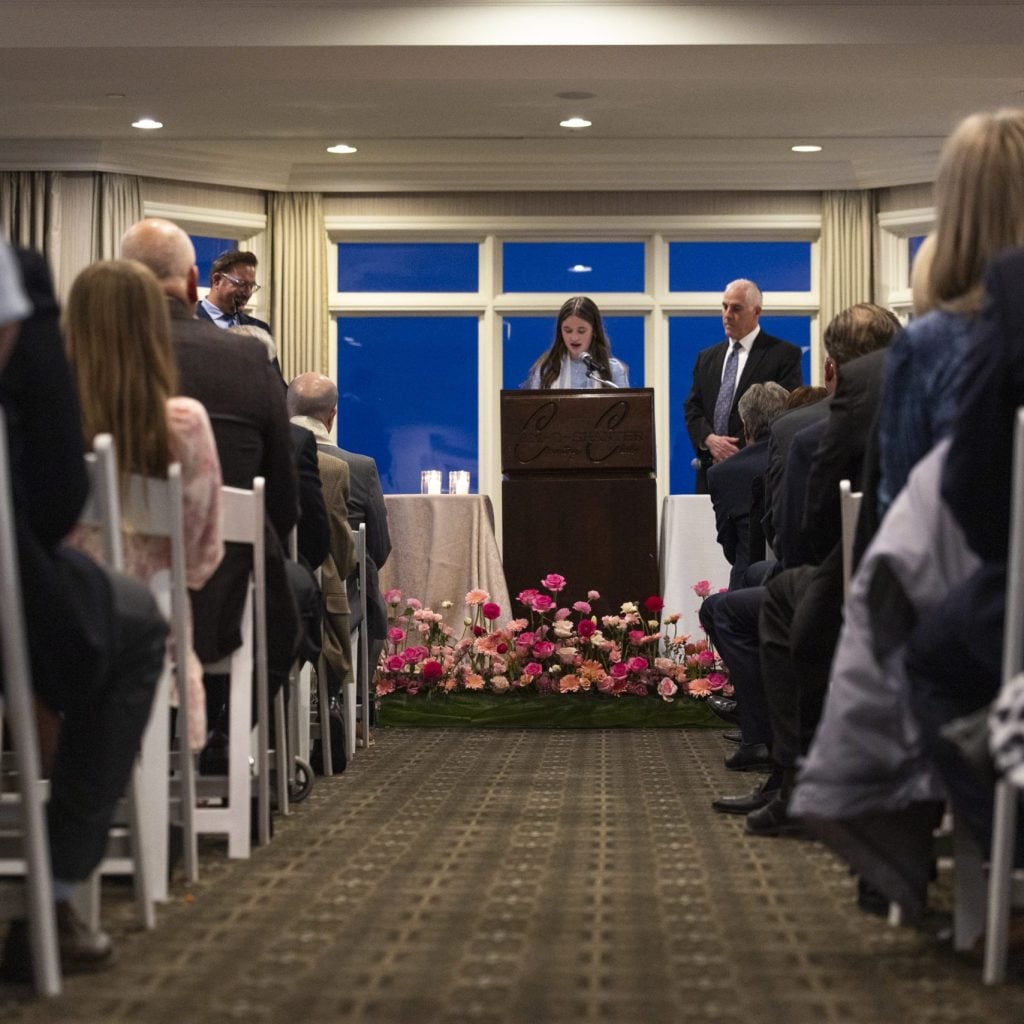
After Sarah was murdered, I received and witnessed an outpouring of love and support from diverse people. Sarah and I worked together in an Israeli-Palestinian peacebuilding program, Tech2Peace. I stood in the synagogue parking lot after her funeral and joined a Zoom call where 30 Palestinians and Israelis from our program were remembering her and sharing their love. During both times of tragedy and times of joy, like holiday celebrations, the messages I receive from folks with different identities than mine feel even more meaningful and important. Sarah’s passing provided an impetus and opportunity for this group to reconvene, and the process of remembering her together made our bonds stronger.
I visited Sarah’s family in Kansas City again this summer. I’ve become close to her parents. We met with the head of the local Jewish Federation. Since a 2014 antisemitic attack in Kansas City that killed three, the Federation has invested millions in communal defense and devised new strategies and approaches for preventing violence.
The Federation head shared with me that, after the LDS church attack, LDS leaders have been meeting with Jewish leaders to learn from their efforts to protect their community.
It is an unfortunate reason for meeting, but nevertheless working together to guarantee their mutual safety has brought these communities together and made them both stronger. I believe that all of America’s communities of faith and conscience should be coming together to find collective security, for example by creating new legal and security protections for all houses of worship.
But more than that, our communities can come together across differences to lower the national heat, build bridges, humanize each other, and prevent the harmful rhetoric that leads to violence in the first place.