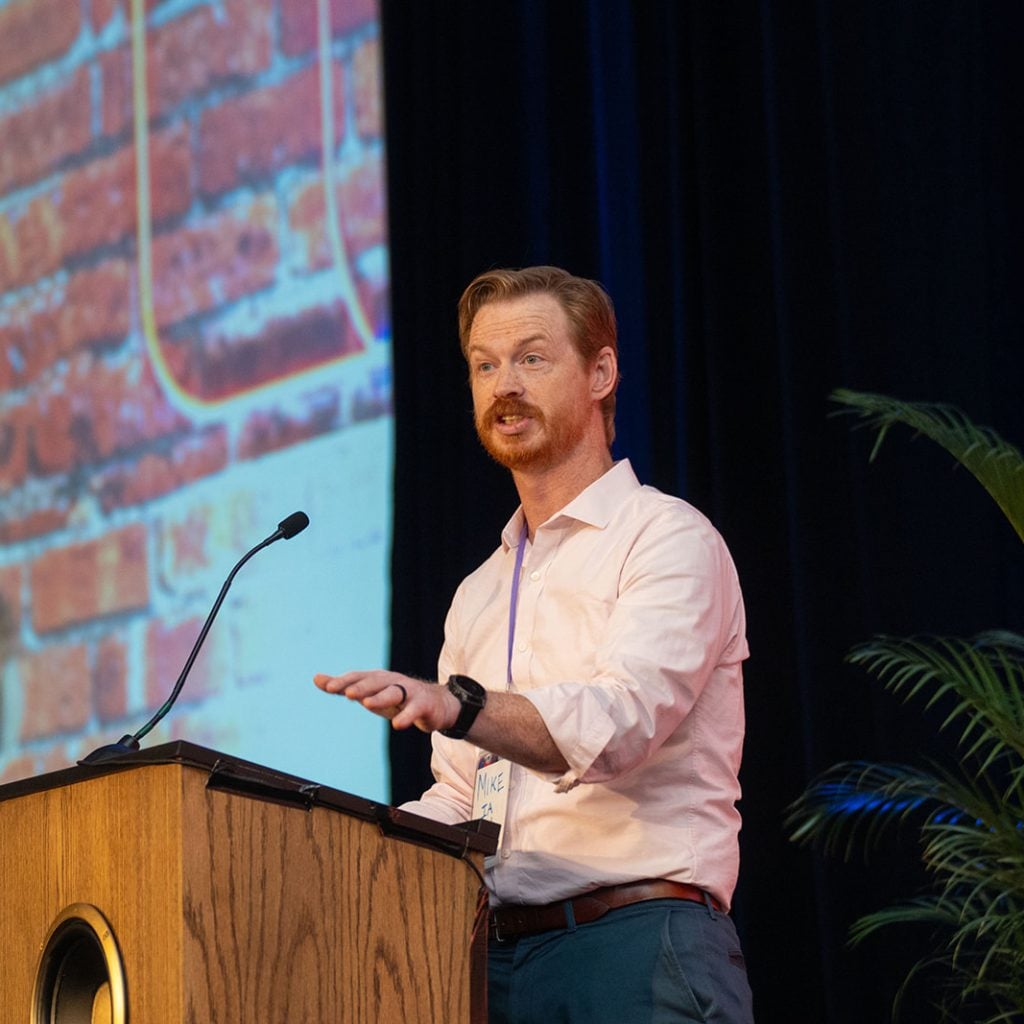
Mike Whitenton, Director of Academic Initiatives at Interfaith America, was on a recent episode of the “Dead Ideas in Teaching and Learning” podcast from the Columbia University Center for Teaching and Learning. He shares with host and Interfaith America grantee Amanda Irvin how higher ed educators can practically teach interfaith engagement in the classroom with resources and how students can be prepared to connect with people that they perceive to be different from them.
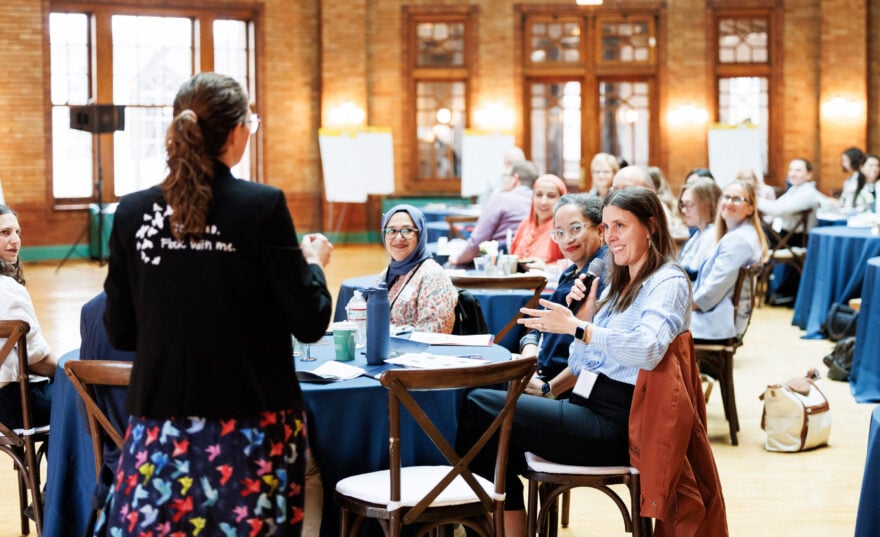
He says, “With pluralism, the outcome we’re working toward is a campus where all students feel like they belong, not because differences are being erased or censored or self-censored, but because they’re actively engaged constructively. Imagine a classroom where students from every background, religious, nonreligious, across political and social spectrums, develop real respect, authentic relationships and collaborative partnerships as they navigate course material. All of this needs to be relevant to the course material.
“And when we do this well, it contributes to something bigger. We get increased understanding, decreased prejudice, shared narratives that hold a diverse society together, continuity of identity communities without isolation, bridges of social capital to solve problems and strengthen civic cohesion. Pluralism is not about ignoring differences at all. It’s about connecting through them and building civic goods that make democracy work.”
Listen to the episode to learn:
- What pluralism means in practice and how it intersects with research on inclusivity
- What pluralism looks like in the classroom
- How pluralism makes room for students to bring their whole selves to the classroom, including their worldview, religious identity, and political identity.