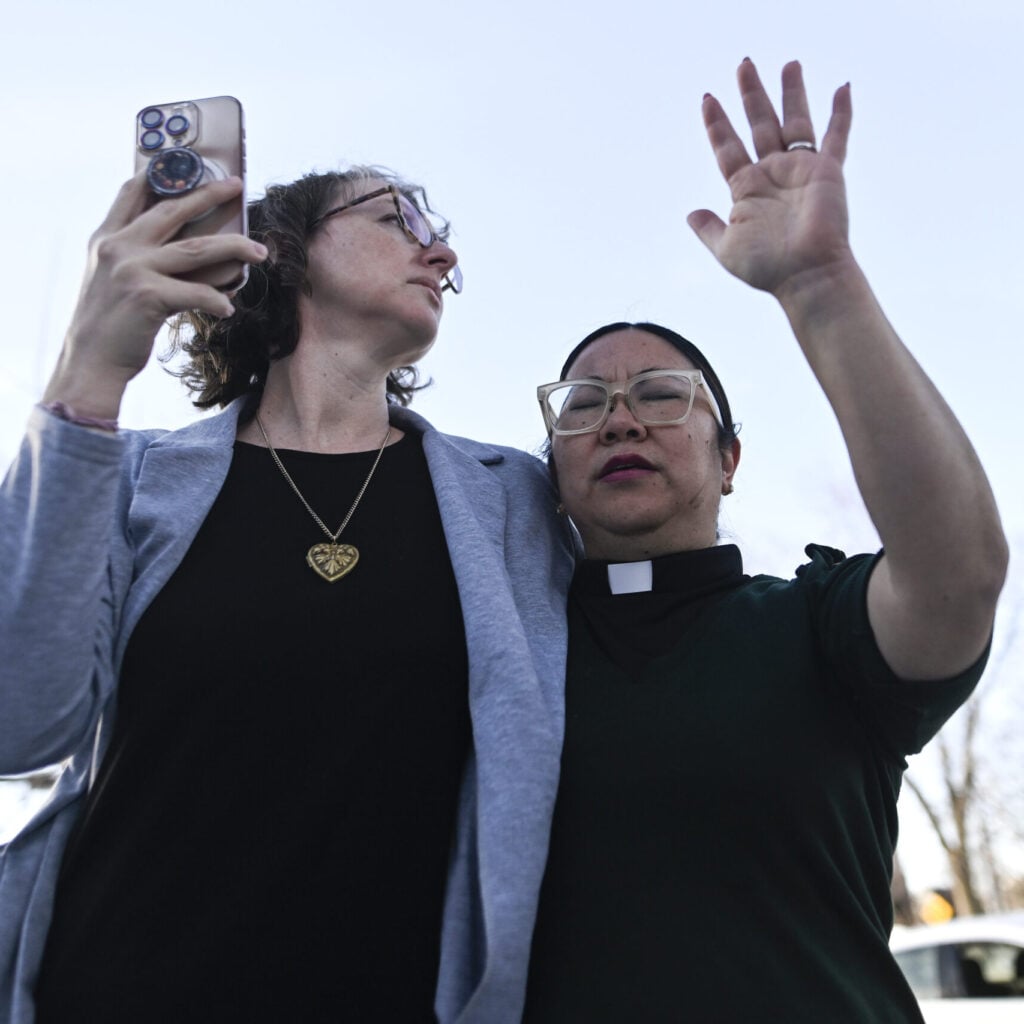
This past winter, Operation Metro Surge — the federal immigration enforcement operation that targeted communities in Minnesota — deepened and complicated community needs in the Twin Cities, disrupting the patterns of life with a tenor of fear.
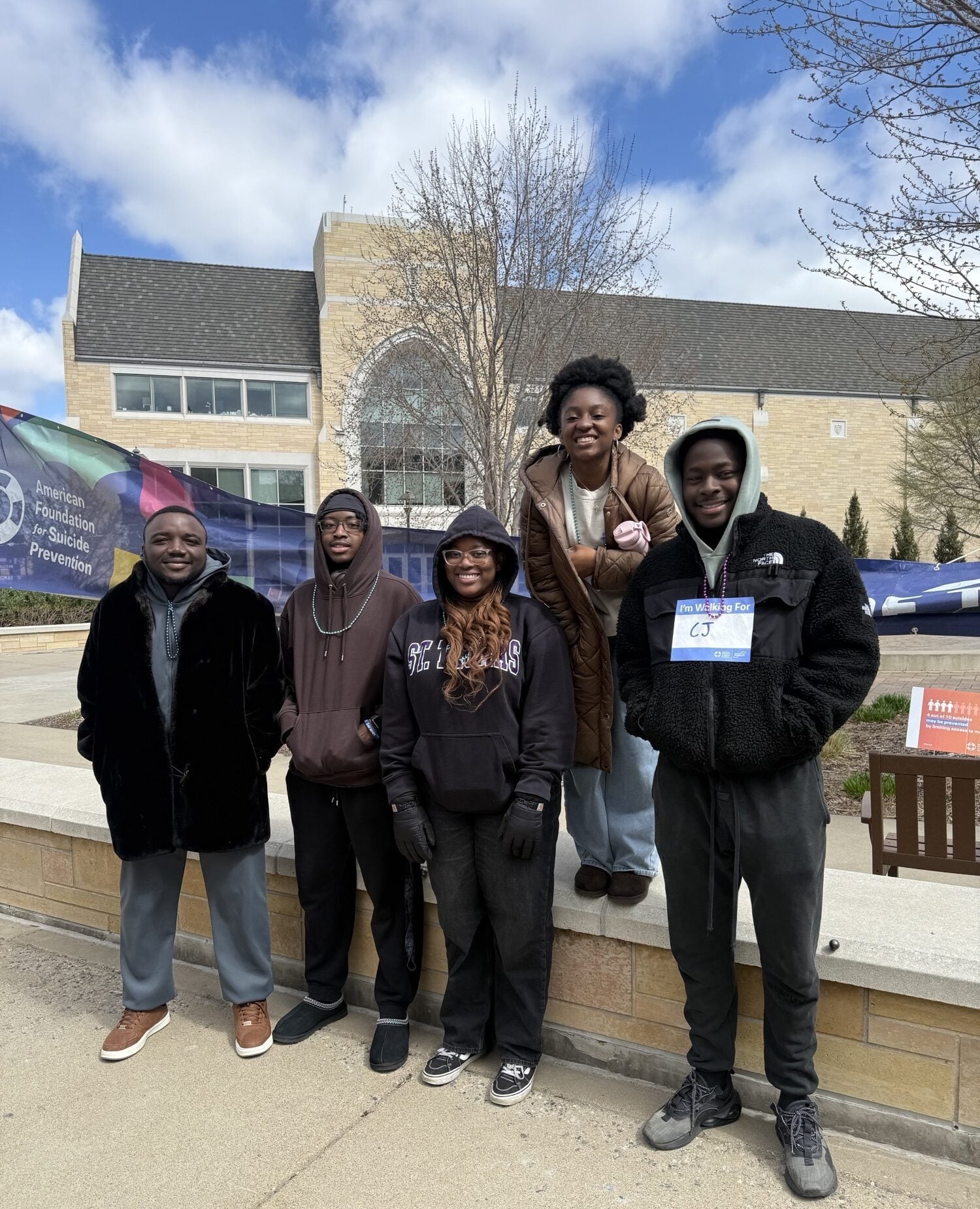
Shocking events in schools, businesses, and on the streets of their community, “amplified” nonprofit leaders’ instinct to ask, as director of the University YMCA Patti Neiman put it, “where’s the gap or the unmet need?”
Earlier this year, Interfaith America invested $100,000 in the community care efforts of 16Twin Cities partner organizations. In the months since ICE’s occupation of the Twin Cities, IA connected with leaders at three of these organizations and institutions, who have offered support and love in the face of division and suffering. Leaders shared how they have — with the support of IA and networks, relationships, and wisdom cultivated over years of community-building — striven to create safety amid uncertainty.
The University YMCA at the University of Minnesota
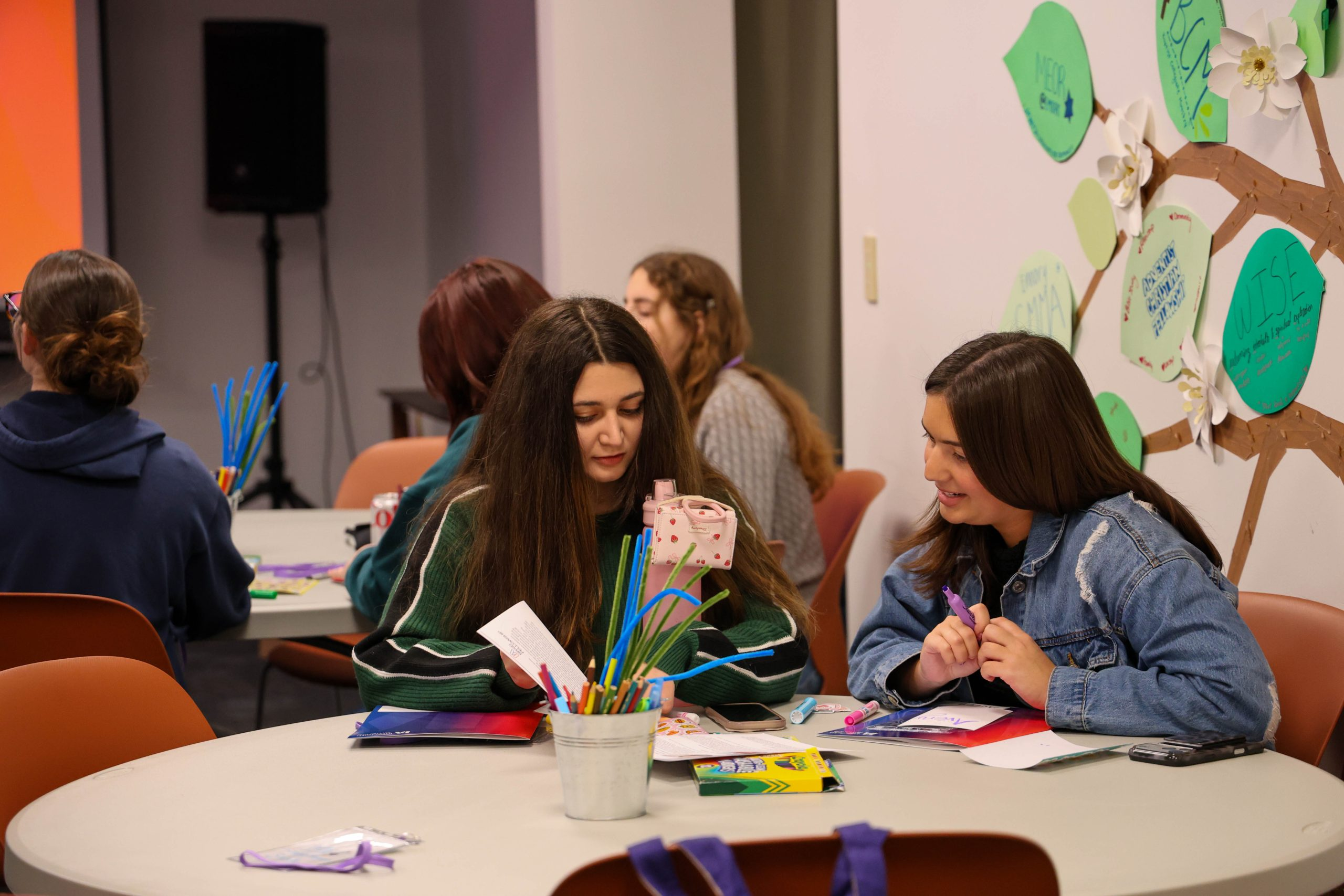
The University YMCA helps U of MN college students build life skills while mentoring Twin Cities youth through social emotional learning, classrooms, after-school care, and early childhood learning programming.
Operation Metro Surge impacted both mentors and classroom youth of the University Y, many of whom could not leave their homes. In response, University Y Director Patti Neiman led with the same spirit of adaptability that has underpinned her work throughout 17 years of service to the Y.
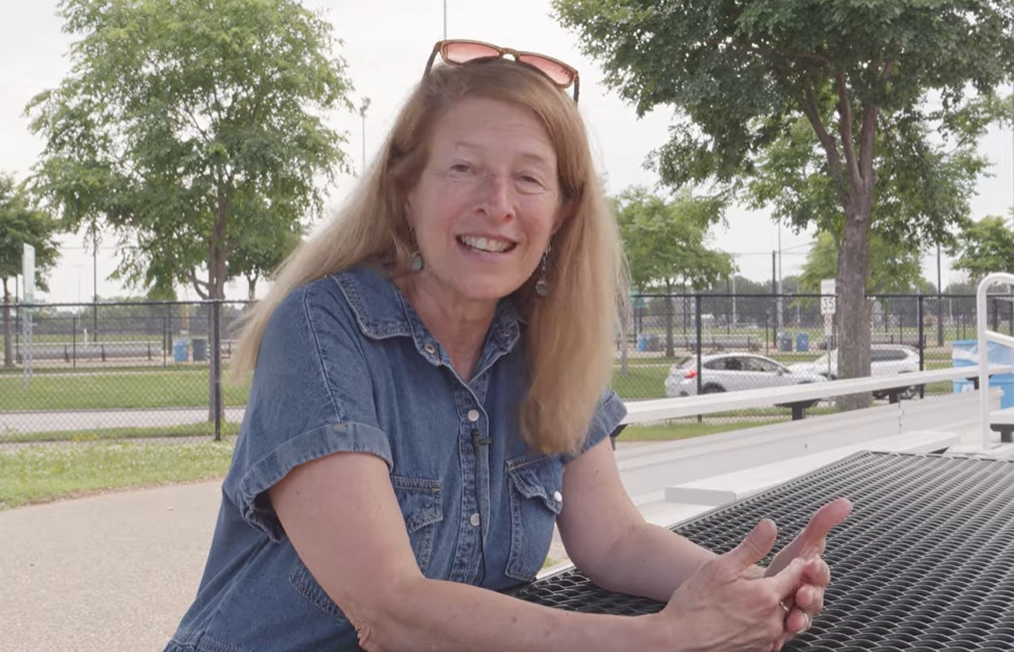
“Part of me was like, how do we create any sense of normalcy right now during a time that is … just surreal?” she said, describing how prioritizing safety came with overnight programming and communication shifts. This included establishing virtual classrooms, using a non-traceable messaging app to communicate with students, and ensuring that students wore YMCA t-shirts and nametags, so they were easily identifiable as employees or volunteers.
For Neiman, the students’ resilience was a key takeaway of the challenging spring semester: “they’re the ones that inspire me to keep going.”
She’s grateful for the community of students from all different backgrounds at the Y and for rapid response support from IA, used to safely get students to and from partner schools, as the price of gas unexpectedly doubled this year.
“You don’t do any of this alone,” she said.
Bethel University and the Oromo Community of Minnesota
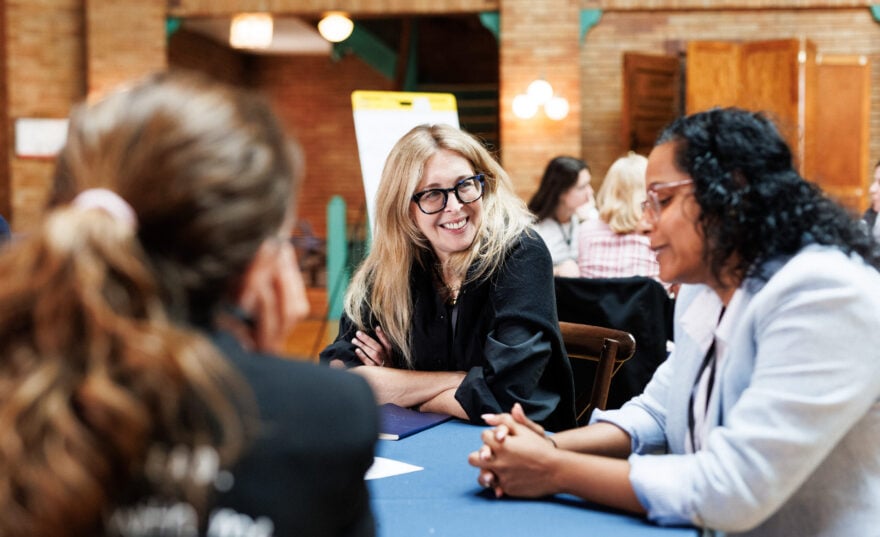
In partnership with an established community collaborator, the Oromo Community of Minnesota in Saint Paul, Bethel’s justice-informed social work program sponsored an interfaith community meal in May.
The Oromo community is comprised of Orthodox Christian, Muslim, and other Christian neighbors. This winter and spring, many neighbors were targets of ICE activity, and gathering for large events was deemed unsafe.
ICE’s presence precluded the organization’s annual Christmas and Ramadan Community Iftar gatherings, which typically bring together members of the Oromo community across lines of religious difference. The May gathering was, “not only a make-up meal, but a meal that could be one of healing as well,” said organizer Nick Zeimet, Director of Practicum Education at Bethel’s social work program.
Catered by a local restaurant, the community event was both an opportunity for neighbors to join in healing, and a means to support an immigrant-owned business recuperating from a season of uncertainty. “It wasn’t just the community members who were receiving [this meal],” said Bethel MSW program director Eydie Dyke Shupulski. “The business owners who were also impacted.”
Community outreach coordinator of the Oromo Community of Minnesota, Fayine Wako, described the energy of the event, which included moments of reunification after months apart.
“During the ICE time, our community had a really hard time … coming together was like breathing out for them,” she said.
Zeimet reflected on the challenges of the past several months and the joy and healing that community action can bring. “Despite 4000 agents … despite the overwhelming show of force and power and hateful rhetoric,” he said, “love seems to have the longer reach.”
The Minnesota Council of Churches
Accredited and federally recognized, The Minnesota Council of Churches (MCC) offers free legal services for refugees, asylum seekers, and immigrant communities in Minnesota. This ecumenical ministry provides immigrants and refugees of all faiths and backgrounds with support in many forms, including application and paperwork assistance and citizenship and green card guidance.
“The impacts of Operation Metro Surge and Operation PARRIS were felt deeply by MCC’s clients and staff as it directly impacted our work,” director of refugee and immigrant services Kathleen Motzenbecker told Interfaith America. “Scores of MCC clients were detained by ICE and our team quickly activated a network of support that included connecting clients to legal representation and delivering basic supplies such as groceries.”
Motzenbecker wishes the community will continue to recognize that this winter was a frightening time for many of MCC’s clients and that this fear persists for immigrant communities.
As she reflects on the challenges of these months, she finds hope in “the faith and resilience of refugees.”
Rachel Crowe
Rachel Crowe, Staff Writer for IA Today, tells compelling stories about interfaith cooperation across diverse communities and supports our narrative programming. She is a graduate of Gettysburg College where she earned a BA in English with a Writing Concentration and a German Studies minor.

- Religion News Service