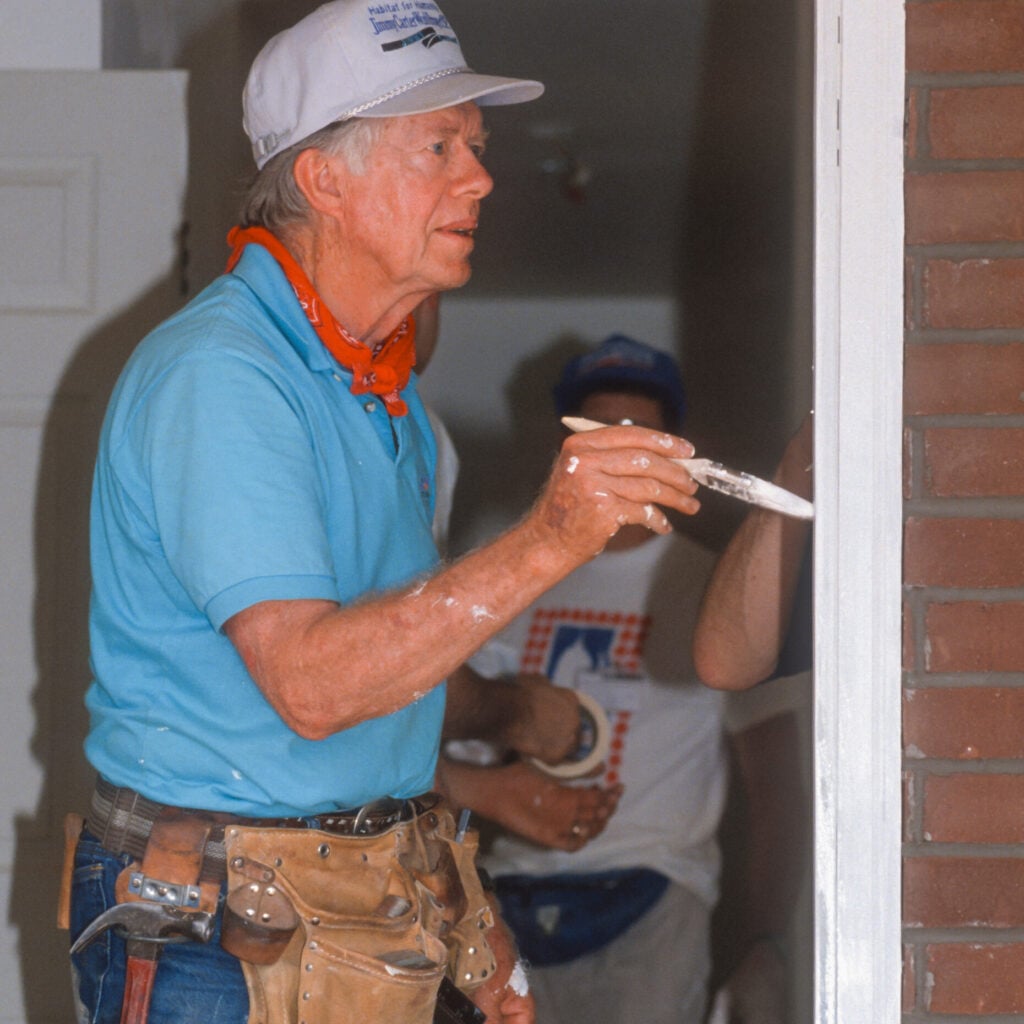
Jimmy Carter left the White House in 1981 having lost a reelection bid by a wide margin. What he did next is the part of his story that matters most.
Rather than retreat into the comfort of legacy, Carter looked around and asked a question that would define the next four decades of his life: With the resources available to me, how can I best be of service right now?
His answer? Election monitoring in emerging democracies. Eradicating Guinea worm disease. Mediating conflicts the world had written off. Building houses into his 90s. The answer kept changing, and so did he. What never changed was his belief that ordinary people, across every difference, deserved the conditions to live with dignity. And that building those conditions was everyone’s responsibility.
That commitment to the sanctity of human life is what makes him a pluralism hero.
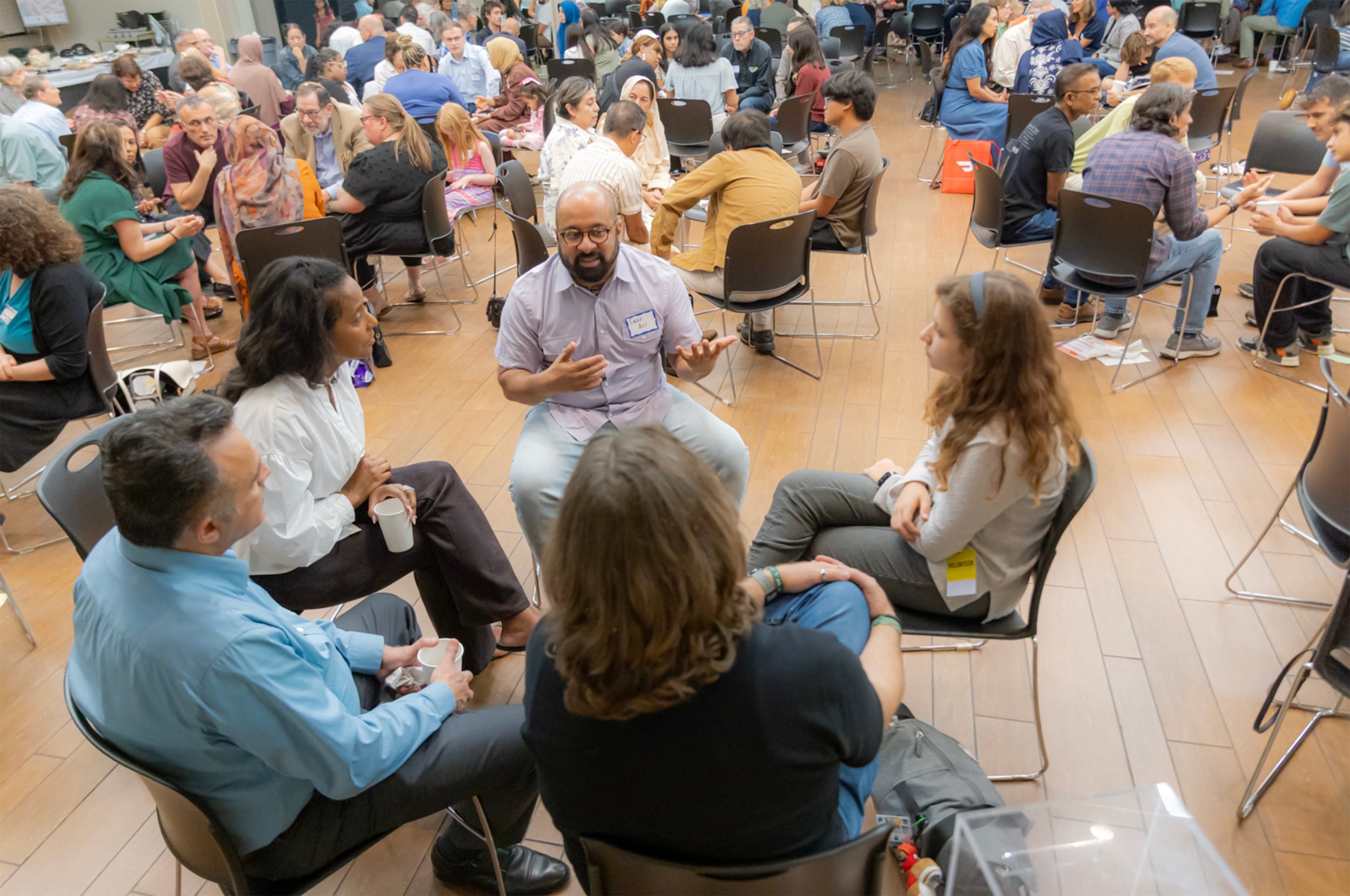
Earlier this year, I traveled to Belfast as part of a delegation convened by The Carter Center, studying Northern Ireland’s Troubles as a lens for preventing political violence in the United States. Sitting with journalists, restorative justice practitioners and survivors, I experienced firsthand what it looks like when an institution shows up where the work is.
Carter built an institution not with a fixed agenda, but with a fixed commitment: to wield resources in service of bridging divides wherever those divides are most dangerous. As The Carter Center now turns its attention toward domestic democracy and political violence here at home, it is doing exactly what its founder modeled: looking around, assessing what is needed, and showing up.
Pluralism can and must be agile. Jimmy Carter built an institution that proves it’s possible.
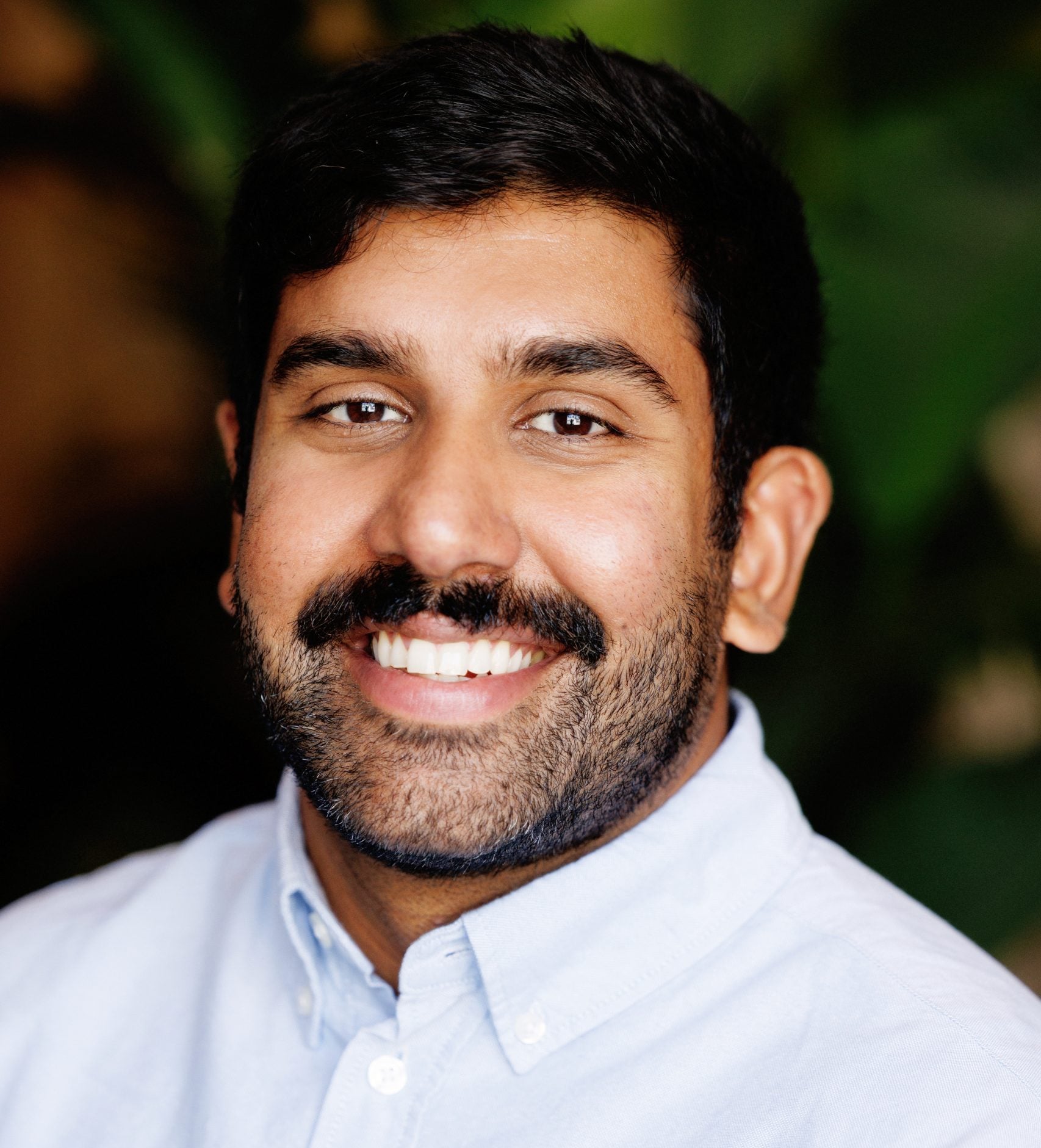
Ali Khaleel
Ali Khaleel, Assistant Director of the Emerging Leaders Network, brings over a decade of experience in education, leadership development, and civic engagement.