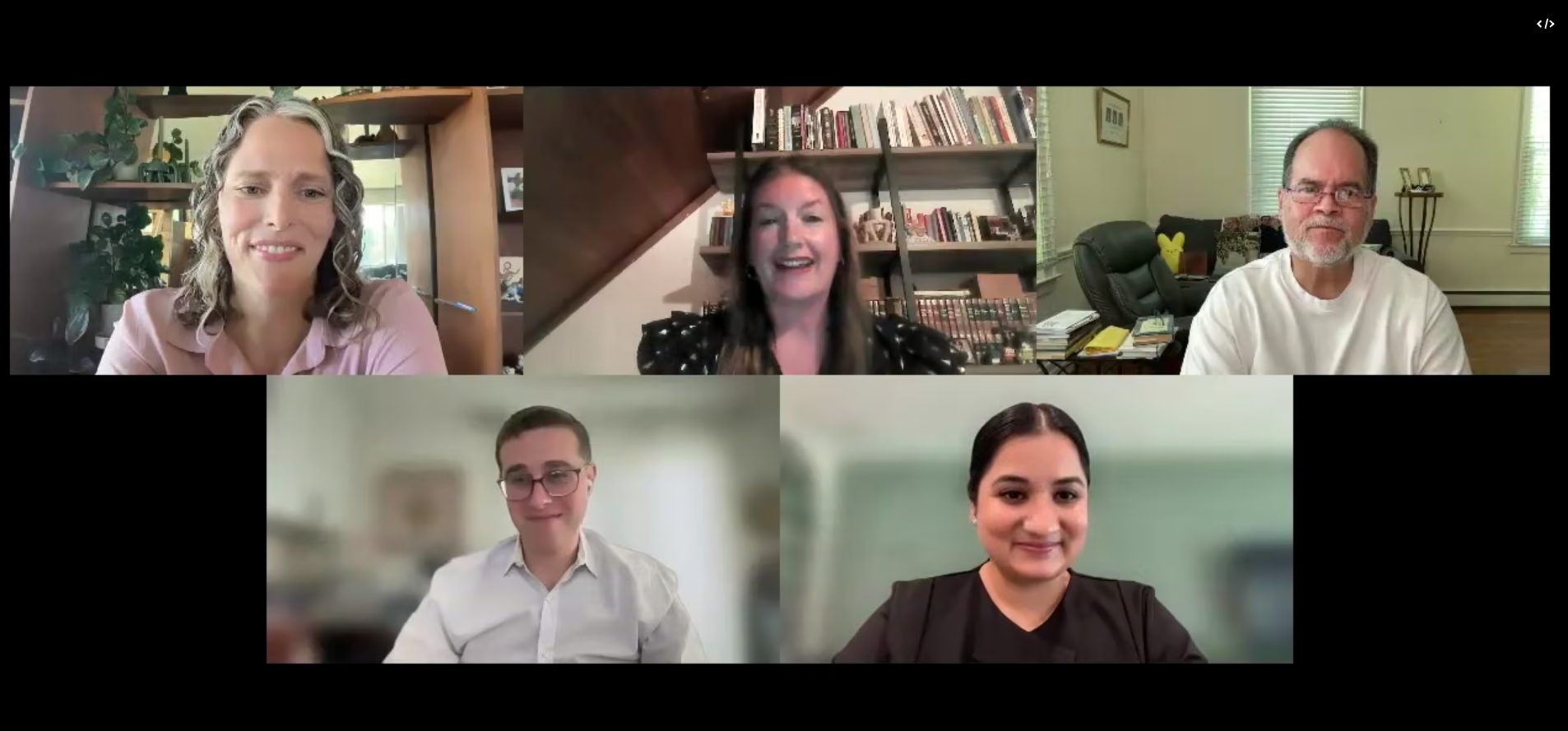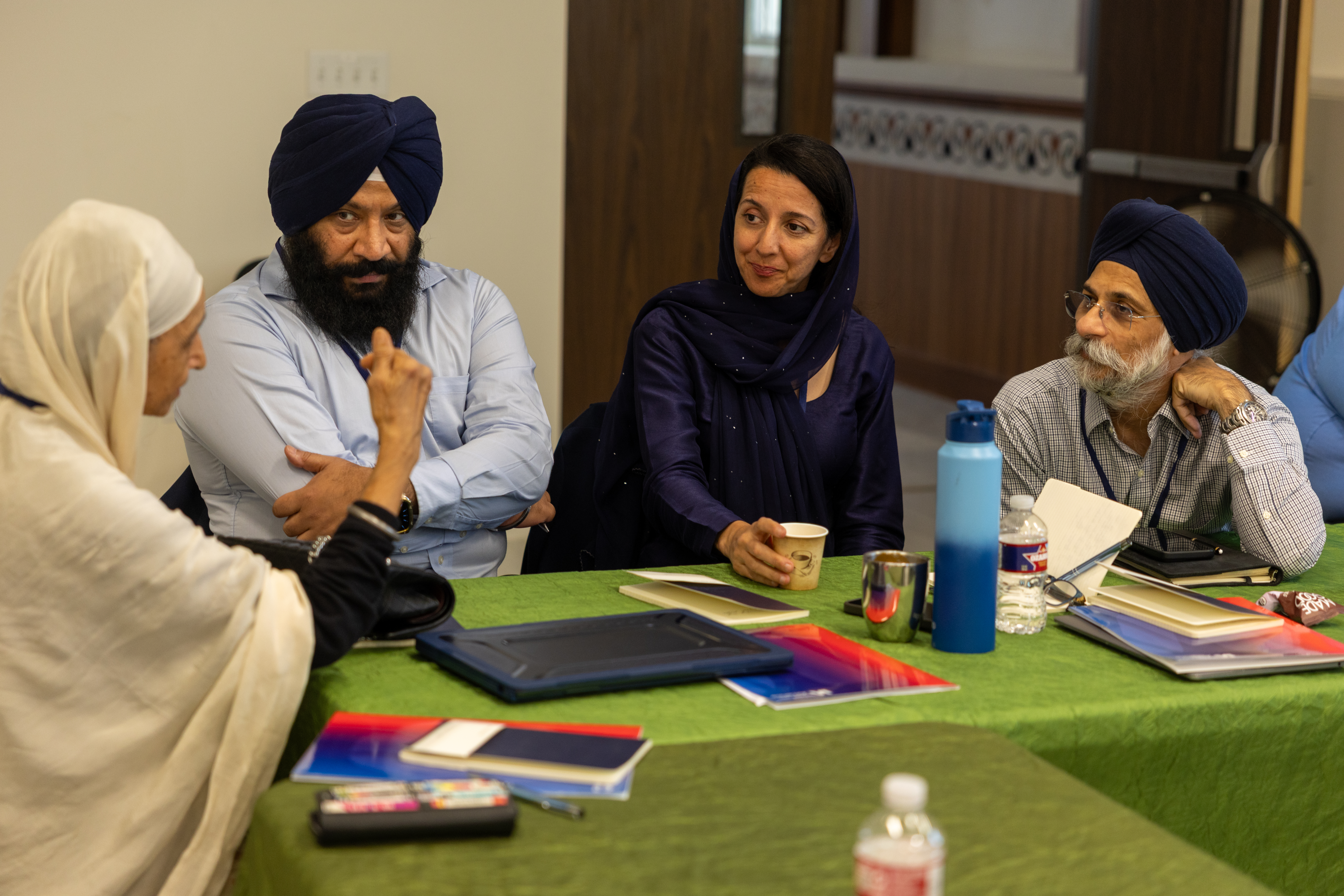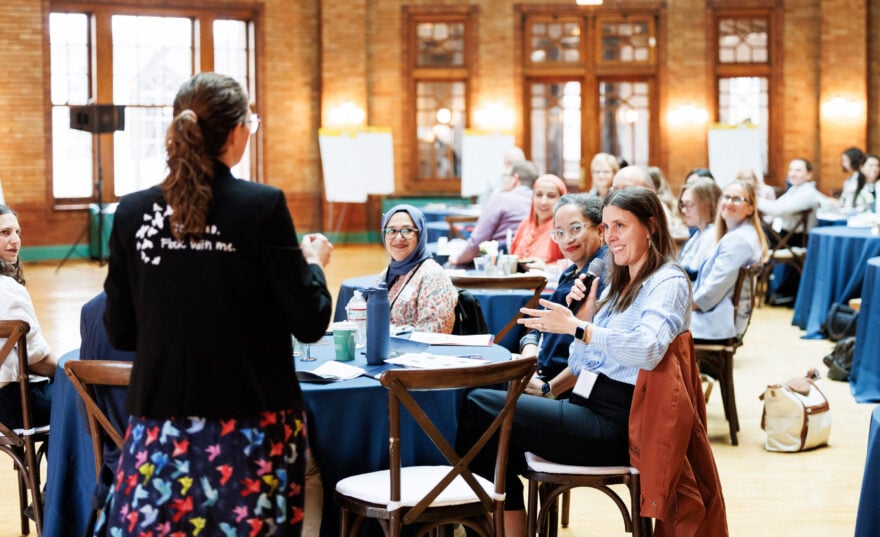
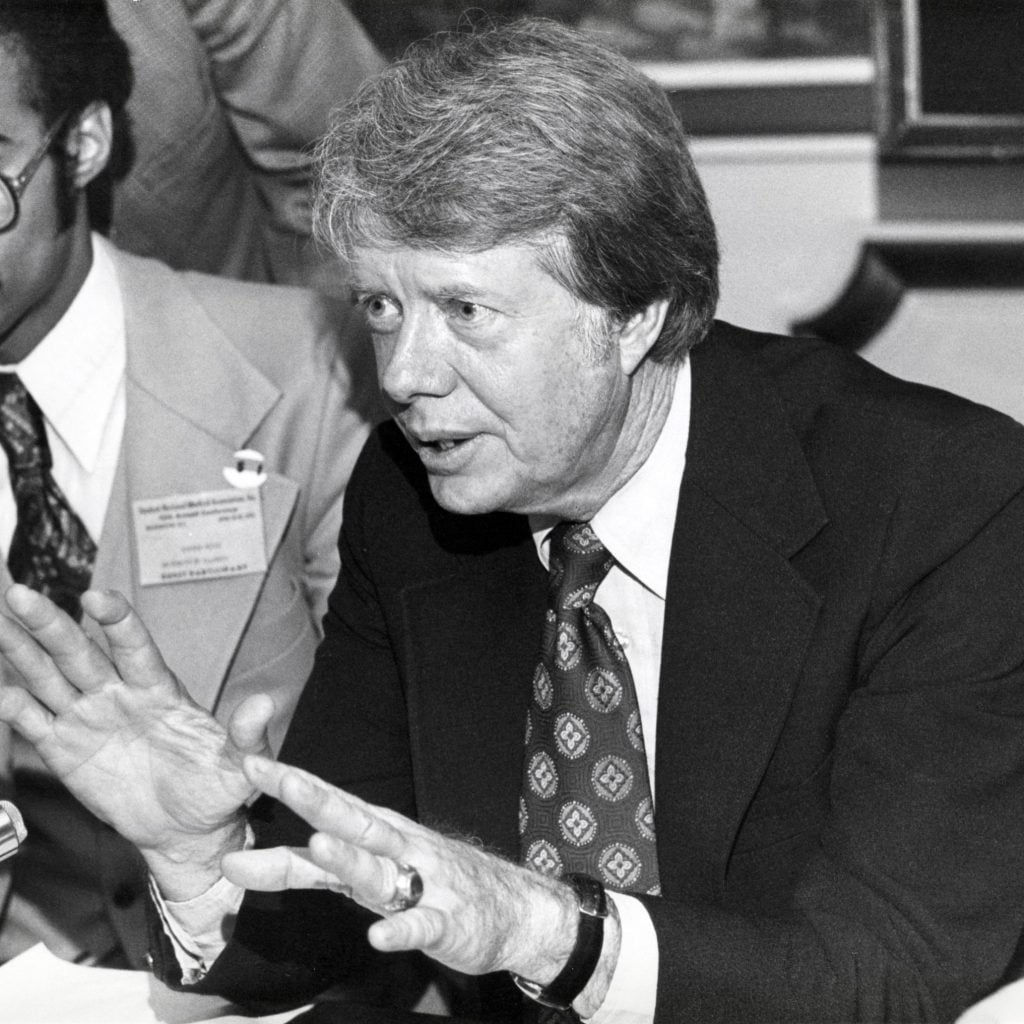
January 9th the nation paused to honor in worship and speech the 39th President of the United States, a deacon and long-term student of how faith makes science real at personal, family, neighborhood and global scale. So, it was not ironic, but iconic, that immediately following the service a group of Interfaith America Fellows met to put in motion a three-year Interfaith project that all faiths knew had been under development for three millennia. I was one of thousands whose life was shaped by Carter, working at his Center for 10 years developing its Interfaith Health Program and gladly part of this new phase he would have liked.
The modern academic movement of Faith and Health goes back to Alma Ata in 1978, which was deeply influenced by religious scholar/practitioners of the Christian Medical Commission, and fundamentally helped shape the World Health Organization’s commitment to “Health for All.”
The intellectual movement goes back centuries further, of course, with most of the early work of science by Islamic and Jewish physicians, Aristotle and the librarians at Alexandria.
The question of how faith and science help each other into the lives of… all, remains the ultimate question worth study.
Although Jews, Muslims and Christians laid the intellectual basis for modern healthcare centuries before it was technically possible to do too much, the 20th century movement has been dominated by the intense focus of figuring out how to project health from the islands of hospitals. Since most of those were owned by Christians, the broad movement was usually skewed in that direction.
The field has always been crippled in two ways—by the dominance of hospital perspectives and by the linked dominance of Christian perspectives. Both of these are somewhat accidental, but disorienting, nonetheless.
The COVID experience of mobilizing hundreds of community-focused multi-faith teams gave Interfaith America the current credibility to convene dozens of universities, faith-based and secular to go much deeper into creating curricula to serve the appetite of students, faculty and policy leaders.
This is new; entirely new, especially the interfaith focus.
Faith and health scholarship has rarely been simply twinning of binary intellectual opposites, faith on that side of the library and scientists on the other.
There are entire libraries of each, of the many faiths and fluid complexity within each. And just as many varieties among the many health sciences, also with equally great fluid complexity.
Many accomplished scholars live and write on both sides of this false divide, and especially in public health.
It could not have been more appropriate for the initial gathering of John Templeton Fellows to be within minutes of the celebration of the 100 year life of President and Deacon James Carter, whose post-presidency began with a convening “Closing the Gaps” directly linked to the same people who convened at Alma Ata a decade earlier, except with a slightly different question: Carter, the engineer, wanted to know how much of the current burden of premature death was preventable based on what we already knew.
The current Interfaith America project is an interesting project on its own and it also stands as a landmark on a long road that suggests the world needs far more from us. The times have delivered unto us a remarkable convergence of gifted yet humbly spirited people who have already honed their lives around the intersection of science and faith, but it is not remotely enough to just bring faith or science to the table.
President Carter would want to make sure we are engaging, “the most mature faith and most relevant science” so that we might make the choices that lead toward life.
This is still a young moment, now nearly entirely untethered to the last scraps and lingering conceits of “Christendom” and no longer dominated intellectually by the challenges of their hospitals. And we must be honest that we begin at a time when the language of every faith and science struggles for credibility amid withering cynical efforts to defeat the very idea of truth or trust.
For all the centuries of intellectual tradition to draw on, we must begin at an almost childishly primitive place of testing our most basic words.
Margret Wheatley is a long-time business writer whose book “Leadership and the New Science” shifted the whole field of business writing in the (last) century as she engaged complexity theory into the practice of leadership. She remains a curious and bold thinker with guidance for the global hopes of Faith and Health.
She urges us—especially working in educational institutions—to focus on creating “islands of sanity.” These islands (think a single high school or college, maybe a church) rise amid a storm of insanity. How do you create an island? Through the intentional weaving of groups of people with webs of trust, respect, honesty and shared values about the good of the whole world.
I would love to live on an island of sanity. But what if our project could hope for more? Can we build an archipelago of sanity? Something more like Indonesia rather than St. Helena Island where they banished Napoleon. What is the work of the Fellows encouraging navigation and free generous exchange among all the islands on the archipelago? We would acknowledge the treacherous sea filled with sharks and pirates. But life would have a good shot. I would like to have friends for deep dialogue on all of the islands of the Archipelago of sanity. Let’s do that.
I called this project “help is on the way!” But in which way? And where to? First, this archipelago already has stunning array of faculty, learners, researchers, seekers, teachers, prophets and preachers could help each other. But it would be tragic if we were satisfied to be in the same places intellectually, we were ten years ago and thought about the same things in the same way. We would waste the complexity of our dialogue inventing things that actually are already well known. I think we begin by acknowledging that some of the things in our movement that are “settled science.” This helps us not waste the time, mind and energy of the extraordinary faculty and students this grant allows us to engage. We can’t help each other do the organized discovery of the things that are not settled, if we don’t have a shared mind about what is.
We should teach the settled science as the foundation on which discovery can build.
Our archipegos of sanity will be filled with lively and useful organized pursuit of what is worth known now, one of many questions is:
How do different social structures of faith partner with health sciences in distinguishing credible scientific findings from those that are not credible? And then translating them into varied social setting with different norms for authority, doubt and continued uncertainty? I am thinking of how faith and health both accept that new things continue to emerge and need to be tested.
A last word from some writing that began at The Carter Center about Leading Causes of Life. The idea was almost inevitable after receiving so many phone calls from scientists at the CDC who had one idea after another about how the churches might help them; they nearly always argued for this or that project with data about the leading causes of death. The rhetorical blurt was unavoidable, “are their leading causes of life, too?” Yup, there are.
Their discovery started at The Carter Center, moved to the tough ground in Memphis and then pursued across dozens of countries and cultures through the Leading Causes of Life Initiative (leading-causes.com). Several of its Fellows are part of the JTF Fellows, so you can expect a life flavor to the pursuit of sanity.
A good many of those involved in the pursuit of the leading causes of life are, like Alma Ata, closing the gaps and the brand-new Interfaith America project, very practical—almost engineers like Carter. For what exactly are those causes useful? Dr. Jeff Levin wrote an encyclopedic review of faith health findings for the Annals of Epidemiology (2022, p. 26) arrived at the same place: “ …we still need to ask, how do we get from population data on the risk or protective efforts of various measures of religious identity and participation to real-world applications?”
They are assets, but for what? This question began at The Carter Center, too, which was later taken much deeper by the Africa Religious Health Assets Program coordinated out of the University of Cape Town. That research (“organized discovery”) started where the current IA does, with careful attention to word. When our students went to the villages asking how faith was connected to health, they were shocked to find their question made no sense as there was simply no word for faith that did not include health; and no way of talking about “health” that did include faith.
They are one thing, not two; settled.
Help is on the way! Help for each other at a treacherous time coming with transparent, honest language accountable to our own most mature faith and clarity about our most relevant science. Carter often asked, “Why not do our best?”
Rev. Dr. Gary Gunderson is Professor of Religion and the Health of the Public at Wake Forest University School of Divinity and School of Medicine.
Dr. Teresa Cutts is Academic Liaison of Hold.Health (formerly Stakeholder Health), formerly of the Wake Forest University School of Medicine.
They are co-editors of The Handbook on Religion and Health, Pathways Towards a Turbulent Future, Elgar Publishing, Dr. James Cochrane, Editor.