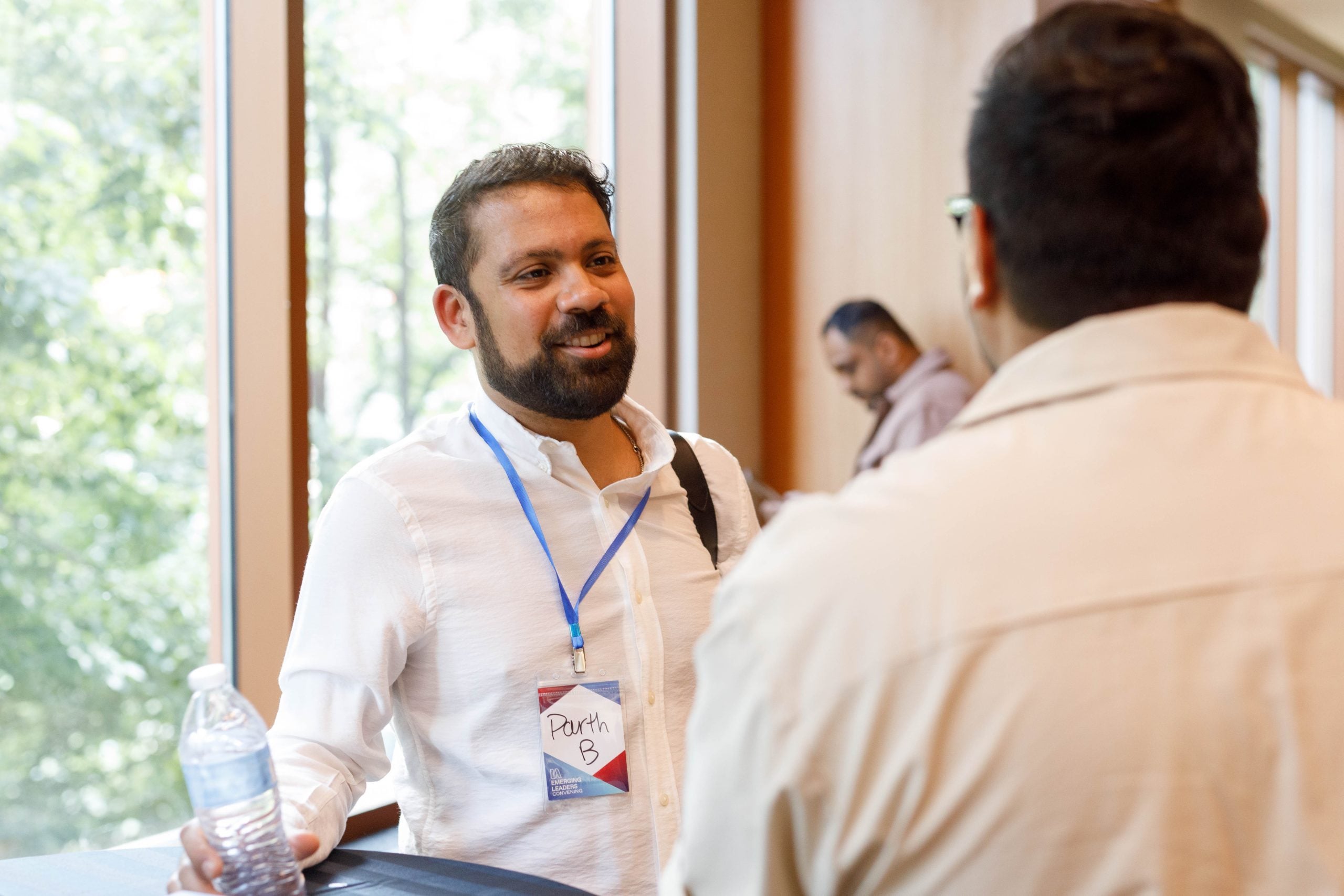

There was something familiar about the smile on Jacob Hess’ face.
Sitting in the front seat of his car, he also carried this charming disheveled-ness we all seem to embody, in some way, since the years of uncertainty from the pandemic.
Always in transition, as if we’re anticipating, often, what the heck is coming next.
On Hess, it looked like it was part of his rhythm— like he’s used to it.
Hess is a Political Reporter for Deseret News. An organization that’s been around longer than the New York Times, doing important work. Speaking with important voices, and religious perspectives in a state that’s predominantly, politically and historically conservative; to bring balance and revelation, in Utah.
No matter what side of the coin you’re on politically, indeed we, as Americans, are anticipating change in 2025. This presidential election brought surprising revelations from the way people campaigned, to the way they voted.
Vice President Kamala Harris forged her way to record money-raising-tactics with thousands of people, over several zooms, raising over one billion dollars in the shortest campaign in American history, 107 days.
Former President Donald Trump faced convictions on 34 felonies and survived two assassination attempts.
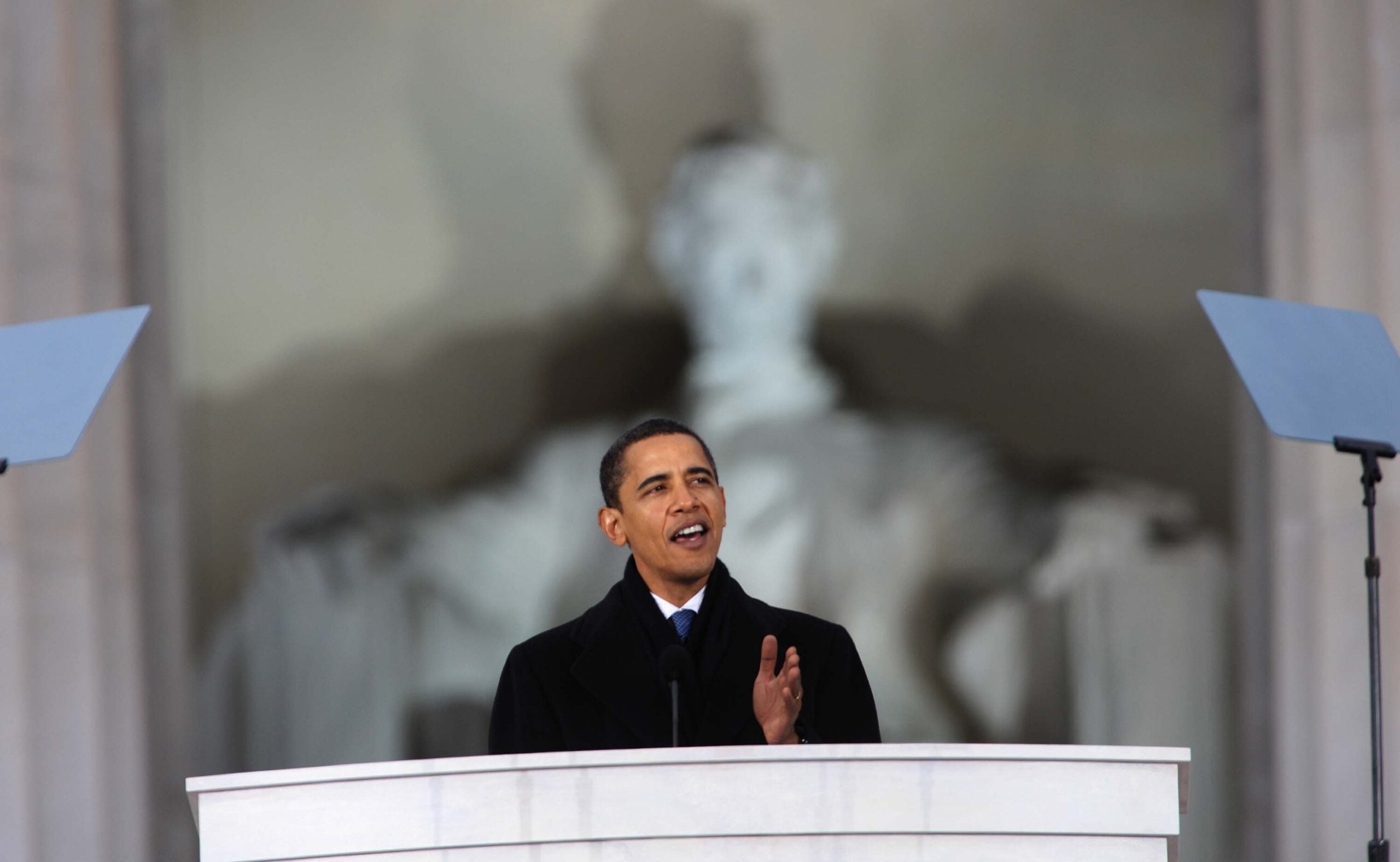
America spoke loud and clear. Donald Trump is the next President of the United States.
After the results, Hess wrote this article in Deseret News about America sharing empathy. There were a few moments in his reflections, throughout the article, that stood out — this was one of them:
“A friend in New York texted me that same morning, ‘I would appreciate your prayers for the safety of me and all other trans and gender nonconforming people over the coming years’… I don’t share this friend’s belief that his life will be personally threatened during Trump’s second presidency. But that’s not what matters here. Since I really care about this individual, the fact that he does feel this fear means something to me — making me want to somehow carry it in proxy”
That, is the start to a bridge.
Orchestrating this kind of sentiment takes emotional regulation, grace, consideration and more. So, for the people who haven’t quite made it to this space:
Where do you start the transition; what’s the first brick to building the bridge with someone who doesn’t share your beliefs?
As Hess sat pensively, with the sun beaming on his face, he answered to the space that happens, in between.
As Hess sat pensively, with the sun beaming on his face, he answered to the space that happens, in between.
In between the millions of Americans that believe President Elect Trump is a qualified leader, will raise tariffs for good, keep America economically solvent, or just believe that he’s standing up for the families in rural America.
To people who believe his unequivocal affiliation with groups like the Proud Boys exhibit hatred and racism. That his reversal on Roe vs. Wade and promise to impose strict abortions rights is an indicator of regress to progress, misogyny, or a hindrance on women’s rights.
Misinformation could be named a clear in between. A barrier that stands between truth and understanding.
Hess’ answer, was much more profound, though.
His forehead crinkled in intensity, as he leaned forward with a soft smile and said,
“Did you see the movie about Cruella Deville and Maleficent?
…what I’m getting at is, I think we’re quick to jump to the monster story, we love monsters it’s almost like they make us feel safe… ‘cause we’re on the right side; we’re on the righteous side and all the others are trying to destroy America. There is something that gives people creepy comfort about the monster story and I found that it is not easy at all to unsettle that because when you try, you’re destabilizing tribal dynamics, and we don’t like that.”
There it is.
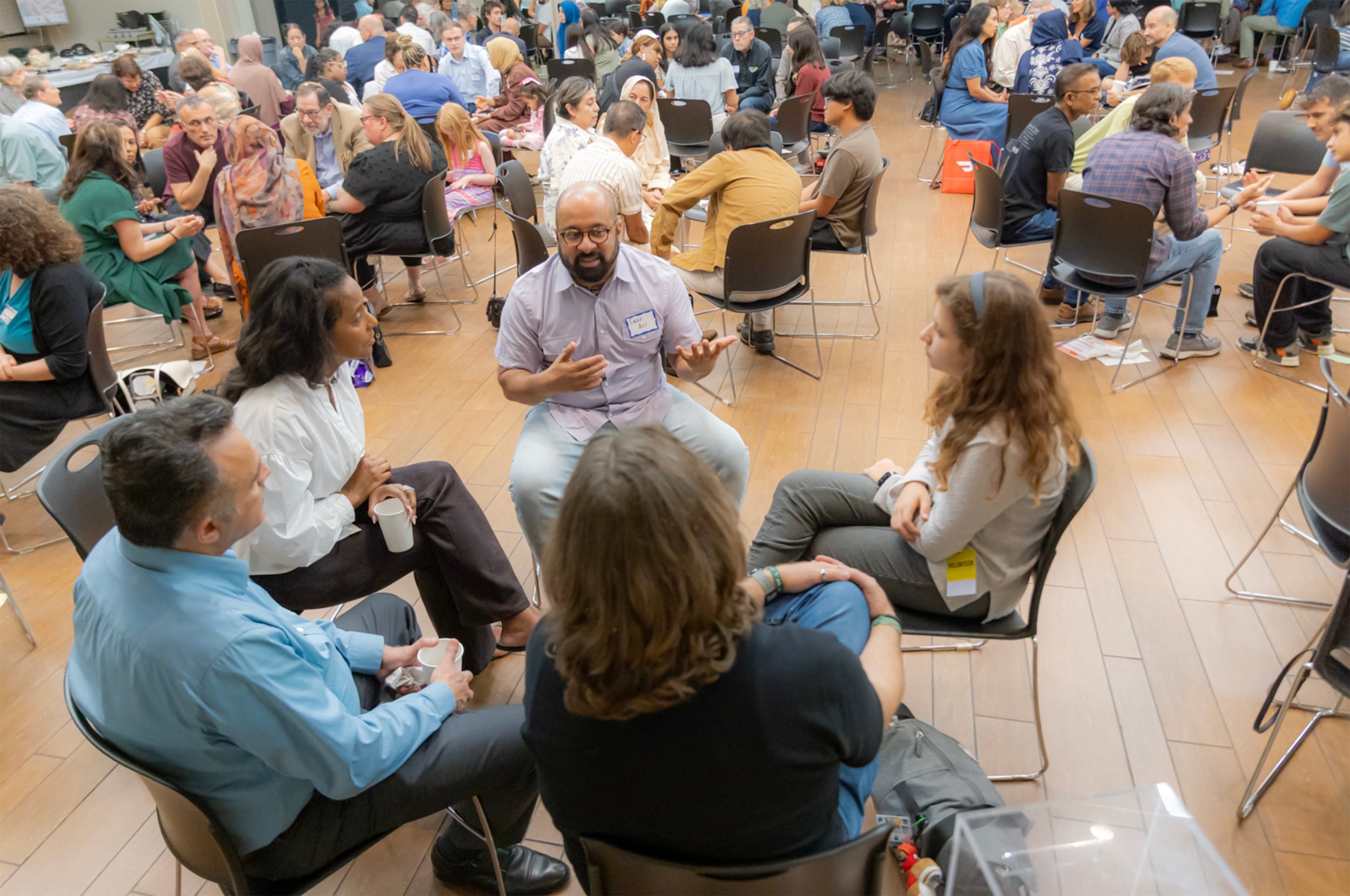
Pluralism is the idea of acknowledging the beliefs and perspectives of others and building the connection. It’s about existing and thriving in diverse perspectives and people. It could also leave room for self-evaluation and growth—but mostly, it leads with empathy. Hess, did that with his friend, in the article I mentioned earlier.
Acknowledging is part of it too. It’s hard to think about extending grace, to a villain.
Which could make step one to building a bridge — humanize each other.
“I actually like how the Buddhist talk about it, they say we’re born into delusion, all of us, and we’re all on this journey to enlightenment…Christian [too] I also like [the idea that] we’re all fallen, and we have to all seek redemption, so my world view is that everyone needs that,” said Hess.
What if we: asked hard questions; did the research; and read the articles? What if we tried to co-exist without one group dominating the other? Or just, listened?
If, for the very least, our own peace.
Hess, referenced Albert Einstein’s famous quote “You cannot solve a problem with the same mind that created it.”
A notable challenge for all of us to find solace, in something greater than division.