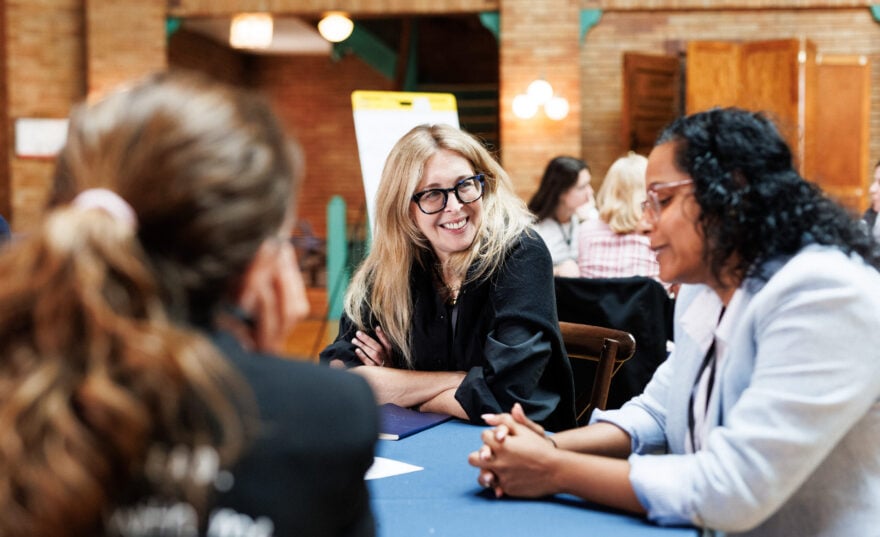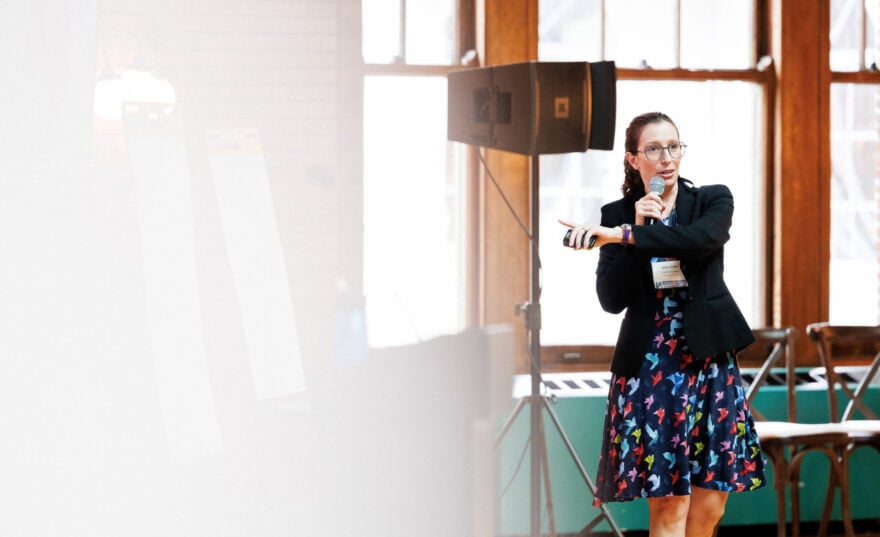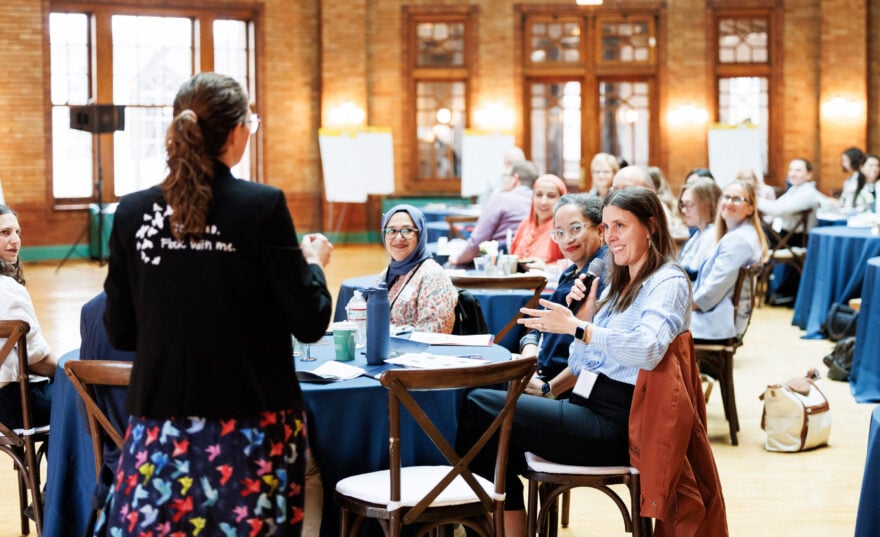

When we told people we were headed to South by Southwest (SXSW)— a week-long event known for its film premieres, celebrity sightings, technology, and brand activations – some expressed surprise. What would an interfaith organization be doing there? What does Team Up have to say at and learn from this event?
For us — the answer has always been crystal clear.
SXSW sits at the intersection of storytelling, culture, technology, and human connection — the very forces shaping how people understand belonging, community, and each other.
From the very first keynote that we attended — where author Jennifer B. Wallace spoke on “mattering” — it was clear that we, Team Up and Interfaith America, not only had so much to learn from the conference, but also that we had so much to contribute.
Our current moment is marked with a loneliness pandemic, deep decline in trust of public institutions, rising polarization, and threats to our key democratic values. So much of SXSW spoke to the urgent needs of this moment, asking: How do people experience connected as culture changes?
Our work at Team Up has clear, proven, and scalable answers to this question. Through our work and across the festival, we were able to uncover five key takeaways:
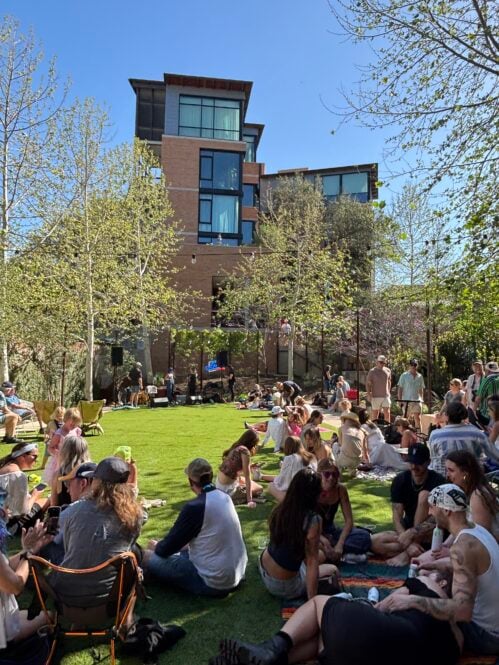
1. Mattering is an essential component to personal, communal, and national wellbeing.
Mattering is the sense that you are both valued and able to add value — that you are seen, appreciated, and depended on. These signals usually come through small, everyday interactions that tell us we count. But in a culture built for convenience and efficiency, where loneliness, distrust, and division is on the rise, these moments are often lost, leaving people feeling interchangeable.
Resilience, though often described as an individual trait, is deeply relational: People navigate hardship more effectively when they feel supported, needed, and connected.
Team Up strengthens these conditions. We foster the kinds of shared service and bridgebuilding experiences that communicate value and belonging — neighbors working side by side, volunteers relying on one another, communities recognizing local strengths. When mattering is absent, isolation and polarization grow. But, when it is present, people see themselves as part of a community where they have a role and a stake.
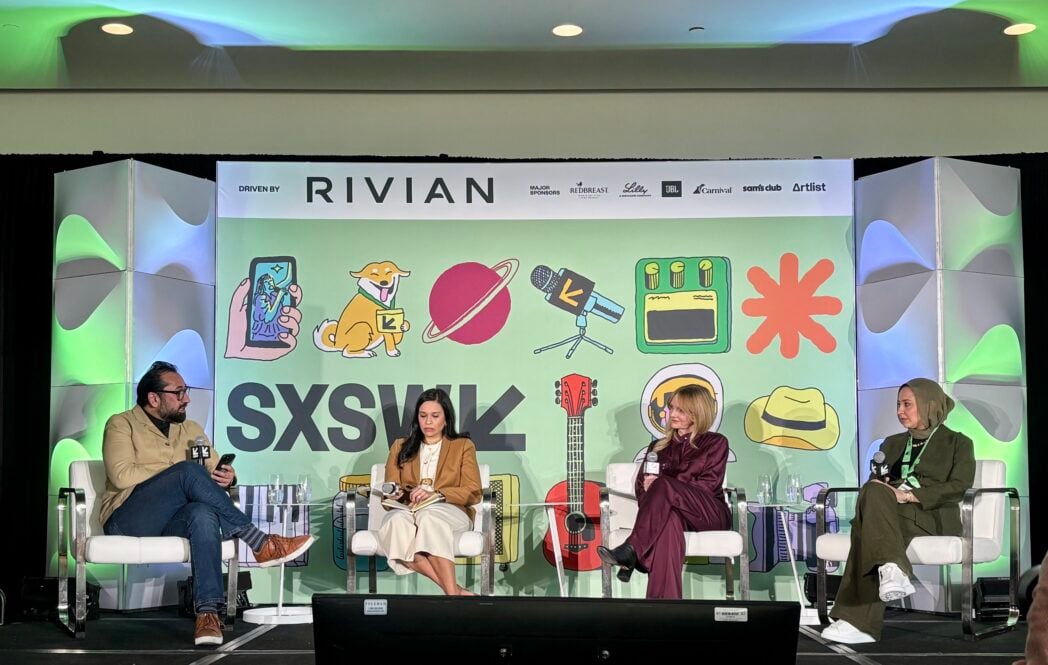
2. Culture can drive social change even more than politics.
Culture is a powerful driver of social change because it shapes what we see as normal and possible long before policies catch up. As described above, SXSW underscored that mattering, belonging, and bridgebuilding matter. They are also cultural forces: spreading through repeated exposure, shared experiences, visible symbols, and stories that make people feel valued and needed.
As we work at IA and Team Up to shift culture towards pluralism and bridgebuilding, it expands the boundaries of empathy and redefines who belongs.
3. Storytelling is infrastructure for culture, and thus, for democracy.
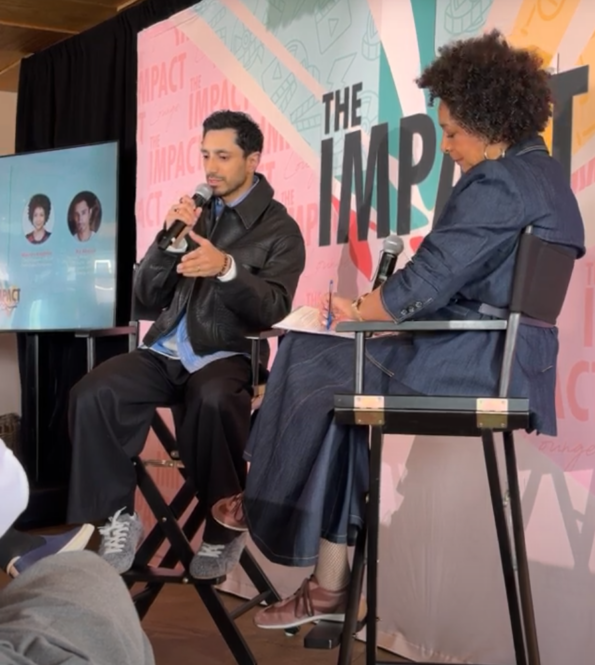
Storytelling is one of the primary ways that this cultural shaping happens. It is the mechanism through which our society is built, reinforced, and reimagined. And at the Muslim Public Affairs Council’s “Muslim House” event, storytelling became personal. Actor and artist Riz Ahmed centered participants in the truth that “stories remind us of our oneness. They are spiritual.”
In today’s attention economy, the stories that move culture are not the safest or most polished, but the ones that make us feel something. What makes storytelling powerful in a democratic context is not polish but honesty, stories like the ones Team Up works to elevate in communities across the country, creating moments of recognition and shared humanity that data or argument alone cannot produce.
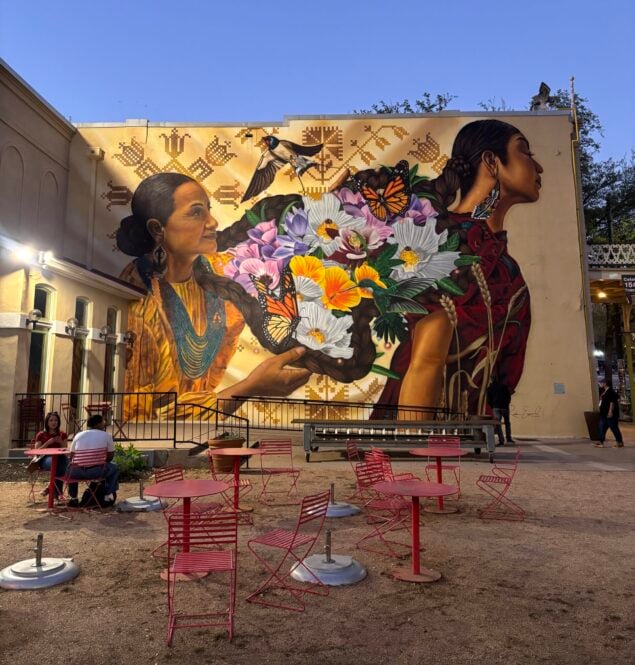
4. Pluralism requires collective imagination and narrative empathy.
Creating a world where mattering is embedded, stories expand what we believe to be possible, and culture supports resilient communities requires collective imagination and narrative empathy — the ability to envision a shared future and to feel the experiences of others.
A poignant takeaway from a session that explored “Belonging over Burden” reminded us that in a world and moment when people are already scared and overwhelmed, they don’t need to continue hearing how bad things are. What people need instead are ways for communities to come together around shared values, feelings of hope, and moments of joy. As one speaker at this session put it, Gen Z doesn’t turn toward “brain rot” because they don’t care, but because they’re constantly told the world is on fire.
Team Up offers this glimpse of hope, of possibility and joy. By creating spaces for people to serve together, encounter difference with curiosity, and contribute to something larger than themselves, Team Up helps people practice the very imagination pluralism requires. The work is not just about naming the challenges but about offering glimpses of a joyful, connected community, rooted in shared identity rather than shared guilt. These moments of cooperation — building a home, mentoring youth, preparing meals — give people a living picture of what pluralism looks and feels like.

5. Bridgebuilding – and Team Up – offer an opportunity to scale.
At this festival, where tens of thousands of participants listened to presenters and speakers detail problems from unique and expert vantage points, we see a unique opportunity to scale a solution.
Bridgebuilding — and our work at Team Up — offer a chance to scale something that often feels deeply personal: the experience of mattering. By creating opportunities for people to work together across differences, by fostering a sense of belonging, and by giving people chances to feel that they belong and have a role to play, we can create a chain reaction: connection across difference leads to belonging, belonging leads to mattering, and mattering leads to strong, resilient communities and civic culture.
That is why spaces like SXSW matter. This is why Interfaith America’s presence in these conversations matters. Culture shapes what people believe is possible long before policy catches up, and Team Up offers a visible example of what cooperation across difference can look like in practice.
Bridgebuilding is not simply an intervention; it is part of a cultural movement — one that shapes narratives, creates shared symbols, and demonstrates, in real and tangible ways, what it looks like for people to show up for one another across lines of difference.
To build a more pluralistic society, bridgebuilding must live not only in policy conversations, but also in the stories, cultural spaces, shared experiences, and everyday acts of connection that shape public life itself.
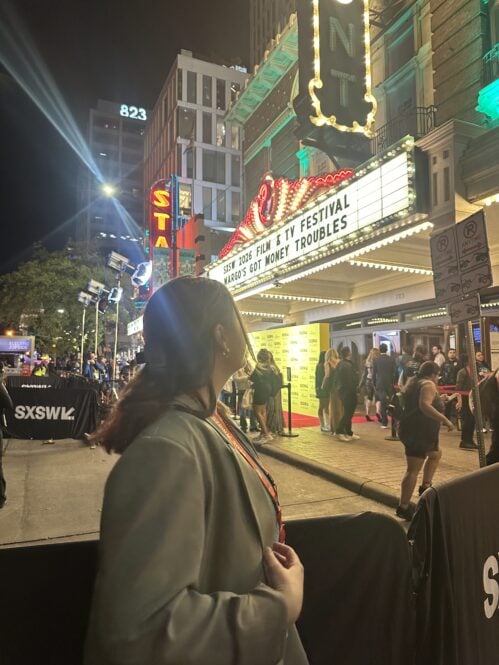
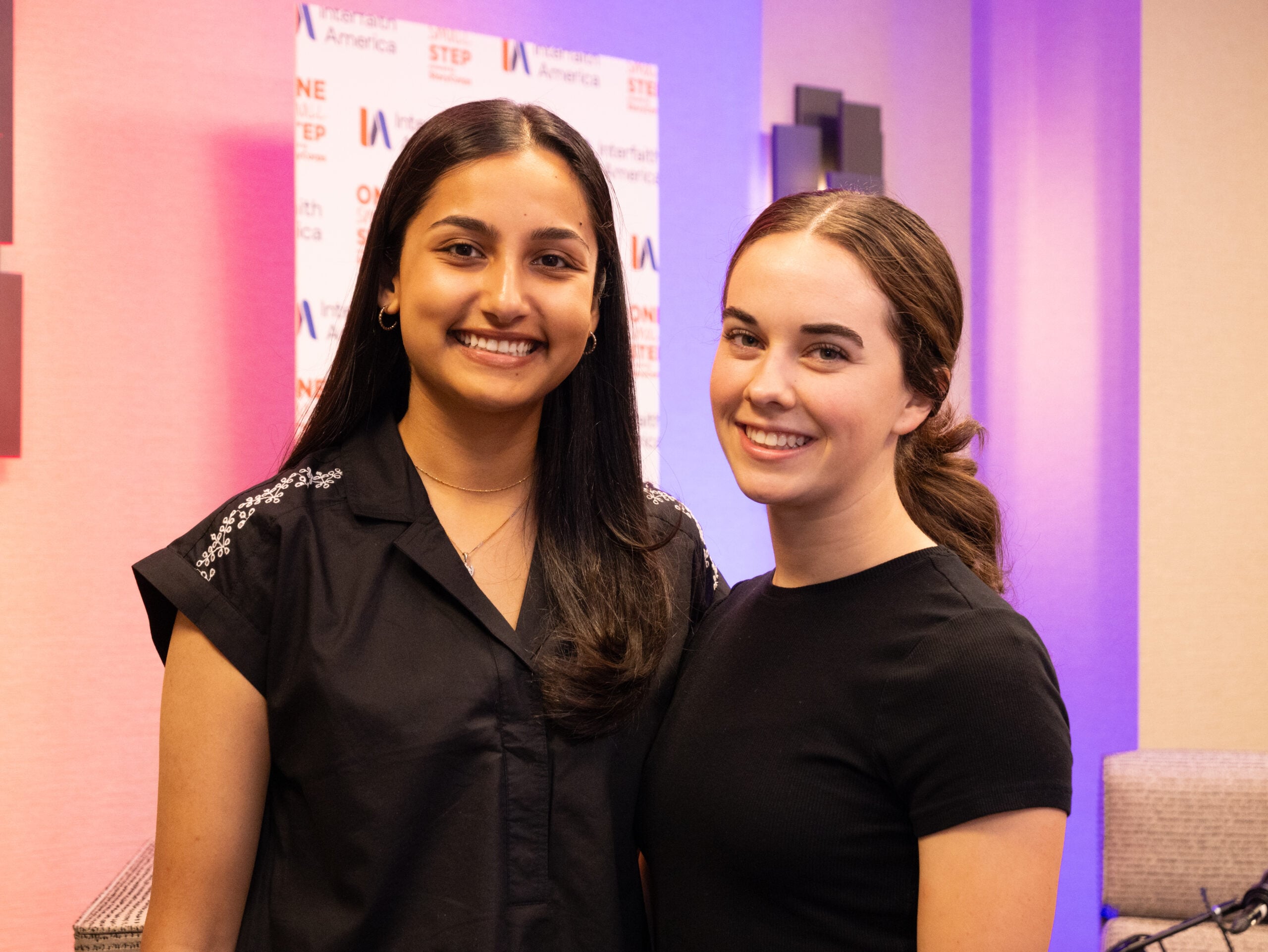
Shafaq Choudry is the Director of Community Service Partnerships, Team Up Project, and Abbie Haug is the Program Manager, National Bridgebuilding Initiatives at Interfaith America.
Recommended Next
- The Pew Charitable Trusts
Related Pages
Build with Us
Interfaith America equips leaders to cooperate across differences for the common good. Sign up to receive free resources, funding opportunities, and event invites in your inbox!