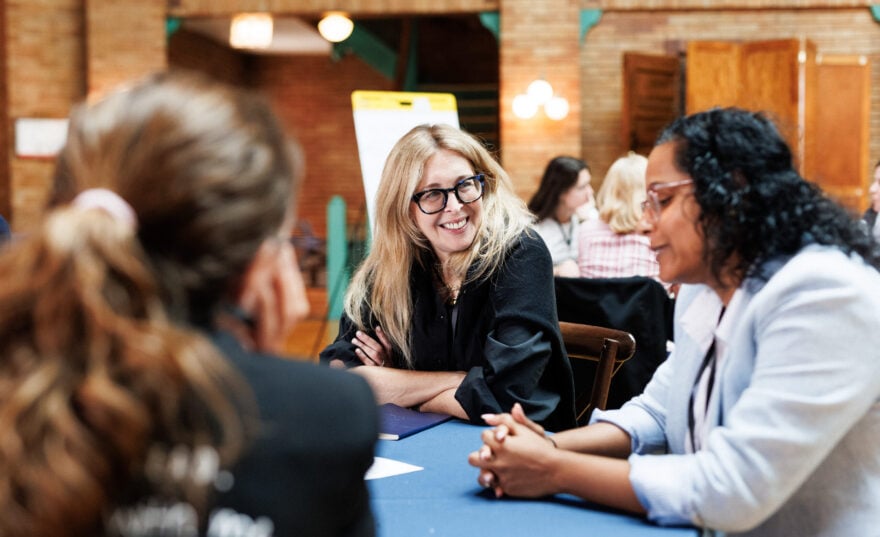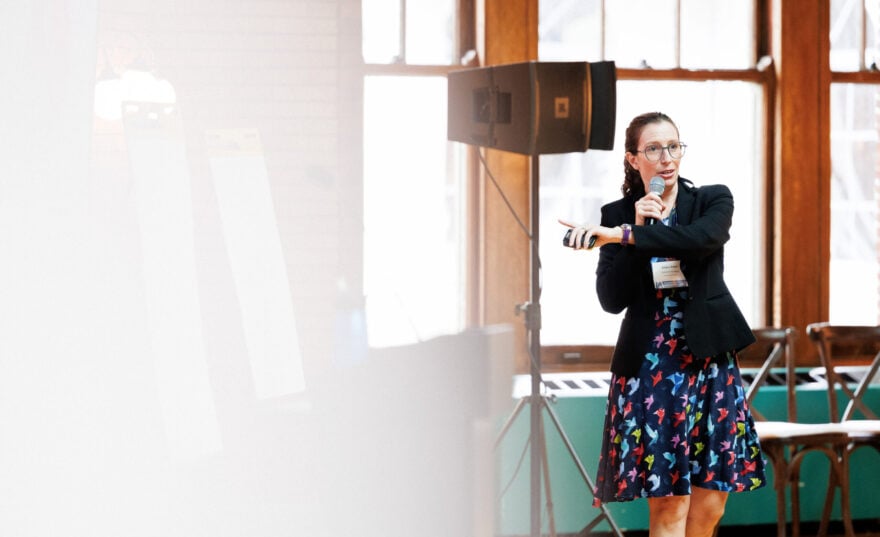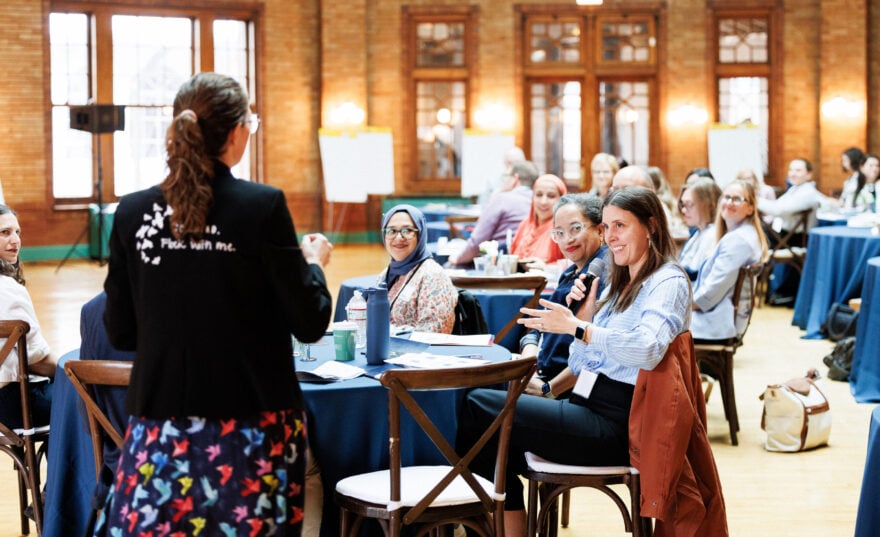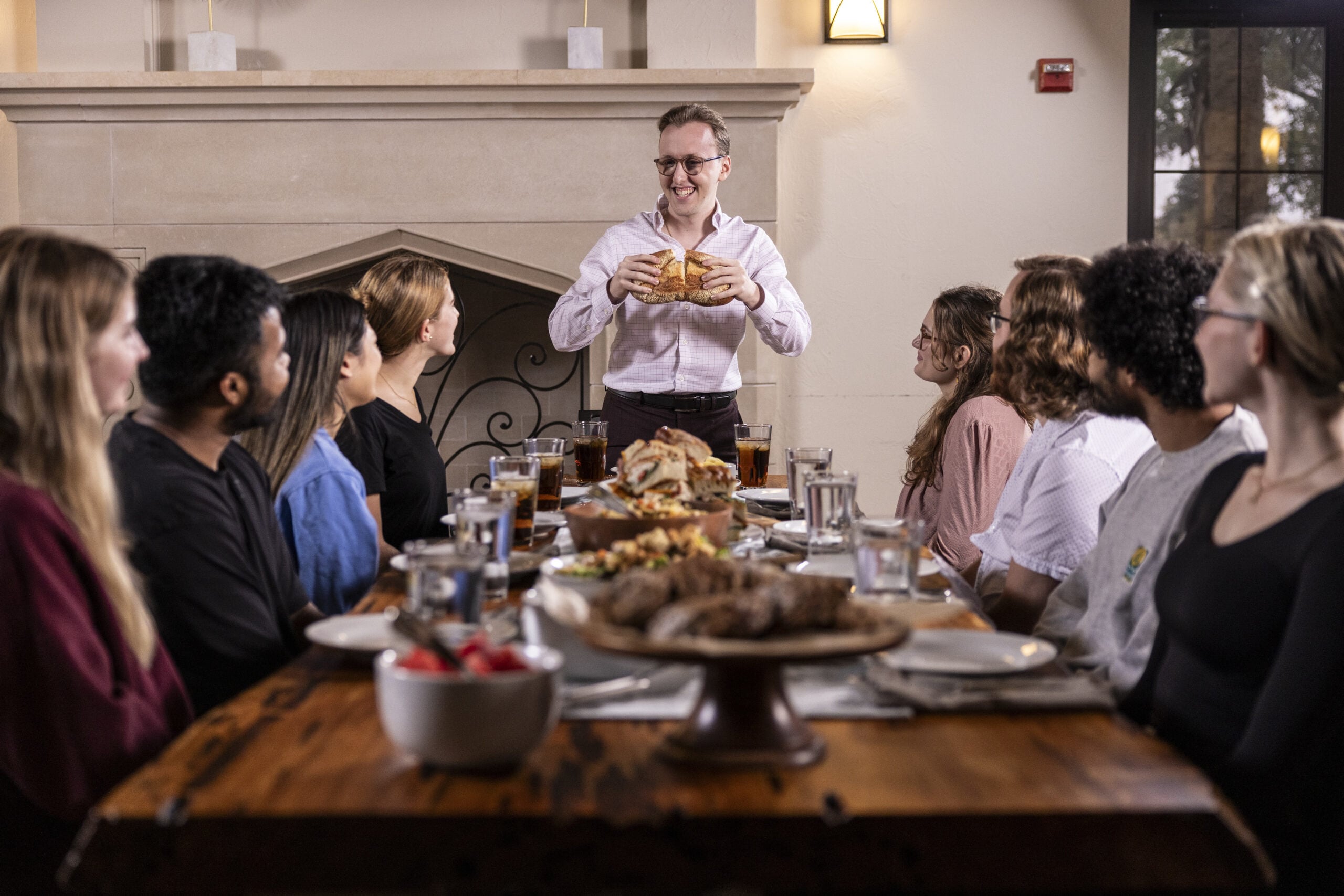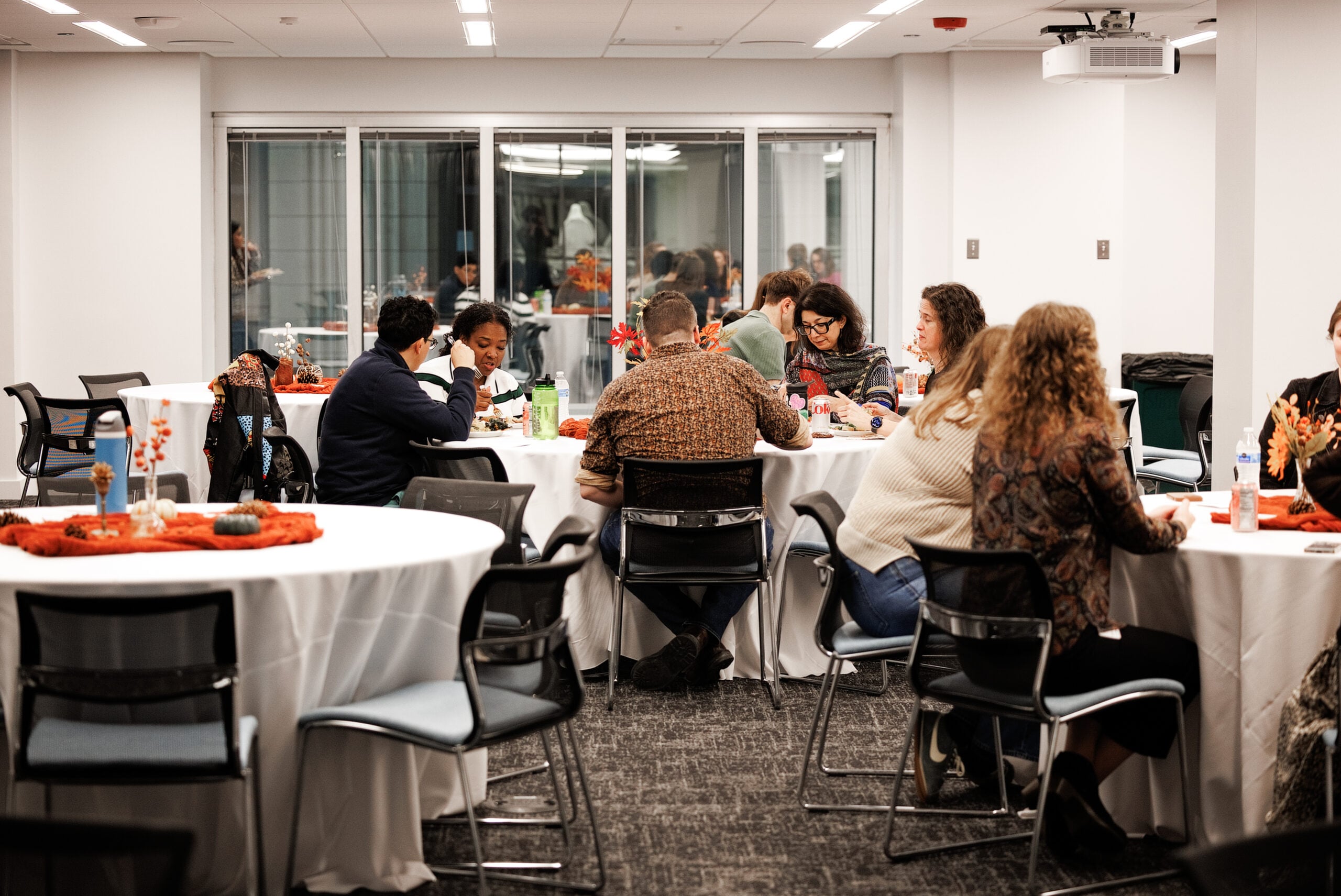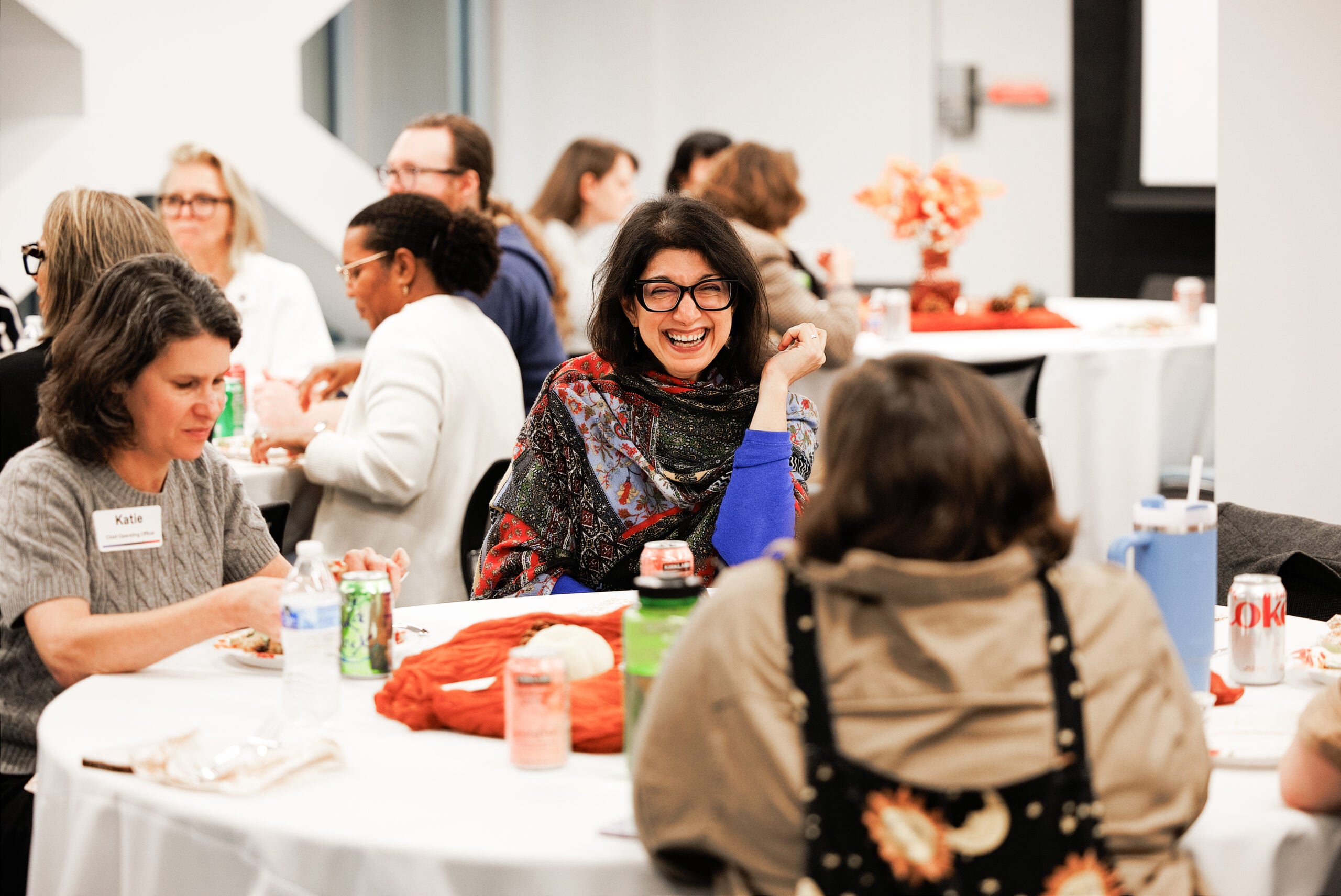
This Thanksgiving season, with gratitude for those working to build pluralism, IA connected with network members from campuses, communities, and workplaces who believe in the power of connecting over food to bridge divides and illuminate shared values.
These partners demonstrate what pluralism in action can look like: joining together for a meal, welcoming their neighbors with respect, and collaborating to serve those in need. Each reflected on the ways a shared table or service to others can help bridge divides and foster connection across differences.
On Campuses
If there’s one thing that brings people together, especially on campus, it’s food. A shared meal in the dining hall or at a campus event can help facilitate the crucial work of colleges and universities play in fostering community engagement, encouraging encounters across deep differences, and building habits of civic leadership.
Dr. Jacqueline Brinton, University of Kansas
“I am a firm believer that sharing meals is one of the best ways to bridge differences. Instead of asking people to engage intellectually, they are given the opportunity to share intimate, meaningful, human moments with one another,” said Dr. Jacqueline Brinton.
Brinton is a professor of religious studies, a Faith and Health Campus Grant recipient, and an organizer of the University of Kansas’ recent Interfaith Fall Fest, sponsored by the university’s religious studies department.
KU’s Interfaith Fall Fest and its accompanying food drive serving the broader community is an opportunity for students to join, rest, and reflect at the end of a busy semester.
- Resource
“The idea [to co-sponsor this annual event] originally came from the undergraduates I met at the Interfaith Leadership Summit,” Brinton told IA. She hopes the collaboration with Interfaith KU will strengthen partnerships and community in the university’s growing religious, spirituality, and health care program.
“University campuses tend to be busiest this time of year, as the semester draws to a close. It can be a stressful time for students, faculty, and staff, which is why taking a time to stop and appreciate each other over a meal is important,” she said.
Joseph Pool, Breaking Bread
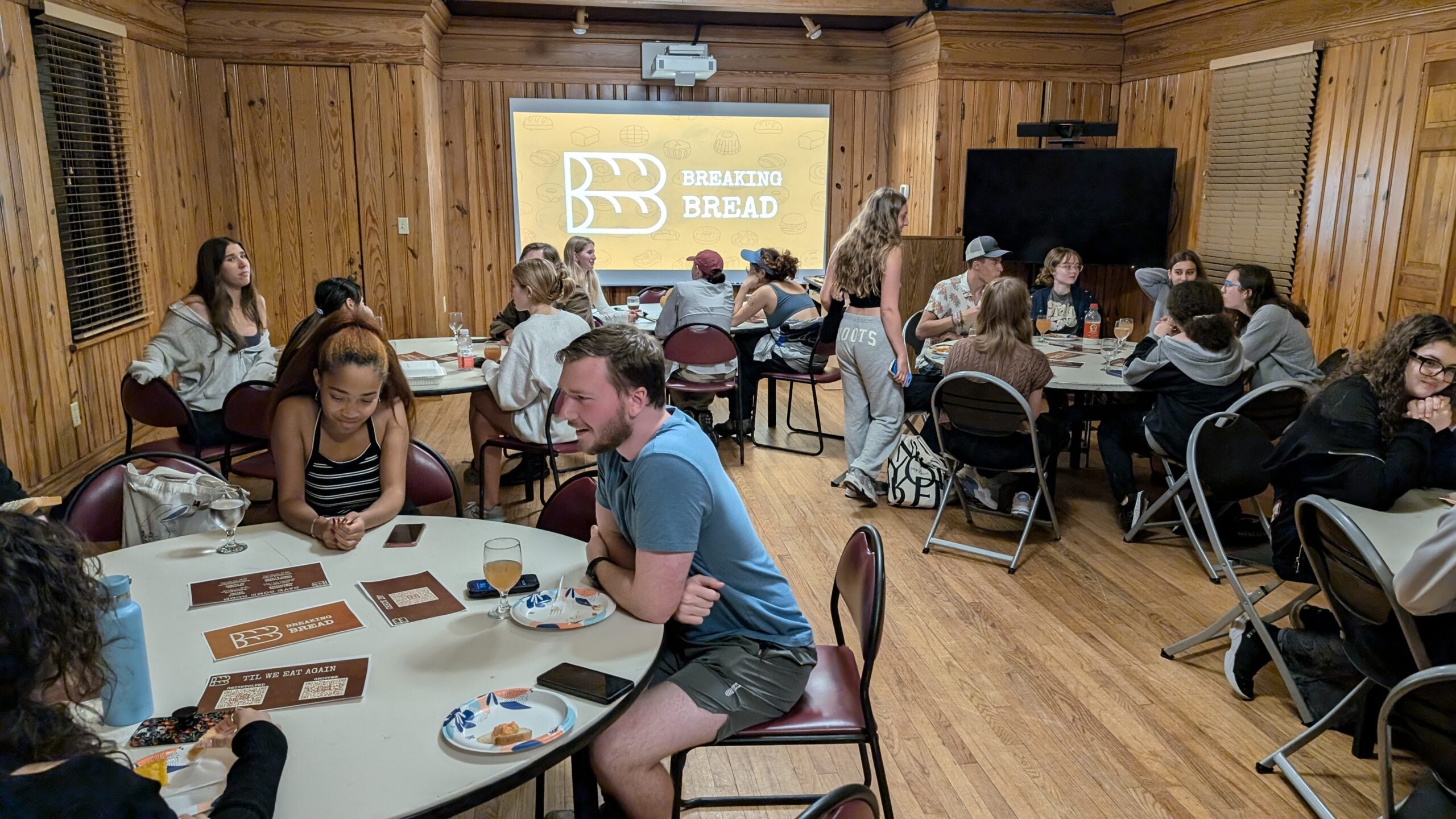
At the center of former Bridgebuilders Relating Across Interfaith Differences (BRAID) student fellow Joseph Pool’s organization, Breaking Bread, is the ancient practice of gathering for shared meals. Inspired by Pool’s Moroccan Jewish heritage and his studies of food diplomacy, the organization’s model focuses on facilitating real conversations between students over regularly occurring meals.
Pool is also inspired by interfaith campus gatherings, like iftars, Passover Seders, and the Sikh tradition of langar, the egalitarian practice of joining together for shared vegetarian community meals that transcend religion, culture, caste, and gender.
“It’s just one example of a shared meal that persisted and now has become a big interfaith event on campus,” he said. “A lot of existing religious traditions have been open to other people but have always existed in a way of using food as this tradition.”
After his graduation from Rollins College last spring, Breaking Bread has continued to bring students together in meaningful relationship over dinner. Pool notes that a key to Breaking Bread’s model — both at Rollins where it began and on other campuses where it’s being adopted — is to offer recurring opportunities for students to connect week after week.
“It’s not the food itself [that solves the world’s problems], but the food creates the relationship.”
“That’s been the success,” said Pool, “It’s not the people who show up for the first time, but the ones who come back. You’re more willing to come to the table with someone you disagree with next time, and that relationship is what can eventually solve these world issues. It’s not the food itself [that solves the world’s problems], but the food creates the relationship.”
In Communities
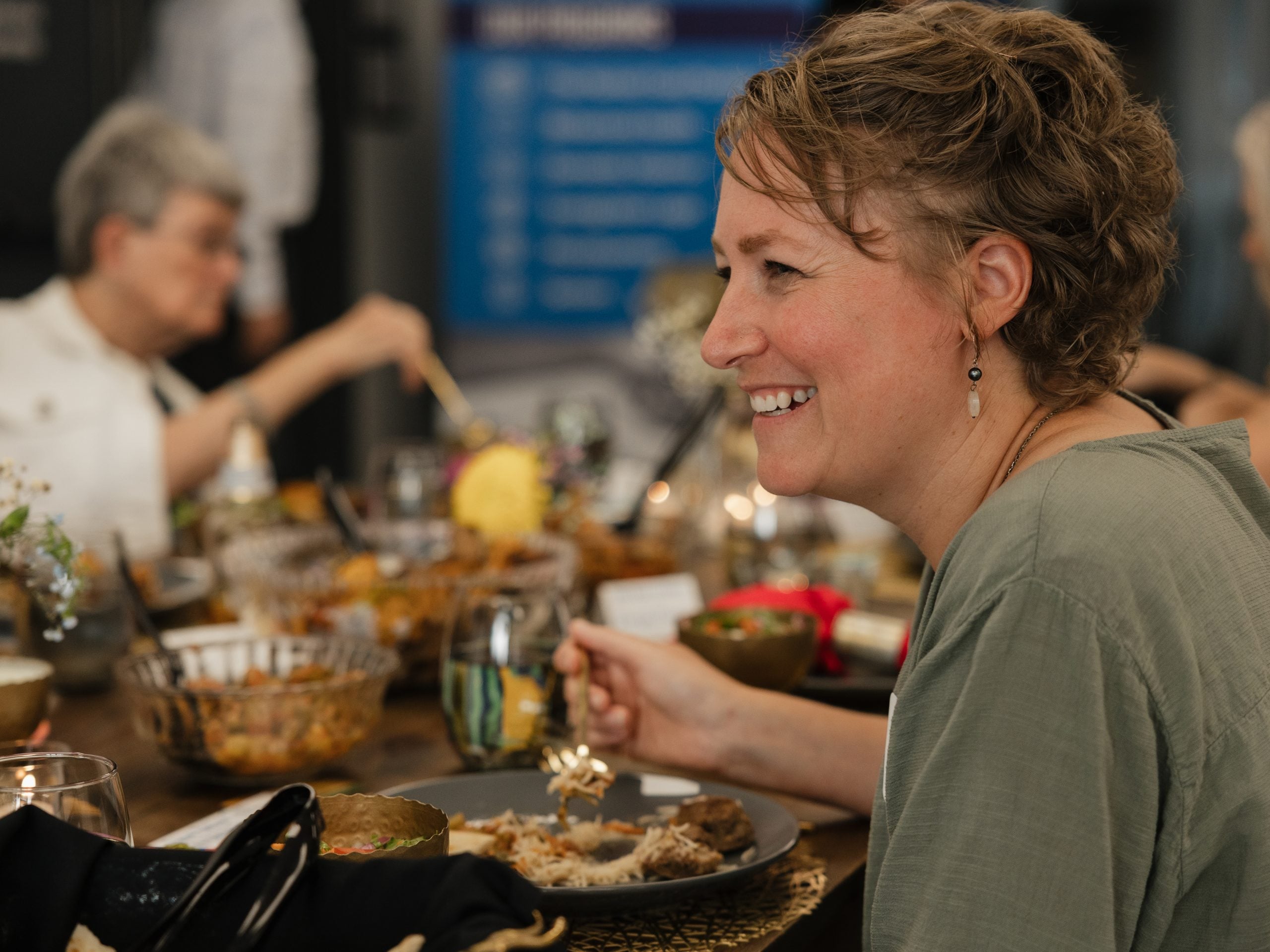
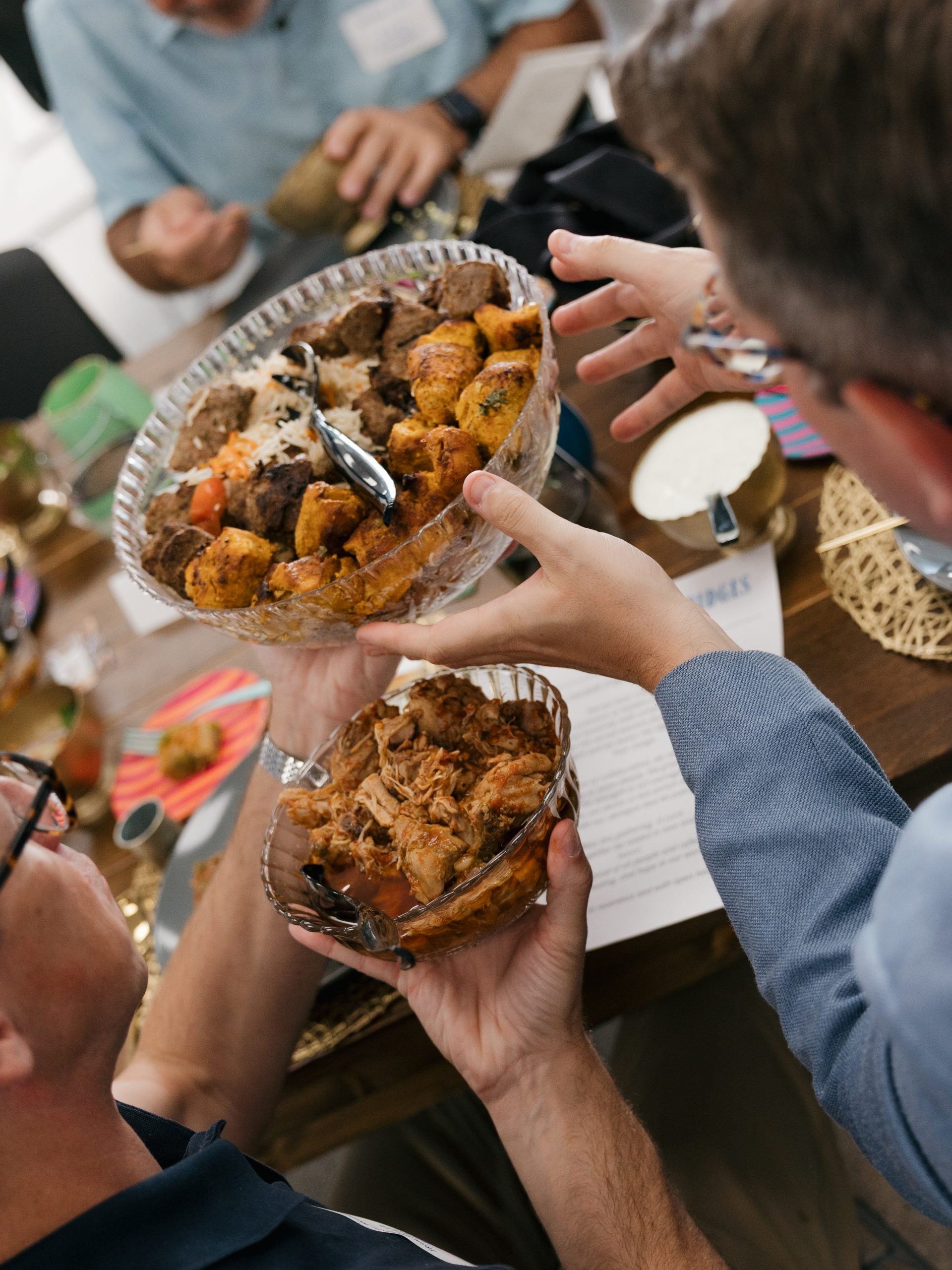
At the local level, when “you get people together to share food and share stories, and it’s just magic,” said Karl Shatz, co-founder of the Maine-based nonprofit Community Plate and partner in the nationwide America’s Potluck event that invited communities to have a potluck on July 5 in commemoration of America’s 250th. In civic spaces, food can help turn shared values of hospitality and service into shared action.
Denise Bartels, Catholic Charities of Omaha
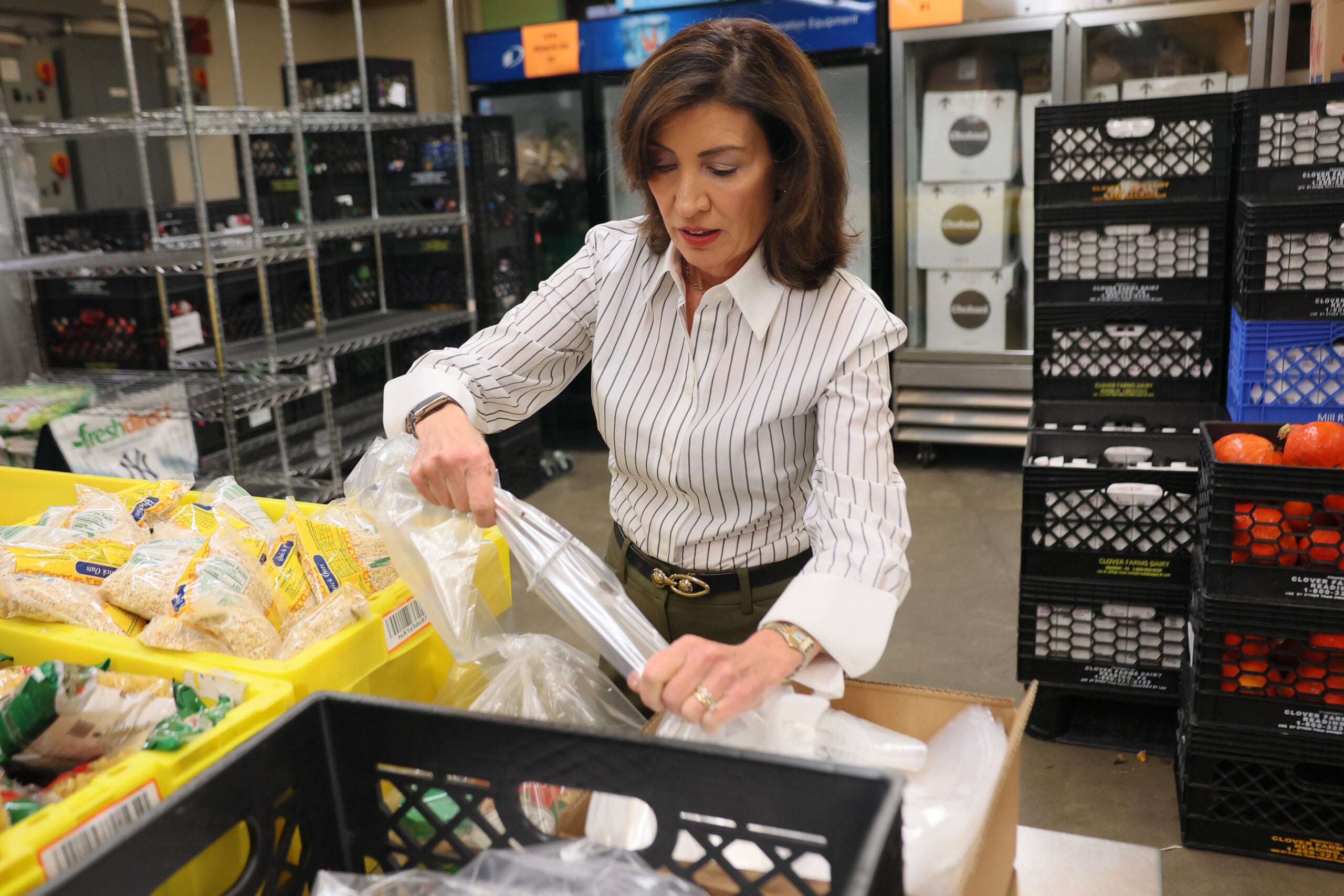
“Food is the most human need everyone deserves,” said Executive Director of Catholic Charities of Omaha, Denise Bartels. “If we remove the labels, would we feed each other? And what does feeding really look like?”
Commemorating 100 years of service this year, Team Up partner Catholic Charities of Omaha supports their local community through their Market Choice Food Pantry, which serves Nebraskans of more than 41 dialects and a multitude of cultural and religious backgrounds.
“None of us can do this alone.”
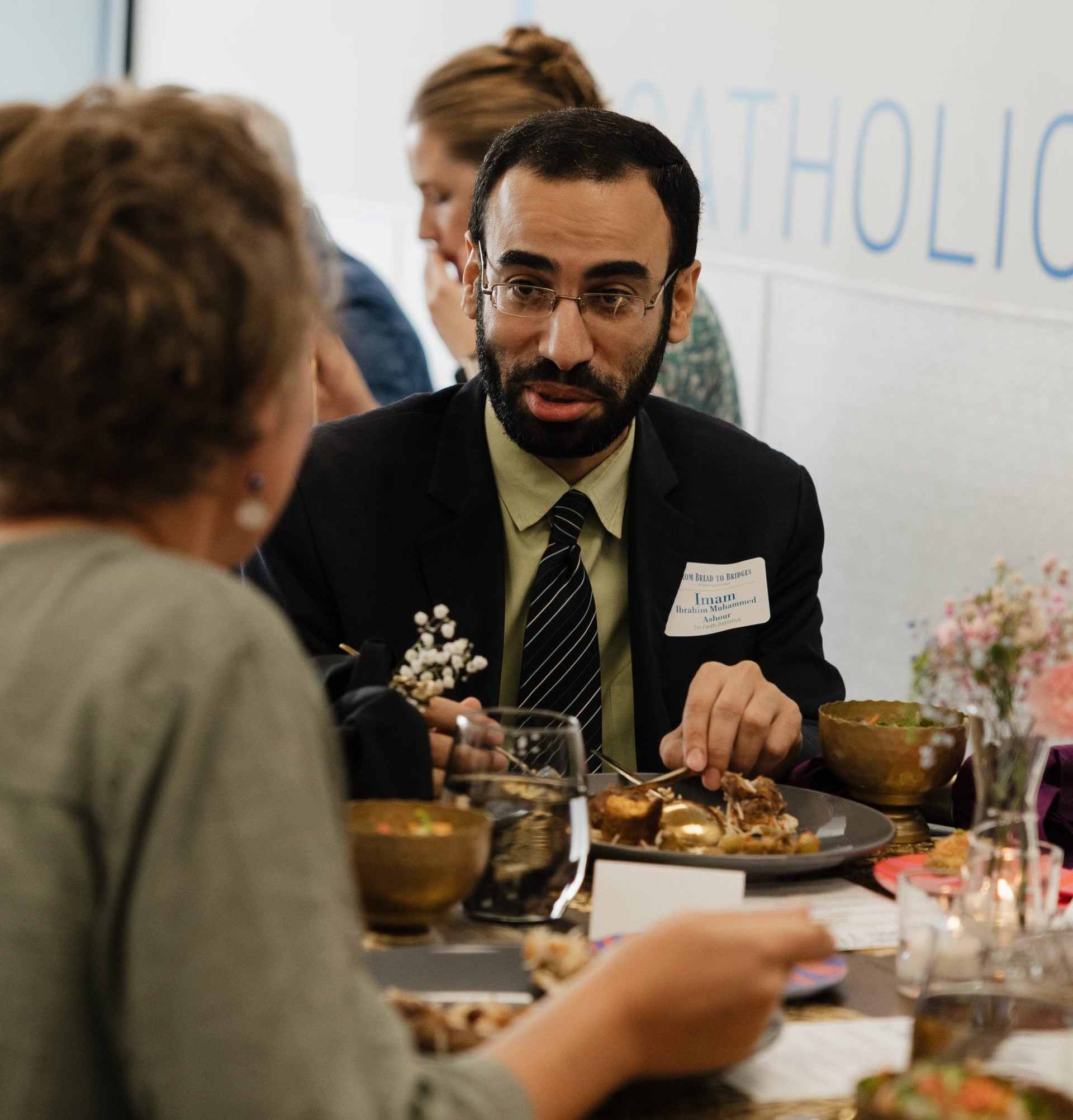
Among other social support systems Catholic Charities of Omaha offers, their work feeding the community has blossomed in recent years through involvement in the Team Up Project, collaboration with interfaith partners through the Tri-Faith Initiative, and a spring visit to a local mosque to attend an iftar and learn more about Ramadan, which Bartels described as “eye opening” for their staff.
These partnerships have inspired Catholic Charities of Omaha to offer culturally informed market choice options in the pantry and build appreciative knowledge and workplace accommodations around holidays like Ramadan for food pantry workers, volunteers, and service recipients.
“The Team Up Project was a platform that helped us explore, organically, all these cultures we’re serving and what it means to work together and serve each other,” said Bartels.
As Catholic Charities of Omaha looks ahead to the future — including the opening of a new Market Choice pantry and a project through Notre Dame University’s Lab for Economic Opportunities in 2027 — the organization hopes to strengthen these partnerships. “None of us can do this alone,” she said.
In the Workplace
In the workplace, where Americans encounter more religious diversity than any other sphere of their lives, “shared meals, like staff potlucks and community lunches, are a great way to connect with colleagues,” said IA Senior Director of HR and Operations Angela Zonderman. The conversations that arise at the table “strengthen our relationships, and it can be easier to collaborate, support each other, and feel connected” at work.
Matt Segil, Bread Breakers
“Teaching middle school math during COVID was not the easiest job I’ve ever had,” said IA Emerging Leader Matt Segil, who is now a medical student at UMass and lead of IA’s healthcare Interfaith at Work cohort. “In the teacher’s lunchroom, over many a commiserating meal, I would sit down and gab with the school’s music teacher.”
Through these informal conversations, Segil got to know his colleague by exchanging stories about their different upbringings — he shared about growing up in a “vibrant Jewish community in rural New Hampshire” while his colleague opened up about “his childhood going to a Catholic school and his complex relationship with the church.”
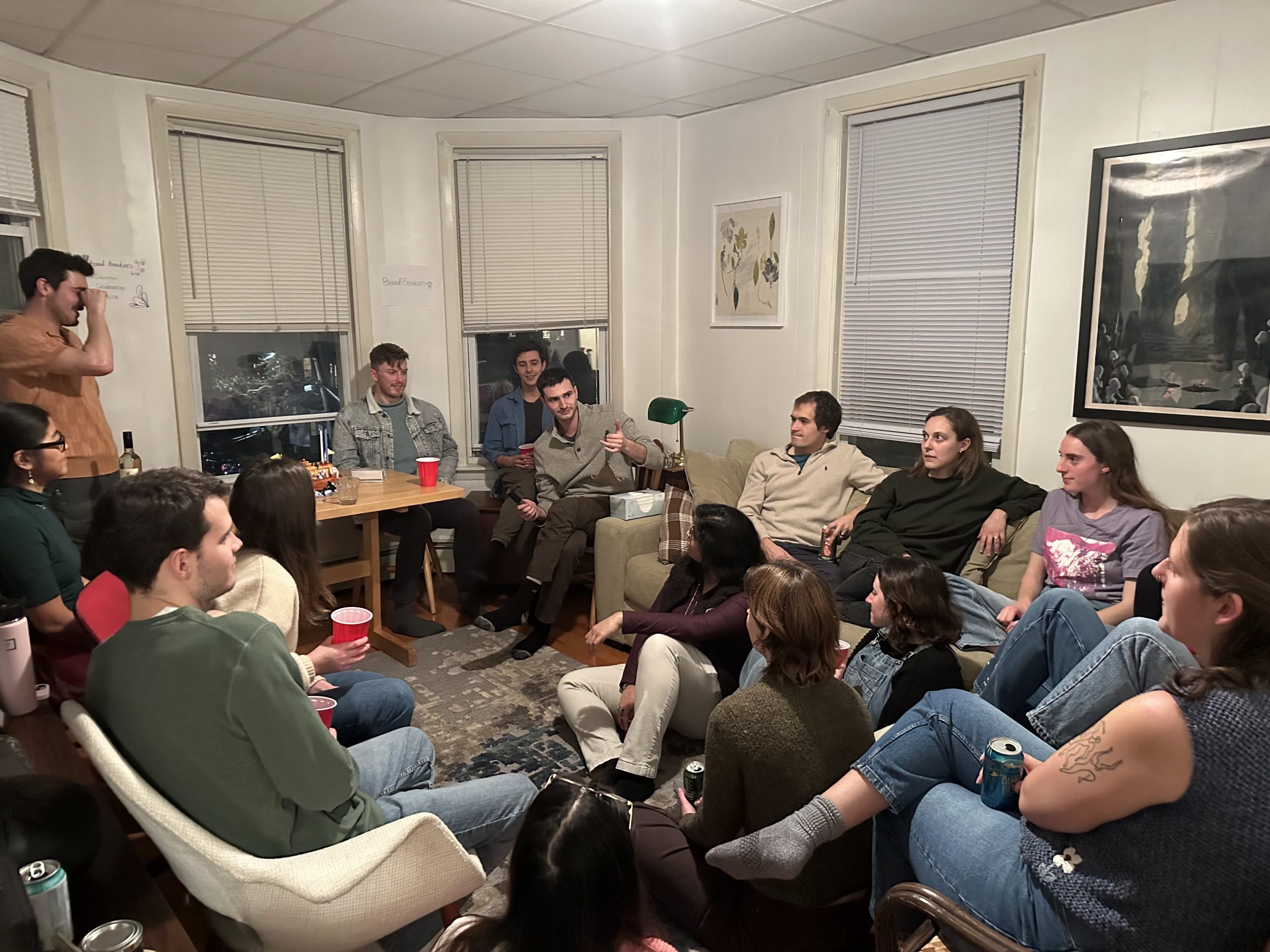
Segil invited his former colleague to join a group he organized called Bread Breakers, which brought together community members for monthly interfaith Shabbat dinners. His colleague quickly became a treasured member of that community.
“My friend’s gift for music allowed him to lead Jewish prayers, modern classics, and play nearly any song someone could suggest,” Segil said. “For the next few years, we worked together to lead events filled with laughter, reflection, and invigorating music. When I think back on my time leading interfaith events, these are some of my most treasured memories.”
Rachel Crowe
Rachel Crowe, Staff Writer for IA Today, tells compelling stories about interfaith cooperation across diverse communities and supports our narrative programming. She is a graduate of Gettysburg College where she earned a BA in English with a Writing Concentration and a German Studies minor.
- Resource