Winning an election isn’t the same as governing. In a pluralistic democracy, governing well means public officials must serve the people who voted for them, voted against them, or didn’t vote at all.
Why it matters: Healthy democracy doesn’t require agreement, or erasing our differences. It requires creating conditions where people with profound differences can still live, work, and solve problems together.
Here are five ways leaders can put pluralistic leadership into practice:
1. Create structures for listening.
Establish faith-based offices, advisory councils or community task forces that give diverse constituencies meaningful access to government. Include institutional leaders, emerging voices and communities that are often left out of decision-making.
- President George W. Bush piloted this approach with his Office of Faith-based and Community Initiatives.
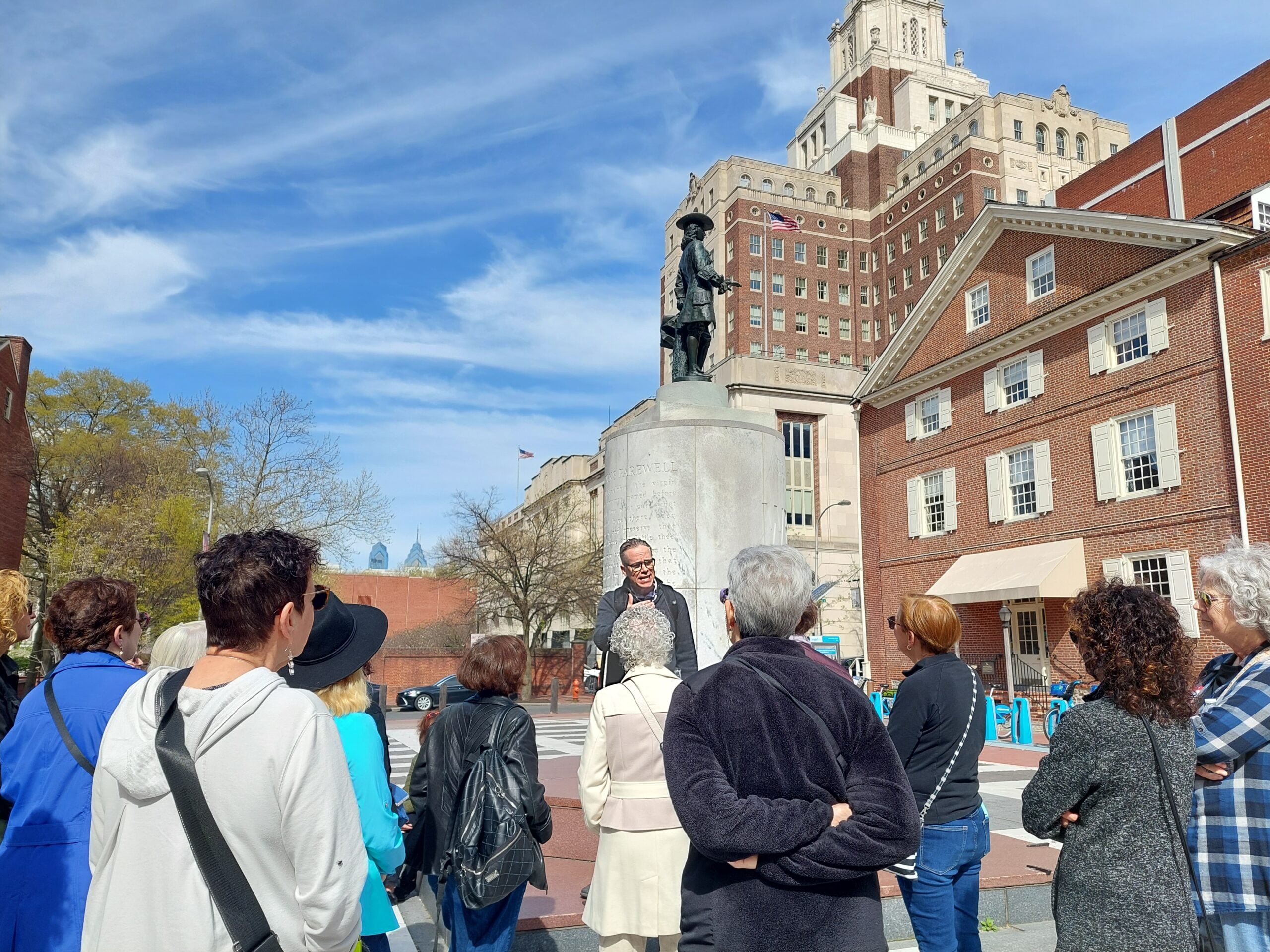
- Mayor Jim Kenney showed what this looked like on the local level, in Philadelphia, with his Mayor’s Commission on Faith-based and Interfaith Affairs.
2. Expand bridgebuilding through service.
Service brings people together around common purpose. AmeriCorps programs, state service initiatives and local days of service can connect people across religious, political, racial and socioeconomic differences while addressing community needs.
- Gov. Spencer Cox, a Republican, is doing this in Utah with his One Utah Service Fellowship.
- So is Maryland Gov. Wes Moore, a Democrat, via the National Governors Association and the Service United project
- Congress should pass the Building Civic Bridges Act, a bipartisan bill to create an Office of Civic Bridgebuilding within the Corporation for National and Community Service (AmeriCorps).
- Need help on how to get started with bridgebuilding service? Check out free resources at the Team Up Project’s Bridgebuilding Hub.

3. Protect religious freedom and conscience.
Defend everyone’s right to live according to their deepest convictions — particularly those who look, speak, or pray differently than you. When a religious group nearby is in crisis, show up. When a religious group is celebrating, show up. Avoid stereotypes, listen to groups that often feel marginalized, and make space for religious diversity when developing public policy.
- Pennsylvania Gov. Josh Shapiro, who is Jewish, rallied behind a mosque after shots were fired.
- New York Gov. Kathy Hochol, who is Catholic, stood in solidarity with Jewish synagogues facing attacks.
4. Safeguard civic institutions.
A strong democracy needs an independent nonprofit sector. Government should protect the ability of nonprofits, religious organizations and educational institutions to operate according to their missions.
Pluralistic leaders see the value of a diverse nonprofit sector and stand up for this sector as a whole – not just those with whom they agree. Pluralistic leadership requires defending the autonomy of institutions even when their leaders, missions, or viewpoints are unpopular.
- In Alabama, a new state law protects the identity of citizens involved with nonprofits
- In Colorado, lawmakers took steps to protect nonprofits’ tax-exempt status
5. Strengthen trust in elections.
American voters are more likely to accept outcomes they dislike when they trust the process that produced them. How? Protect voting access and election security. Partner with community organizations on voter education and poll-worker recruitment.
- A note for our elected friends: Model democratic norms by respecting legitimate results and peaceful transfers of power — even (and especially) when those results weren’t the ones you were hoping for.
- Check out our Faith in Elections Playbook for steps that everyone can take to help restore trust in our pluralistic democracy.
The bottom line: Pluralistic leadership is more than rhetoric about unity. It is a governing practice: listening broadly, protecting difference, strengthening institutions and creating opportunities for people to work across divides.
Chris Crawford
Chris Crawford is the Senior Director of Civic Strategies at Interfaith America.

- Program
- Resource