As my family and I entered the Hindu temple, I was immediately struck by its breathtaking architecture, decorated with intricate carvings depicting Hindu deities.
The beautifully curated campus surrounding it only added to the grandeur. Having visited various Hindu temples throughout my childhood, I had come to appreciate the unique beauty of each one, all while valuing the standardization of rituals and practices that provided a sense of familiarity and comfort. Thus, I anticipated no less from this particular temple.
Upon entering, the priest directed my father and me to sit at the front, while my mother and sister were directed to the back. The arrangement puzzled me. Why should they be seated in the back? Especially considering that we had primarily come to the temple for my mother’s benefit, now she was deprived of a clear view of the proceedings at the front.
Though I recognized this seating arrangement as a tradition, it diverged from my understanding of Hindu practices. Some temples I had previously visited that separated people by gender would position them on opposite sides of the prayer room, ensuring everyone had an equal vantage point. This distinction felt different, as it granted me, as a man, preferential seating at the front. I reflected on the privilege afforded to men within religious contexts, and further, on the intersection of masculinity and culture.
As a man born in America to Indian-born parents, I have long been intrigued by the complexities of multiculturalism and masculinity. Navigating multiple cultural identities while defining masculinity in our society presents a compelling intellectual challenge. My values, shaped by my ethnic heritage, my cultural upbringing, and my identity as a man, are frequently subject to scrutiny.
My professional background in public health has further underscored the significance of these issues, as they hold broader societal implications. Intercultural conflicts and tensions, when left unaddressed, can escalate into violence and manifest as public health crises. Similarly, the rigid expectations placed on men, which often prioritize emotional suppression and aggression, contribute to both internal and external conflicts, exacerbating public health challenges on a global scale.
Despite the numerous stories centered around conflicts related to cultural groups and masculinity in the media, I believe that these stories should not reflect nor represent the norm. I feel called to spotlight the stories that celebrate cultural diversity and promote healthy masculinity – an expression of masculinity that prioritizes individual and collective well-being.
In pursuit of this goal, I started The Multicultural Man, a platform dedicated to amplifying stories and messages that embody these values. Through a weekly newsletter, I reflect on values I deem essential for personal and societal well-being, drawing from both universal principles and cultural traditions. Additionally, I conduct interviews with men from culturally diverse backgrounds who are making positive contributions to their communities. By sharing their stories, I aim to challenge the notion that masculinity must conform to traditional norms and widen our definition of masculinity to encompass healthier expressions.
Ultimately, my goal is for future generations to grow up in a world where individuals from diverse cultural backgrounds interact with mutual respect. I envision a world where masculinity is not a barrier to health, but an expression that prioritizes self-care and community well-being. As an interfaith leader, public health professional, and storyteller, I aim to advance this vision through my storytelling initiative.
Visit The Multicultural Man and follow the Instagram channel for regular updates.
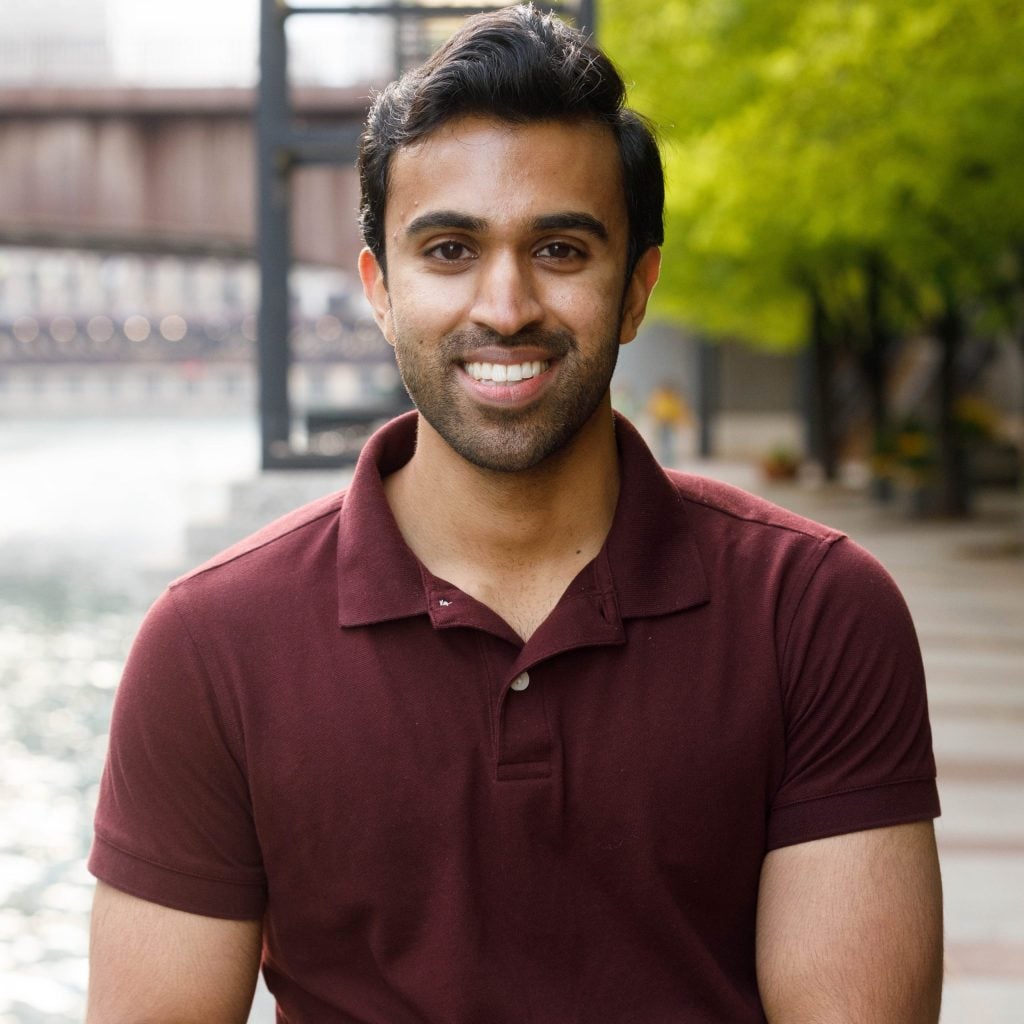
Suraj Arshanapally, MPH, is an Indian American storyteller and public health advocate. He started The Multicultural Man to celebrate cultural diversity and healthy masculinity through storytelling. He is also the Managing Editor for the CDC Yellow Book, an international travel medicine publication at the Centers for Disease Control and Prevention. Suraj received his MPH in Social and Behavioral Sciences from Yale University. He believes multiculturalism and interfaith cooperation are crucial to building a healthy and peaceful society.
Suraj Arshanapally wrote this article in his personal capacity. The opinions expressed in this article are the author’s own and do not reflect the view of the Centers for Disease Control and Prevention, the Department of Health and Human Services, Interfaith America, or the United States government.