Emma Lazarus’s poem “The Feast of Lights” has been part of the canon of American Jewish poetry for more than a century – just as her better-known “The New Colossus” about the Statue of Liberty has been part of the American story for generations.
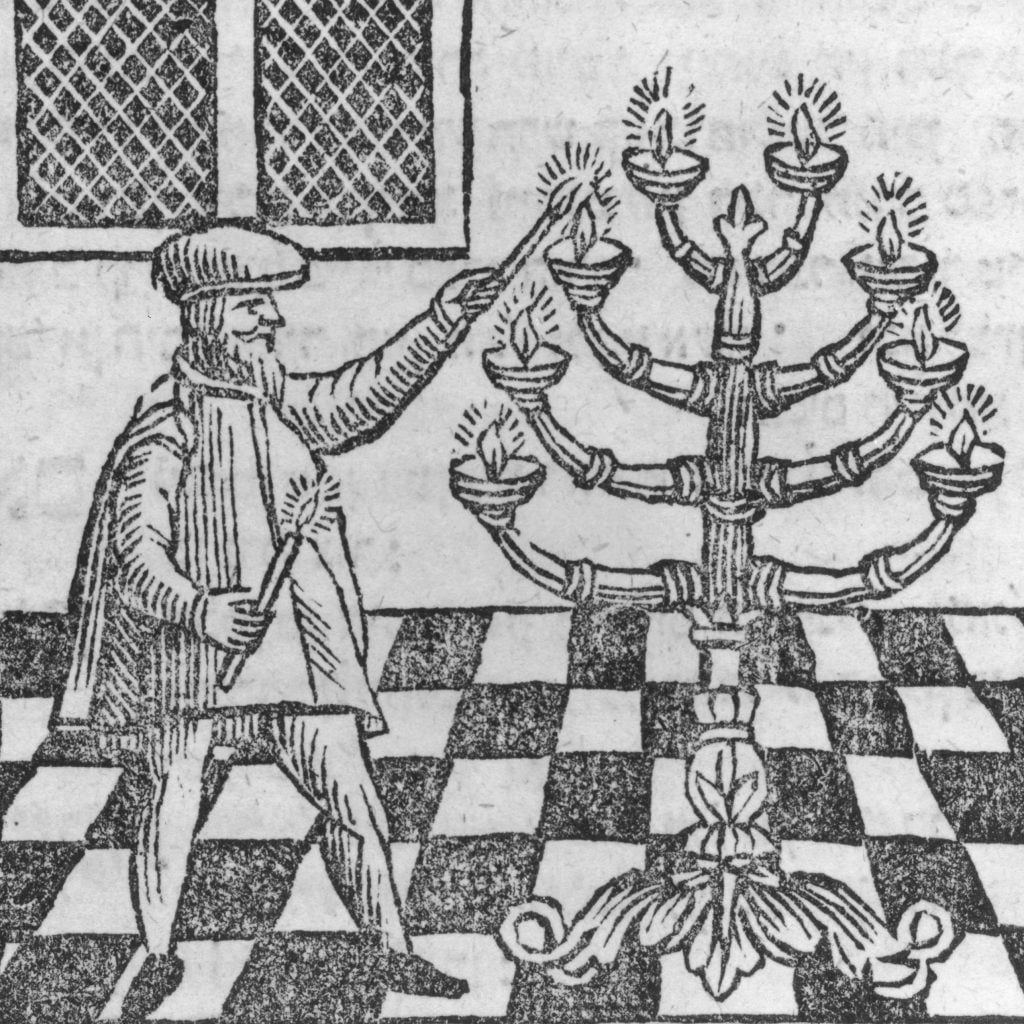
Written in 1882 amid reports of anti-Jewish pogroms in Russia, “The Feast of Lights” utilizes time-honored images from the traditional Hanukkah story, including the improbable success of the Maccabean revolt against the great Seleucid Empire and God’s provision of a miraculous jug of oil with which to rekindle the Temple candelabrum (menorah), in her call for contemporary Jewish unity and pride in the face of persecution.
“Kindle the taper like the steadfast star
Ablaze on evening’s forehead o’er the earth,
And add each night a lustre till afar
An eightfold splendor shine above thy hearth.…
Clash, Israel, the cymbals, touch the lyre,
Blow the brass trumpet and the harsh-tongued horn;
Chant psalms of victory till the heart takes fire,
The Maccabean spirit leap new-born.”

Given that this poem is a call to Jewish unity and pride — a key element of Lazarus’ larger project — it is not surprising that she does not address the internal tensions present in the historical Hanukkah narrative. The Maccabees fought not only the Seleucid Empire but also internal adversaries — fellow Jews who understood identity, belonging and sovereignty differently.
Jewish life has been shaped as much by internal debate as by external threat – and given the tragic events at Brown University and in Sydney, Australia, those threats are real. Hanukkah represents, in part, a breakdown of civil discourse; a moment in Jewish history when political and religious disagreements contributed to violence and long-lasting communal fractures.
Today, the Jewish community faces profound internal divides about Israel and the Israeli-Palestinian conflict — divides deepened significantly since the October 7, 2023, Hamas terror attacks and the brutal war that followed. Families are fractured. Communities are strained. People who once learned and prayed together now struggle to speak across what feel like unbridgeable gaps.
The challenge facing the Jewish community in this moment reflects a larger struggle: how any community, religious or secular, navigates deep disagreement without giving up on relationship building.
It is easy to retreat into ideological echo chambers, to flatten or simplify identities, or to disengage from people altogether because it feels too unsettling or frustrating. The challenge facing the Jewish community in this moment reflects a larger struggle: how any community, religious or secular, navigates deep disagreement without giving up on relationship building.
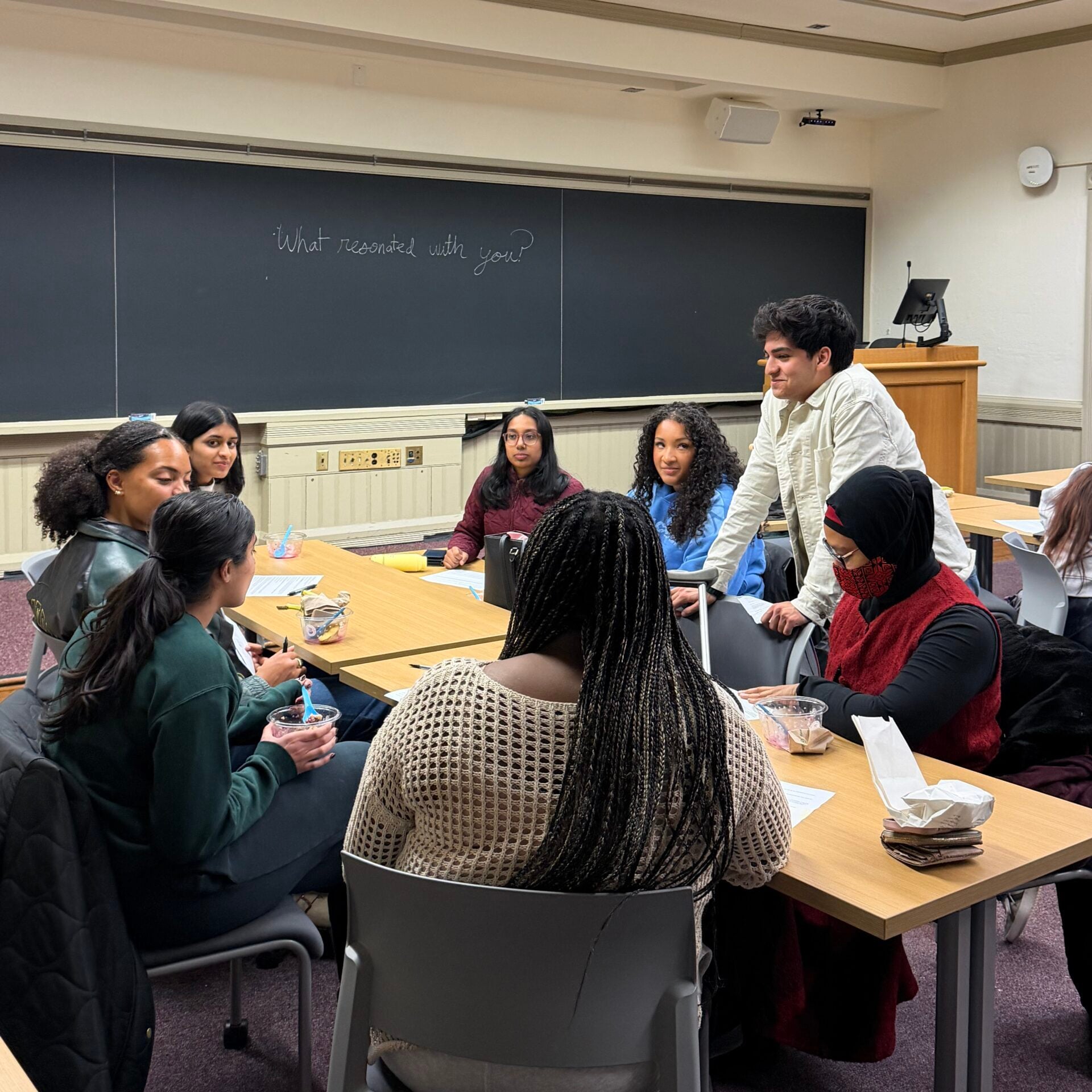
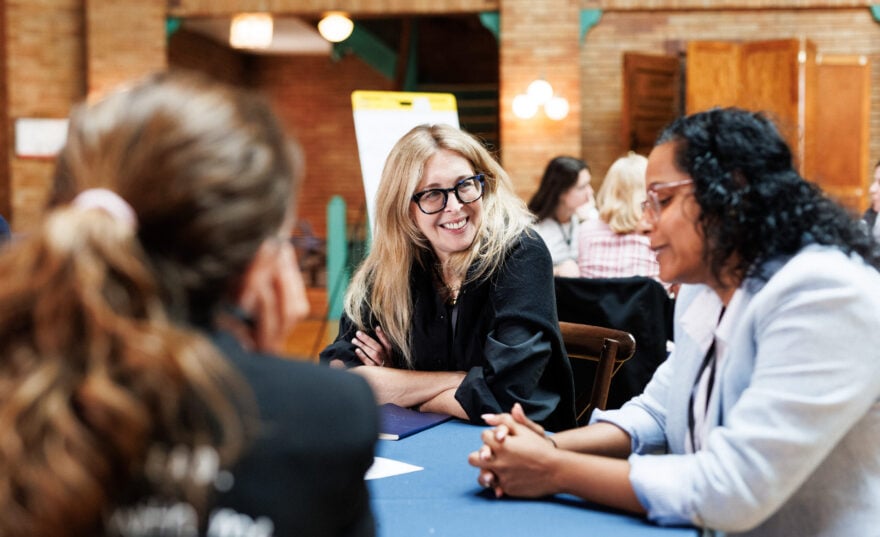
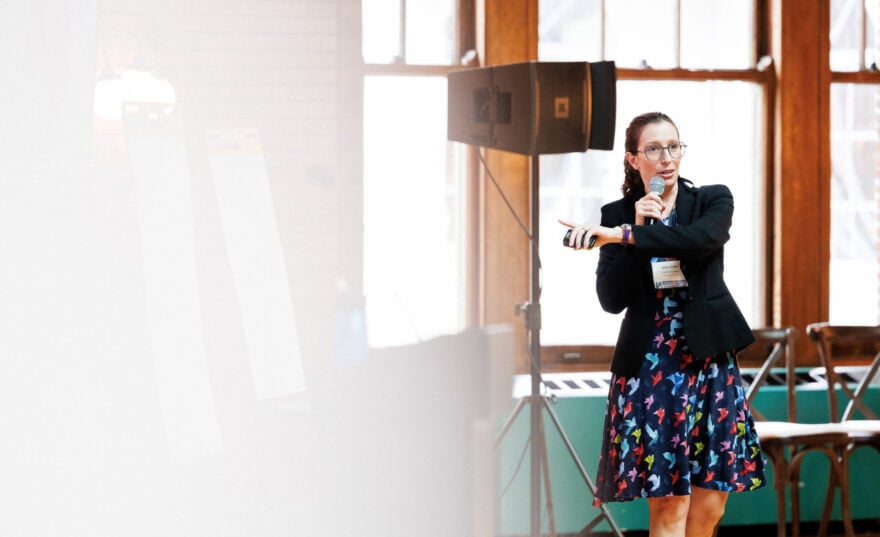
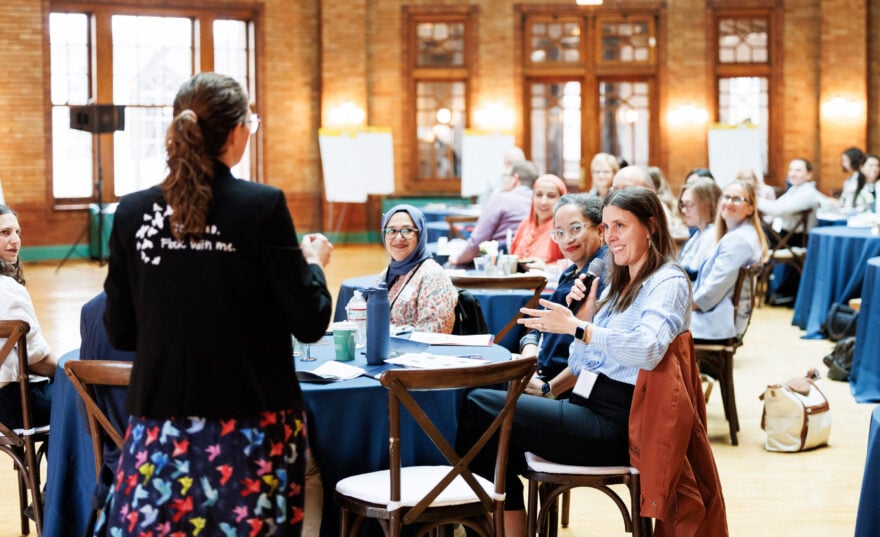
Here in Boston, we serve as co-facilitators of a new fellowship called Panim el Panim (“Face to Face”): Engaging Israel Across Difference. Housed at The Miller Center for Interreligious Learning and Leadership of Hebrew College, this pilot program helps Jewish leaders throughout the city ground themselves spiritually and ethically, hone their dialogue and facilitation skills, and support one another in addressing Israel/Palestine as fellow American Jewish leaders.
Our goal is to aid our colleagues in cultivating the courage, empathy, and resilience they need to weather the intra- (and inter-) communal storms — and to continue to engage in and facilitate brave conversations when it would be simpler to avoid or shut them down. In this sense, the fellowship is part of a much broader effort to promote pluralism, both within and across communities.
Yet even with good intentions, it is easy to miss the mark.
For example, at our recent fall fellowship retreat, we failed to give participants the necessary time to reconnect personally before delving into the agenda. We were also too timid in asking the fellows to share their professional dilemmas on Israel-related matters.
These missteps mirror the very challenges we aim to address within the wider Jewish community and beyond: How can we foster humane and thoughtful discussion of divisive issues? How can we encourage people to share their convictions and questions with passion and humility?
And so, in this season of re-dedication (“Hanukkah” = “Dedication”), we are choosing to re-dedicate ourselves to the sacred craft of dialogue across difference. We are also rededicating ourselves to remain in relationship with people whose understandings of justice, security and belonging may differ from ours, but who are willing to explore these difficult issues in a dignified manner.
Our hope is that this work within the Jewish community can stand alongside and intersect with similar efforts in other communities, all seeking to foster a more compassionate and just world.
Hanukkah can be an instructive reminder of the urgent need for robust intra-communal discussion and debate on consequential matters.
Hanukkah can be an instructive reminder of the urgent need for robust intra-communal discussion and debate on consequential matters. As we light our Hanukkah candles during a time of deep division and real fear in the Jewish community, let us remember that respectful dialogue — including sincere disagreement — is both possible and necessary.
As we partake in the “Feast of Lights,” let us consider how seeing different refractions of this light can inspire brave and creative conversation about polarizing issues. And to readers from other religious and cultural traditions, may this season invite meaningful reflection on the interplay of light and shadow in your communities.
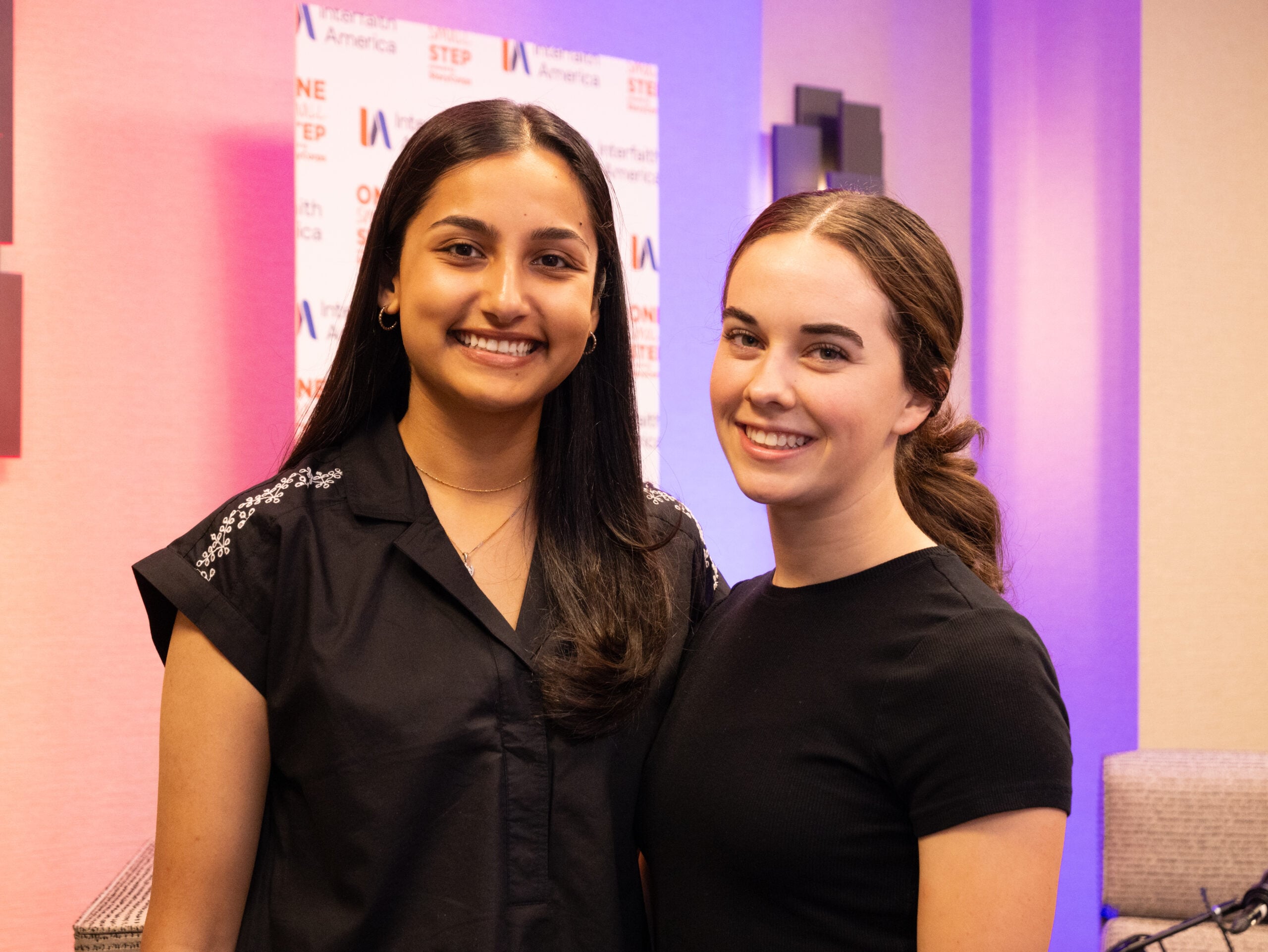
Jordan Namerow co-directs the Panim el Panim fellowship. A writer and communications professional, Jordan serves as a program consultant and grant writer for Hebrew College.
Rabbi Or Rose is the Founding Director of The Miller Center for Interreligious Learning and Leadership of Hebrew College and a senior consultant to Interfaith America.