
Shakti leadership, a leadership model that balances feminine and masculine qualities, is gaining recognition for its ability to create more effective and compassionate leaders. Rooted in Hindu principles, this approach is universally applicable, transcending religious boundaries and gender identities, and offers valuable insights for leaders in various sectors such as healthcare.
The concept of Shakti originates from Hinduism, where it represents the divine feminine. Shakti is a dynamic source of power and energy and is often depicted alongside its counterpart, Shiva. Shiva is the divine masculine, representing consciousness and introspection. Together, they symbolize a balance of spiritual and material realms, highlighting the importance of both energies and cosmic forces in leadership.
Shakti leadership balances both sets of qualities, ensuring that neither set goes unchecked and potentially harmful.
According to the book, “Shakti Leadership: Embracing Feminine and Masculine Power in Business” by Nilima Bhat and Rajendra Sisodia, feminine leadership qualities include empathy, inclusion, nurturing, openness, creativity, trust, vulnerability, and harmony. On the other hand, masculine leadership qualities include clarity, assertiveness, structure, discernment, and strength.
One organization exemplifying Shakti leadership is Introspective Spaces, which seeks to create restorative spaces for healthcare workers to rest, ideate, and meditate.
One organization exemplifying Shakti leadership is Introspective Spaces, which seeks to create restorative spaces for healthcare workers to rest, ideate, and meditate.
This organization addresses the challenges posed by an unrestrained masculine leadership model in the healthcare system; one that often prioritizes financial gain and efficiency over the well-being of its workers.
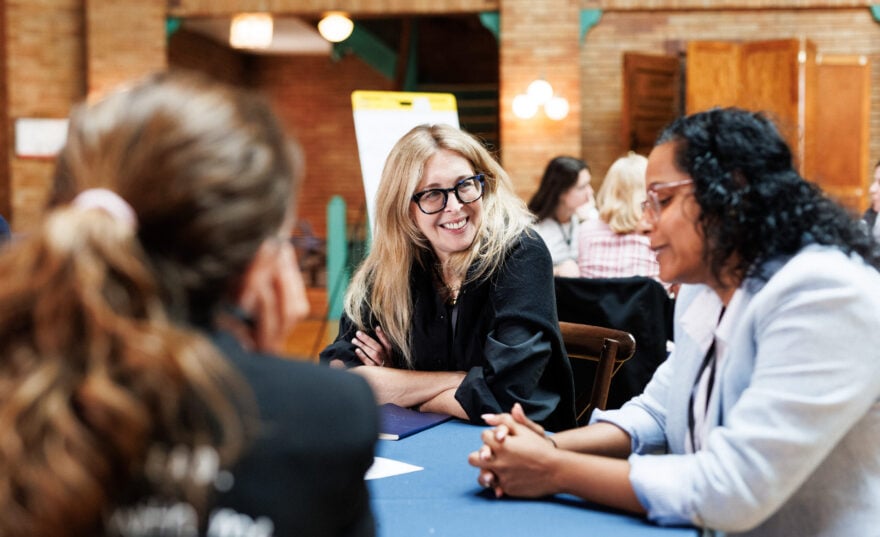
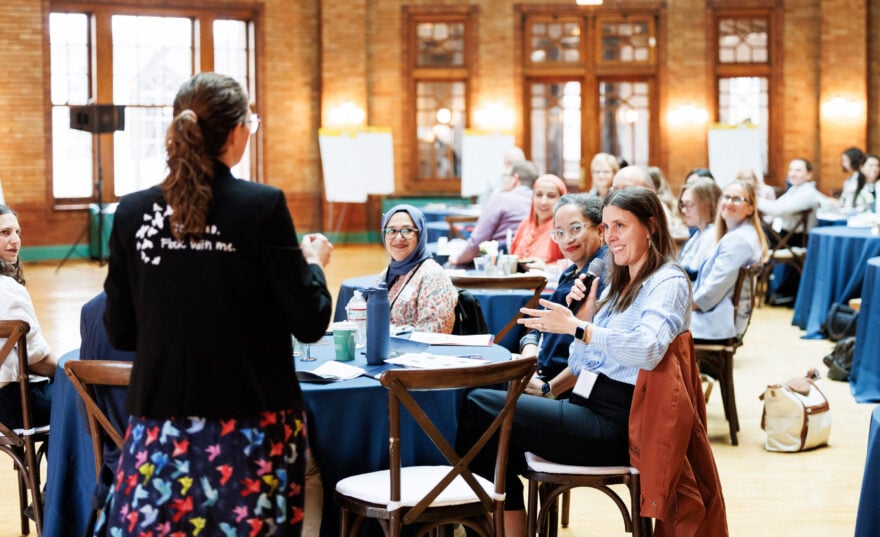
Co-founded by Anu Gorukanti, MD, and Laura Holford, RN, this organization introduces feminine leadership qualities through their retreats and workshops that create spaces for healthcare workers to rejuvenate, discuss their values, and learn how to establish compassionate boundaries at work.
“The healthcare system values masculine qualities like assertiveness, confidence, and efficiency, which are tied to the metrics that lead to profit in the healthcare system. So, there often isn’t time or emphasis placed on qualities like nurturing. Much of our jobs is shepherding people through the worst moments of their lives and there’s no time for workers to do that with patients,” shares Gorukanti.
The limited time available to meet these efficiency metrics and other demands within the healthcare system is associated with burnout and poor mental health challenges among healthcare workers, according to a study released by the Centers for Disease Control and Prevention.
In 2022, the Office of the U.S. Surgeon General released a report on workplace mental health and well-being. The report details five essential components for workplaces to center worker well-being, including a sense of importance at work.
Workplaces that ensure workers feel they matter engage them in workplace decisions and build a culture of gratitude and recognition. “[Feeling recognized for your work] helps people feel a sense of connection and belonging. Belonging is something that people really identify as a core reason that they are interested in staying and being a part of the workplace,” Gorukanti states.
With the vision of creating a healthcare system that prioritizes worker well-being, Introspective Spaces exemplifies the power of Shakti leadership. By balancing the need to provide care under challenging circumstances with the importance of vulnerability and fostering a sense of belonging, this organization strives to harmonize masculine and feminine qualities. Their goal is to build a healthcare system that can be efficient, but also compassionate.
“We want to create a space where healthcare workers can bring all the parts of who they are and not just the parts where they have to be efficient,” shares Gorukanti when reflecting on the metrics associated with filling out patient charts or the number of patients one must see in a day. She continued, “We want to help people acknowledge how challenging it is to show up with only one part of who they are. Regardless of our gender, we may want to be efficient and grieve and celebrate.
All of those things are necessary for being a healthcare worker.”
Suraj Arshanapally, MPH, is a storyteller and health communicator. He started The Multicultural Man to celebrate cultural diversity and healthy masculinity through storytelling. He is also the Managing Editor for the CDC Yellow Book, an international travel medicine publication at the Centers for Disease Control and Prevention. Suraj received his MPH in Social and Behavioral Sciences from Yale University. He believes multiculturalism and interfaith cooperation are crucial to building a healthy and peaceful society.
Suraj Arshanapally wrote this article in his personal capacity. The opinions expressed in this article are the author’s own and do not reflect the view of the Centers for Disease Control and Prevention, the Department of Health and Human Services, or the United States government.